Side-by-Side Cognitive Profiles
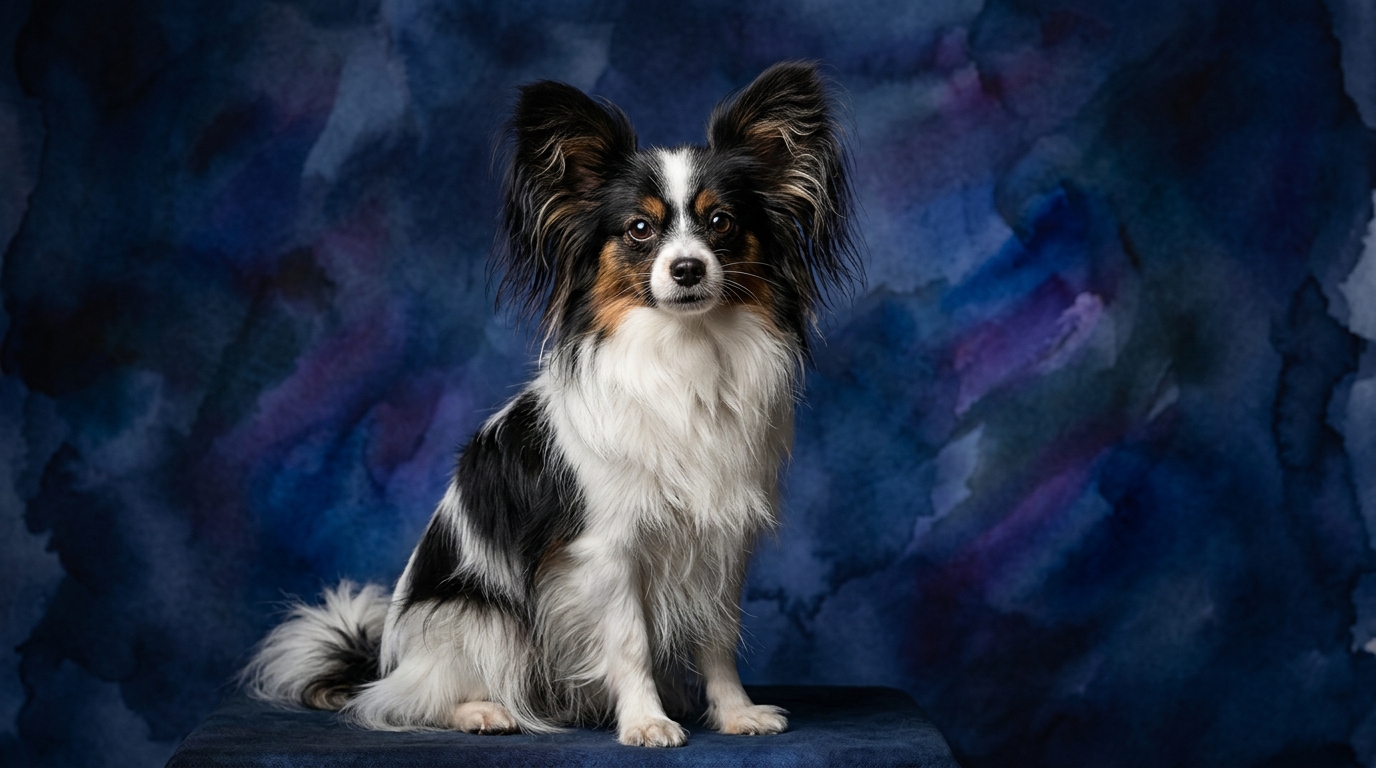
The Cosmic Pet Pet IQ Lab employs a five-dimensional framework to assess canine cognition, offering a granular view beyond general perceptions. For the Papillon, we observe a remarkable aptitude across several key areas. Their Problem Solving is rated 5/5, indicating an exceptional capacity to analyze novel situations and devise effective solutions with agility. Training Speed is also at 5/5, meaning they absorb new commands and routines with impressive swiftness, requiring minimal repetition. Social Intelligence stands at 4/5, reflecting their strong ability to interpret human cues and adapt their behavior in social contexts, fostering deep connections. Instinctive Drive is moderate at 3/5, suggesting a manageable level of inherent canine behaviors like chasing or exploring. Finally, their Memory is scored 5/5, highlighting their robust ability to retain learned information and experiences over long periods, making them consistent performers.
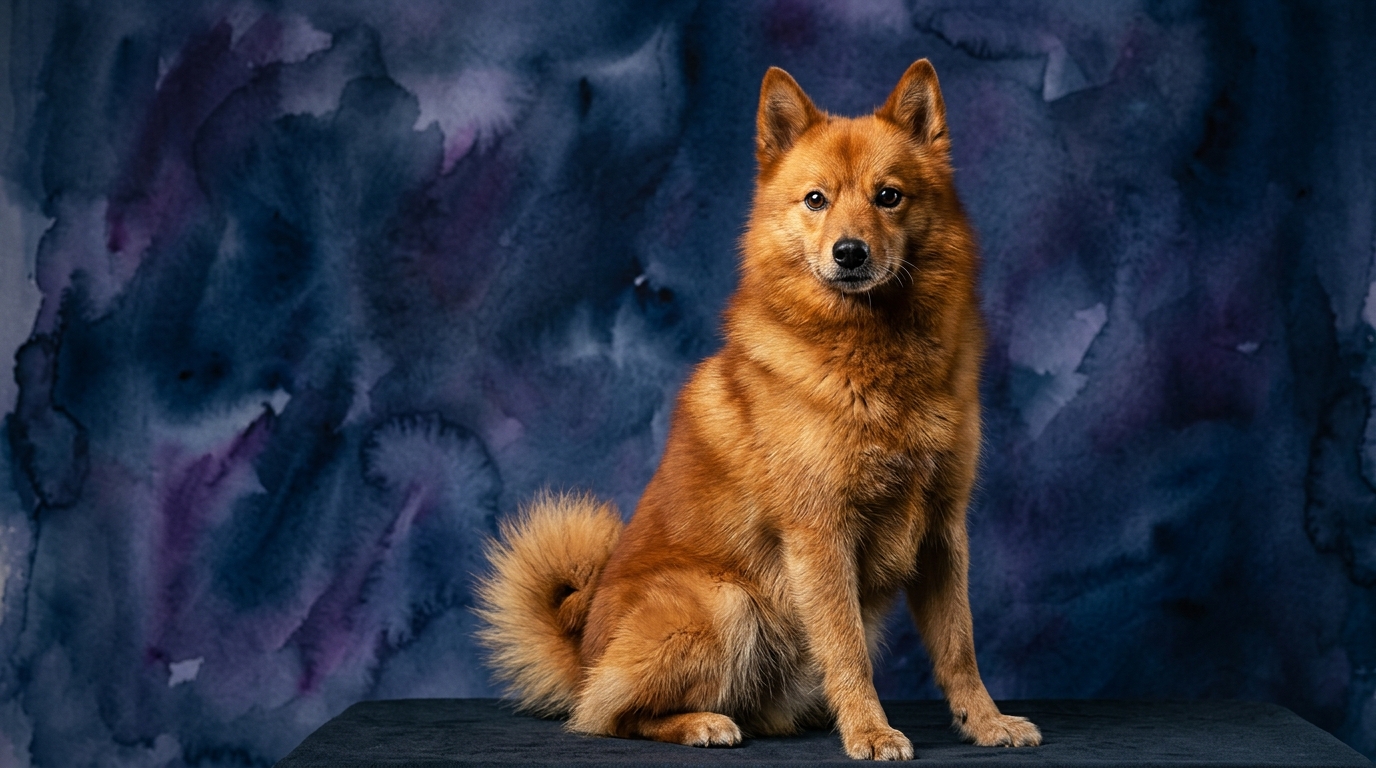
In contrast, the Finnish Spitz presents a different cognitive landscape, shaped by centuries of independent hunting work. Their Problem Solving is rated 3/5, indicating a more measured, often self-reliant approach to challenges, preferring to work through issues independently rather than immediately seeking human guidance. Training Speed also sits at 3/5; they learn at a steady pace, but their independent streak requires patient, consistent, and engaging methods. Social Intelligence is 3/5, meaning they form strong bonds with their primary family but can be reserved or watchful with strangers, preferring to observe before fully engaging. Instinctive Drive is 3/5, primarily manifesting as a strong vocalizing tendency, historically used to alert hunters, alongside a moderate drive for exploration. Their Memory is rated 3/5, suggesting they retain information, but might require more frequent reinforcement for tasks they don't find inherently motivating, often showing a selective recall for what benefits their self-directed pursuits.
Where the Papillon's Cognition Shines
The Papillon's cognitive strengths are particularly evident in their rapid processing and adaptability. Their 5/5 Problem Solving means they quickly grasp complex tasks, such as navigating an intricate agility course or figuring out how to open a treat-dispensing puzzle. This breed demonstrates a cognitive flexibility that allows them to adjust strategies on the fly, making them adept at adapting to new environments and challenges. They don't just follow instructions; they often seem to understand the 'why' behind them, leading to proactive solutions.
A 5/5 Training Speed is a standout characteristic, translating into remarkable efficiency in learning new behaviors. Papillons connect actions with consequences almost instantaneously, making the introduction of new cues a fluid process. This quick uptake minimizes the need for extensive repetition, and they frequently anticipate the next step in a sequence, allowing for the teaching of complex, multi-stage commands. Coupled with their 5/5 Memory, once a Papillon learns something, it tends to stick, enabling them to perform elaborate routines consistently, even after a break.
Their 4/5 Social Intelligence further enhances their cognitive profile, allowing them to excel at interpreting subtle human body language and vocal inflections. Papillons often appear to anticipate their owner's moods or intentions, fostering a profound level of communication and understanding within the household. This ability to read social cues contributes to their reputation as highly responsive and harmoniously integrated companions, readily adjusting their behavior to different people and social situations.
Understanding the Finnish Spitz's Unique Cognitive Strengths
While the Finnish Spitz's scores are more moderate compared to the Papillon, their cognitive profile reflects a different set of strengths, particularly in independent thought and environmental awareness. Their 3/5 Problem Solving, though not as quick, is often characterized by persistence and self-reliance. A Finnish Spitz might not seek immediate human intervention for a puzzle, preferring to work through it on their own terms, using observation and trial-and-error to find a solution. This self-directed approach is a valuable cognitive asset for certain tasks.
A key cognitive strength, deeply rooted in their heritage, is their keen Environmental Awareness. Their historical role as a hunting companion has honed their ability to process subtle environmental stimuli—be it a distant sound, a faint scent, or a visual change—with remarkable fidelity. This focused attention on their surroundings allows them to detect nuances that might escape other breeds, contributing to their alert and watchful nature. They cognitively prioritize external sensory input, making them excellent natural sentinels.
Despite a general Memory score of 3/5, the Finnish Spitz exhibits strong recall for tasks and routines they perceive as purposeful or intrinsically rewarding, especially those tied to their instinctive drives. They tenaciously remember effective hunting strategies, the locations of interesting scents, or routines that lead to outdoor exploration. This demonstrates a selective cognitive prioritization, where information relevant to their inherent motivations is retained with greater strength, showcasing a memory that is purpose-driven rather than broadly receptive.
Furthermore, a unique cognitive strength lies in their sophisticated vocal communication. They are not merely barkers; they possess a varied repertoire of barks, yodels, and chortles, using different sounds to communicate specific intentions. This nuanced form of expression requires complex cognitive processing of their environment, their desired outcome, and the specific vocalization required to convey their message, making them distinctively communicative.
Ease of Training: A Tale of Two Temperaments
When it comes to trainability, the Papillon is demonstrably more straightforward due to their superior training speed (5/5), robust memory (5/5), and higher social intelligence (4/5). A Papillon typically grasps a new command in just a few repetitions, eager to please and quick to form associations between cues and actions. Their strong memory ensures that once learned, commands are retained for extended periods, making proofing and generalization of behaviors relatively simple. For instance, teaching a Papillon a complex sequence of tricks often progresses rapidly because they quickly learn the individual steps and their order, performing them reliably even in new environments.
In contrast, the Finnish Spitz, while certainly trainable, requires a different methodological approach. Their moderate training speed (3/5) means more repetition and patience are necessary, and their independent nature can lead to selective listening. A Finnish Spitz might understand a command but choose not to execute it if they don't perceive immediate value or if their attention is drawn elsewhere, a common trait in breeds with strong self-reliance. Their social intelligence, while adequate for family bonding, doesn't translate into the same eagerness to anticipate and comply with human requests that is characteristic of the Papillon. Training a Finnish Spitz often involves finding what intrinsically motivates them, such as scent work or opportunities for vocal expression, rather than relying solely on their desire to please.
Matching Canine Cognition to Owner Lifestyles
For owners seeking a highly engaged and mentally stimulating companion, the Papillon is an ideal match. Their high problem-solving ability and training speed mean they thrive on consistent mental challenges, whether through advanced obedience, agility, rally, or learning an extensive repertoire of tricks. An active owner who enjoys regular, structured training sessions, competitive dog sports, or extended periods of interactive puzzle play will find the Papillon's cognitive demands align perfectly with their lifestyle. They require consistent mental engagement to prevent boredom and channel their sharp minds constructively, making them excellent partners for those who enjoy teaching and co-participating in activities.
The Finnish Spitz, while not a sedentary breed, suits owners who appreciate a more independent companion and are comfortable with a dog that has strong natural drives. They enjoy outdoor activities like hiking, exploring new trails, and engaging in scent work, but their cognitive needs are less about constant instruction and more about purposeful, often self-directed, engagement. Owners who understand their independent streak and provide consistent, patient, and often reward-based motivation, rather than expecting immediate, eager compliance, will find the Finnish Spitz a fulfilling partner. They thrive with owners who can provide outlets for their natural vocalizations and keen environmental awareness, such as a securely fenced yard where they can 'bark at the birds' or participate in treibball, allowing them to express their inherent instincts.
The Verdict
Opt for the Papillon if you desire a highly trainable, socially astute companion eager to learn complex tasks and participate in dog sports, thriving on consistent mental engagement.
Select the Finnish Spitz if you value an independent, alert, and vocal companion with a keen sense of its environment, suited for owners who appreciate their natural drives and offer patient, purpose-driven training.
🧠 Find Your Pet's IQ Score
Our Pet IQ Lab assessment covers 25+ tests across 5 cognitive dimensions — personalized to your breed.
Take the Full IQ Test →Frequently Asked Questions
Do Papillons get bored easily?
Yes, Papillons, with their high problem-solving and memory scores, require significant mental stimulation to prevent boredom. They thrive on learning new things and participating in activities that challenge their quick minds, making interactive toys and training essential.
Is the Finnish Spitz difficult to train?
The Finnish Spitz is not inherently difficult, but their independent nature and moderate training speed mean they require consistent, patient, and highly motivating training methods. They respond best to positive reinforcement and find value in tasks aligned with their natural instincts, such as scent work or outdoor exploration.
How do their social intelligence scores impact family life?
A Papillon's 4/5 social intelligence means they are often highly attuned to family members' emotions and eager to interact, fostering deep bonds and harmonious living. A Finnish Spitz's 3/5 social intelligence indicates strong loyalty to their primary family but a more reserved demeanor around strangers, valuing their personal space and needing time to warm up.