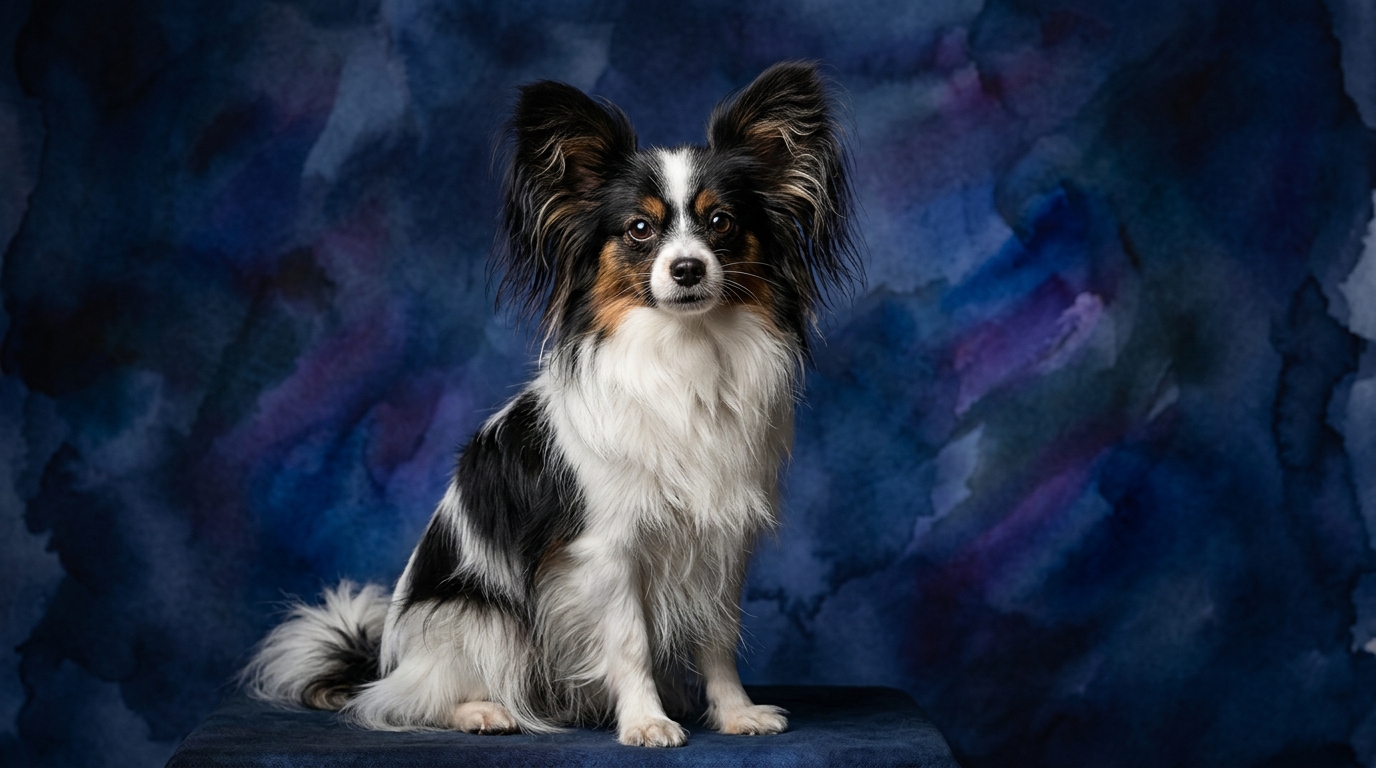
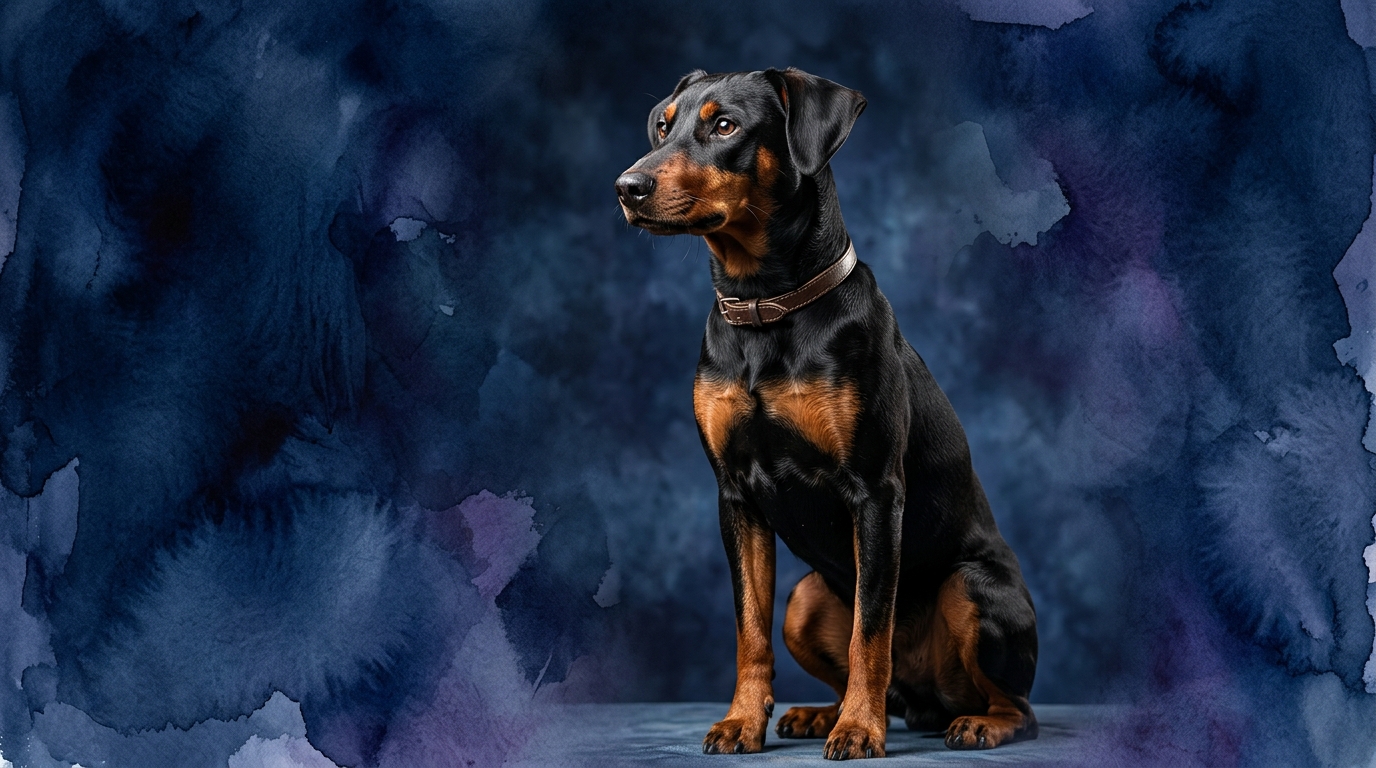
Side-by-Side IQ Profile: Papillon vs. German Pinscher
**Papillon (Coren rank #8, Toy Group)**: The Papillon's high Coren ranking immediately signals a breed with exceptional cognitive capabilities.
**Problem Solving (5/5)**: The Papillon exhibits exceptional ingenuity, quickly analyzing novel situations and devising effective solutions, whether manipulating puzzles or adapting to new routines with remarkable speed.
**Training Speed (5/5)**: Learning new commands and complex sequences is almost effortless. Their eagerness to engage and rapid assimilation of information makes them incredibly responsive to training, often picking up tasks after just a few repetitions.
**Social Intelligence (4/5)**: These dogs are highly attuned to human emotions and social cues, often anticipating their owner's moods. They excel at communication, fostering deep, perceptive bonds within the family.
**Instinctive Drive (3/5)**: While not intensely driven by working instincts, Papillons possess a moderate drive channeled into activities like agility or trick training. Their inherent curiosity often fuels this drive.
**Memory (5/5)**: With a flawless memory score, Papillons retain learned information, commands, and experiences over long periods, contributing significantly to their training success and ability to navigate complex environments.
**German Pinscher (Not Coren-ranked, Working Group)**: The German Pinscher, while not on the Coren ranking, possesses a distinct cognitive profile focused on practical application and working utility.
**Problem Solving (3/5)**: The German Pinscher approaches problems with a practical, methodical mindset. They are persistent and capable of working through challenges, particularly those involving physical manipulation or territory management, rather than abstract solutions.
**Training Speed (3/5)**: German Pinschers are capable learners, though they may require more repetition and consistent motivation than a Papillon. Their deliberate learning style benefits from clear, concise instructions and a strong, consistent handler.
**Social Intelligence (3/5)**: These dogs are socially aware, forming strong bonds with their immediate family and understanding pack dynamics. They interpret human signals reliably within their established social circle, though they can be reserved with strangers.
**Instinctive Drive (3/5)**: German Pinschers possess a well-defined instinctive drive rooted in their heritage as vermin hunters and guard dogs. This drive is purposeful, manifesting as alertness, territoriality, and a keen prey drive, suitable for specific working roles.
**Memory (3/5)**: German Pinschers have a solid, functional memory, reliably remembering commands, routines, and experiences. While not exceptional, it is more than sufficient for practical obedience and retaining learned behaviors.
Where the Papillon Wins Cognitively
The Papillon's cognitive profile highlights exceptional mental agility. Their 5/5 scores in Problem Solving and Memory mean they quickly grasp and retain complex concepts, making them ideal for intricate trick training, competitive obedience, or canine freestyle. Their superior cognitive flexibility allows rapid adaptation to new situations and generalization of learned behaviors. This breed's high Training Speed translates to mastering new cues with minimal effort, often after just a few repetitions, leading to a much faster progression through training levels.
Where the German Pinscher Wins Cognitively
The German Pinscher's consistent 3/5 scores reflect a practical, robust intelligence, not a deficit. Their strength lies in purposeful application of cognitive skills, often instinct-driven. A 3/5 in Instinctive Drive signifies a directed, functional drive for tasks like guarding or pest control, demanding focus and sustained attention. Their Problem Solving is characterized by persistence and a methodical approach, making them effective at physical challenges related to their environment. This breed's cognitive style emphasizes reliability and resilience; they may take longer to learn but perform tasks consistently with conviction, showcasing self-reliant problem-solving within their roles.
Training Ease: Papillon vs. German Pinscher
The Papillon is significantly easier to train due to their remarkable 5/5 Training Speed and 5/5 Problem Solving. They possess an innate eagerness to please and rapidly understand new concepts, mastering complex routines or tricks with minimal repetition. Their keen memory ensures learned commands are rarely forgotten. In contrast, the German Pinscher, with 3/5 in both, requires a more consistent, patient, and firm approach. They are capable learners but need more repetition and a clear, unwavering handler to establish habits. Their independent nature means they might question commands, demanding a trainer who provides clear leadership.
Lifestyle Match: Active vs. Relaxed Owners
The Papillon, despite its size, is versatile. Their high cognitive needs and moderate instinctive drive benefit from daily mental stimulation and physical activity, suiting active owners who enjoy dog sports or hiking. However, their adaptability means they can also thrive with relaxed owners who provide consistent mental games, puzzle toys, and regular walks to keep their sharp minds busy. The German Pinscher, conversely, is best for active, experienced owners. Their working heritage demands significant daily exercise, structured training, and clear leadership. A relaxed owner might find their intensity, alertness, and strong prey drive overwhelming, potentially leading to behavioral issues if their needs for engagement are not consistently met.
The Verdict
When seeking a companion that offers a profoundly interactive and rewarding training journey, excelling in complex learning and demonstrating remarkable adaptability, the Papillon is the ideal choice.
For those who appreciate a dog with a robust, purposeful intelligence, steadfast loyalty, and a need for consistent engagement in an active, structured environment, the German Pinscher stands out.
🧠 Find Your Pet's IQ Score
Our Pet IQ Lab assessment covers 25+ tests across 5 cognitive dimensions — personalized to your breed.
Take the Full IQ Test →Frequently Asked Questions
Do Papillons require a lot of mental stimulation?
Absolutely. With 5/5 problem-solving and memory, Papillons thrive on mental challenges like puzzle toys, learning new tricks, and engaging in dog sports. Without sufficient mental exercise, they can become bored and potentially develop undesirable behaviors.
Is the German Pinscher difficult to train for a first-time dog owner?
The German Pinscher's 3/5 training speed and independent nature can present challenges for first-time owners. They require consistent, firm, and positive training methods along with clear leadership, making them better suited for experienced individuals familiar with working breeds.
How do their social intelligence scores impact their family life?
The Papillon's 4/5 social intelligence means they are highly attuned to family dynamics, often seeking to be involved and understanding subtle cues. The German Pinscher's 3/5 social intelligence indicates strong loyalty to their immediate family, but they may be more reserved with outsiders, requiring careful socialization to ensure polite interactions.