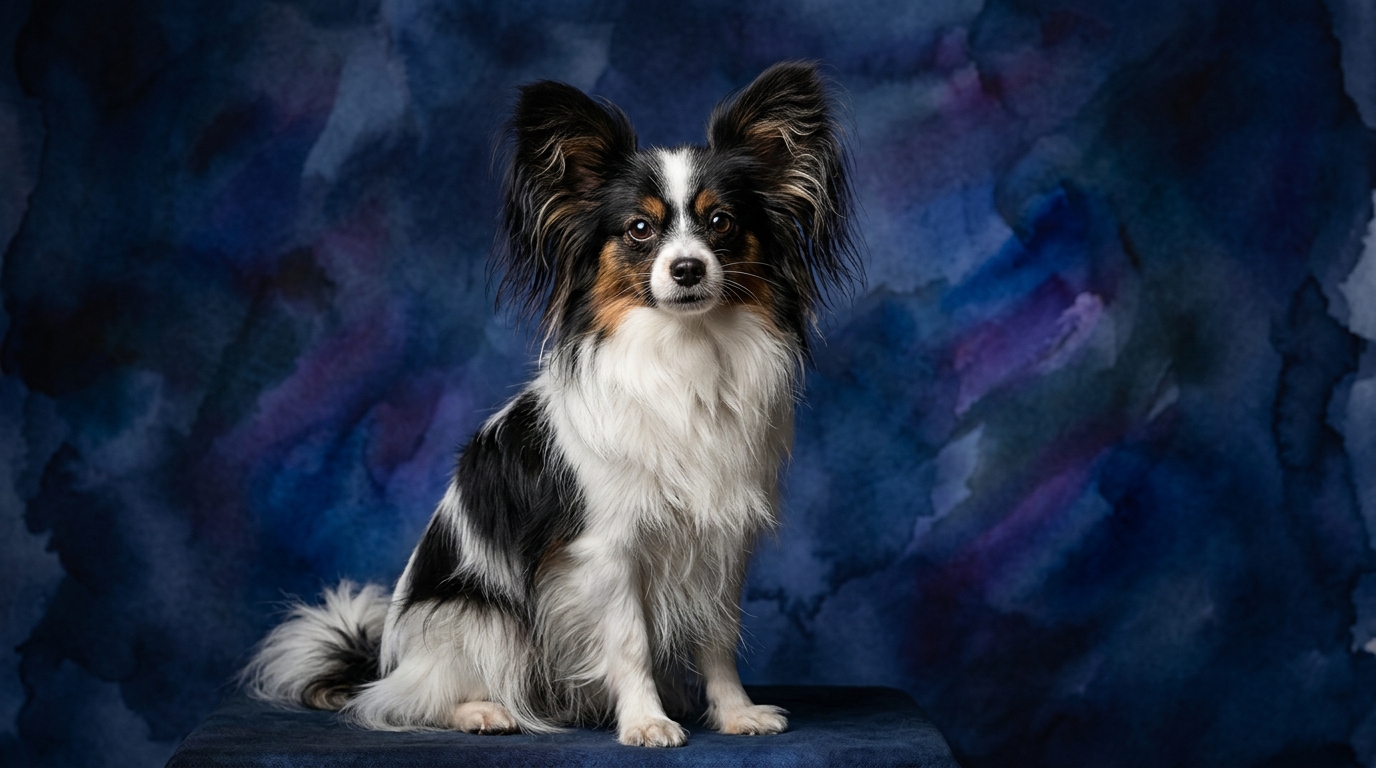
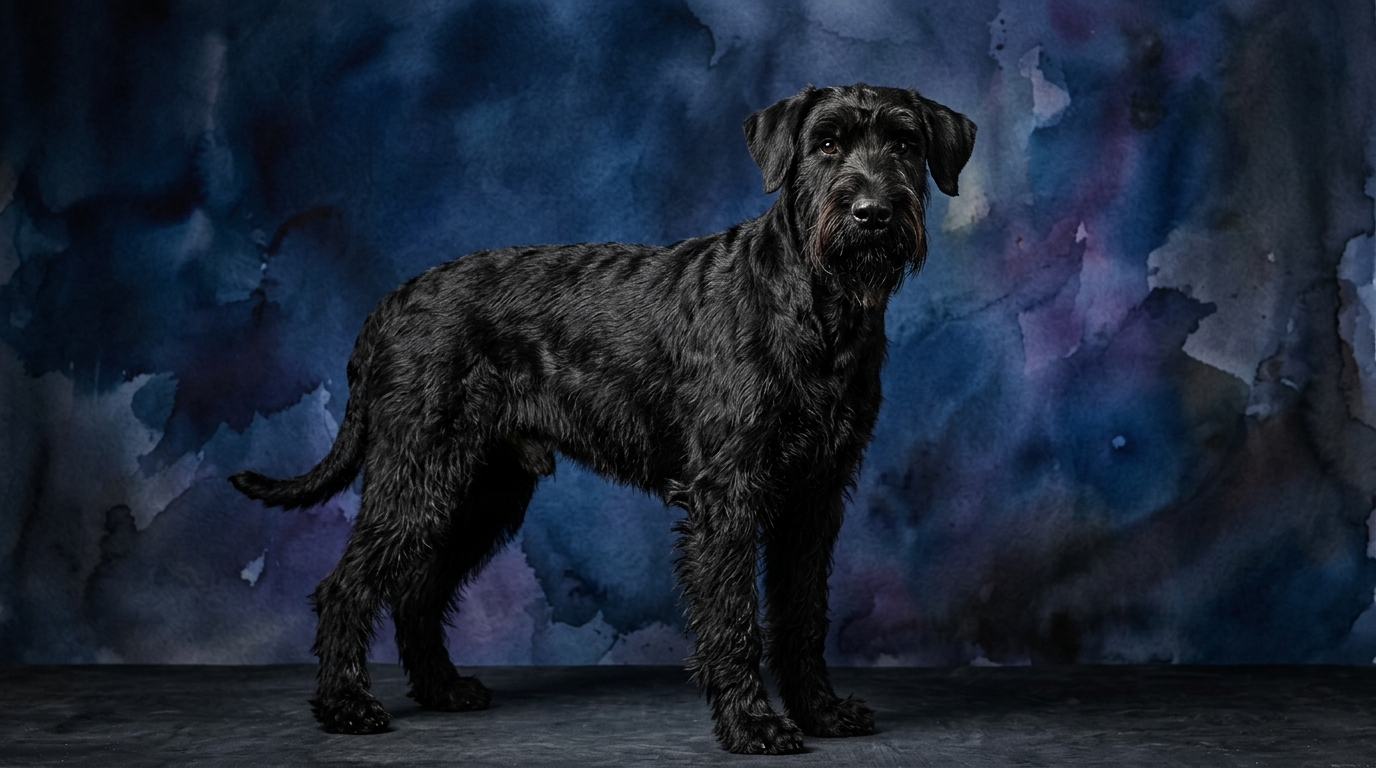
Side-by-Side IQ Profile: Papillon vs. Giant Schnauzer
The Papillon, ranking #8 on the Coren intelligence scale, presents an impressive cognitive profile. Its Problem Solving is rated 5/5, indicating a remarkable capacity for deciphering novel challenges and understanding cause-and-effect relationships quickly. With a Training Speed of 5/5, new commands and intricate sequences are absorbed with astonishing swiftness, often requiring minimal repetitions. Social Intelligence stands at 4/5, reflecting a keen awareness of human cues and emotional states, fostering nuanced interactions. An Instinctive Drive of 3/5 suggests a moderate curiosity and desire to engage, while its Memory, also 5/5, ensures exceptional retention of learned behaviors and past experiences, contributing to consistent performance.
The Giant Schnauzer, ranked #28 by Coren, demonstrates a distinct set of cognitive strengths. Its Problem Solving is rated 4/5, showing a strong, methodical approach to overcoming obstacles, capable of sustained focus on practical issues. Training Speed is 4/5, meaning they learn new tasks effectively and reliably, though they may require a slightly more structured approach. Social Intelligence at 3/5 indicates a discerning awareness, often reserved with strangers but deeply attuned to their family, focusing on loyalty and protective instincts. An Instinctive Drive of 3/5 highlights a moderate drive related to their working heritage, exhibiting vigilance and readiness for purposeful activity. Their Memory, rated 4/5, ensures robust recall for learned behaviors and routines, making them dependable partners once a task is thoroughly understood.
Where the Papillon Wins Cognitively
The Papillon's peak 5/5 scores in Problem Solving, Training Speed, and Memory truly set it apart. This means a Papillon can often figure out how to open a complex puzzle toy quickly, not just by trial and error but by understanding the mechanism. When teaching a new agility sequence or a multi-step trick, a Papillon will typically grasp the entire chain of commands in a fraction of the time many other breeds require, needing fewer repetitions for solid behavior. Their exceptional memory ensures these intricate learned behaviors remain firmly embedded, even after long breaks, making them consistently responsive performers in diverse, mentally stimulating activities.
Where the Giant Schnauzer Wins Cognitively
While the Giant Schnauzer's individual scores are a notch below the Papillon's highest, its cognitive profile shines in areas demanding steadfastness and practical application. Its 4/5 Problem Solving isn't about lightning-fast novelty but a robust, sustained effort to overcome real-world challenges, such as discerning a genuine threat or navigating a complex environment for a specific goal like tracking. Their 3/5 Social Intelligence, while not broadly effusive, translates into a discerning nature; they are less distracted by unfamiliar faces and can maintain focus on their handler or task, a critical asset in protection or service work. This focused social awareness, combined with a strong 4/5 Memory, allows them to build deep, reliable associations with commands, people, and routines crucial for their traditional working roles, offering a consistent and unwavering partnership.
Which is Easier to Train and Why
Based on The Cosmic Pet Pet IQ Lab metrics, the Papillon is demonstrably easier to train, primarily due to its perfect 5/5 scores in both Training Speed and Memory. A Papillon often learns a new command or trick after just a few repetitions, and its excellent memory ensures that knowledge is retained over time, leading to rapid skill acquisition and consistent performance. For example, teaching a Papillon to weave through cones or perform a complex retrieve can be a surprisingly swift process, often feeling like they anticipate the next step, making training sessions highly efficient and rewarding.
The Giant Schnauzer, with its 4/5 in Training Speed and Memory, is still a very capable and trainable breed, but its learning curve is typically more gradual. They respond best to consistent, clear instruction and may require more repetitions to solidify a new behavior. Their working dog mentality means they often thrive on purpose and structure; while they absorb information well, they might initially display a more independent streak, evaluating the command before compliance. This doesn't mean they are stubborn, but rather that their cognitive process involves a slightly more deliberate assessment, often leading to a deeply ingrained and reliable understanding once learned.
Which Suits Active Owners vs. Relaxed Owners
Neither the Papillon nor the Giant Schnauzer are ideal for truly 'relaxed' owners who prefer minimal engagement, as both breeds possess cognitive profiles demanding mental stimulation. The Papillon, despite its small stature, needs an owner who enjoys interactive play, teaching intricate tricks, or participating in dog sports like agility or obedience. Its 5/5 problem-solving and training speed mean it quickly becomes bored without intellectual challenges, potentially leading to undesirable behaviors if not adequately engaged. Owners who appreciate a companion eager to learn new things daily, and who can provide consistent, varied mental exercises, will find the Papillon a delightful match.
The Giant Schnauzer, with its working background and robust problem-solving (4/5) and memory (4/5), also requires a significant commitment to activity and purpose. Owners who are active in structured training, protection work, advanced obedience, or even just long, purposeful walks with training exercises embedded will find this breed thrives. While its instinctive drive is 3/5, its size and historical role mean it benefits greatly from having a 'job' to do, whether it's guarding the home or excelling in a canine sport. This breed suits owners who are confident leaders, enjoy consistent training, and can provide ample physical and mental challenges that tap into its determined and discerning nature.
The Verdict
When rapid learning, intricate trick training, and a highly responsive companion in a compact package are priorities, the Papillon is the clear choice.
When a steadfast, robust, and discerning partner for more structured tasks, protection, or a confident, reliable presence is desired, the Giant Schnauzer stands out.
🧠 Find Your Pet's IQ Score
Our Pet IQ Lab assessment covers 25+ tests across 5 cognitive dimensions — personalized to your breed.
Take the Full IQ Test →Frequently Asked Questions
Does the Papillon's high social intelligence make it overly reliant or prone to separation anxiety?
A Papillon's 4/5 social intelligence indicates a keen awareness of human emotions and cues, fostering strong bonds. While they thrive on companionship, proper training from puppyhood can help prevent excessive reliance or separation anxiety, teaching them to be comfortable both with and without their owners' constant presence.
Does the Giant Schnauzer's 3/5 social intelligence mean it is unfriendly or aloof with its family?
The Giant Schnauzer's 3/5 social intelligence suggests a discerning rather than universally outgoing nature. They are typically reserved with strangers but form deep, loyal bonds with their families, often expressing their affection and protective instincts in a more understated yet profound way.
How does the Coren rank correlate with The Cosmic Pet Pet IQ Lab's specific intelligence metrics?
The Coren rank, which places Papillon at #8 and Giant Schnauzer at #28, broadly reflects their 'working and obedience intelligence.' The Cosmic Pet Pet IQ Lab's metrics break this down, showing how Papillon excels in rapid learning and problem-solving speed, while the Giant Schnauzer demonstrates robust, reliable intelligence suited for more sustained, practical applications, offering a more granular view of their cognitive strengths.