Side-by-Side IQ Profile: Papillon vs. Harrier
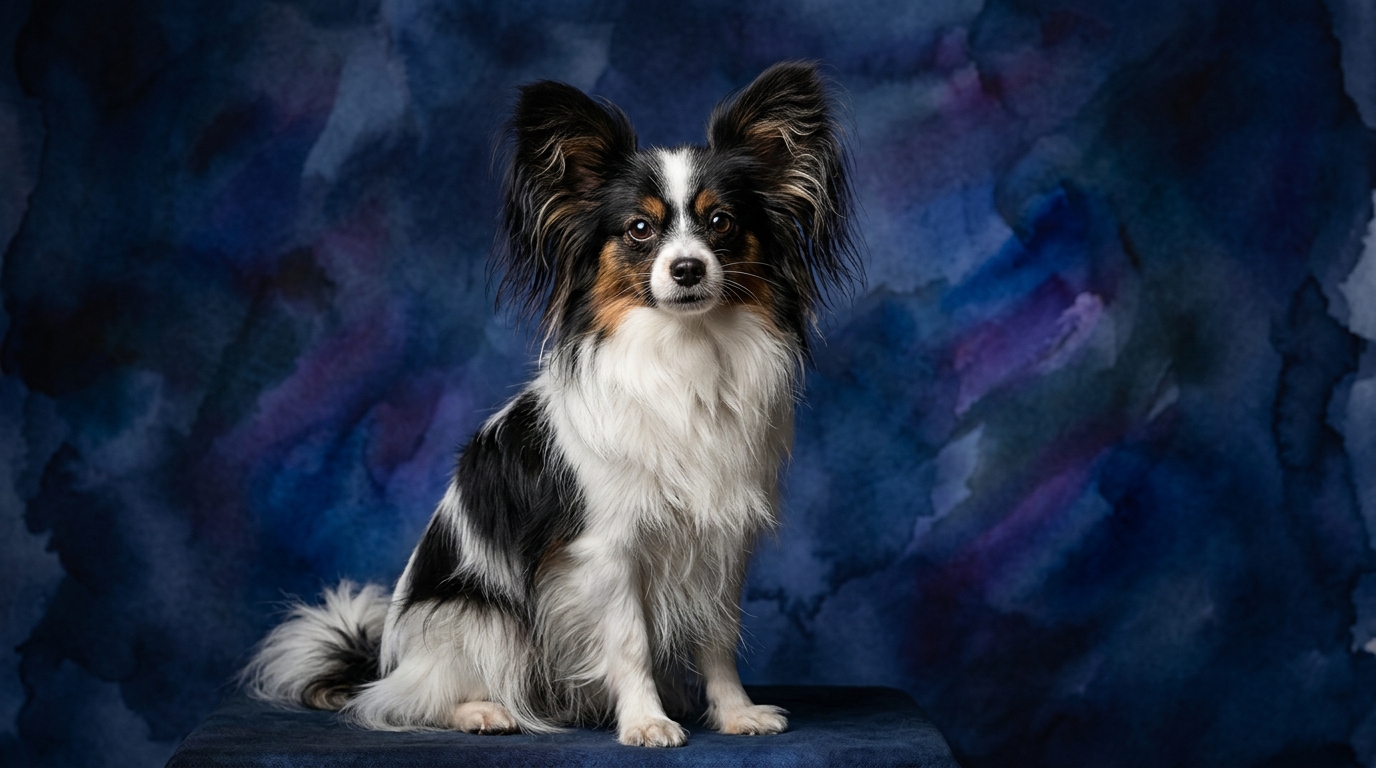
The Cosmic Pet Pet IQ Lab assesses canine intelligence across five key dimensions, providing a nuanced understanding of each breed's cognitive architecture. For the Papillon, a Toy group dog, their profile is marked by exceptional adaptability and rapid learning. They boast a Problem Solving score of 5/5, indicating a quick grasp of new concepts and an ability to navigate complex situations. Their Training Speed also stands at a perfect 5/5, reflecting their eagerness and capacity to absorb commands with remarkable efficiency. Social Intelligence is rated 4/5, demonstrating a keen awareness of human cues and strong interpersonal bonding. An Instinctive Drive of 3/5 suggests a moderate inclination for play and engagement, while their Memory, at 5/5, underscores their ability to retain information over long periods. This profile paints a picture of a highly responsive and cognitively flexible companion.
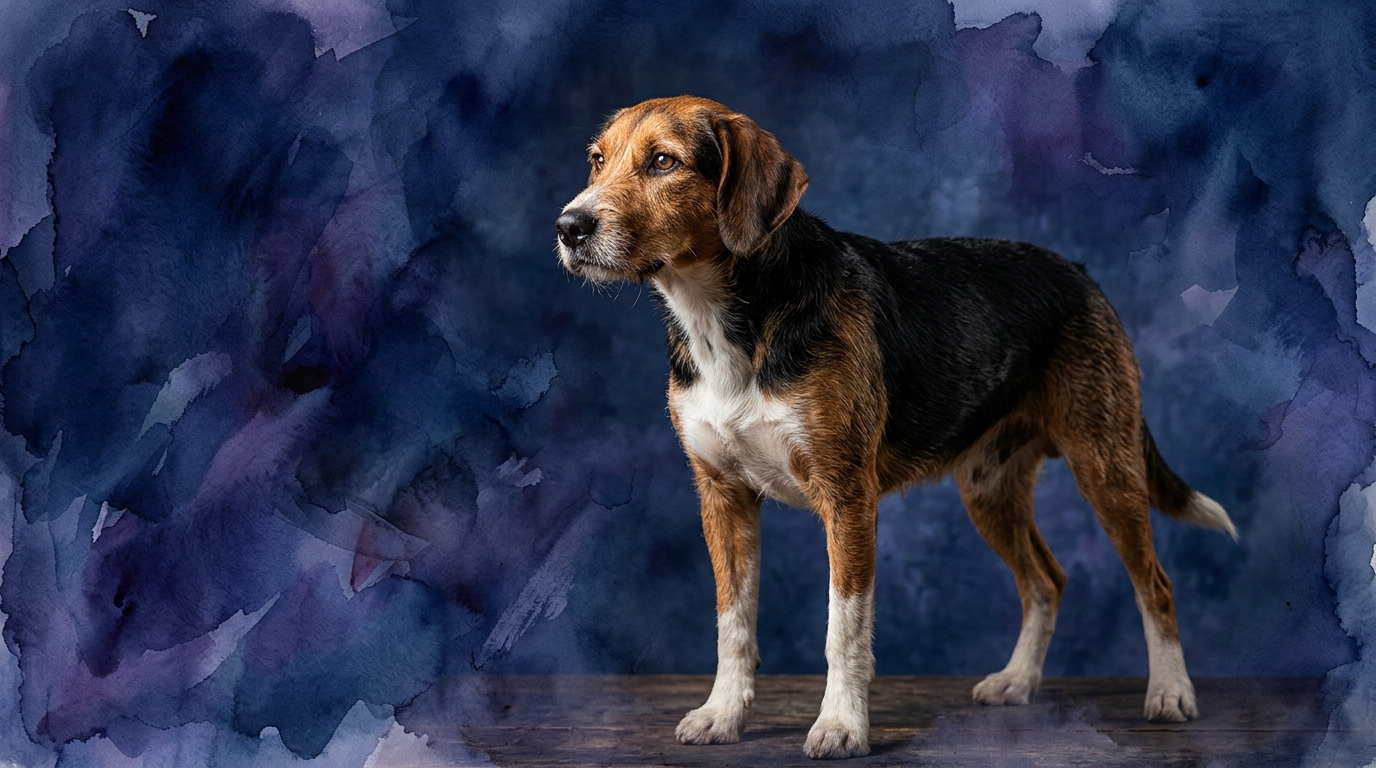
In contrast, the Harrier, a member of the Hound group, presents a different cognitive blueprint, reflecting its heritage as a pack hunter. While not Coren-ranked, our IQ Lab scores offer insight into their specialized intellect. Their Problem Solving is rated 3/5, indicating a methodical, persistent approach, particularly excelling in scent-related challenges rather than abstract puzzles. Training Speed also sits at 3/5, suggesting a steady but less instantaneous learning process, often influenced by their independent nature. Social Intelligence is 3/5, highlighting their sociability within a pack context but perhaps a less acute focus on subtle human emotional shifts. Their Instinctive Drive is 3/5, primarily manifesting as a powerful, unwavering desire to follow a scent trail. Lastly, their Memory is 3/5, effective for routines and scent trails, but possibly less so for abstract commands. This profile describes a dog whose intelligence is deeply tied to its natural hunting instincts.
Where Papillon Wins Cognitively
The Papillon's cognitive strengths truly shine in areas demanding rapid assimilation of information and flexible application of learned behaviors. Their 5/5 problem-solving score reflects an innate curiosity and a quick-thinking mind that readily deciphers novel situations, whether it's figuring out a new puzzle feeder or navigating a complex agility course. This cognitive agility, combined with their 5/5 training speed, means they can master an extensive repertoire of commands and tricks with minimal effort, often understanding a new concept after just a few repetitions. Furthermore, their superior memory (5/5) ensures these lessons are retained long-term, allowing them to build upon previous knowledge and perform intricate sequences. They excel at tasks requiring precise execution based on human instruction, demonstrating a remarkable capacity for abstract learning that sets them apart.
Where Harrier Wins Cognitively
Conversely, the Harrier's cognitive prowess is deeply rooted in its ancestral purpose: the relentless pursuit of scent. While their problem-solving and training speed scores are moderate (3/5), these metrics don't fully capture their specialized genius. A Harrier's true cognitive victory lies in its unwavering persistence and incredible scent discrimination. They possess an unparalleled ability to focus on a particular scent trail, meticulously working through distractions and obstacles for extended periods. This isn't just physical endurance; it's a cognitive marathon, demanding intense concentration and a methodical approach to problem-solving that is entirely scent-driven. Their instinctive drive (3/5), while numerically similar to the Papillon, manifests as an almost obsessive dedication to tracking, allowing them to solve complex environmental puzzles related to finding a hidden "quarry" with a determination that few breeds can match. Their memory for specific scent patterns and terrains is also formidable, enabling them to recall and re-engage with trails.
Which is Easier to Train and Why
Without a doubt, the Papillon presents an easier training experience for most owners. Their exceptional training speed (5/5) stems from a combination of factors: an eager-to-please temperament, a strong desire for human interaction, and a keen observational intelligence. They thrive on positive reinforcement and readily offer behaviors to earn rewards, making them highly responsive to guidance. A Papillon often enjoys the training process itself as a form of mental stimulation and bonding. In contrast, the Harrier's training journey requires more patience and a different approach. Their 3/5 training speed is often influenced by their independent nature and powerful instinctive drive. A Harrier might understand a command but choose to prioritize a captivating scent over immediate compliance. Training a Harrier means consistently competing with the allure of the olfactory world, demanding creative motivation and a deep understanding of their hound instincts to channel their persistence effectively. While both breeds can be trained, the Papillon's inherent predisposition for collaboration and quick learning makes it a far more straightforward student.
Which Suits Active Owners vs. Relaxed Owners
For the active owner, both breeds offer engagement, but with different demands. The Papillon, despite its small size, is surprisingly athletic and thrives on mental and physical challenges like agility, obedience, or trick training. An active owner who enjoys interactive activities and wants a partner for varied adventures will find the Papillon a willing and capable companion, provided their cognitive needs are met. However, a more relaxed owner, willing to provide consistent mental enrichment through puzzles and short training sessions, can also find a Papillon a delightful fit, as they adapt well to indoor life. The Harrier, on the other hand, is unequivocally suited for an intensely active owner. Its powerful instinctive drive and robust build demand extensive daily exercise, preferably off-leash in a secure area where it can indulge its scenting instincts. A Harrier needs miles, not just minutes, of purposeful activity. A relaxed owner would struggle immensely with a Harrier's unfulfilled energy, which could lead to destructive behaviors or incessant vocalizations. This breed truly thrives with a dedicated, outdoors-loving individual or family.
The Verdict
If you seek a highly trainable, cognitively flexible companion eager for mental games and close partnership, the Papillon is an exceptional choice.
If your life involves extensive outdoor activity, a deep appreciation for scent work, and the patience to guide a determined, independent hound, the Harrier will be an incredibly rewarding, albeit demanding, partner.
🧠 Find Your Pet's IQ Score
Our Pet IQ Lab assessment covers 25+ tests across 5 cognitive dimensions — personalized to your breed.
Take the Full IQ Test →Frequently Asked Questions
Are Papillons good for first-time dog owners?
Yes, Papillons often make excellent first-time dog companions due to their eagerness to please and rapid learning curve. Their small size and adaptability to various living situations also contribute to their suitability for novice owners, provided their mental stimulation needs are met.
How much exercise does a Harrier truly need?
Harriers require a substantial amount of daily exercise, typically an hour or more of vigorous activity, such as running or long hikes. Their strong scent drive means structured walks are often insufficient; they thrive with opportunities for off-leash exploration and tracking activities.
Can a Papillon compete in dog sports?
Absolutely. Papillons excel in a wide array of dog sports, including agility, obedience, rally, and flyball, thanks to their agility, intelligence, and eagerness to work alongside their human partners. Their quick problem-solving and training speed make them formidable competitors.