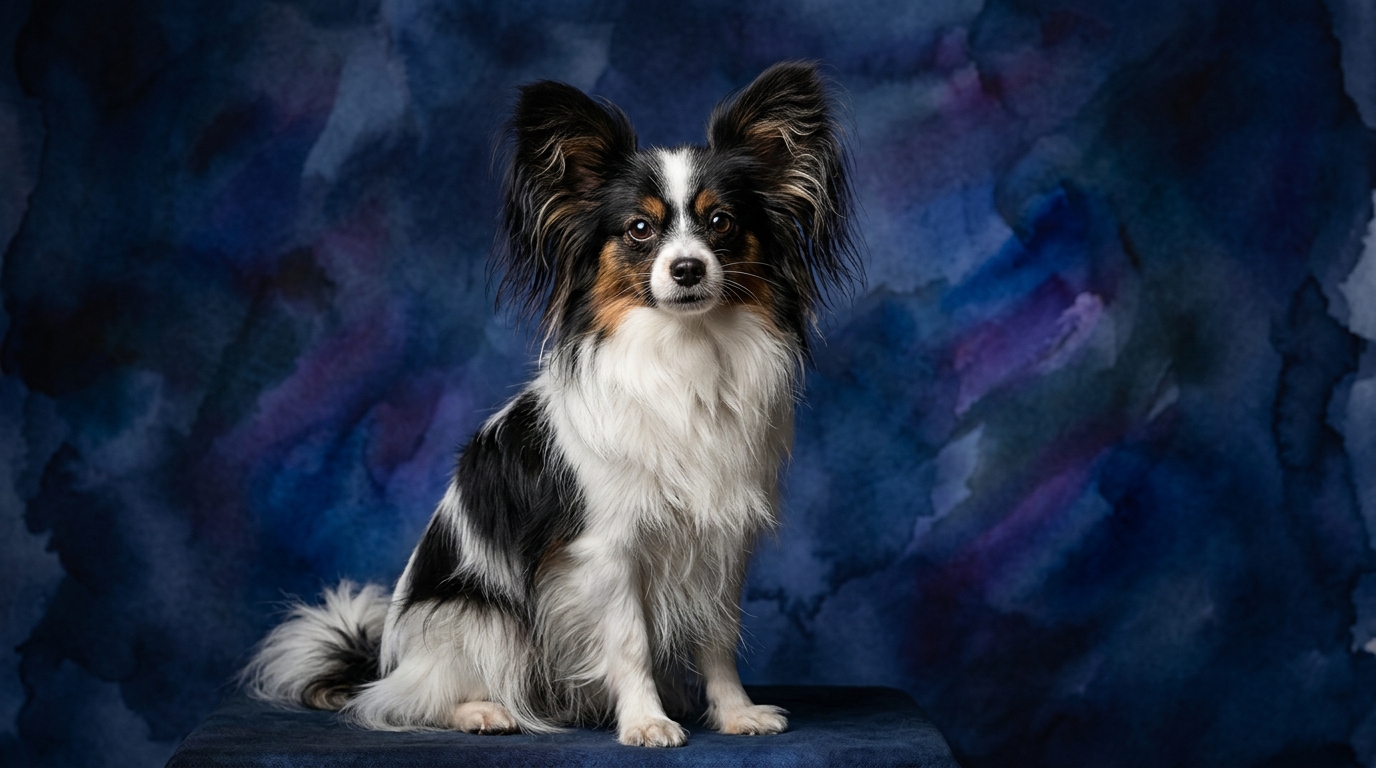
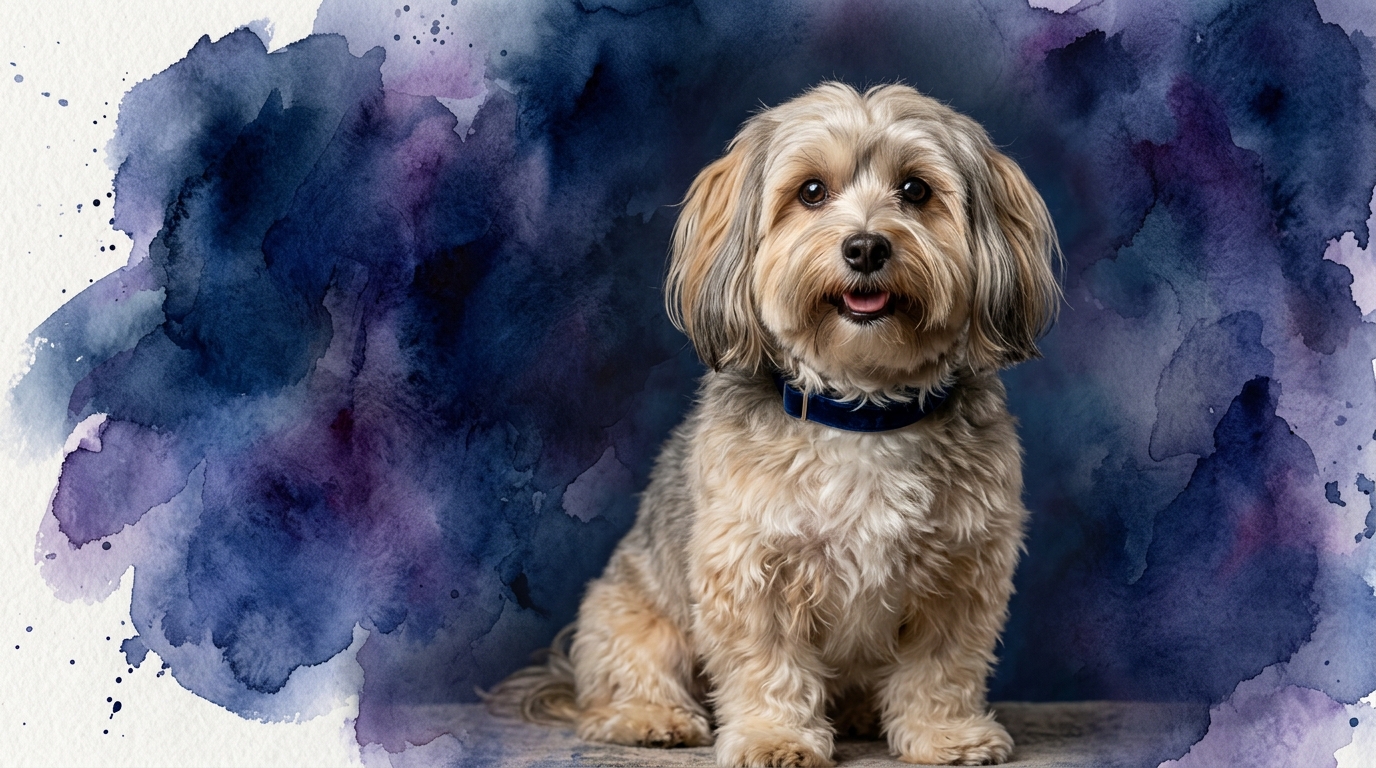
Side-by-Side Cognitive Profiles
The Cosmic Pet Pet IQ Lab employs a five-dimensional framework to assess canine intelligence, moving beyond simple obedience to encompass a broader spectrum of cognitive abilities. For the Papillon, this reveals a highly analytical and adaptive mind. Distinguished by its Coren rank of #8, the Papillon showcases a formidable cognitive profile, excelling with a perfect 5/5 in both problem-solving and training speed. These scores indicate an exceptional capacity for analytical thought and rapid skill acquisition. Their memory, also rated 5/5, ensures learned information is retained with impressive longevity, making them highly efficient learners. A solid 4/5 in social intelligence suggests a good understanding of human cues, while a moderate 3/5 instinctive drive indicates inherent behaviors are present but well-managed.
In contrast, the Havanese, while not Coren-ranked, presents a distinct set of cognitive strengths centered around connection. Earning a perfect 5/5 in social intelligence, this breed excels at forming deep emotional bonds and interpreting human emotions, making them exceptionally empathetic companions. Their problem-solving, training speed, and memory are all rated 3/5, indicating a moderate capacity for these tasks, suggesting they benefit from consistent, positive reinforcement rather than being left to figure things out independently. A lower 2/5 instinctive drive means they are generally less prone to strong innate behaviors like chasing or independent exploration.
Where the Papillon Wins Cognitively
Papillons exhibit a remarkable aptitude for analytical thinking, scoring a perfect 5/5 in problem-solving. This means they are adept at evaluating new situations, figuring out how objects work, and devising solutions to obstacles, such as opening latches or navigating complex agility courses with minimal human intervention. Their exceptional memory, also rated 5/5, ensures that once they've learned a solution or a command, they retain that knowledge with impressive longevity, making training highly efficient and skill retention robust.
The Papillon’s 5/5 training speed further underscores their cognitive advantage in structured learning environments. They typically grasp new commands and routines with astonishing swiftness, often requiring only a handful of repetitions before demonstrating mastery. This rapid acquisition of skills speaks to a keen capacity for understanding human instruction and translating it into action, positioning them as highly responsive and eager pupils in virtually any learning scenario.
Where the Havanese Wins Cognitively
The Havanese truly shines in the realm of social intelligence, earning a perfect 5/5. This breed possesses an extraordinary ability to attune to human emotions, moods, and intentions, making them exceptionally empathetic and responsive companions. Their cognitive strengths lie in forming deep, nuanced bonds with their families, understanding subtle cues like changes in tone of voice or body language, and often anticipating their owner's needs or desires, creating a profound sense of mutual understanding.
This profound social acumen means a Havanese often thrives on interaction and reciprocation, actively seeking connection and offering comfort. While their problem-solving and training speed scores are moderate, their unparalleled ability to integrate into the family's emotional landscape makes them masterful at navigating human relationships, contributing significantly to household harmony and emotional well-being through their intuitive companionship.
Which is Easier to Train and Why
When evaluating ease of training, the Papillon clearly holds an advantage, largely due to its 5/5 scores in both training speed and problem-solving. A Papillon will typically pick up new commands and tricks with remarkable swiftness, often requiring only a few repetitions to solidify the behavior. Their inherent drive to understand and resolve challenges means they actively participate in the learning process, often trying different approaches until they succeed. This cognitive nimbleness translates into a dog that can quickly learn complex sequences, excel in dog sports like agility, and adapt rapidly to new household rules or routines.
The Havanese, with a 3/5 in training speed and problem-solving, will require a more patient and consistent approach. While certainly trainable, they may take more repetitions to fully grasp a new command and might be less inclined to independently figure out solutions to novel tasks. Their training success often hinges on positive reinforcement, clear communication, and making the learning process feel like a fun, social interaction rather than a rigid task. A Havanese might learn best through play-based training that leverages their high social intelligence, whereas a Papillon might thrive on the intellectual challenge itself.
Matching Breed to Owner Lifestyle
The cognitive profile of the Papillon makes them an excellent fit for active owners who enjoy engaging their dogs in mentally stimulating activities. Their high problem-solving ability and rapid training speed mean they thrive on challenges like puzzle toys, advanced obedience training, agility courses, or even learning complex tricks. Owners who appreciate a dog that is eager to learn, quick to adapt, and can keep pace with a dynamic lifestyle will find the Papillon's sharp intellect and moderate instinctive drive (3/5) highly rewarding. They are dogs that benefit from regular mental workouts to prevent boredom, which could otherwise manifest as unwanted behaviors.
Conversely, the Havanese, with its exceptional social intelligence and lower instinctive drive (2/5), is particularly well-suited for owners who prioritize companionship and emotional connection over high-intensity mental tasks. While they still enjoy walks and playtime, their primary cognitive strength lies in their ability to bond deeply and understand human social cues. Relaxed owners who seek a devoted lap dog that is attuned to their moods, enjoys cuddling, and thrives on being an integral part of family life will find the Havanese a perfect match. Their moderate training speed means they’ll learn household manners, but their real joy comes from shared experiences and emotional reciprocity, making them ideal for a more laid-back, affection-focused household.
The Verdict
Choose the Papillon if you seek a highly trainable, problem-solving companion eager for mental challenges and capable of mastering complex tasks with impressive speed.
Opt for the Havanese if your priority is a deeply empathetic, socially astute companion whose greatest joy comes from intimate emotional connection and family integration.
🧠 Find Your Pet's IQ Score
Our Pet IQ Lab assessment covers 25+ tests across 5 cognitive dimensions — personalized to your breed.
Take the Full IQ Test →Frequently Asked Questions
Are Papillons good for first-time dog owners?
Papillons can be good for first-time owners who are prepared for a cognitively active dog. Their high training speed makes them easy to teach, but their sharp minds require consistent mental engagement to prevent boredom or mischief. They thrive with owners who enjoy interactive training and provide ample mental stimulation.
Do Havanese need a lot of exercise?
Havanese have moderate exercise needs, enjoying daily walks and playtime. While not requiring intense physical exertion, their high social intelligence means they thrive on interactive activities with their owners, preferring companionship during their exercise rather than solitary play. Mental stimulation through social interaction is key for them.
Which breed is better with children?
The Havanese, with its 5/5 social intelligence, often excels with children due to its empathetic nature and desire for connection, making it generally more tolerant and understanding of youthful antics. Papillons, while friendly, might be less patient with boisterous play and prefer calmer interactions, making supervision crucial with very young children.