Side-by-Side IQ Profile
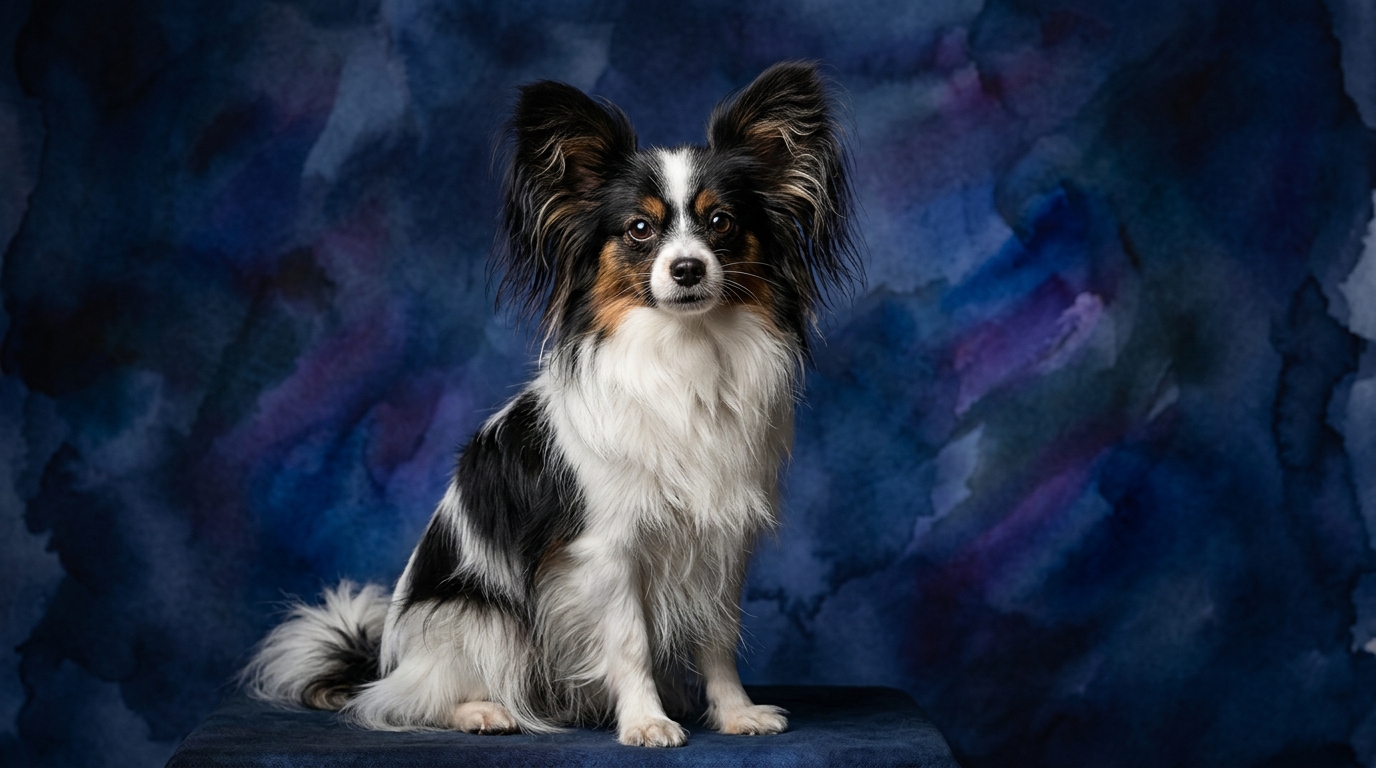
The Cosmic Pet Pet IQ Lab employs a five-dimensional framework to map canine cognition, offering a nuanced view beyond simple "smart" labels. The Papillon, ranking #8 by Stanley Coren, exhibits exceptional mental acuity. It scores 5/5 in Problem Solving and Training Speed, indicating rapid learning and solution-finding. Social Intelligence is a strong 4/5, reflecting keen understanding of human cues. Instinctive Drive is a moderate 3/5, and Memory stands at a perfect 5/5, signifying impressive retention.
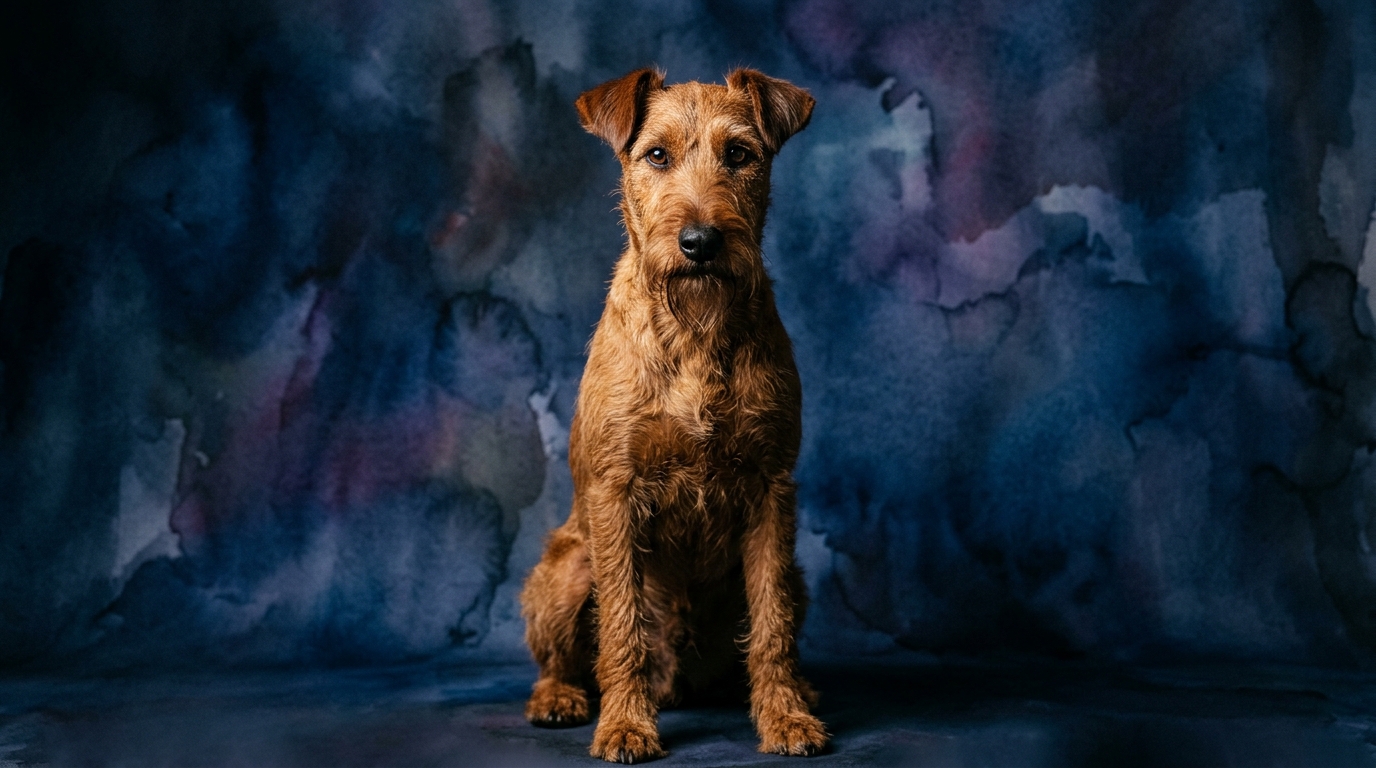
The Irish Terrier, unranked by Coren but known for tenacity, presents a more balanced, self-reliant profile. Its Problem Solving, Training Speed, Social Intelligence, Instinctive Drive, and Memory all register 3/5. This suggests a respectable ability to learn and adapt, but perhaps with a more direct, persistent approach compared to the Papillon's swift processing. This snapshot highlights the Papillon's rapid cognitive processing and human-oriented problem-solving, while the Irish Terrier displays a robust, independent, and moderately paced learning style.
Where Papillon Wins Cognitively
The Papillon's cognitive strengths position it as a standout in areas requiring swift mental processing and keen observation. Its 5/5 Problem Solving means it excels at figuring things out, whether manipulating puzzle toys or understanding complex event sequences. The perfect 5/5 in Training Speed allows for almost effortless acquisition of new commands, making them stars in obedience and agility. Their 5/5 Memory ensures learned information and experiences are readily accessible, contributing to consistent behavior. The 4/5 Social Intelligence gives them an edge in human-dog interaction, making them exceptionally responsive to subtle cues and fostering a deep, intuitive bond. These combined strengths make the Papillon thrive on mental engagement and sophisticated interaction, often appearing to "think along" with their human companions.
Where Irish Terrier Wins Cognitively
While the Irish Terrier's scores might appear lower, their cognitive profile represents a different kind of strength, rooted in tenacity, independence, and practical intelligence. Their 3/5 Problem Solving and 3/5 Instinctive Drive mean they approach challenges with determined, often physical, resolve rather than intricate strategizing. This translates to unwavering focus on tasks like tracking or "pest" pursuit, where sheer grit often trumps complex mental gymnastics. Unlike breeds that might give up easily, an Irish Terrier's cognitive "win" is its enduring persistence. Their moderate 3/5 Social Intelligence means they are not overly dependent on constant human validation; they possess a self-assuredness valuable for roles requiring independent decision-making. This independence means they are less prone to separation anxiety. Their 3/5 Memory is sufficient to retain necessary skills and routines. The Irish Terrier's cognitive strengths lie in its self-reliance, unwavering determination, and a practical, grounded intelligence prioritizing action and persistence.
Which is Easier to Train and Why
Based on Pet IQ Lab metrics, the Papillon is unequivocally the easier breed to train, largely due to its superior Training Speed and Social Intelligence. With 5/5 in Training Speed, Papillons absorb new commands with remarkable alacrity, often needing few repetitions. Their 4/5 Social Intelligence enhances this ease, as they are highly attuned to human cues and possess a strong desire to please. This results in a dog eager to learn, responsive to praise, and intrinsically motivated to cooperate. Papillons readily offer behaviors, making positive reinforcement highly effective, and they quickly generalize skills.
The Irish Terrier, with 3/5 Training Speed and Social Intelligence, presents a different dynamic. While capable, they require more repetition and a patient approach. Their moderate social intelligence means they may not possess the same fervent desire to please; instead, an independent streak can be perceived as stubbornness. An Irish Terrier might understand a command but choose not to execute it if a more interesting alternative is present. Training often means finding what truly motivates them – high-value treats or engaging play – and making it a cooperative negotiation. Their instincts also mean easy distraction by prey drive, requiring more effort to maintain focus. The Papillon's cognitive make-up aligns more directly with conventional, fast-paced obedience training, making it straightforward for novice trainers.
Which Suits Active Owners vs Relaxed Owners
The cognitive and instinctive profiles offer clear guidance on suitability for active versus relaxed owners. The Papillon, despite its small size, is a surprisingly active and mentally stimulated companion, excellent for owners who enjoy diverse activities. Its 5/5 Problem Solving and 5/5 Training Speed mean it thrives on mental challenges like dog sports (agility, obedience), trick training, and canine freestyle. Its 3/5 Instinctive Drive is present enough for fetch but not overwhelming. Papillons are adaptable; a brisk walk and ample indoor play suffice physically, but high cognitive demand necessitates consistent mental enrichment. An owner who enjoys teaching new things and providing puzzle toys will find the Papillon fulfilling. They can adapt to relaxed households, but cognitive needs must be met to prevent boredom.
The Irish Terrier, with its moderate 3/5 Instinctive Drive and a profile geared towards persistence, is a better match for truly active owners who appreciate a dog with robust physical and mental constitution. Bred for demanding work, they require significant outdoor exercise. Their problem-solving, applied with tenacity, means they enjoy activities using senses and physical capabilities, like long hikes or exploring varied terrains. An owner who enjoys jogging or vigorous outdoor adventures will find a loyal, tireless partner. While they can settle, a lack of appropriate exertion leads to frustration. Relaxed owners might find the Irish Terrier's energy challenging; they need consistent outlets for their vigor and independent spirit.
The Verdict
For individuals seeking a highly responsive, mentally agile companion eager to learn and excel in structured activities, the Papillon is the ideal choice.
If you value a tenacious, self-reliant partner for outdoor adventures and appreciate a dog with a robust, independent spirit, the Irish Terrier will be a deeply rewarding companion.
🧠 Find Your Pet's IQ Score
Our Pet IQ Lab assessment covers 25+ tests across 5 cognitive dimensions — personalized to your breed.
Take the Full IQ Test →Frequently Asked Questions
Is the Papillon prone to barking due to its alertness?
Papillons, with their high social intelligence and alertness, can be prone to barking at new sights or sounds, acting as vigilant watchdogs. Consistent training and early socialization can help manage this tendency effectively, channeling their responsiveness positively.
Do Irish Terriers get along well with other pets?
Irish Terriers, with their moderate social intelligence and instinctive drive, can coexist with other pets, especially if introduced early and socialized properly. However, their terrier heritage means they might have a higher prey drive towards smaller animals, requiring careful supervision.
How much daily mental stimulation does a Papillon need to stay content?
A Papillon, given its exceptional problem-solving and memory, thrives on daily mental stimulation, requiring at least 15-30 minutes of dedicated training, puzzle toys, or interactive games. This engagement is as crucial as physical exercise to prevent boredom and ensure their cognitive needs are met.