Side-by-Side IQ Profile: Papillon vs. Lakeland Terrier
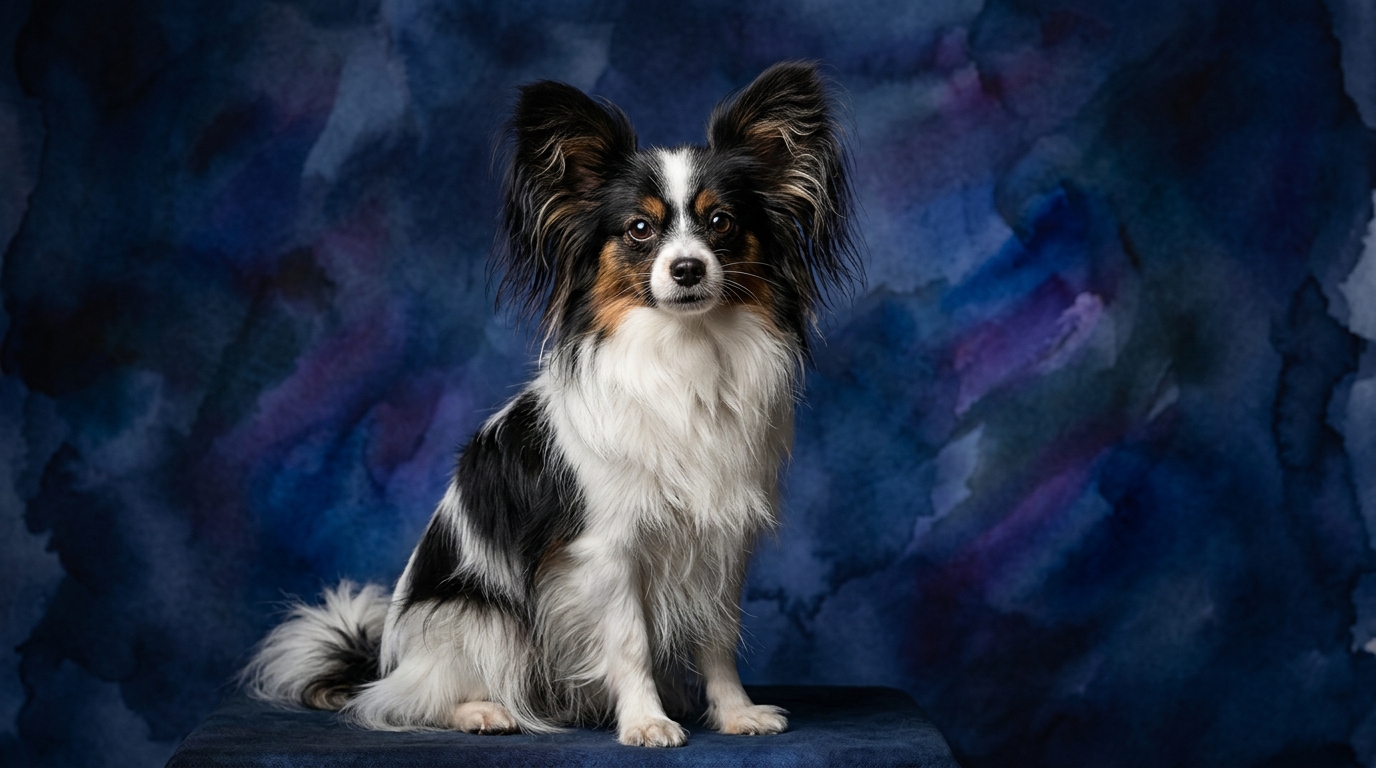
**Papillon**: Ranked #8 by Coren, this breed demonstrates remarkable cognitive agility. Their Problem Solving is 5/5, indicating an exceptional capacity to analyze novel situations and devise effective solutions quickly. Training Speed also scores a perfect 5/5, reflecting their rapid assimilation of new commands and routines. Social Intelligence, at 4/5, suggests a strong understanding of human cues and a desire for interaction, aiding trainability. Instinctive Drive is moderate at 3/5, meaning primal urges are present but not overwhelming. Their Memory is outstanding at 5/5, allowing them to retain learned information over long periods, enhancing their training potential.
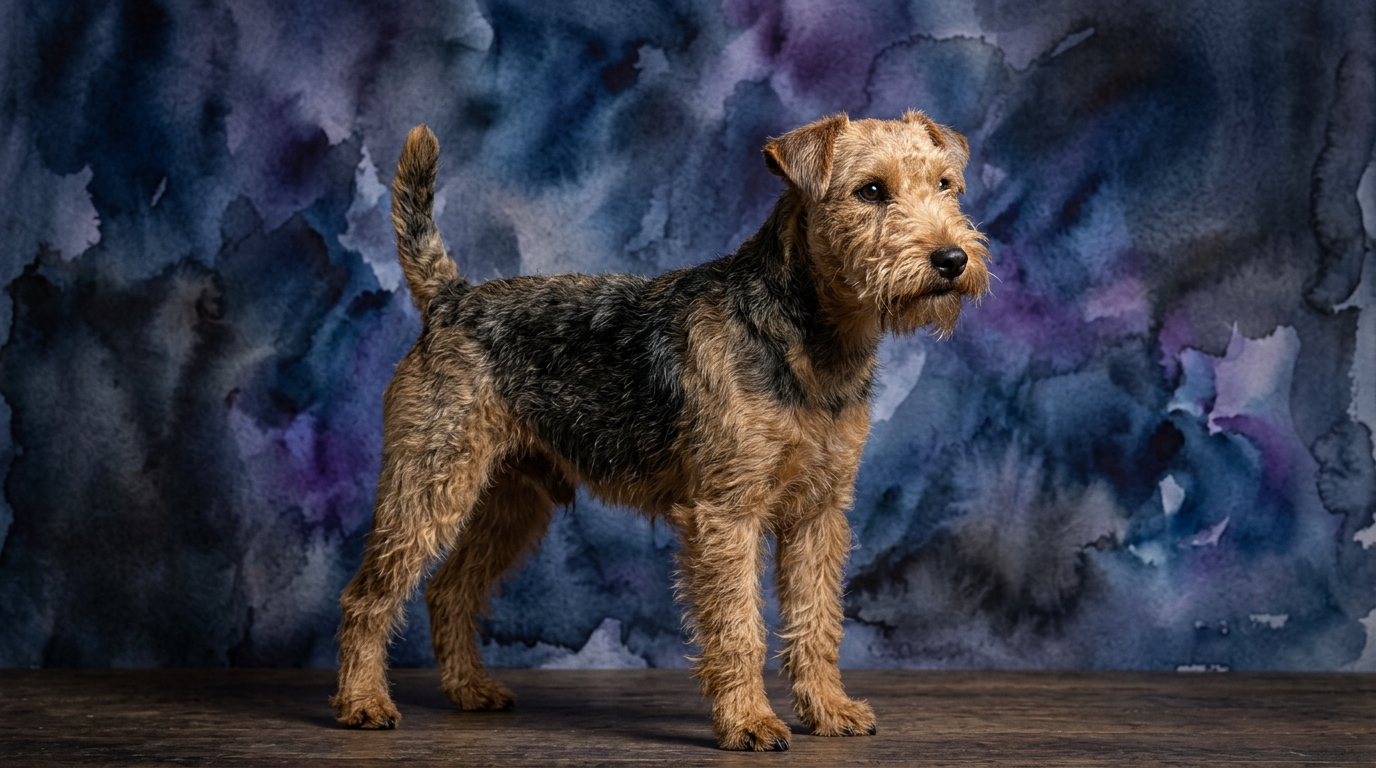
**Lakeland Terrier**: Unranked by Coren, the Lakeland Terrier presents a distinct cognitive profile, shaped by its working heritage. Their Problem Solving is 3/5, indicating a moderate ability to navigate challenges, often relying on persistence. Training Speed also stands at 3/5, suggesting more repetition and consistent motivation are needed. Social Intelligence is 3/5, meaning they form bonds but might exhibit more independence. Instinctive Drive matches the Papillon at 3/5, yet in a terrier, this manifests as focused determination, particularly concerning scent work. Their Memory is 3/5, implying adequate retention but perhaps less precision than higher-scoring breeds.
Where the Papillon Wins Cognitively
The Papillon clearly excels in rapid cognitive processing and retention. Their perfect 5/5 in Problem Solving means they quickly assess complex scenarios, like figuring out how to open a child-proof gate or manipulating puzzle toys with minimal guidance, often demonstrating creative solutions. This contrasts with reliance on brute force. Similarly, their 5/5 Training Speed allows them to grasp new commands, intricate tricks, or multi-step routines almost effortlessly, often requiring only a few repetitions. This rapid acquisition extends to advanced agility or competitive obedience, where precision and speed of learning are paramount. Furthermore, their superior Memory (5/5) ensures these learned behaviors and solutions are retained long-term, reducing the need for constant refreshers. A Papillon can recall complex sequences or remember room layouts visited weeks prior, making them reliable in performance tasks. Their 4/5 Social Intelligence also provides an edge in understanding subtle human body language and vocal intonations, allowing finer responses to cues and anticipating intentions, fostering nuanced communication.
Where the Lakeland Terrier Wins Cognitively
While the Lakeland Terrier's cognitive scores are generally moderate, their strengths lie in the *application* of their intelligence, particularly when combined with their inherent terrier tenacity and drive. Their 3/5 Instinctive Drive, though numerically equal to the Papillon's, manifests as robust, unwavering focus on tasks related to their working heritage, like scent tracking or "vermin" control. This drive, coupled with their 3/5 Problem Solving, means that while they might not devise the quickest solution to a novel puzzle, they possess the sustained determination to persist until success, often employing relentless trial-and-error. For instance, in an earthdog trial, a Lakeland might not immediately strategize the most efficient path, but their sheer will and moderate problem-solving capacity ensure they continue to work the scent and navigate obstacles until the "prey" is located. Their physical robustness and moderate memory (3/5) also contribute to their practical intelligence in navigating challenging outdoor environments, remembering effective routes, or recalling interesting scent locations. They excel in scenarios demanding endurance, physical prowess, and steadfast commitment to a goal, rather than just rapid mental processing.
Which is Easier to Train, and Why?
Based on their IQ profiles, the Papillon is unequivocally easier to train. Their perfect 5/5 Training Speed means they absorb new commands with remarkable swiftness, often understanding a new cue after just a few repetitions. This is bolstered by their 5/5 Memory, ensuring commands stick, and their 4/5 Social Intelligence, which makes them eager to please and highly attuned to owner feedback. They thrive on positive reinforcement, quickly associating desired behaviors with rewards, making training sessions efficient and enjoyable. A Papillon is likely to pick up complex agility sequences or intricate tricks with relative ease, showcasing genuine enthusiasm for learning and cooperation.
In contrast, the Lakeland Terrier, with a 3/5 Training Speed, requires a more patient, consistent, and often creative approach. While capable of learning, they may not grasp new concepts as quickly and might require more repetitions to solidify commands. Their moderate Social Intelligence and strong independent streak mean they might prioritize their own interests over immediate compliance if not sufficiently motivated. Training a Lakeland often involves tapping into their 3/5 Instinctive Drive, using high-value rewards or incorporating elements of chase and scent work to maintain engagement. They might test boundaries, requiring a confident, assertive yet fair training style that establishes clear expectations. While they can achieve high obedience, it typically demands greater investment of time and effort, leveraging their persistence rather than rapid cognitive uptake.
Which Suits Active Owners vs. Relaxed Owners?
The choice between a Papillon and a Lakeland Terrier hinges on an owner's lifestyle and capacity for engagement. Papillons, despite their small stature, are not content as mere lapdogs; their high Problem Solving and Memory scores mean they require significant mental stimulation. They thrive with active owners who enjoy teaching tricks, participating in dog sports like agility or obedience, or engaging in complex puzzle games daily. Their 4/5 Social Intelligence makes them deeply bonded and eager for interaction, making them ideal for owners who want a constant, mentally engaged companion ready for adventure, whether a brisk walk or a brain-game session. They adapt to varied physical activity, but their minds demand consistent challenge.
Lakeland Terriers are better suited for active owners who relish outdoor pursuits and structured training. Their 3/5 Instinctive Drive, though numerically moderate, manifests as a robust need for physical activity and mental engagement related to their working heritage. Owners who enjoy hiking, long walks, or activities like earthdog trials will find a Lakeland a willing and tireless partner. Their moderate Problem Solving and Training Speed mean they benefit from consistent routines and activities that productively channel their energy and determination. A relaxed owner unable to provide ample physical exercise and mental challenges might find a Lakeland becoming bored, potentially leading to destructive behaviors. They need an owner who understands and can manage their terrier independence and drive with firm, fair, and consistent leadership, making them a better fit for experienced, active dog enthusiasts.
The Verdict
Choose a Papillon if you seek a highly responsive, quick-learning companion eager for mental challenges and close interaction, and are prepared to provide consistent positive reinforcement and diverse learning opportunities to engage their sharp intellect.
Choose a Lakeland Terrier if you appreciate a robust, independent, and persistent dog with a strong drive, are willing to invest significant time in consistent, structured training that leverages their instincts, and enjoy outdoor adventures.
🧠 Find Your Pet's IQ Score
Our Pet IQ Lab assessment covers 25+ tests across 5 cognitive dimensions — personalized to your breed.
Take the Full IQ Test →Frequently Asked Questions
Are Papillons truly among the smartest dogs?
Yes, their Coren ranking at #8 and perfect 5/5 scores in problem-solving and training speed place them among the most cognitively agile breeds, demonstrating exceptional capacity for rapid learning and complex task execution, often outperforming much larger dogs.
What challenges might a Lakeland Terrier owner face regarding intelligence?
Lakeland Terriers possess moderate problem-solving and training speed scores, coupled with a strong instinctive drive, which means owners might encounter independent decision-making and a need for highly motivating, consistent training to channel their determination effectively away from undesirable behaviors.
How do their social intelligence scores impact their suitability as family pets?
Papillons, with a 4/5 social intelligence, are generally attuned to human cues and bond closely, making them adaptable family members who enjoy participation; Lakeland Terriers, at 3/5, are capable of strong bonds but may exhibit more selective social preferences, requiring early, extensive socialization to thrive harmoniously in a diverse household environment.