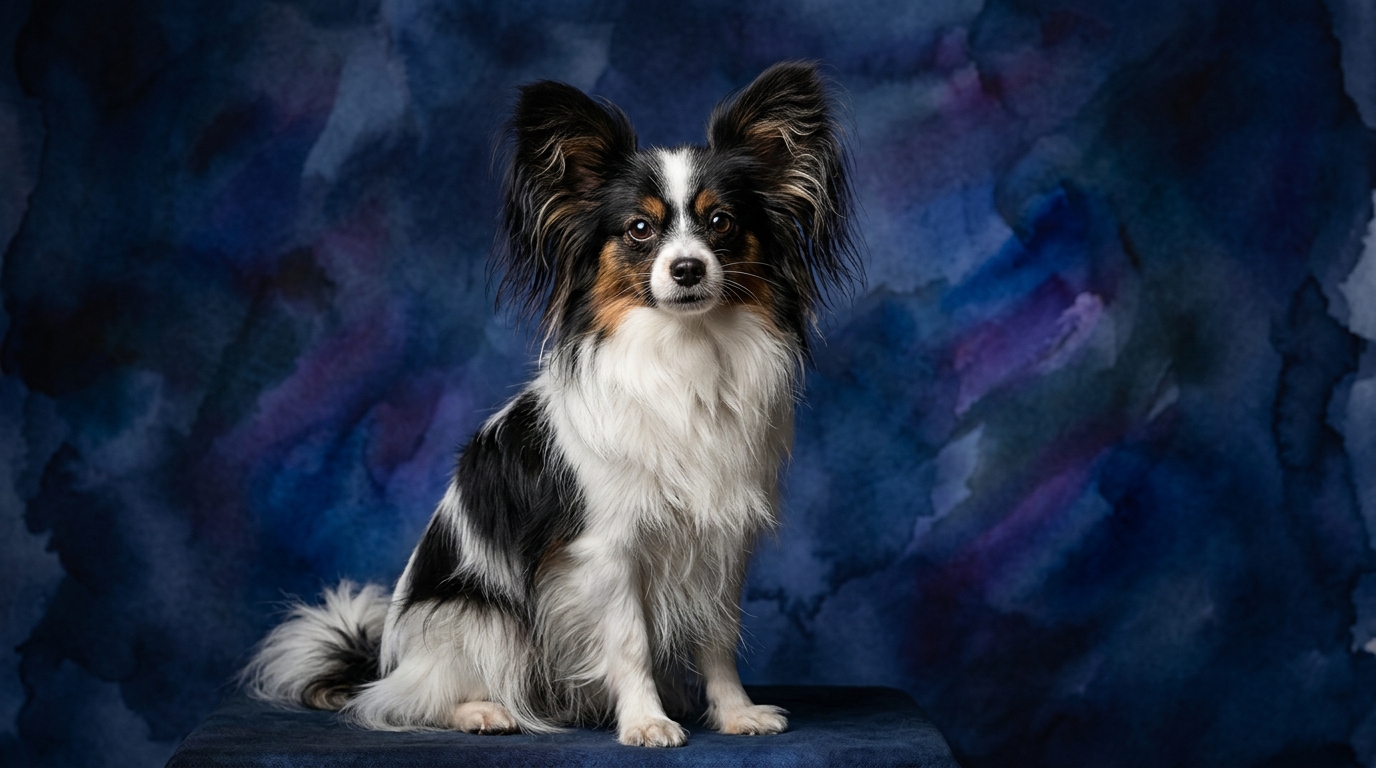
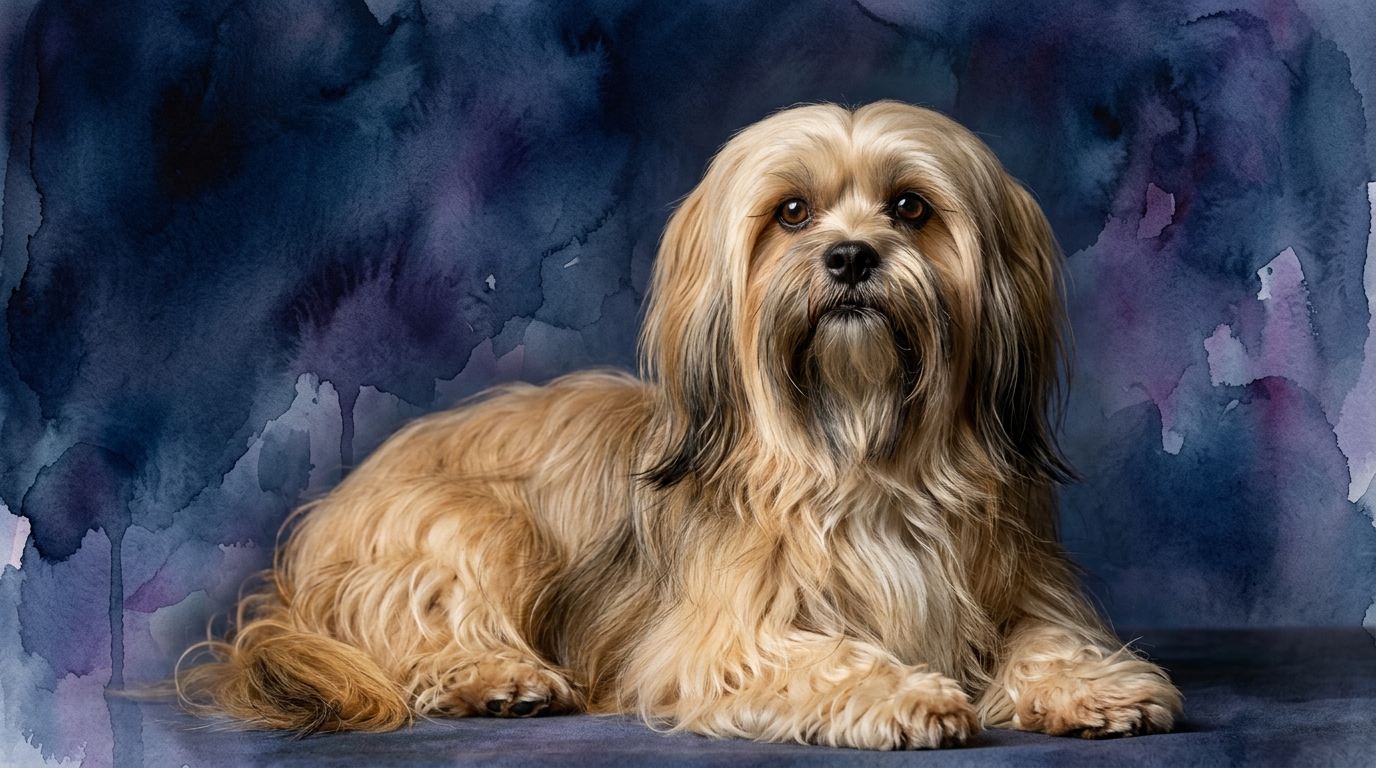
Side-by-Side IQ Profile
The Papillon, a breed often celebrated for its elegant appearance, also boasts a formidable cognitive profile, ranking #8 on the Coren scale. Its Problem Solving score of 5/5 indicates an exceptional capacity to navigate novel situations and figure out puzzles, while a Training Speed of 5/5 means it grasps new commands with remarkable swiftness. Social Intelligence at 4/5 suggests a keen awareness of human cues and emotions, fostering strong bonds. An Instinctive Drive of 3/5 provides a balanced motivation without overwhelming prey drive, and its Memory, a perfect 5/5, ensures it retains learned behaviors and routines over time, making it a highly adaptable and responsive companion.
In contrast, the Lhasa Apso, positioned at Coren rank #68, offers a different cognitive landscape, characterized by a more moderate and independent intellect. Its Problem Solving, Training Speed, Social Intelligence, Instinctive Drive, and Memory all register at 3/5. This consistent scoring across dimensions points to a dog that is competent and capable, yet processes information and learns at a more deliberate pace. A 3/5 in social intelligence suggests they are discerning in their affections, forming deep bonds with their chosen few rather than seeking broad approval, while their memory is sufficient for daily routines but may require more reinforcement for complex tasks.
Where Papillon Wins Cognitively
The Papillon undeniably shines in areas demanding rapid cognitive processing and retention. Its 5/5 Problem Solving means a Papillon can quickly assess and overcome obstacles, whether it's figuring out how to open a treat-dispensing toy or navigating an agility course with precision. This mental agility, combined with a 5/5 Training Speed, allows them to master intricate command sequences and perform complex tricks in fewer repetitions than many other breeds. Furthermore, their perfect 5/5 Memory ensures that once a behavior is learned, it's rarely forgotten, making them highly reliable companions in terms of recall and adherence to household rules. This blend of quick wit and lasting recall sets them apart, allowing them to excel in competitive dog sports and advanced obedience work.
Where Lhasa Apso Wins Cognitively
While the Lhasa Apso's scores are consistently moderate, its cognitive profile fosters a unique set of strengths that are particularly appealing to certain owners. Its 3/5 in Social Intelligence, rather than a deficit, reflects a discerning and independent nature; they are not easily swayed or overly eager to please, developing deep, loyal bonds with their family on their own terms. This independence can translate into a calm self-assurance, making them less prone to separation anxiety or constant demand for attention. Their moderate Instinctive Drive of 3/5 means they are less likely to be driven by intense urges to hunt or herd, resulting in a more relaxed indoor presence. The Lhasa Apso's cognitive makeup cultivates a dignified and resilient companion, one whose measured approach to problem-solving often involves persistence and a strong sense of self-preservation, rather than immediate, flashy solutions.
Which is Easier to Train and Why
Training ease starkly differentiates these two breeds, primarily due to their disparate scores in Training Speed, Problem Solving, and Memory. The Papillon, with its 5/5 in Training Speed and Memory, coupled with a 5/5 in Problem Solving, is typically a dream to train. They possess an eagerness to engage, quickly connect actions with consequences, and retain commands with minimal repetition. This means they often pick up basic obedience in a matter of days and can progress to advanced tasks like scent work or complex agility sequences with relative ease. The Lhasa Apso, however, presents a different training journey. Its 3/5 in Training Speed and Memory means that learning requires more patience, consistency, and positive reinforcement. Their independent nature often manifests as a 'what's in it for me?' attitude, requiring owners to make training highly rewarding and engaging to overcome potential stubbornness. While perfectly capable of learning, the Lhasa Apso will demand more consistent effort and a deeper understanding of their motivations from their human counterpart.
Which Suits Active Owners vs. Relaxed Owners
The cognitive profiles of the Papillon and Lhasa Apso naturally align with different owner lifestyles. The Papillon's high Problem Solving and Training Speed, combined with a moderate but present Instinctive Drive, mean they thrive with active owners who can provide consistent mental stimulation and physical engagement. They excel in dog sports like agility, flyball, and obedience, and appreciate daily challenges that tap into their quick wit. Owners who enjoy teaching new tricks, engaging in interactive games, or simply having a highly responsive and adaptable companion will find the Papillon a perfect match. Conversely, the Lhasa Apso's more moderate cognitive scores and independent demeanor make it a better fit for relaxed owners. While they still require regular walks and enrichment, their cognitive needs are less about constant high-intensity mental tasks and more about companionship and a predictable routine. They are content to observe and be present, making them ideal for individuals or families who appreciate a loyal, self-possessed companion that doesn't demand constant mental gymnastics.
The Verdict
Opt for a Papillon if you seek a highly trainable, mentally agile companion eager to learn complex tasks and engage in dog sports, thriving on consistent mental stimulation. They are ideal for active owners who enjoy teaching new tricks and participating in advanced obedience or agility.
Choose a Lhasa Apso if you value an independent, loyal, and discerning companion who forms deep bonds with their chosen family and requires a more patient, consistent approach to training. They suit relaxed owners appreciating a self-possessed dog content with routine companionship rather than constant mental challenges.
🧠 Find Your Pet's IQ Score
Our Pet IQ Lab assessment covers 25+ tests across 5 cognitive dimensions — personalized to your breed.
Take the Full IQ Test →Frequently Asked Questions
Are Papillons difficult to manage due to their high IQ?
No, their high IQ makes them highly trainable and responsive. However, they do require consistent mental stimulation and engagement to prevent boredom, which could lead to unwanted behaviors if their intelligence isn't channeled productively.
Do Lhasa Apsos make good family pets, given their moderate social intelligence?
Lhasa Apsos can be excellent family pets, but their 3/5 social intelligence means they are often more reserved and selective in their affections. They typically bond deeply with their immediate family but may be wary of strangers or boisterous children, requiring proper socialization from a young age.
What kind of mental enrichment is best for a Lhasa Apso?
For a Lhasa Apso, mental enrichment should focus on consistency and positive reinforcement. Puzzle toys with moderate difficulty, short daily training sessions reinforcing basic commands, and opportunities for supervised exploration in a secure yard can provide adequate stimulation without overwhelming their independent nature.