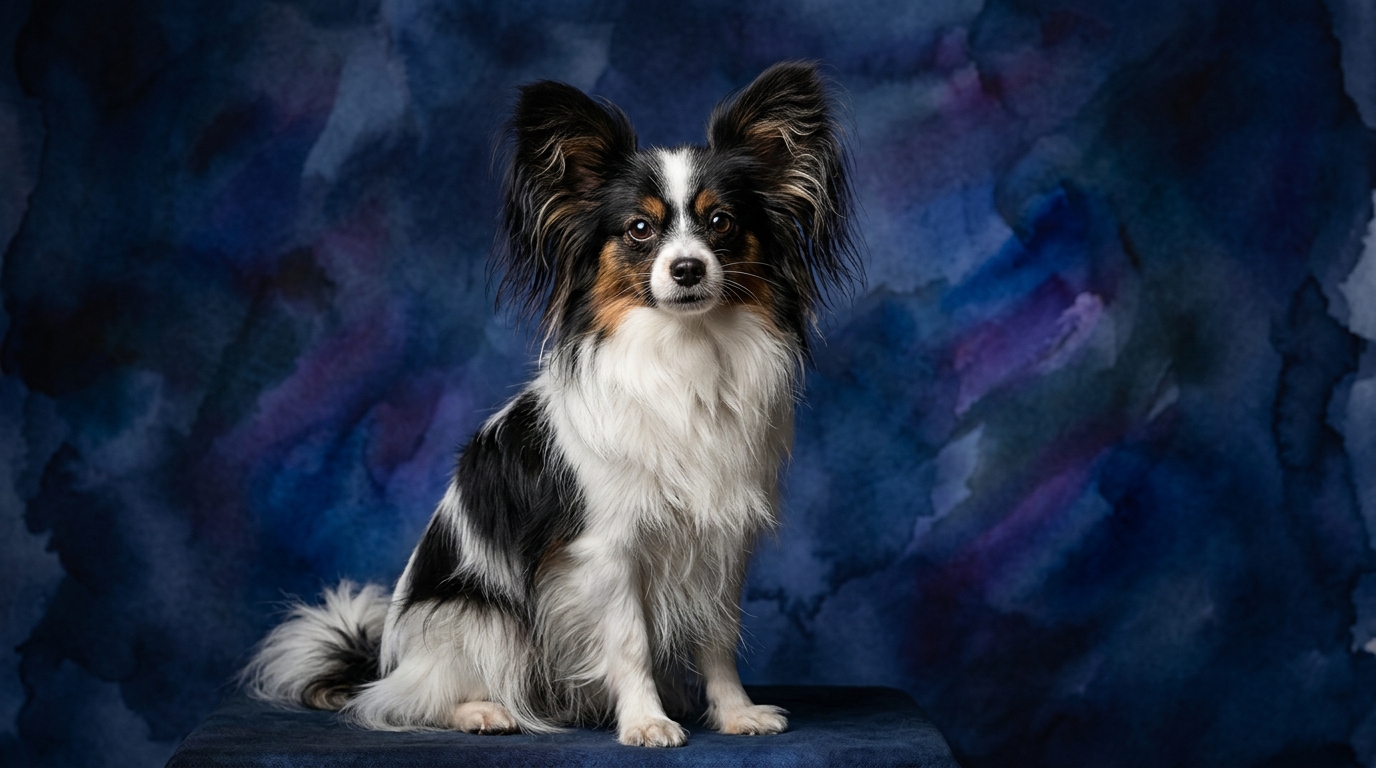
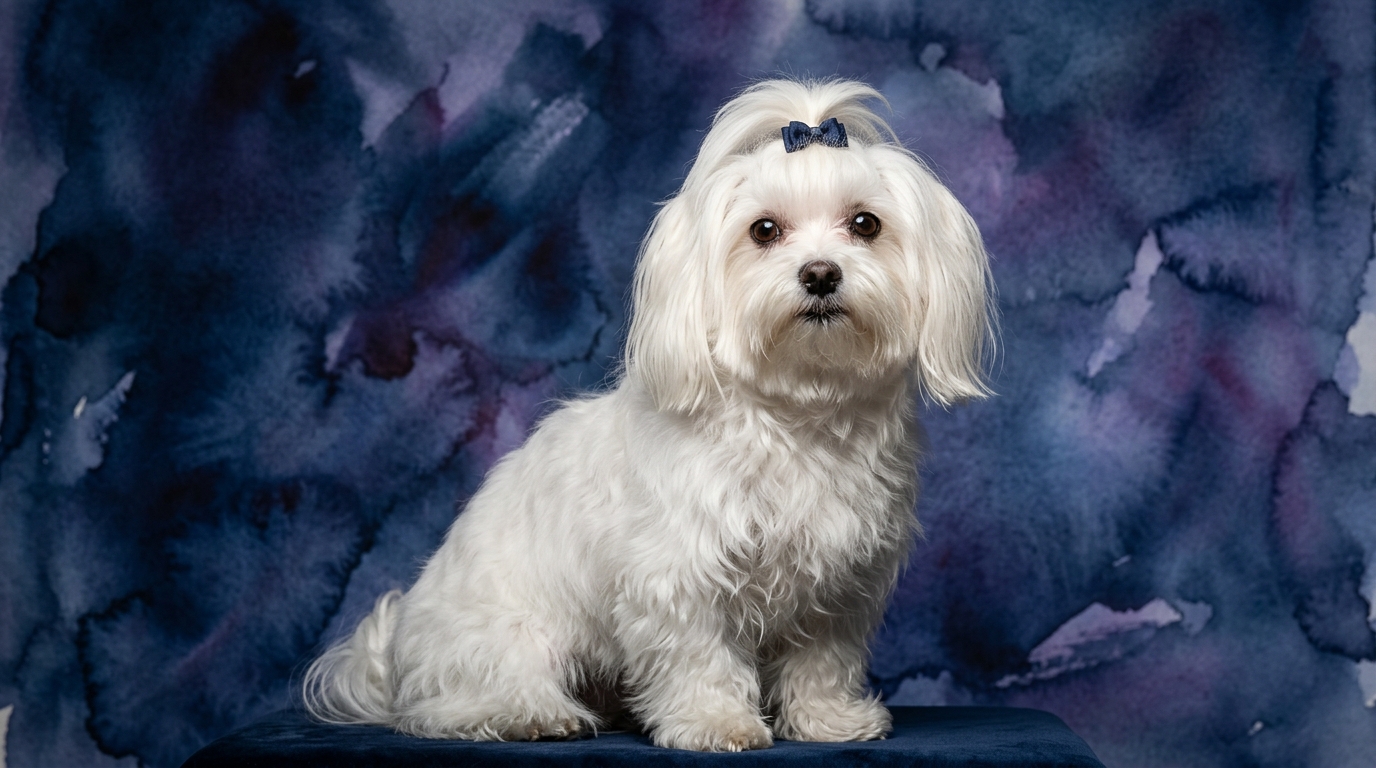
The Cosmic Pet Pet IQ Lab: Side-by-Side Cognitive Profiles
The Cosmic Pet Pet IQ Lab's assessment provides a detailed look at the core cognitive dimensions for both the Papillon and the Maltese, using a 1-5 scale to quantify their abilities. Understanding these profiles is key to appreciating their unique strengths and how they might manifest in daily life. The Papillon, ranking #8 in Coren's broader dog intelligence list, consistently demonstrates a sharp intellect across several metrics.
For the Papillon, Problem Solving earns a top 5/5, indicating an exceptional capacity for independent thought and figuring out novel challenges. Their Training Speed also rates 5/5, suggesting a rapid grasp of new commands and routines. Social Intelligence for the Papillon is a robust 4/5, showing good understanding of human cues, while Instinctive Drive is a moderate 3/5, pointing to a certain level of inherent motivation for tasks. Finally, Memory stands at an impressive 5/5, allowing them to retain vast amounts of learned information over time.
In contrast, the Maltese, ranked #59 by Coren, presents a profile more centered on companionship and social connection. Their Problem Solving ability registers at 3/5, indicating a moderate capacity for independent problem-solving, often preferring guidance. Training Speed for the Maltese is also 3/5, meaning they learn at a steady pace but may require more repetition and patience than some other breeds. Where the Maltese truly shines is in Social Intelligence, achieving a perfect 5/5, reflecting an acute sensitivity to human emotions and interactions. Their Instinctive Drive is a lower 2/5, suggesting less inherent motivation for task-oriented work, and Memory is a 3/5, implying a solid but not extraordinary recall of past experiences.
Where the Papillon Wins Cognitively
The Papillon's cognitive strengths are evident in its exceptional Problem Solving, Training Speed, and Memory. A Papillon with a 5/5 in Problem Solving is adept at navigating complex environments, quickly understanding how to manipulate objects to achieve a goal, or figuring out how to open a puzzle toy without prior instruction. This breed often exhibits a genuine curiosity, actively exploring and experimenting with their surroundings rather than waiting for direction.
Their 5/5 Training Speed means Papillons typically pick up new commands and multi-step routines with remarkable alacrity, often mastering a new trick in just a few short sessions. This rapid learning curve makes them particularly rewarding for owners interested in dog sports or advanced obedience. Coupled with a 5/5 Memory, a Papillon can recall an extensive repertoire of commands, tricks, and learned behaviors even after long periods of inactivity, making them consistent performers in competitive settings like agility or rally obedience where precise execution of sequences is paramount.
Where the Maltese Wins Cognitively
The Maltese excels unequivocally in Social Intelligence, earning a perfect 5/5. This dimension highlights their profound ability to understand and respond to human emotions, intentions, and social cues, making them exceptionally empathetic companions. A Maltese frequently demonstrates an intuitive grasp of their owner's mood, offering comfort during distress or mirroring joyful energy.
This elevated social awareness translates into a dog that is deeply attuned to the nuances of family life, often seeking proximity and interaction. They are masters of non-verbal communication, using subtle body language and gaze to engage with their humans, fostering a strong, reciprocal bond. Their social acumen means they are often very adaptable to different social settings, provided they are with their people, and thrive on being an integral part of their human family's daily activities.
Which is Easier to Train and Why
When it comes to ease of training, the Papillon generally presents a more straightforward experience due to its superior Problem Solving (5/5) and Training Speed (5/5). These cognitive attributes mean the Papillon is not only quick to understand what is being asked but also capable of independently figuring out the desired action or sequence. They often thrive on the mental engagement of training, viewing it as a stimulating game rather than a chore, which further accelerates their learning. Their higher Instinctive Drive (3/5) also contributes to a greater willingness to engage in structured activities.
The Maltese, with a 3/5 in both Problem Solving and Training Speed, requires a more patient and consistent approach. While certainly trainable, they may take more repetitions to grasp new concepts and might not instinctively try to 'solve' a training challenge in the same way a Papillon would. Their lower Instinctive Drive (2/5) means they might be less intrinsically motivated by typical training tasks and may respond better to rewards that emphasize their strong social bond, such as praise and attention from their beloved owner, rather than purely task-oriented incentives. Owners must be prepared to make training enjoyable and highly rewarding to maintain their Maltese's focus and enthusiasm.
Which Suits Active Owners vs Relaxed Owners
For active owners seeking a canine partner for various pursuits, the Papillon is often the more fitting choice. Their 5/5 Problem Solving and Training Speed, combined with a moderate 3/5 Instinctive Drive, means they relish mental challenges and physical activity. Papillons often excel in dog sports like agility, flyball, or obedience, where their quick thinking and agility are put to good use. They require consistent mental stimulation to prevent boredom, which can manifest as undesirable behaviors if their sharp minds are not engaged. An owner who enjoys teaching new tricks, going on brisk walks, or participating in organized dog activities will find a Papillon an eager and capable companion.
Conversely, the Maltese, with its 5/5 Social Intelligence and lower 2/5 Instinctive Drive, is an ideal match for relaxed owners primarily seeking a devoted and empathetic companion. While they still benefit from daily walks and play, their need for vigorous physical exercise or complex mental puzzles is generally lower than that of a Papillon. The Maltese thrives on close companionship, preferring to be near their human, whether lounging on the couch or accompanying them on errands. Owners who prioritize affection, gentle companionship, and a dog that is deeply attuned to their emotional state will find the Maltese an exceptionally fulfilling presence in their home.
The Verdict
Choose the Papillon if you are an owner who enjoys active engagement, mental challenges, and potentially participating in dog sports or advanced training with a quick-witted companion.
Opt for the Maltese if your primary desire is a deeply empathetic, affectionate companion who thrives on close social connection and a more relaxed lifestyle.
🧠 Find Your Pet's IQ Score
Our Pet IQ Lab assessment covers 25+ tests across 5 cognitive dimensions — personalized to your breed.
Take the Full IQ Test →Frequently Asked Questions
Do Papillons bark a lot?
Papillons can be quite vocal, often using their barks to alert owners to new sounds or visitors. Their moderate instinctive drive means they are observant, and their quick problem-solving can lead them to 'alert' more readily.
Are Maltese dogs good with children?
Maltese dogs, with their high social intelligence, can be very good with gentle, respectful children. They thrive on positive social interaction but need careful supervision to ensure their small size isn't accidentally harmed during boisterous play.
Which breed is better for apartment living?
Both breeds can adapt well to apartment living. The Maltese's lower instinctive drive and focus on companionship might make them slightly more content with indoor life, while a Papillon will require more dedicated mental stimulation and structured exercise within an apartment setting.