A Side-by-Side Look at Their Cognitive Profiles
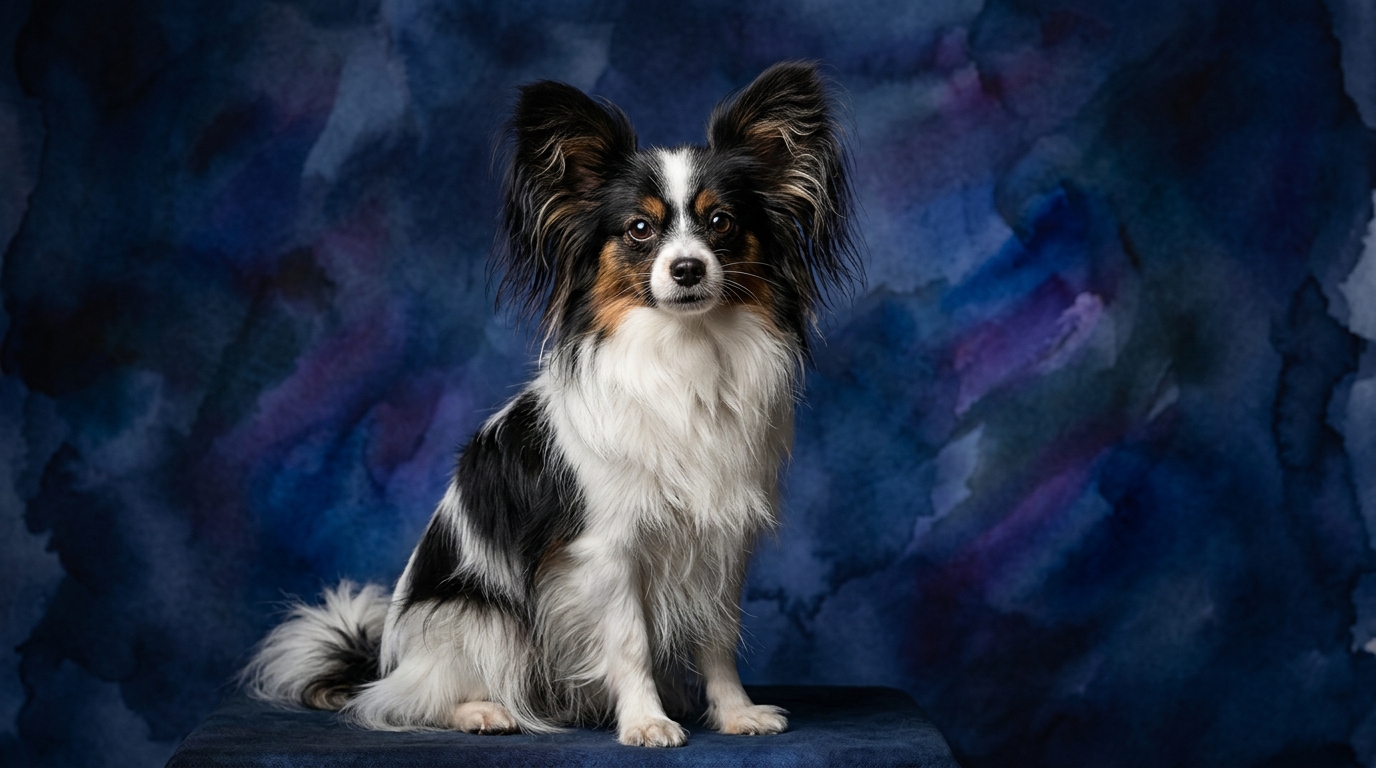
The Cosmic Pet Pet IQ Lab employs a multi-faceted approach to understanding canine cognition, evaluating breeds across five key dimensions. For the Papillon, a Toy breed with a notable Coren rank of #8, its profile paints a picture of a highly adaptive and perceptive companion. This breed scores an exceptional 5/5 in Problem Solving, indicating an innate ability to navigate complex situations and strategize solutions. Their Training Speed also reaches a perfect 5/5, suggesting rapid command acquisition and a readiness to learn. Social Intelligence is rated 4/5, reflecting a nuanced understanding of human cues and a capacity for harmonious interaction. Instinctive Drive, at 3/5, points to a moderate expression of natural dog behaviors, while Memory, at 5/5, highlights their remarkable capacity for retention of learned information and experiences.
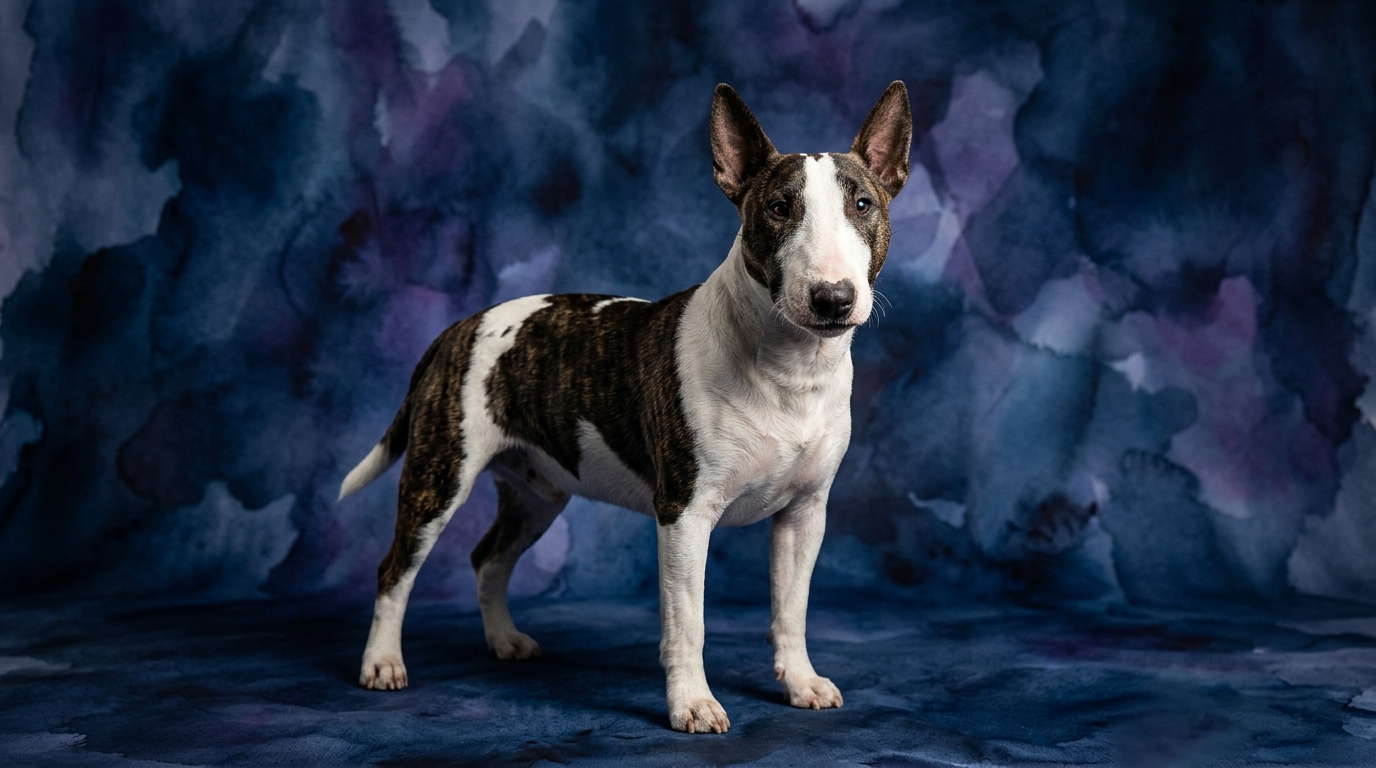
In contrast, the Miniature Bull Terrier, a robust Terrier breed that is not Coren-ranked, presents a different cognitive landscape. Across all five dimensions – Problem Solving, Training Speed, Social Intelligence, Instinctive Drive, and Memory – the Miniature Bull Terrier consistently scores 3/5. This does not imply a lack of mental capacity but rather a distinct cognitive style. A 3/5 in Problem Solving suggests they can work through challenges, often with persistence, though perhaps not with the same analytical speed as a Papillon. Their 3/5 Training Speed indicates they are trainable, but may require more consistent repetition and motivation to solidify commands. Social Intelligence at 3/5 suggests they are capable of forming strong bonds but might be less attuned to subtle social nuances, often preferring more straightforward interactions. Their 3/5 Instinctive Drive reflects a typical terrier tenacity, manifesting as a determined approach to tasks or pursuits, while a 3/5 in Memory means they retain information and routines, albeit potentially not with the same depth or complexity as a breed scoring higher in this area. This uniform scoring across categories suggests a balanced, yet uniquely terrier-driven, cognitive framework.
Where the Papillon's Mind Shines Brightest
The Papillon's cognitive strengths are undeniably impressive, particularly in the realms of Problem Solving and Memory, both rated 5/5. This breed excels at tasks requiring intricate thought and sequential understanding. Owners often observe their Papillons quickly grasping the mechanics of complex puzzle toys, figuring out how to open cabinets, or even manipulating objects to achieve a desired outcome. Their problem-solving prowess means they are not easily stumped by novel situations and often approach challenges with a strategic mindset, sometimes to their owners' delighted surprise. This cognitive agility makes them exceptional candidates for advanced obedience, agility, and even canine freestyle, where they can showcase their ability to string together multiple commands and movements seamlessly.
Complementing their problem-solving ability is their outstanding 5/5 Memory. Papillons demonstrate a remarkable capacity to recall a vast repertoire of commands, tricks, and routines, even after long periods of inactivity. This allows for a rich and varied training experience, as they rarely 'forget' what they've learned, building upon previous lessons with ease. Owners can teach them an extensive vocabulary of cues, and they will reliably retain them. This strong memory also contributes to their adaptability, as they quickly learn household rules, boundaries, and the routines of their human companions. Their social intelligence, at 4/5, further enhances their ability to quickly understand and adapt to human expectations, making them highly responsive and emotionally attuned companions.
Unpacking the Miniature Bull Terrier's Unique Cognitive Strengths
While the Miniature Bull Terrier's cognitive scores are consistently 3/5, this uniformity highlights a unique set of strengths centered around resilience, determination, and a straightforward approach to their environment. Their 3/5 in Problem Solving means they are not easily deterred by obstacles. Instead of quick, analytical solutions, Miniature Bull Terriers often employ persistent effort and physical robustness to overcome challenges. This can manifest as a tenacious drive to dig under a fence or methodically work at a toy until they achieve their goal, reflecting a certain 'bulldog' mentality that is admirable in its own right. This steadfastness means they will often see tasks through to completion, even if it requires more brute force or sustained focus.
Their 3/5 in Social Intelligence, rather than a deficit, often translates into an independent and less 'needy' companionship style. Miniature Bull Terriers form strong, loyal bonds with their chosen people but are often less concerned with the subtle social cues that might overwhelm a more sensitive breed. They appreciate clear, consistent communication and boundaries, thriving in environments where expectations are unambiguous. This can be a strength for owners who prefer a dog with a strong, self-assured personality that isn't constantly seeking validation. Their 3/5 Instinctive Drive, typical of terriers, means they possess a healthy amount of energy and a desire to engage with their surroundings, providing a robust and lively presence without being overly intense or difficult to manage for experienced owners. They are dogs of character, and their cognitive profile supports this distinct personality.
Navigating the Training Arena: Which is Easier and Why?
When it comes to ease of training, the Papillon holds a distinct advantage due to its 5/5 Training Speed and high Social Intelligence (4/5). Papillons are eager to please and possess a natural aptitude for learning, allowing them to grasp new commands and complex sequences with minimal repetition. Their responsiveness stems from their ability to quickly associate actions with rewards and their keen awareness of human body language and vocal tones. This makes them highly adaptable to various training methods, particularly positive reinforcement, and they often excel in dog sports that require precision and quick thinking. Behavioral differences include their propensity to offer behaviors or anticipate commands, making training sessions fluid and engaging. They thrive on mental stimulation and view training as an enjoyable partnership, readily engaging with their human counterparts.
The Miniature Bull Terrier, with a 3/5 Training Speed, requires a different approach. While they are certainly capable of learning, their independent and sometimes stubborn terrier nature means they may require more patience, consistency, and creative motivation. They are not as inherently driven to 'please' as a Papillon, and their learning might be slower, necessitating more repetitions before a command is fully ingrained. Behavioral differences often include a propensity to test boundaries or to follow their own instincts if a reward isn't sufficiently enticing. Successful training with a Miniature Bull Terrier often involves short, fun, and varied sessions that leverage their natural determination and a strong bond of trust. Owners must be firm, fair, and consistent, ensuring that training remains engaging and rewards are high-value to overcome their independent streak. They respond best to clear, unambiguous commands and a structured environment, where their cognitive style can flourish without frustration.
Matching Minds to Lifestyles: Active vs. Relaxed Owners
For owners seeking a mentally agile and highly responsive companion, the Papillon is an exceptional choice. Their 5/5 Problem Solving and Memory, coupled with a 4/5 Social Intelligence, mean they thrive with consistent mental stimulation. This breed suits active owners who enjoy engaging in dog sports like agility, rally obedience, or canine freestyle, or those who simply relish teaching a wide array of tricks and providing complex puzzle toys. While physically capable of brisk walks, their primary need is for mental engagement, making them adaptable to both physically active and more relaxed owners, provided their sharp minds are consistently challenged. Owners who appreciate a dog that is always 'thinking' and eager to participate in intellectual games will find a perfect match in the Papillon. Their ability to adapt quickly to new situations also makes them suitable for owners with varied routines or those who travel frequently, as long as mental exercise is a constant.
The Miniature Bull Terrier, with its balanced 3/5 scores across the board, appeals to a different kind of owner. This breed suits owners who appreciate a robust, characterful, and independent companion who approaches life with tenacity. While they require consistent training and socialization, their moderate scores mean they might not demand the same level of intricate mental problem-solving as a Papillon. Instead, they benefit from owners who can provide structured physical activity that channels their instinctive drive (3/5), such as long walks, hiking, or secure off-leash play in controlled environments. They are less about performing complex sequences and more about engaging with their world with a determined spirit. They are ideal for owners who understand and appreciate the unique terrier temperament – loyal, spirited, and sometimes headstrong – and are prepared to offer patient, consistent guidance rather than expecting instant, eager compliance. Their resilience and straightforward nature make them excellent companions for those who value a dog with a strong personality and a robust approach to life.
The Verdict
Choose the Papillon if you desire a highly responsive, quick-learning companion eager for complex mental challenges and intricate training, thriving on intellectual partnership.
Opt for the Miniature Bull Terrier if you appreciate a robust, independent spirit, value persistence in training, and seek a loyal companion with a distinctive, tenacious approach to life.
🧠 Find Your Pet's IQ Score
Our Pet IQ Lab assessment covers 25+ tests across 5 cognitive dimensions — personalized to your breed.
Take the Full IQ Test →Frequently Asked Questions
Are Papillons difficult to manage due to their high problem-solving skills?
While clever, their strong desire to please and trainability typically makes them manageable, provided they receive adequate mental engagement to prevent boredom-induced mischief. Their intelligence is a tool for connection, not a source of defiance, when channeled appropriately.
Does the Miniature Bull Terrier's moderate IQ mean they are not good companions?
Absolutely not. Their moderate scores reflect a different cognitive style, often characterized by tenacity and independence, making them devoted and characterful companions for owners who understand their unique terrier traits and provide consistent guidance. They offer a unique kind of companionship that is deeply rewarding.
Which breed is better suited for first-time dog owners?
The Papillon's eagerness to learn and high trainability generally makes them more forgiving for first-time owners willing to engage their minds with consistent positive reinforcement. The Miniature Bull Terrier, while capable, benefits from owners with some experience in positive reinforcement and managing a terrier's spirited, independent nature.