Side-by-Side IQ Profile: Papillon vs. Newfoundland
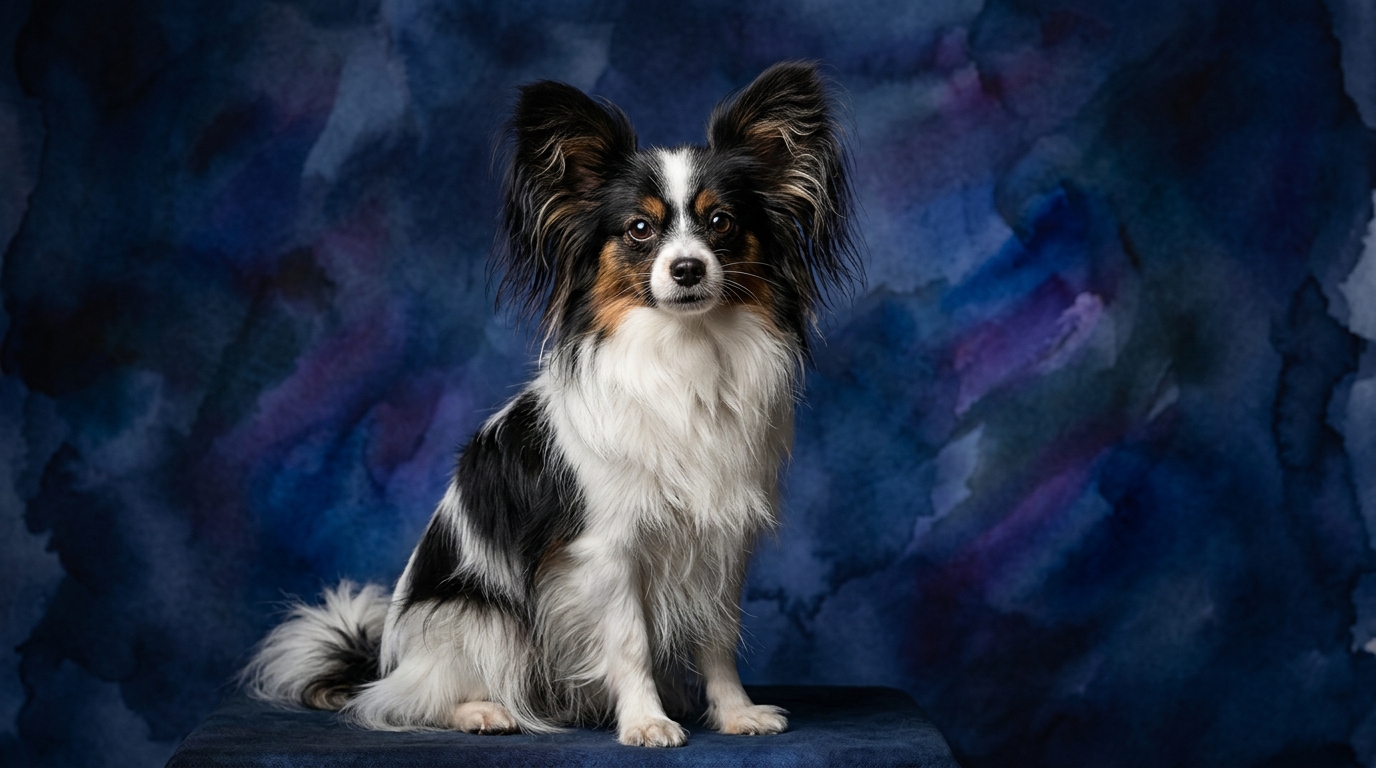
The Cosmic Pet Pet IQ Lab assesses canine cognition across five key dimensions, providing a granular view of each breed’s mental architecture. For the Papillon, a Toy breed ranking impressively at Coren #8, its profile paints a picture of sharp mental agility. It scores a perfect 5/5 in Problem Solving, indicating an exceptional capacity to navigate complex situations and deduce solutions independently. Its Training Speed also hits 5/5, reflecting rapid command acquisition and a quick grasp of new concepts. Social Intelligence is rated 4/5, suggesting a good understanding of human cues and emotional states, though perhaps not universally empathetic to the highest degree. Instinctive Drive, at 3/5, implies less reliance on inherent breed-specific tasks compared to working dogs, while Memory scores a robust 5/5, signifying excellent recall and retention of learned information.
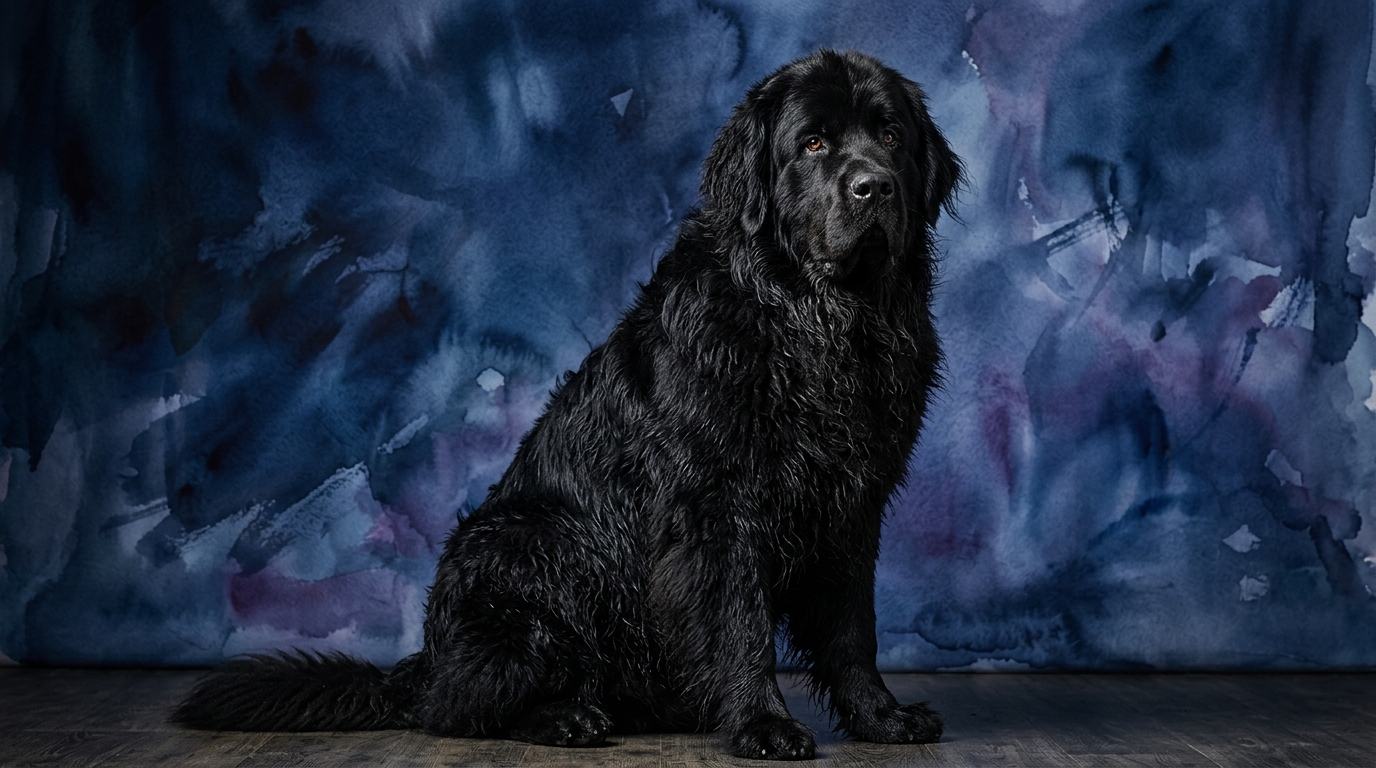
In stark contrast, the Newfoundland, a Working breed with a Coren rank of #34, presents a cognitive profile built on different strengths. Its Problem Solving is rated 3/5, meaning it can certainly solve challenges but might require more trial and error or guidance than its smaller counterpart. Training Speed stands at 4/5, indicating a solid ability to learn commands, albeit not with the lightning-fast pace of a Papillon. Where the Newfoundland truly shines is in Social Intelligence, scoring a perfect 5/5, highlighting its profound empathy and intuitive understanding of human emotions and needs. Its Instinctive Drive is also 5/5, reflecting a powerful innate desire to perform specific tasks, particularly those related to rescue and caretaking. Memory is strong at 4/5, ensuring it retains important lessons and relationships reliably, even if not with the absolute photographic precision of the Papillon.
Where the Papillon Excels Cognitively
The Papillon’s cognitive supremacy is most evident in its Problem Solving and Training Speed. A 5/5 in Problem Solving means these dogs are adept at figuring things out for themselves. Owners might observe a Papillon quickly learning to manipulate puzzle toys, opening latches, or devising novel strategies to retrieve a hidden treat. This isn't brute force; it's a mental agility that allows them to analyze a situation and formulate a solution, often with surprising efficiency. For example, if a favorite toy rolls under a piece of furniture, a Papillon is more likely to experiment with different angles or tools to retrieve it rather than simply barking in frustration.
Coupled with its 5/5 Training Speed, the Papillon becomes an exceptionally quick study. They absorb new commands, tricks, and complex routines with minimal repetition. This rapid learning curve makes them stars in obedience, agility, and even advanced trick training. An owner might introduce a new multi-step trick, and within a few short sessions, the Papillon will have it mastered, demonstrating not just memorization but an understanding of the sequence and desired outcome. Their focus and ability to connect actions with rewards are remarkably sharp, making training sessions highly productive and engaging.
Where the Newfoundland Excels Cognitively
The Newfoundland’s cognitive strengths lie in areas that often define their breed’s historical roles: Social Intelligence and Instinctive Drive. A 5/5 in Social Intelligence signifies an extraordinary capacity for empathy and understanding the emotional states of humans. These dogs possess an almost uncanny ability to sense distress, offering comfort without explicit instruction. They can read subtle shifts in human body language, tone of voice, and mood, responding with appropriate calming or supportive behaviors. This isn't just about obedience; it's about a deep, intuitive connection that makes them exceptional therapy and companion animals, often anticipating needs before they are verbalized.
Their 5/5 Instinctive Drive is equally profound, rooted deeply in their heritage as water rescue dogs and loyal guardians. This drive manifests as a powerful, inherent motivation to perform tasks, particularly those involving protection, caretaking, or assisting in water. It means a Newfoundland isn't just following commands; it's driven by a primal urge to fulfill a purpose. For instance, a Newfoundland might instinctively attempt to 'rescue' a struggling swimmer (even if they're just playing) or gently nudge a child away from perceived danger. This drive isn't trained into them from scratch; it's an innate blueprint that, when channeled through training, results in incredibly reliable and dedicated working partners, demonstrating unwavering commitment to their 'job' and family.
Which is Easier to Train, and Why?
When considering ease of training, the Papillon generally presents a faster initial learning curve. Their top scores in Training Speed (5/5) and Problem Solving (5/5) mean they grasp new commands and concepts with remarkable swiftness. They are often eager to please and highly motivated by positive reinforcement, making them ideal candidates for advanced obedience, agility, or trick training. Owners will find that a Papillon can learn a new behavior in fewer repetitions, and their smaller stature makes them physically easier to manage during early training stages. However, their intelligence can also lead to mischievousness if not consistently engaged, and their small size might tempt owners to be less rigorous with boundaries, which can lead to behavioral inconsistencies.
The Newfoundland, while scoring a respectable 4/5 in Training Speed, might take a bit longer to initially learn a new command compared to a Papillon. However, their exceptional Social Intelligence (5/5) and powerful Instinctive Drive (5/5) make them highly biddable and dedicated once a concept is understood and linked to a purpose. They respond incredibly well to bond-based training and clear, consistent instruction, valuing their connection with their human. Their inherent desire to please and their strong sense of duty mean that while the initial 'aha!' moment might be slower, the learned behavior becomes deeply ingrained and reliable. Given their immense size, early and consistent training is not just about manners but about safety, making their inherent biddability a significant advantage for managing a large, powerful dog effectively.
Suitability for Active vs. Relaxed Owners
The Papillon, despite its small size, is a breed that thrives with owners who enjoy mental engagement and moderate physical activity. Its high Problem Solving and Memory scores mean it needs regular mental stimulation through puzzle toys, training sessions, and learning new tricks to prevent boredom. While not requiring vast tracts of land, they enjoy brisk walks, fetch in a secure yard, and excel in dog sports like agility. They are well-suited for active owners who appreciate a mentally sharp companion and are prepared to dedicate time to consistent training and interactive play, even if they can also enjoy quiet moments on the lap of a relaxed owner, provided their cognitive needs are met.
The Newfoundland, with its strong Instinctive Drive and significant physical presence, is best suited for active owners who appreciate a physically robust companion and are prepared for the demands of a large dog. They require substantial outdoor exercise, particularly swimming, which aligns with their natural predispositions. Their inherent drive means they benefit from having a 'job' or purpose, whether it's regular walks, carrying a pack, or participating in water rescue training. Relaxed owners might find it challenging to adequately meet the physical and mental stimulation needs of a Newfoundland, potentially leading to boredom-related behaviors or an inability to manage their considerable strength. They need space, consistent activity, and an owner committed to harnessing their powerful instincts in a constructive manner.
The Verdict
Choose the Papillon if you seek a mentally agile, quick-learning companion eager for advanced training, tricks, and intellectual challenges in a compact package.
Opt for the Newfoundland if you desire an empathetic, deeply bonded companion with a strong sense of purpose, ideal for active outdoor lifestyles and families seeking a gentle, dedicated guardian.
🧠 Find Your Pet's IQ Score
Our Pet IQ Lab assessment covers 25+ tests across 5 cognitive dimensions — personalized to your breed.
Take the Full IQ Test →Frequently Asked Questions
Does the Papillon's small size affect its cognitive abilities?
No, the Papillon's small stature does not diminish its cognitive prowess. Its high scores in problem-solving and training speed demonstrate that size is not a limiting factor for mental agility and learning capacity in canines.
Is the Newfoundland's high instinctive drive difficult to manage?
The Newfoundland's strong instinctive drive, particularly for caretaking and water activities, is a powerful asset when channeled appropriately. Consistent positive reinforcement training from an early age is crucial to guide this drive into desirable behaviors, making them dedicated and reliable companions rather than difficult to manage.
Which breed is better for first-time dog owners?
Both breeds can be suitable for first-time owners with the right commitment, but for different reasons. The Papillon's quick learning makes training rewarding, though its intelligence requires consistent engagement. The Newfoundland's biddability and empathy are excellent, but its large size and exercise needs demand a dedicated owner prepared for a significant physical commitment.