Side-by-Side IQ Profile: Unpacking Cognitive Dimensions
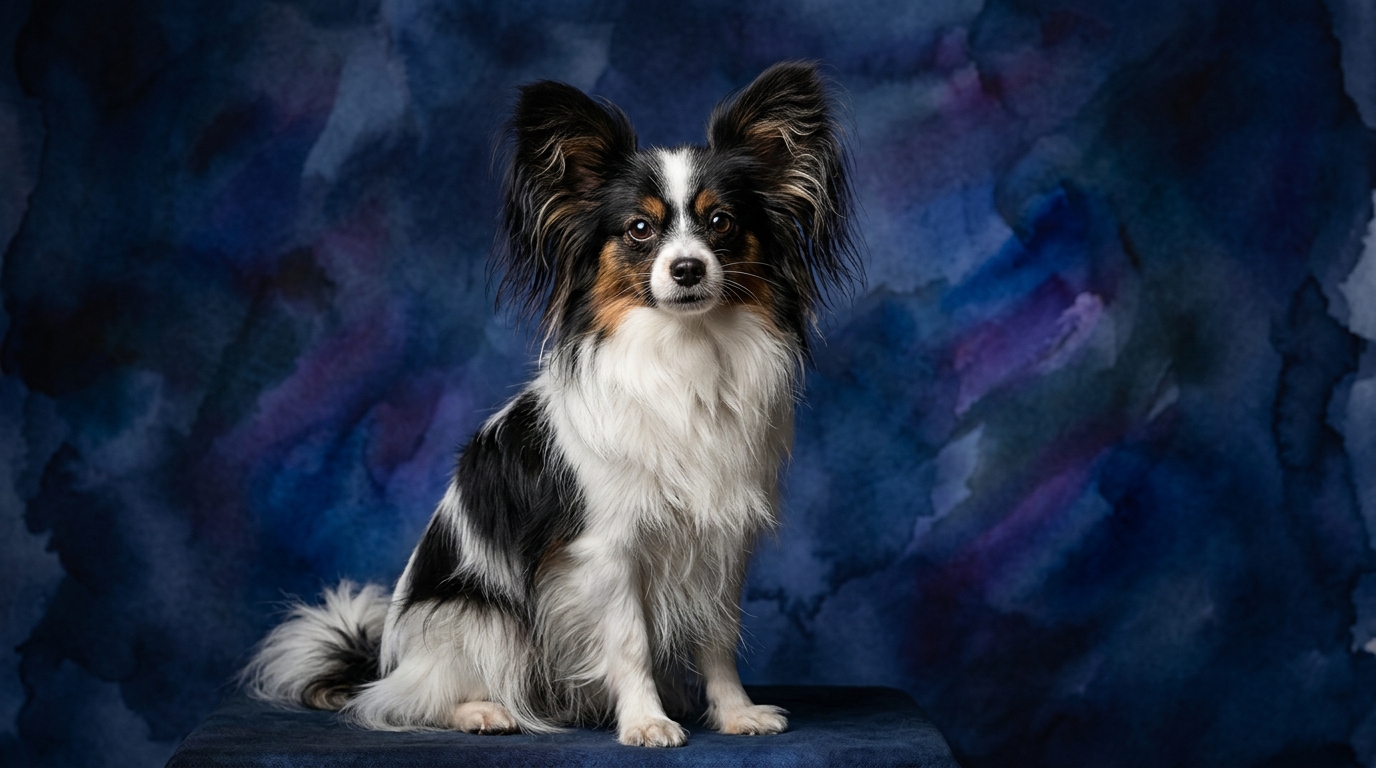
The Cosmic Pet Pet IQ Lab's assessment provides a granular look at the cognitive strengths and inclinations of the Papillon and the Pekingese across five critical dimensions. For the Papillon, ranked #8 on the Coren scale, its profile shines with exceptional scores: problem Solving 5/5, training Speed 5/5, social Intelligence 4/5, instinctive Drive 3/5, and memory 5/5. This paints a picture of a mentally agile and highly receptive companion, eager to engage with its environment and human companions.
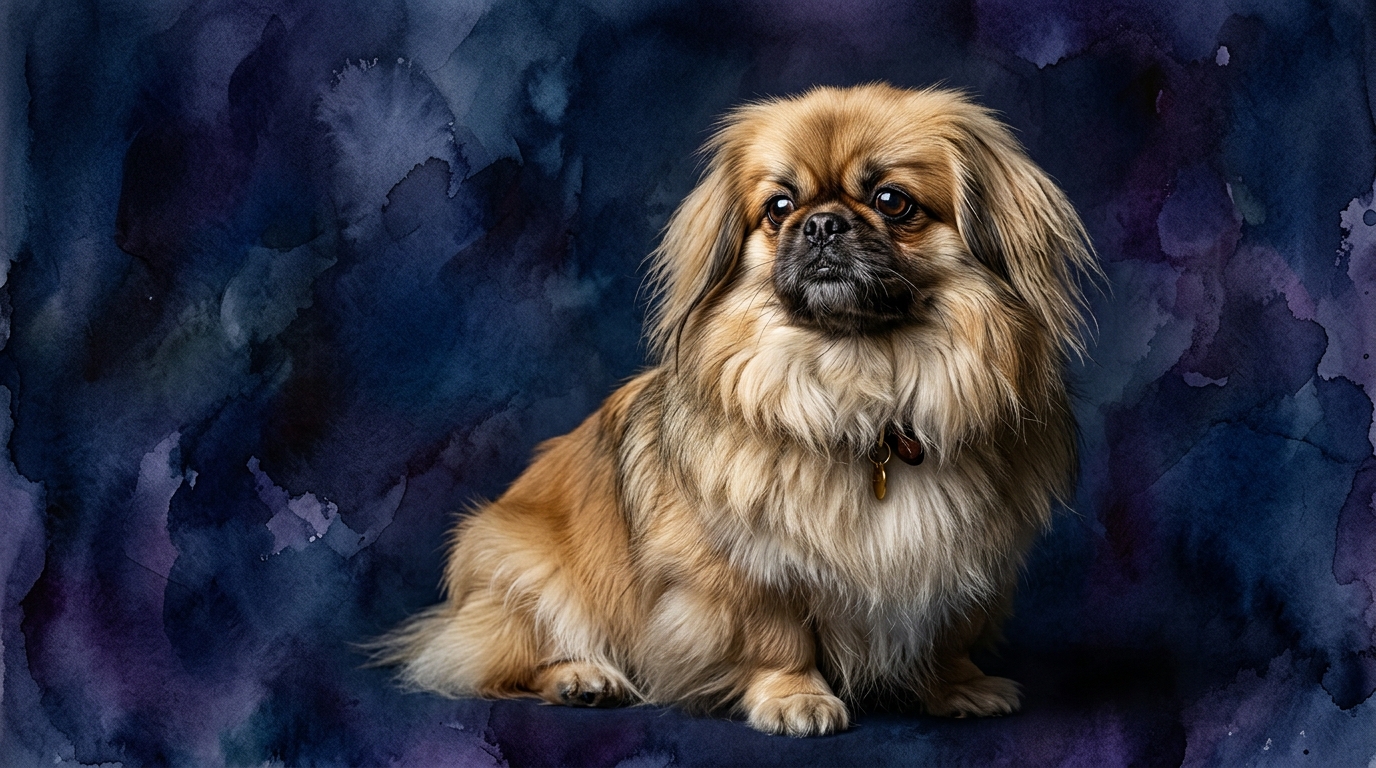
In stark contrast, the Pekingese, with a Coren rank of #77, presents a more moderate cognitive landscape. Its scores are consistently 3/5 across the board: problem Solving 3/5, training Speed 3/5, social Intelligence 3/5, instinctive Drive 3/5, and memory 3/5. While these scores indicate a perfectly capable and intelligent animal, they suggest a different approach to learning, interaction, and overall engagement compared to its more effervescent Papillon counterpart. The numerical differences underscore distinct cognitive wiring and, consequently, varying needs for mental stimulation and interaction.
Where the Papillon Excels Cognitively
The Papillon's cognitive profile showcases a breed built for mental agility and rapid learning. With a perfect 5/5 in problem Solving, these dogs demonstrate an exceptional capacity to navigate novel situations, figure out complex puzzles, and strategize to achieve desired outcomes. This isn't merely about learning tricks; it extends to understanding sequences, opening latches, or figuring out how to retrieve a hidden toy, often with minimal human guidance after initial exposure. Their mental gears are constantly turning, seeking out new challenges and intellectual engagement.
Complementing their problem-solving aptitude is an equally impressive 5/5 in training Speed and memory. Papillons absorb new commands and routines with remarkable swiftness, often requiring only a handful of repetitions to solidify a behavior. Their robust memory ensures that once learned, these commands and complex sequences are retained over long periods, making advanced obedience, agility, or even canine freestyle a natural fit. This combination of quick learning and strong retention means Papillons are not just capable of learning a lot, but they genuinely enjoy the process of mental work and mastering new skills, making them a joy for owners who relish interactive training and mental games.
Where the Pekingese's Cognitive Profile Shines Uniquely
While the Pekingese's scores are consistently moderate at 3/5 across all categories, this balanced profile offers a distinct set of advantages, particularly for owners seeking a companion with a specific temperament. Their 3/5 in problem Solving, for instance, suggests they are not prone to overthinking or constantly seeking out complex mental puzzles. This can translate into a more content and less demanding companion, perfectly satisfied with established routines and predictable environments, rather than perpetually needing new challenges to prevent boredom.
The Pekingese's moderate 3/5 in social Intelligence and instinctive Drive also contributes to a self-contained nature that some owners find immensely appealing. They are generally not driven by an intense need for constant social interaction or an overwhelming urge to 'work' or explore. This can mean a Pekingese is less likely to exhibit separation anxiety, less prone to destructive behaviors born from under-stimulation, and generally more independent in its disposition. Their cognitive make-up fosters a dignified, calm presence, where contentment is found in comfort and companionship on their own terms, rather than through constant mental exertion or social performance.
Ease of Training: A Tale of Two Temperaments
When it comes to trainability, the contrast between the Papillon and the Pekingese is quite pronounced, directly reflecting their IQ profiles. The Papillon, with its 5/5 training Speed and strong memory, is a dream to train. These dogs pick up new commands and cues with astonishing rapidity, often seeming to anticipate what's expected of them. Their high social intelligence (4/5) means they are generally keen to please and thrive on positive reinforcement and engaging interaction during training sessions. They respond well to varied training methods, from clicker training to lure-and-reward, and their strong problem-solving skills allow them to generalize learned behaviors to new contexts with ease.
The Pekingese, however, requires a different approach. With a 3/5 in training Speed and memory, consistency, patience, and repetition are paramount. They will learn, but at a slower pace, and may require more frequent refreshers. Their moderate social intelligence means they are less inherently motivated by the desire to 'perform' for their owner; instead, they often respond best to training that makes sense to them and offers immediate, high-value rewards. Owners must be prepared for a more deliberate training journey, focusing on foundational behaviors and understanding that the Pekingese's independent streak means they might choose not to comply if they don't see the immediate benefit or if the request feels arbitrary. Successful training with a Pekingese hinges on building trust and making the process enjoyable and rewarding from their perspective.
Matching Cognitive Profiles to Lifestyles: Active vs. Relaxed Owners
The distinct cognitive profiles of the Papillon and Pekingese make them suitable for very different owner lifestyles. The Papillon, with its high scores in problem-solving, training speed, and memory, thrives with active and engaged owners who are keen to provide consistent mental stimulation. These are dogs that excel in dog sports like agility, obedience, and rally, and they relish learning new tricks, puzzle toys, and interactive games. An owner who enjoys daily training sessions, varied outings, and intellectual challenges will find the Papillon to be an incredibly rewarding and responsive companion. Their moderate instinctive drive means they enjoy activity but are not overly hyperactive, making them adaptable to apartment living provided their mental needs are met.
Conversely, the Pekingese is an ideal match for more relaxed owners who appreciate a calm, independent, and predictable companion. Their consistent 3/5 scores across all cognitive dimensions suggest a dog that is content with a less demanding mental routine. While they still benefit from basic training and gentle enrichment, they don't require constant complex challenges or extensive daily mental workouts. Owners who enjoy a quiet home, appreciate a dog that is comfortable entertaining itself or simply lounging nearby, and are prepared for a companion that offers affection on its own terms, will find the Pekingese's self-possessed nature to be a perfect fit. Their lower instinctive drive also means they are generally content with moderate exercise, making them well-suited for less active households.
The Verdict
Choose the Papillon if you are an active, engaged owner who relishes interactive training, mental games, and a companion eager to learn and participate in varied activities. Their bright minds demand stimulation and thrive on partnership.
Opt for the Pekingese if you are a relaxed owner seeking an independent, dignified companion content with a predictable routine and less intense mental demands. They offer calm companionship for those who appreciate a dog on its own terms.
🧠 Find Your Pet's IQ Score
Our Pet IQ Lab assessment covers 25+ tests across 5 cognitive dimensions — personalized to your breed.
Take the Full IQ Test →Frequently Asked Questions
Are Papillons good for first-time dog owners?
Yes, Papillons can be excellent for first-time owners who are prepared to meet their significant mental stimulation and training needs. Their eagerness to learn and please makes the training process rewarding, but consistency is key to harnessing their intelligence.
Do Pekingese require a lot of physical exercise?
No, Pekingese do not require extensive physical exercise. Their moderate instinctive drive and brachycephalic (flat-faced) structure mean short, leisurely walks and indoor play are usually sufficient to keep them healthy and content, making them suitable for less active households.
How do their social needs compare?
Papillons, with a 4/5 social intelligence, are generally outgoing and thrive on interaction with their family and even friendly strangers. Pekingese, scoring 3/5, tend to be more reserved and selective in their social interactions, often preferring the company of their chosen few and maintaining a dignified distance from others.