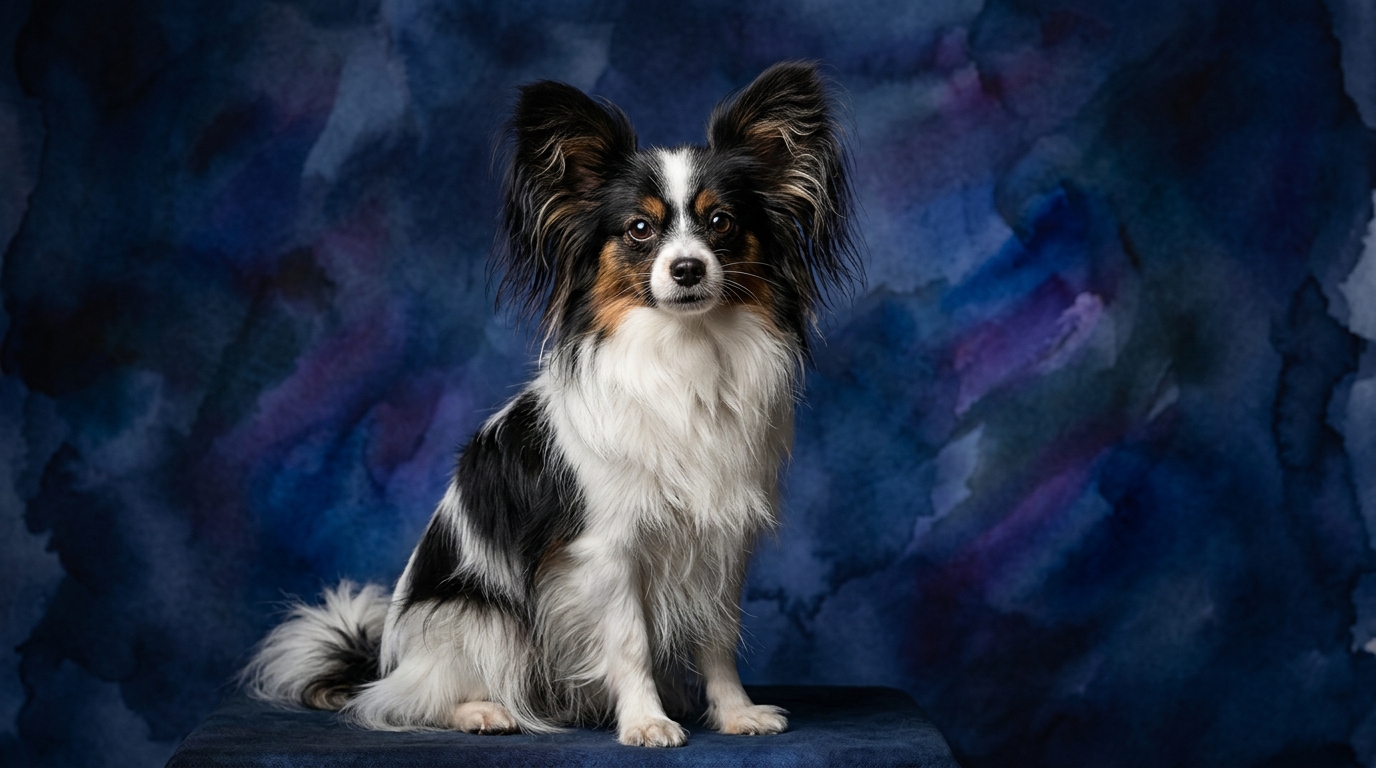

Side-by-Side IQ Profile: Papillon vs. Pointer
The Papillon, a breed often celebrated for its elegant appearance, also possesses a remarkably sharp cognitive profile, placing it among the more intellectually agile companions.
**Papillon (Toy Group)**
* **Problem Solving (5/5):** Papillons exhibit exceptional aptitude for navigating novel challenges. They quickly assess situations, devise effective strategies to achieve goals, and demonstrate a keen understanding of cause and effect. This translates to an enjoyment of complex puzzle toys and a rapid ability to learn multi-step tasks, often figuring out mechanisms with minimal human intervention.
* **Training Speed (5/5):** Their capacity for rapid acquisition of new commands and behaviors is outstanding. Papillons absorb information with impressive speed, often needing only a few repetitions to solidify a concept. This quick uptake makes them highly responsive and a pleasure to instruct, particularly in competitive obedience or agility.
* **Social Intelligence (4/5):** These small dogs are adept at interpreting human emotions and intentions. They form deep, intuitive bonds with their primary caregivers, often anticipating needs or reacting to subtle changes in mood. While generally amiable, their social circle might be more carefully curated, preferring familiar faces and interactions over constant novelty.
* **Instinctive Drive (3/5):** The Papillon's instinctive drives are moderate, generally manifesting as a desire for companionship and engagement rather than strong primal urges like hunting or herding. Their drive is often channeled into interactive play and mental activities, making them less prone to independent pursuit of external stimuli when properly stimulated.
* **Memory (5/5):** Possessing an excellent memory, Papillons retain learned commands, routines, and experiences over long periods. They rarely forget a trick or a boundary, and this robust recall contributes significantly to their training efficiency and their ability to generalize learned behaviors across different environments.
The Pointer, a breed developed for its field prowess, presents a cognitive profile built for purpose and endurance, rather than the rapid-fire mental gymnastics of some other breeds.
**Pointer (Sporting Group)**
* **Problem Solving (3/5):** Pointers approach problem-solving with a more direct and often persistent manner. While capable of learning solutions, they may rely more on established patterns and repetition rather than spontaneous, creative approaches to novel puzzles. Their strength lies in methodical application of learned techniques, particularly in tasks related to their original function.
* **Training Speed (3/5):** Pointers are steady learners who benefit immensely from consistency and clear communication. They may require more repetitions than some breeds to fully ingrain a command, but once learned, these behaviors are typically well-established. Their learning process is often systematic and reward-driven, valuing clarity over complexity.
* **Social Intelligence (3/5):** Pointers are generally friendly and even-tempered, but their social intelligence leans towards a more straightforward interpretation of human interactions. They respond well to direct commands and clear affection, perhaps less attuned to subtle emotional shifts compared to breeds with higher social intelligence scores. Their focus can often be on their task or environment.
* **Instinctive Drive (3/5):** Despite their sporting heritage, their general instinctive drive is rated as moderate. This score reflects a balanced temperament in a home setting, though their specific hunting instinct is undeniably strong. In a non-working context, their drives manifest as a need for regular exercise and opportunities to explore their surroundings using their powerful sense of smell.
* **Memory (3/5):** Pointers possess a functional memory that allows them to retain training and routines reliably. While not as prodigious as some breeds, they maintain learned behaviors with consistent reinforcement. Occasional refreshers can be beneficial to keep less frequently used commands sharp, ensuring long-term retention.
Where Papillon Wins Cognitively
The Papillon's cognitive strengths are particularly evident in its remarkable mental agility and adaptability. With a top score of 5/5 in both Problem Solving and Training Speed, they demonstrate an exceptional capacity for rapid learning and ingenious thought. This breed excels at quickly deciphering complex sequences, whether it's navigating an intricate agility course or figuring out how to open a childproof gate. Their excellent memory (5/5) allows them to build upon prior knowledge, making advanced training and learning new tricks swift and rewarding. Papillons are not just quick to learn; they are also quick to apply their understanding in diverse situations, showcasing a flexible intellect that thrives on novelty and intellectual challenge. Their social intelligence, at 4/5, also means they are particularly attuned to human cues, which further enhances their trainability and ability to integrate seamlessly into a human household, often anticipating their owner's next move.
Where Pointer Wins Cognitively
While the Pointer's cognitive scores are generally moderate, their strengths lie in areas crucial for their historical purpose: sustained focus, methodical execution, and physical endurance integrated with task orientation. A Pointer’s 3/5 in Problem Solving might suggest less spontaneous creativity, but it underpins a valuable trait: reliability in learned tasks. Once a Pointer understands a command or a routine, they execute it with unwavering consistency, particularly in environments where distractions are common. Their moderate Training Speed (3/5) means they benefit from clear, repetitive instruction, which builds a strong foundation for dependable performance in the field or in structured obedience. The Pointer's cognitive profile supports a steadfast, unflagging approach to their work, emphasizing endurance and a direct engagement with their environment rather than intricate mental gymnastics. Their moderate social intelligence ensures they are not overly sensitive to subtle human emotions, allowing them to remain focused on a task with direct guidance.
Which is Easier to Train and Why
Without question, the Papillon proves to be the easier breed to train, largely due to its exceptional Problem Solving (5/5), Training Speed (5/5), and Memory (5/5) scores. Papillons grasp new concepts with astonishing rapidity, often requiring only a handful of repetitions to solidify a command. Their quick minds actively seek engagement, making them highly responsive to positive reinforcement and eager participants in training sessions. They enjoy the mental challenge of learning, and their excellent memory ensures that once a behavior is learned, it is retained long-term, requiring minimal refreshers. Conversely, the Pointer, with 3/5 in Training Speed and Memory, requires a more patient and consistent approach. While capable learners, they benefit from structured, repetitive sessions to fully internalize commands. Their learning style is more methodical, and trainers may need to break down tasks into smaller, more manageable steps, relying on clear, consistent cues and rewards to build reliable responses. The Pointer's behavioral differences include a greater need for physical outlets before training, as their energy can sometimes override their focus on cognitive tasks.
Which Suits Active Owners vs. Relaxed Owners
The Papillon, despite its small stature, genuinely thrives with owners who enjoy an active mental lifestyle. Their 5/5 in Problem Solving and Training Speed means they need consistent mental engagement through interactive games, learning new tricks, or participating in dog sports like agility or obedience. While they can enjoy relaxed indoor time, a Papillon with an unexercised mind can become bored, potentially leading to unwanted behaviors. They suit owners who are eager to provide daily intellectual stimulation and varied activities, rather than just physical exercise. In contrast, the Pointer is unequivocally suited for highly active owners who can meet its substantial physical demands. Their moderate instinctive drive (3/5) combined with their sporting heritage means they require extensive daily exercise, long walks, runs, or opportunities for scent work and field exploration. While they can be calm indoors after sufficient activity, their cognitive profile, which supports endurance and task focus, means they are happiest when given a "job" that involves covering ground and using their senses outdoors. A relaxed owner who cannot provide these outlets would likely find a Pointer restless and unfulfilled.
The Verdict
For individuals seeking a highly interactive and mentally agile companion eager to learn complex tasks, excel in puzzle-solving, and thrive on consistent intellectual engagement, the Papillon is an ideal choice, suitable for diverse dog sports and adaptable living environments.
For dedicated owners who relish extensive outdoor activities, desire a steadfast and enduring companion for long excursions, and appreciate a dog whose cognitive strengths align with consistent work and focused exploration in natural settings, the Pointer will be a deeply rewarding partner.
🧠 Find Your Pet's IQ Score
Our Pet IQ Lab assessment covers 25+ tests across 5 cognitive dimensions — personalized to your breed.
Take the Full IQ Test →Frequently Asked Questions
Do Papillons require a lot of mental stimulation?
Yes, with 5/5 in problem-solving and memory, Papillons thrive on mental challenges. Daily puzzle toys, learning new tricks, and interactive games are crucial to keep their quick minds engaged and prevent boredom-related behaviors, ensuring they remain well-adjusted companions.
How does a Pointer's instinctive drive manifest in daily life?
While rated 3/5 overall, a Pointer's historical role means they possess a strong drive for scent work and covering ground. This translates to a need for ample physical exercise and opportunities to explore with their nose, often leading them to be highly engaged by outdoor environments and new smells.
Can a Papillon adapt to a busy household with many people?
A Papillon's social intelligence at 4/5 suggests they can adapt well to varied social environments, forming strong bonds with family members. Early and positive socialization helps them navigate interactions, though they may still develop closer relationships with a select few within the household.