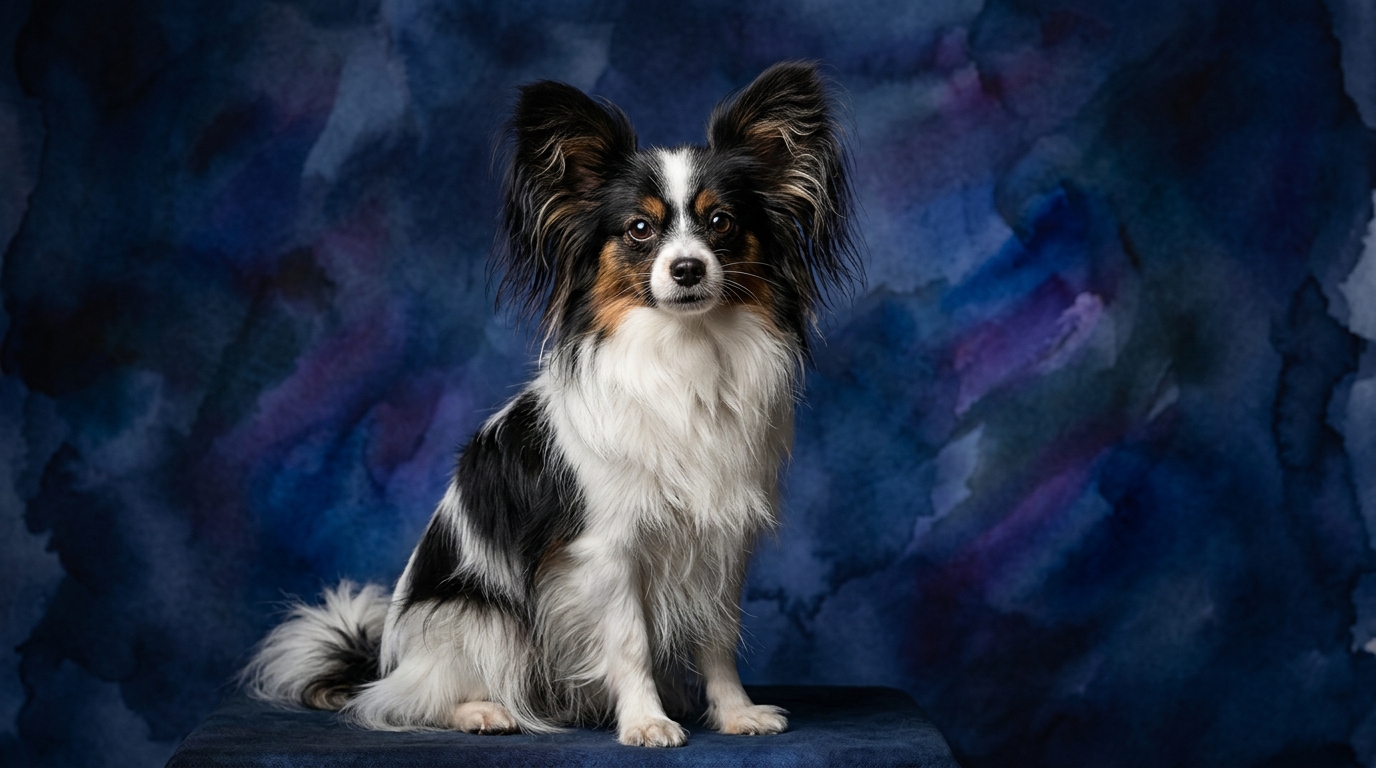
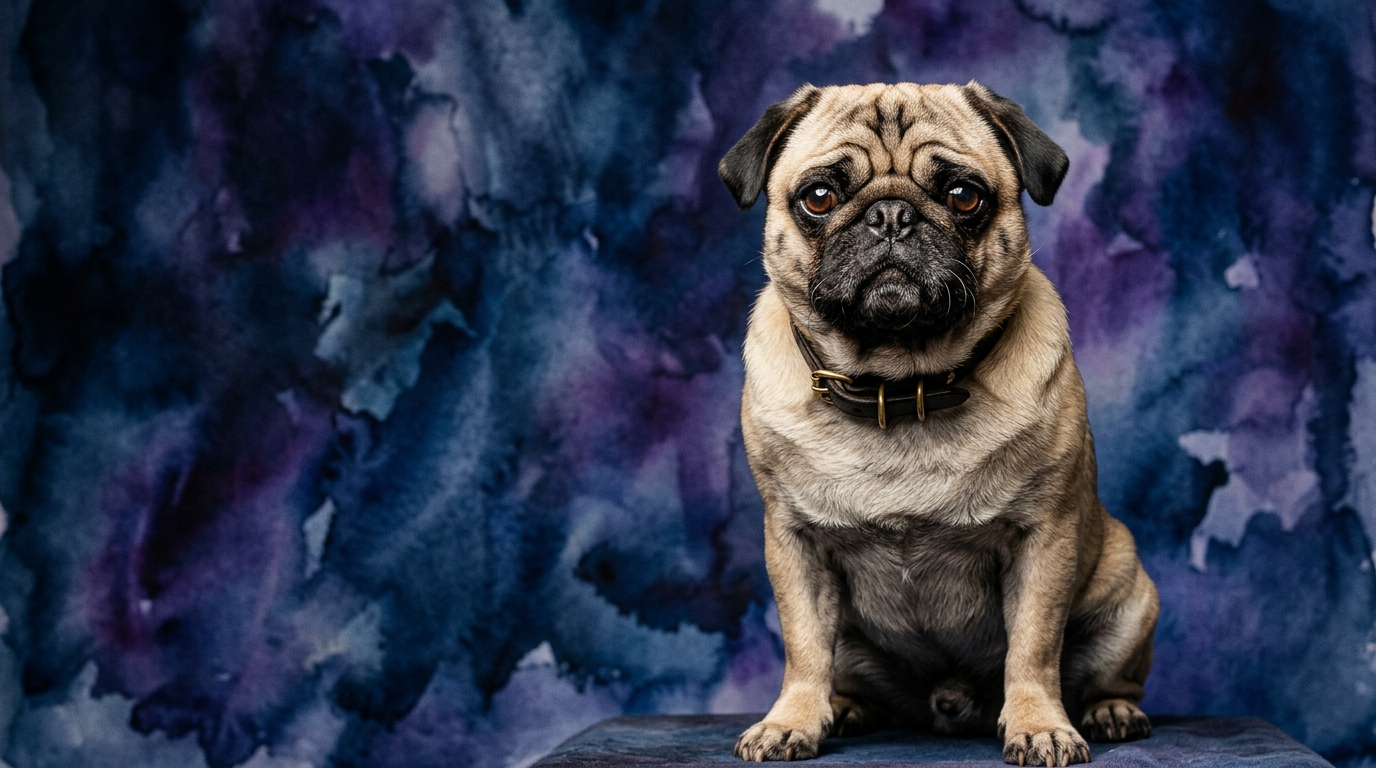
The Cosmic Pet Pet IQ Lab: Papillon vs. Pug Cognitive Blueprints
At The Cosmic Pet Pet IQ Lab, we analyze canine intelligence across five key dimensions, revealing distinct cognitive profiles. Understanding these facets helps us appreciate the unique mental strengths of each breed.
**Problem Solving:** The Papillon (5/5) exhibits an exceptional capacity for independent thought, rapidly analyzing situations and devising effective solutions to challenges. They are quick to figure out complex puzzle toys or navigate new environments, consistently seeking intellectual engagement. In contrast, the Pug's (2/5) approach to problem-solving is less analytical, typically relying on established routines or human assistance. Their lower score suggests they may take longer to independently deduce solutions, often preferring to charm their way to a desired outcome rather than systematic deduction.
**Training Speed:** Papillons (5/5) demonstrate remarkable alacrity in acquiring new commands and behaviors, often grasping concepts in just a few repetitions. This rapid learning curve makes them highly responsive to training and eager participants in mastering complex sequences or advanced tricks. Pugs (2/5) require a more patient and consistent approach to training, as their slower processing speed for new information necessitates more frequent repetition. While willing, their motivation often hinges on immediate rewards, making positive reinforcement crucial for effective learning.
**Social Intelligence:** Papillons (4/5) possess a keen awareness of human emotions and social cues, adapting their behavior appropriately within a household. They form strong bonds with primary caregivers and are sensitive to mood shifts, though their social circle might be more selective. Pugs (5/5) are masters of social engagement, demonstrating an unparalleled ability to connect with humans and navigate social dynamics. Their superior score reflects profound attunement to emotional nuances, making them incredibly empathetic and skilled at using expressive cues to communicate needs and solicit affection.
**Instinctive Drive:** The Papillon (3/5) retains a moderate level of instinctive drive, particularly a curiosity for their surroundings and a moderate prey drive. This manifests as enjoyment in exploring, chasing small objects, and enthusiasm for activities mimicking hunting or tracking, making them suitable for agility. Pugs (2/5) exhibit a relatively low instinctive drive, having been selectively bred as companion dogs away from strong hunting or territorial instincts. They are generally less inclined to independently explore or chase, with their primary instinct being to seek comfort and close proximity to humans.
**Memory:** The Papillon's (5/5) memory is exceptional, allowing them to retain a vast repertoire of commands, tricks, and routines over long periods with minimal refreshers. This robust memory contributes significantly to their high trainability and capacity for advanced learning. Pugs (3/5) possess a functional memory for daily routines and frequently practiced commands, but their retention might not be as immediate or enduring as breeds with higher scores. Less frequently reinforced behaviors may require refreshers, though they remember their people and places well.
Where Papillon Wins Cognitively
When it comes to pure cognitive horsepower, the Papillon clearly demonstrates an edge in areas demanding analytical thought and rapid acquisition of knowledge. Their top scores in problem-solving and training speed mean they consistently outshine the Pug in tasks requiring quick intellectual processing and independent deduction. A Papillon can rapidly learn a complex obedience routine, string together multiple steps to solve a puzzle, or adapt to new training methodologies with remarkable ease. Their superior memory ensures that once a concept is grasped, it's rarely forgotten, making them exceptionally reliable in executing learned behaviors. This breed's mental agility makes them prime candidates for advanced dog sports like agility, rally obedience, and even competitive trick training, where their ability to think on their feet and recall intricate sequences is a significant asset.
Where Pug Wins Cognitively
While the Papillon excels in intellectual challenges, the Pug truly shines in the realm of social and emotional cognition. Their perfect score in social intelligence underscores their profound ability to understand and respond to human emotions, making them unparalleled companions. A Pug can often sense a shift in mood, offering comfort or initiating playful interaction with uncanny accuracy. They are masters of using subtle cues – a tilt of the head, a soft snort, a soulful gaze – to communicate their desires and elicit desired responses from their humans. This isn't just charming; it's a sophisticated form of social manipulation born from deep empathy and an intrinsic understanding of the human-animal bond. Their strength lies in their capacity for unwavering loyalty and their ability to forge incredibly deep, almost telepathic, connections, making them highly attuned emotional support animals.
Which is Easier to Train and Why
Based on The Cosmic Pet Pet IQ Lab's metrics, the Papillon is undeniably the easier breed to train. Their 5/5 scores in both training speed and memory mean they absorb new commands with impressive swiftness and retain them with minimal effort. They possess an inherent desire to engage their minds and often view training as an enjoyable game, making them eager and cooperative students. A Papillon can master complex sequences of tricks or advanced obedience commands in a fraction of the time it might take other breeds, thriving on the mental stimulation and positive reinforcement. In contrast, the Pug, with a 2/5 training speed, requires a more deliberate and patient approach. They are not stubborn, but their cognitive processing for new tasks is slower, necessitating more repetitions and consistency. Training a Pug is more about building a strong, positive relationship and finding high-value motivators, typically treats and lavish praise, rather than relying on their innate drive for intellectual challenge. Their superior social intelligence means they respond well to positive reinforcement delivered by their beloved human, but the learning curve for complex behaviors will be longer, and sessions need to be kept short and fun to maintain their engagement.
Which Suits Active Owners vs. Relaxed Owners
The distinct cognitive profiles of the Papillon and Pug naturally align with different owner lifestyles. The Papillon, with its high problem-solving ability, rapid training speed, and moderate instinctive drive, is an ideal match for active owners who relish mental engagement and physical activity. These dogs thrive when given opportunities to learn new skills, participate in dog sports like agility or rally, or simply accompany their humans on adventurous outings that stimulate their curious minds. Their cognitive agility often pairs with a sprightly physical energy, making them excellent partners for an owner who enjoys an engaged, dynamic relationship. Conversely, the Pug, with its top-tier social intelligence and lower scores in problem-solving and instinctive drive, is perfectly suited for more relaxed owners who prioritize companionship and comfort. Pugs are content with a comfortable lap, short, leisurely strolls, and abundant affection. Their primary desire is to be close to their people, offering unwavering loyalty and emotional support. They don't demand constant mental challenges or extensive physical exertion, making them wonderful companions for individuals or families seeking a devoted, low-key, and charming presence in their home.
The Verdict
For owners seeking a mentally agile companion who thrives on learning, problem-solving, and engaging in complex activities, offering a dynamic and responsive partnership, the Papillon is an excellent choice.
For those valuing profound emotional connection, a consistent charming demeanor, and a companion content with a relaxed pace and abundant affection, the Pug will be a perfect fit.
🧠 Find Your Pet's IQ Score
Our Pet IQ Lab assessment covers 25+ tests across 5 cognitive dimensions — personalized to your breed.
Take the Full IQ Test →Frequently Asked Questions
Do Papillons require a lot of mental stimulation?
Yes, Papillons, with their high problem-solving and memory scores, benefit greatly from regular mental challenges like puzzle toys, learning new tricks, and engaging in canine sports. This prevents boredom and keeps their quick minds engaged, ensuring they remain happy and well-behaved companions.
Are Pugs difficult to train?
Pugs aren't "difficult" in the sense of being stubborn, but their training speed is slower, meaning they require more patience, consistency, and positive reinforcement. Short, fun sessions focused on treats and praise are most effective for their social nature, and they excel at learning routines when motivated by their beloved humans.
How do their social intelligences differ in daily life?
A Papillon's social intelligence means they'll likely read your mood well and adapt, offering comfort or playful interaction at appropriate times. A Pug's superior social intelligence makes them master manipulators of affection, adept at charming you into providing comfort or attention with their expressive faces and gestures, often seeking close physical contact.