Side-by-Side IQ Profile: Papillon vs. Pumi
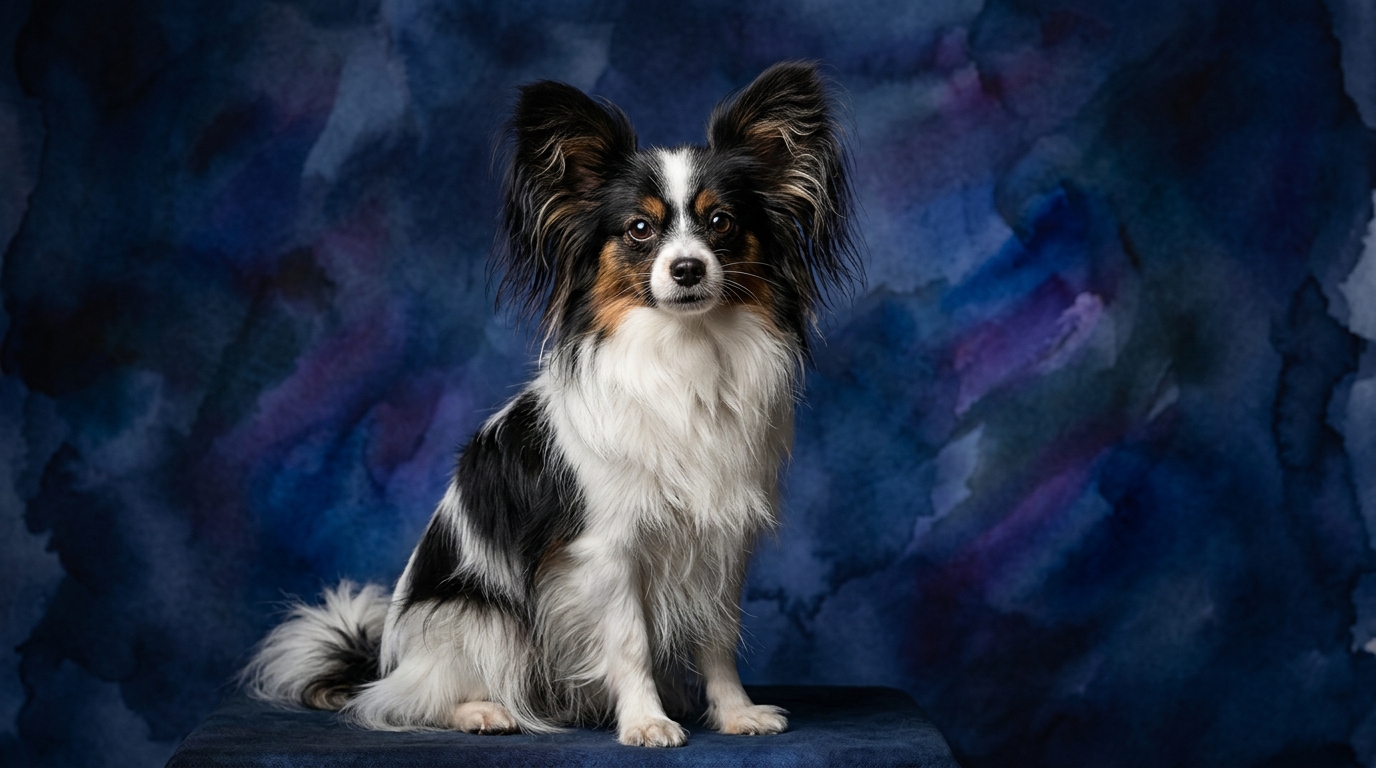
The Papillon, a Toy breed, stands out with impressive scores across the board, reflecting its status as a highly capable companion. Its Problem Solving ability is rated an exceptional 5/5, indicating a dog that readily figures out complex tasks and navigates new situations with ease. Training Speed also scores a perfect 5/5, meaning new commands are grasped almost immediately, making it a joy to teach. Social Intelligence comes in at a strong 4/5, suggesting a keen awareness of human cues and adaptability in varied social settings. Its Instinctive Drive is a moderate 3/5, providing enough motivation for engagement without being overwhelming, and its Memory is an outstanding 5/5, ensuring long-term retention of learned behaviors and experiences.
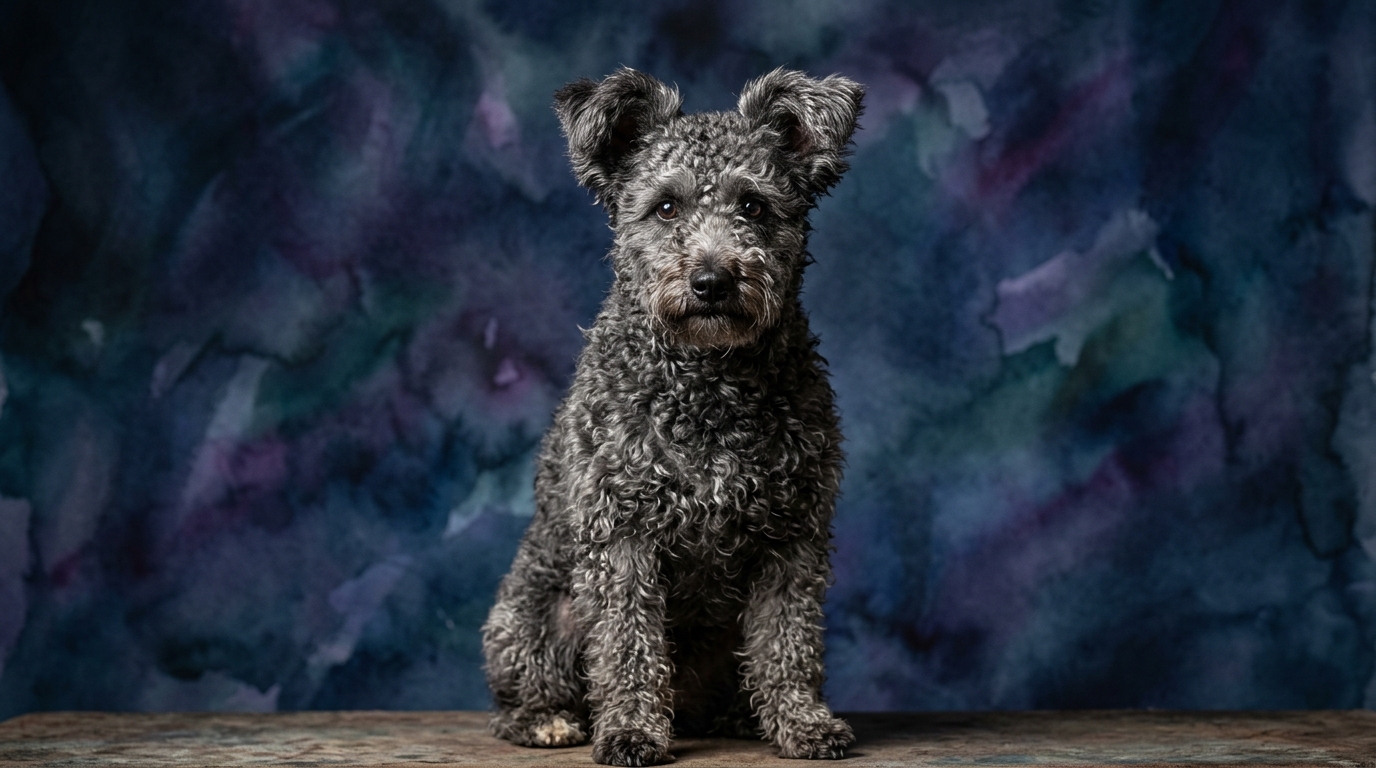
In contrast, the Pumi, a Herding breed, presents a more uniformly balanced cognitive profile, with all five dimensions rated at 3/5. Its Problem Solving capacity at 3/5 indicates it is competent but may require more guidance or repetition to master new challenges compared to the Papillon. Training Speed, also 3/5, means the Pumi learns at a steady, deliberate pace rather than with lightning quickness. Social Intelligence at 3/5 suggests a dog that is generally polite and cooperative, but perhaps more task-focused or reserved than overtly social. An Instinctive Drive of 3/5 is perfectly suited for its herding role, providing consistent motivation for work without being excessively intense. Finally, its Memory at 3/5 shows adequate retention of information, though perhaps not with the same precision or longevity as a breed scoring higher in this category.
Where the Papillon Wins Cognitively
The Papillon’s cognitive strengths are undeniably rooted in its exceptional aptitude for rapid learning and complex thought. With a perfect 5/5 in Problem Solving, this breed demonstrates an innate ability to assess situations, strategize, and execute solutions, whether it’s figuring out how to open a treat-dispensing puzzle or navigating an agility course. This cognitive agility allows them to quickly adapt to novel environments and challenges, often with minimal prompting. Complementing this is their 5/5 Training Speed, meaning new commands, tricks, and routines are absorbed almost instantly. This quick uptake makes the Papillon a prime candidate for advanced obedience, freestyle, and competitive dog sports, where intricate sequences and precise execution are paramount. Furthermore, its 5/5 Memory ensures that once a lesson is learned, it's retained with remarkable fidelity, building a vast repertoire of understood cues and experiences that contribute to its overall responsiveness and versatility.
Where the Pumi Wins Cognitively
While the Pumi doesn't outscore the Papillon in any individual cognitive dimension, its balanced '3/5' profile across problem-solving, training speed, social intelligence, instinctive drive, and memory presents a unique cognitive advantage tailored to its heritage. The Pumi's strength lies in its practical, resilient application of its moderate intelligence, particularly its consistent instinctive drive. This breed excels in sustained focus and independent decision-making required for herding, where a dog must assess dynamic situations, manage livestock, and adapt without constant human directives. Its social intelligence, while not as effusive as a Papillon's, is sufficient for cooperation, yet allows for a more task-oriented mindset, preventing over-reliance on handler cues in demanding work environments. The Pumi's memory is robust enough to retain complex sequences of tasks and environmental layouts, crucial for effective herding over varied terrain and with different flocks. This breed’s cognitive makeup prioritizes enduring functionality and self-reliance over flashy quickness, making it a dependable working partner.
Which is Easier to Train and Why
When it comes to ease of training, the Papillon holds a distinct advantage due to its exceptional 5/5 Training Speed and 5/5 Memory. These traits mean a Papillon will pick up new commands and behaviors almost immediately and retain them reliably over time. Their high social intelligence (4/5) also plays a crucial role; they are often eager to please and highly responsive to human cues and positive reinforcement, making training sessions engaging and productive. A Papillon typically thrives on interaction and mental challenges, quickly understanding what is expected of them and performing with precision.
The Pumi, with its 3/5 Training Speed and 3/5 Memory, requires a more patient and consistent approach. While certainly capable of learning, they are not as rapid in their acquisition of new skills. Their herding background fosters a degree of independence and self-direction, meaning they might not always be as inherently focused on pleasing their handler as a Papillon. Training a Pumi often involves harnessing its instinctive drive and channeling it into desired behaviors, which can require more ingenuity and persistence from the owner. Real behavioral differences include the Papillon's readiness to engage in intricate trick training versus the Pumi's preference for purposeful, repeatable tasks that align with its working nature.
Which Suits Active Owners vs. Relaxed Owners
When considering lifestyle fit, both breeds lean towards owners who appreciate engagement, though the nature of that engagement differs. The Papillon, despite its toy designation, is far from a couch potato; its 5/5 problem-solving and memory scores demand consistent mental stimulation. Owners who enjoy teaching intricate tricks, participating in dog sports like agility or obedience, or providing puzzle toys and interactive games will find the Papillon a joyous, mentally agile partner. While it can adapt to apartment living, its need for mental exercise is paramount, making it suitable for active owners who prioritize brain games over purely physical exertion, although daily walks are still a must.
Conversely, the Pumi, with its herding background and consistent 3/5 instinctive drive, requires a more robust and physically demanding outlet. This breed thrives with owners who are prepared for extensive daily exercise, whether through long hikes, vigorous play, or ideally, participation in herding trials or other physically taxing dog sports. Its cognitive profile, while not as flashy, is geared towards sustained effort and purposeful work, making it less suited for a purely relaxed, low-activity household. A Pumi owner needs to be an active participant in their dog's physical and mental exertion, channeling that inherent drive into constructive activities.
The Verdict
Choose the Papillon if you seek a highly trainable, mentally agile companion for dog sports, intricate tricks, and close, responsive interaction, thriving on mental challenges and quick learning.
Choose the Pumi if you desire a resilient, focused working partner who thrives on purposeful activity and requires consistent physical and mental engagement, appreciating its independent, task-oriented nature.
🧠 Find Your Pet's IQ Score
Our Pet IQ Lab assessment covers 25+ tests across 5 cognitive dimensions — personalized to your breed.
Take the Full IQ Test →Frequently Asked Questions
Is the Pumi difficult to train?
The Pumi is not inherently difficult to train, but its 3/5 training speed means it learns at a more deliberate pace than some breeds. Consistency, patience, and engaging its natural working drives are key to successful training.
Do Papillons need a lot of exercise?
Papillons require significant mental exercise due to their high problem-solving and memory scores, often more than physical exertion. While daily walks are necessary, they truly thrive on trick training, puzzle toys, and dog sports like agility.
Which breed is better for first-time dog owners?
For a first-time dog owner, the Papillon might be an easier choice due to its rapid training speed and strong social intelligence, making it generally more forgiving and responsive. The Pumi's independent herding drive can be more challenging to manage without prior experience.