Side-by-Side IQ Profile
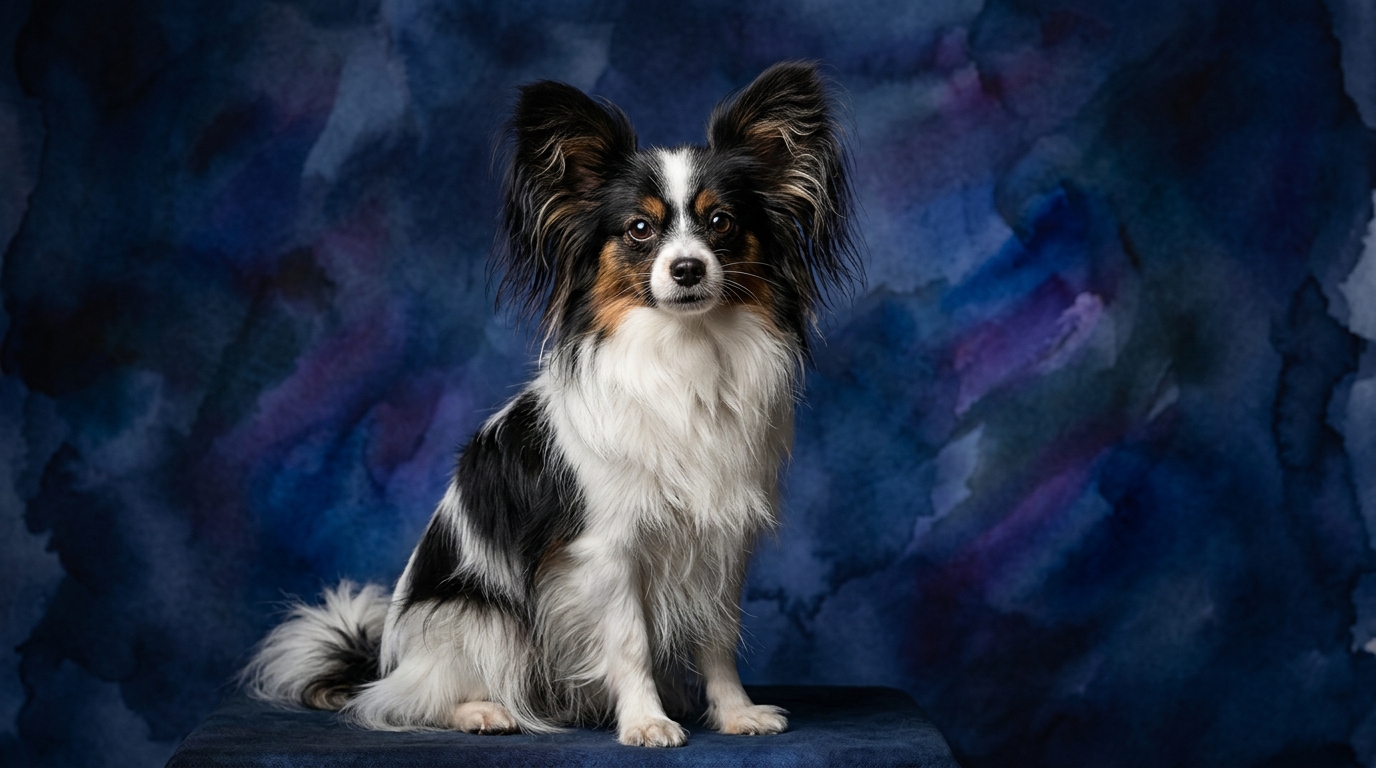
**Papillon**
**Problem Solving (5/5)**: These dogs often demonstrate remarkable ingenuity in navigating complex environments or figuring out how to access desired objects, showcasing a rapid ability to devise solutions.
**Training Speed (5/5)**: Papillons typically grasp new commands and routines with extraordinary swiftness, requiring minimal repetitions to solidify learning.
**Social Intelligence (4/5)**: They exhibit a keen awareness of human emotions and intentions, often adapting their behavior to social cues and forming strong, perceptive bonds.
**Instinctive Drive (3/5)**: While possessing some inherent drives, particularly those related to companionship and alertness, their primary motivations are not heavily rooted in complex working tasks.
**Memory (5/5)**: Papillons possess an exceptional capacity to recall learned behaviors, routines, and specific people or places over extended periods.
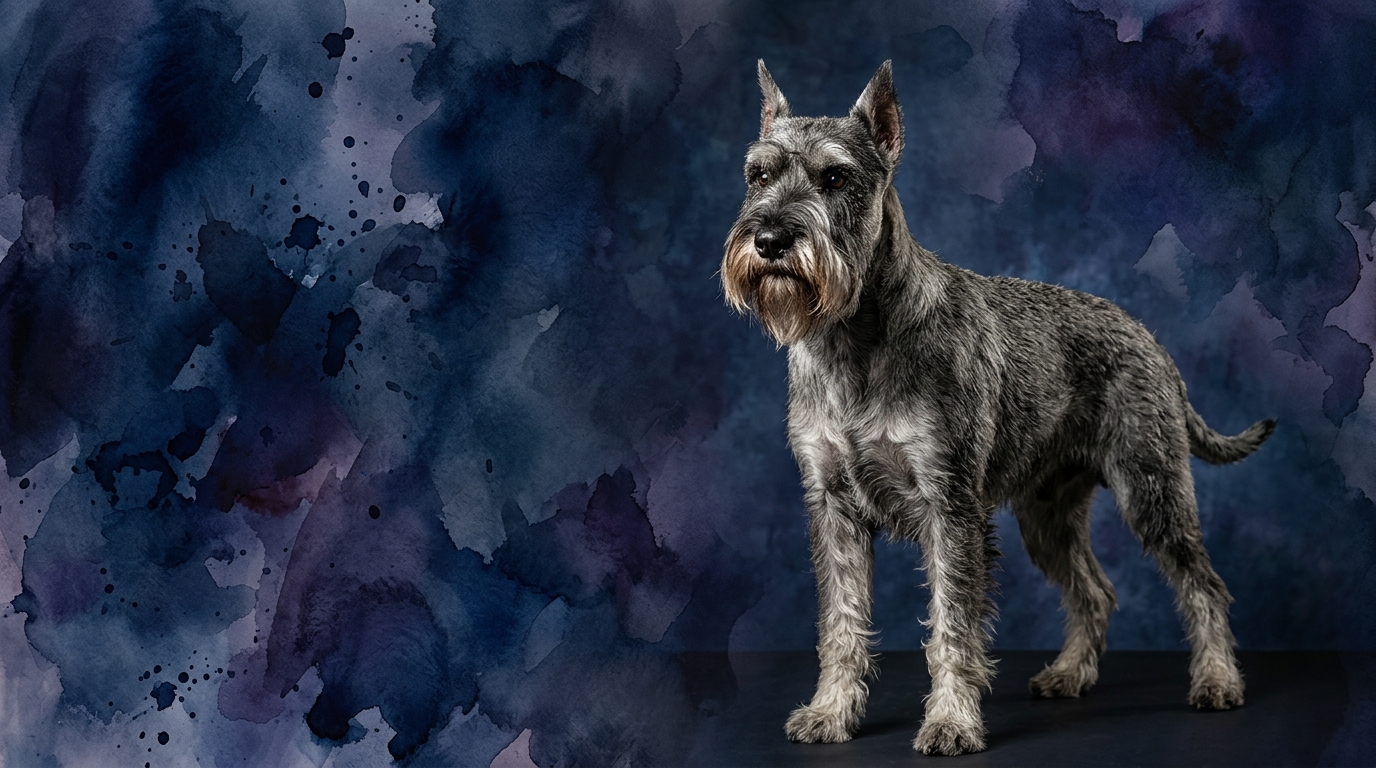
**Standard Schnauzer**
**Problem Solving (4/5)**: Standard Schnauzers display a strong aptitude for tackling challenges, often employing a systematic and determined approach to overcome obstacles.
**Training Speed (4/5)**: They acquire new skills and commands effectively, typically requiring consistent but not excessive repetition to achieve proficiency.
**Social Intelligence (3/5)**: These dogs recognize social hierarchies and human expectations, though they might be more reserved in their emotional responses compared to some breeds.
**Instinctive Drive (3/5)**: Their inherent drives lean towards guarding, herding, and companionship, providing a solid foundation for structured tasks.
**Memory (4/5)**: Standard Schnauzers retain information well, remembering training cues, boundaries, and past experiences with good reliability.
Where Papillon Wins Cognitively
The Papillon's cognitive profile truly shines in areas demanding mental agility and rapid assimilation of information. Its perfect 5/5 scores in Problem Solving, Training Speed, and Memory indicate a profound capacity for quick learning and retention. A Papillon might, for instance, figure out a new puzzle toy's mechanism in mere moments, or master a complex multi-step trick after only a handful of repetitions. Their exceptional memory means that once a behavior is learned, it is deeply ingrained, making retraining rarely necessary. Furthermore, their 4/5 Social Intelligence allows them to pick up on subtle human cues, often anticipating their owner's next move or mood, fostering a highly responsive interaction that feels intuitive and deeply connected. This breed excels in environments where quick wit and adaptability are paramount, making them stellar candidates for advanced obedience, agility, or even trick training.
Where Standard Schnauzer Wins Cognitively
While the Standard Schnauzer's scores might be numerically lower in some categories, its cognitive strengths are uniquely suited for tasks requiring tenacity, practical application, and a certain robust independence. Its 4/5 Problem Solving isn't about lightning speed but rather a persistent, methodical approach. A Schnauzer faced with a challenge, like finding a hidden object, will likely systematically search and experiment until the solution is found, demonstrating admirable determination rather than immediate insight. Their 4/5 Training Speed, combined with their instinctive drive, means they are highly capable of learning and executing complex sequences of commands with precision, especially when those tasks align with their working heritage. This practical intelligence, coupled with a good memory (4/5), makes them particularly adept at retaining and applying skills relevant to real-world scenarios, such as tracking, guarding, or even advanced scent work, where sustained focus and a resilient mindset are more valuable than pure speed of comprehension.
Which Is Easier to Train and Why
Based on their respective IQ profiles, the Papillon generally presents as the easier breed to train. Their perfect 5/5 in Training Speed means they absorb new commands and behaviors with remarkable alacrity, often requiring fewer repetitions than many other breeds. This rapid learning curve makes initial training sessions incredibly rewarding and efficient. Coupled with their 4/5 Social Intelligence, Papillons are typically eager to please and highly attuned to their trainer's feedback, making them responsive and cooperative pupils. The Standard Schnauzer, with a 4/5 Training Speed, is still a very capable learner, but they might require a slightly more consistent and patient approach. Their 3/5 Social Intelligence suggests they might be a bit more independent or less overtly focused on their trainer's every subtle cue, potentially needing clearer communication and a stronger motivation to engage fully. While they can achieve high levels of training, the process might feel more like a deliberate partnership rather than the almost intuitive dance often experienced with a Papillon. For an owner prioritizing quick results and effortless learning, the Papillon holds an edge.
Which Suits Active Owners vs. Relaxed Owners
For truly relaxed owners seeking a companion that thrives on minimal structured activity, neither breed is an ideal match, as both possess a notable instinctive drive (3/5) and require mental engagement. However, the Papillon, with its smaller stature and intense cognitive needs, can often be satisfied with vigorous indoor play, puzzle toys, and short, stimulating walks. Its active mind demands consistent interaction and learning opportunities, making it suitable for owners who enjoy teaching tricks, participating in dog sports like agility, or simply engaging in frequent, varied mental challenges, without necessarily needing extensive physical exertion. The Standard Schnauzer, while also requiring mental stimulation, is better suited for active owners who can provide more robust physical outlets and structured activities. Their working background means they thrive on purpose-driven tasks, longer walks, hikes, or even running companions. They benefit from consistent routines and opportunities to apply their problem-solving and memory skills in a more physically demanding context, such as advanced obedience, protection sports, or prolonged outdoor adventures. Owners who enjoy a mentally and physically engaged dog that can keep pace with an active lifestyle will find the Schnauzer a rewarding partner.
The Verdict
Choose the Papillon if you seek a highly responsive, quick-witted companion eager to learn intricate commands and engage in constant mental interaction, thriving on agility and nuanced communication.
Opt for the Standard Schnauzer if you desire a determined, resilient partner capable of systematic problem-solving and sustained effort in structured activities, valuing a robust, purposeful engagement.
🧠 Find Your Pet's IQ Score
Our Pet IQ Lab assessment covers 25+ tests across 5 cognitive dimensions — personalized to your breed.
Take the Full IQ Test →Frequently Asked Questions
Are Papillons good for first-time dog owners?
Papillons can be excellent for first-time owners who are prepared for a mentally active dog. Their high training speed and social intelligence make them responsive to guidance, but their need for consistent mental stimulation requires an owner committed to engagement.
Do Standard Schnauzers require a lot of exercise?
Standard Schnauzers do require a significant amount of exercise, both physical and mental. Their working heritage means they thrive on vigorous daily walks, playtime, and structured activities that engage their problem-solving and instinctive drives.
How do their social intelligence scores impact their interaction with strangers?
A Papillon's 4/5 social intelligence often means they are more readily adaptable and perceptive with strangers, though individual personalities vary. A Standard Schnauzer's 3/5 might translate to a more reserved or discerning initial interaction, reflecting their guarding instincts and requiring more time to warm up.