Side-by-Side IQ Profile
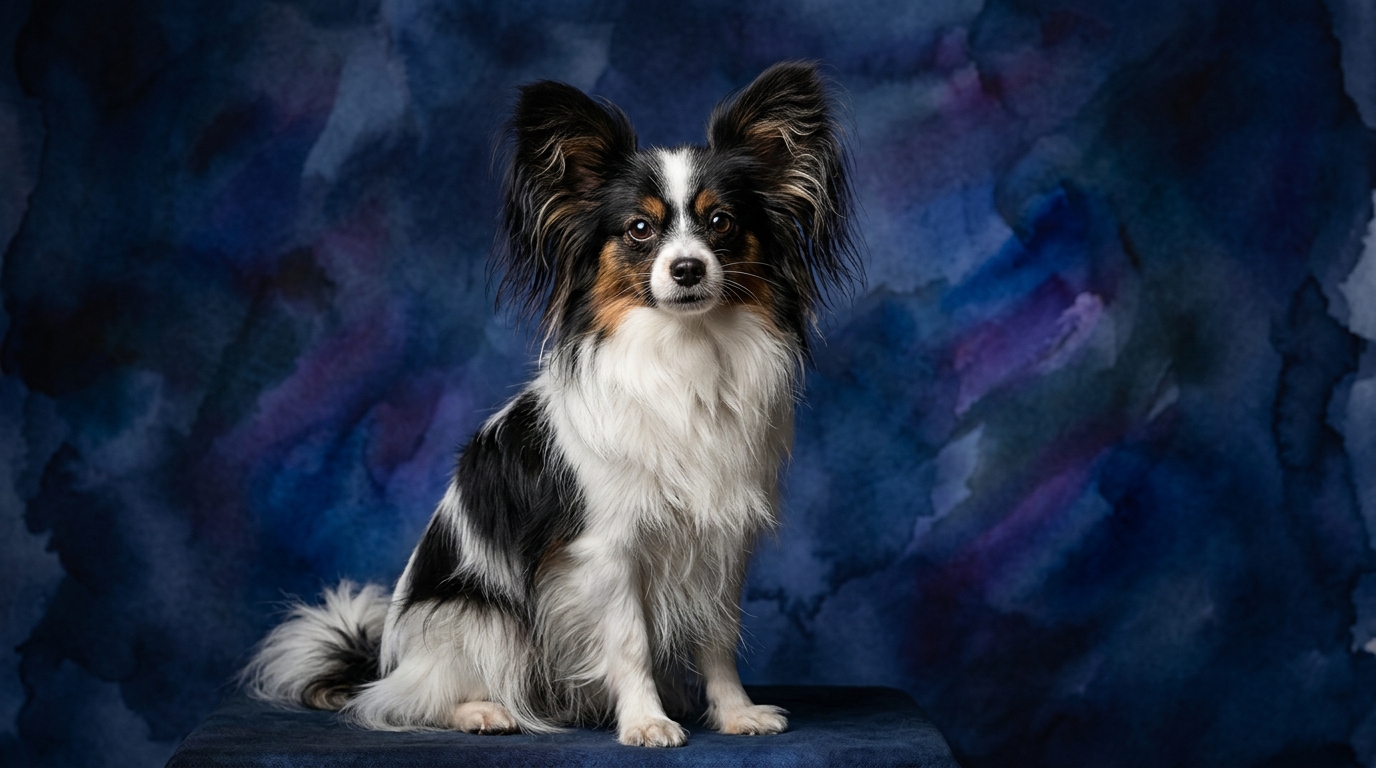
At The Cosmic Pet Pet IQ Lab, the Papillon, ranking #8 on the Coren scale, presents a profile of exceptional mental quickness. Their Problem Solving is rated 5/5, indicating strong capacity for independent thought and strategizing, like figuring out how to access a hidden treat. Training Speed also stands at 5/5, reflecting rapid grasp of new commands and cues. Social Intelligence is a robust 4/5, meaning they are adept at reading human emotions and adapting in social contexts. Their Instinctive Drive is moderate at 3/5, manifesting as mild curiosity for chasing small movements. Memory is outstanding at 5/5, allowing them to recall vast commands and experiences.
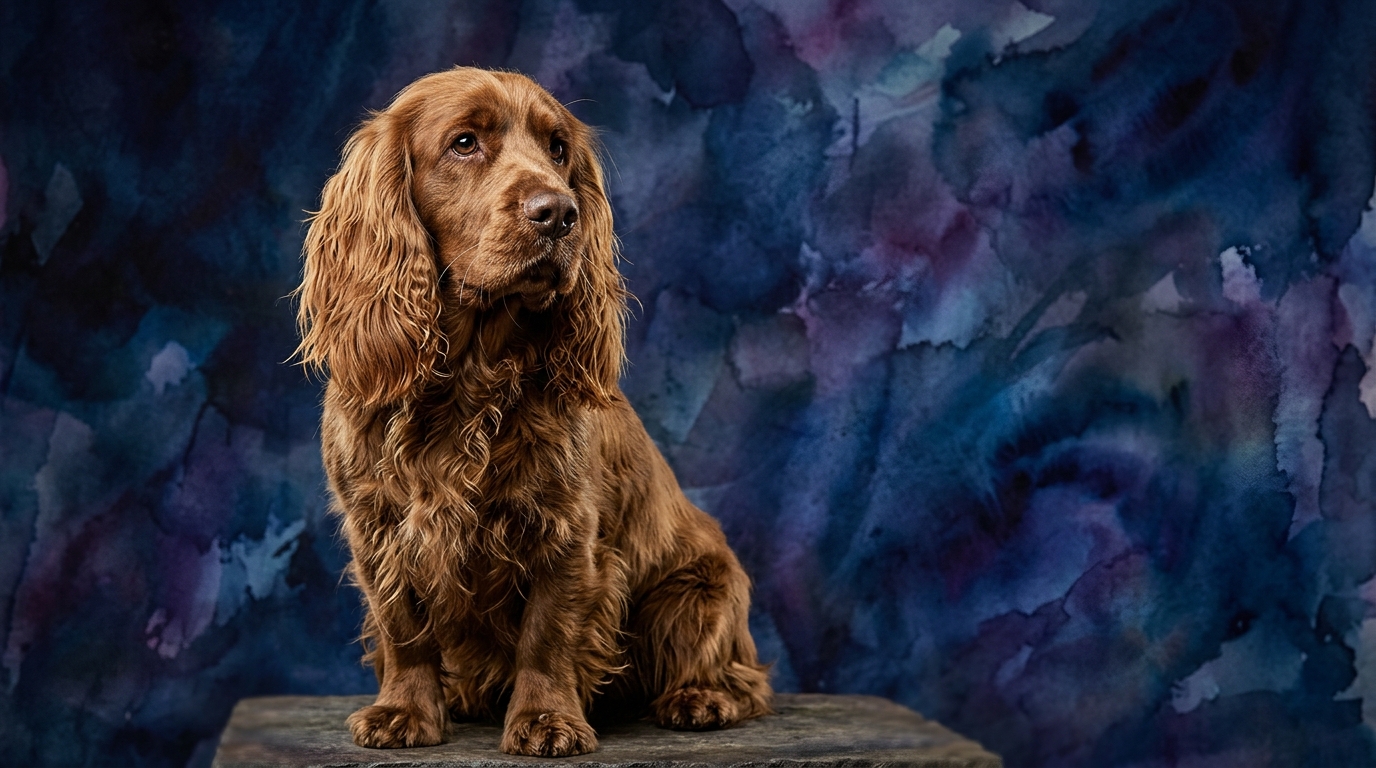
In contrast, the Sussex Spaniel, positioned at #62 on the Coren scale, exhibits a more measured cognitive style. Their Problem Solving is rated 3/5, suggesting a methodical, less spontaneous approach to challenges. Training Speed is 3/5; they learn new tasks steadily, benefiting from consistent instruction. Social Intelligence is 3/5, indicating a calm, affectionate disposition, less overtly expressive with strangers. Their Instinctive Drive is 3/5, primarily focused on persistent scent work and tracking. Memory is rated 3/5, sufficient for retaining routines and core commands but less adept at complex recall without reinforcement.
Where Papillon Wins Cognitively
The Papillon's cognitive profile showcases clear advantages in areas demanding rapid mental processing and retention. Their superior Problem Solving (5/5) means they are adept at navigating novel situations and independently devising solutions. This can manifest as quickly understanding how to manipulate puzzle toys, figuring out escape routes, or anticipating human actions. This capacity for strategic thought makes them highly engaging companions. Furthermore, their exceptional Memory (5/5) allows them to master and retain an extensive repertoire of commands and tricks. A Papillon often learns a new behavior in just a few repetitions and recalls it perfectly weeks later, even if not regularly practiced. This strong memory also contributes to their ability to remember complex sequences, specific toy names, or household routines, making them remarkably consistent. Their cognitive quickness makes them a standout in competitive obedience and agility, where speed of comprehension and execution are paramount.
Where Sussex Spaniel Wins Cognitively
While the Sussex Spaniel's cognitive scores are generally lower, their unique blend of traits creates specific cognitive strengths. Their Instinctive Drive (3/5), though not numerically superior, is a highly focused and persistent scent drive. This means their problem-solving (3/5) and memory (3/5) are channeled into a tenacious pursuit of scent, allowing them to systematically work through complex scent puzzles with unwavering focus. This consistency, rather than flash, is their cognitive edge. Their moderate Social Intelligence (3/5) paired with their naturally calm temperament translates into a stable and predictable companion. They are less prone to frantic energy or overstimulation, offering a steady, comforting presence. This cognitive steadiness, where they are less easily distracted by fleeting stimuli and maintain a singular focus, is a distinct advantage for owners seeking a dog with a robust, unhurried mental approach. Their strength lies in deliberate, enduring engagement rather than immediate adaptability.
Which Is Easier to Train and Why
Without question, the Papillon proves to be the easier breed to train, a direct consequence of their 5/5 Training Speed and 5/5 Memory. They possess an eagerness to engage and a remarkable capacity for understanding new concepts almost immediately. A Papillon often grasps a new command within a handful of repetitions, quickly associating verbal cues with actions and desired outcomes. Their strong problem-solving skills mean they often try to anticipate what you want, making the training process feel like a collaborative game. This rapid learning curve, combined with their excellent memory, ensures that once a behavior is learned, it is retained with minimal need for constant review. Owners can progress quickly through advanced commands, tricks, and even complex agility sequences, relying on the Papillon's consistent recall and enthusiasm for mental challenges.
The Sussex Spaniel, with its 3/5 Training Speed and 3/5 Memory, requires a different approach. While not difficult, they demand significantly more patience, consistency, and positive reinforcement. They learn at a steady, deliberate pace, meaning owners should expect to repeat commands more frequently before a behavior is reliably established. Their independent nature can sometimes translate into a perceived stubbornness; they might need more convincing that a task is worth their effort, especially if their powerful scent drive is engaged elsewhere. Short, engaging training sessions are more effective, preventing boredom and reinforcing positive associations. Owners must be prepared to be highly consistent with cues and expectations, as the Sussex Spaniel thrives on routine and clear communication.
Which Suits Active Owners vs. Relaxed Owners
The Papillon is an ideal match for owners who are mentally active and enjoy regular, engaging interaction. While their physical exercise needs are moderate, their cognitive demands are substantial. They thrive in environments where they are regularly challenged with puzzle toys, trick training, agility, or obedience classes. Owners who enjoy teaching new things, participating in dog sports, or simply engaging in frequent, stimulating play will find the Papillon's zest for learning incredibly rewarding. They want to participate and contribute, making them excellent partners for an owner who appreciates a dog with a vivid inner life and a desire for mental engagement.
The Sussex Spaniel, conversely, often suits owners who appreciate a more relaxed, yet structured, companionship. While they require consistent daily exercise, particularly opportunities for sniffing and exploring, their mental energy is less about constant problem-solving and more about methodical engagement. They are generally content with a predictable routine, enjoying their walks, then settling down calmly indoors. Owners who appreciate a dog less demanding of constant mental stimulation, yet still enjoys purposeful activity like long walks or scent games, will find the Sussex Spaniel a wonderful fit. They offer a steadfast, unhurried presence, suitable for individuals who enjoy a calmer pace of life but are committed to quality outdoor time.
The Verdict
For those seeking a highly interactive, quick-witted companion eager to learn complex tasks and participate in mental games and competitive activities, the Papillon is an exceptional choice.
Owners who value a calm, steadfast companion with a methodical approach to learning, and who appreciate a dog with a strong, purposeful drive for scent work and predictable routines, will find great joy in a Sussex Spaniel.
🧠 Find Your Pet's IQ Score
Our Pet IQ Lab assessment covers 25+ tests across 5 cognitive dimensions — personalized to your breed.
Take the Full IQ Test →Frequently Asked Questions
Is the Papillon easily distracted during training despite its intelligence?
While the Papillon picks up commands quickly, their high curiosity and social nature can lead to distractions in busy environments. Consistent, short training sessions in various settings help them generalize learning and maintain focus.
Does the Sussex Spaniel's lower training speed mean it's difficult to manage?
Not at all. The Sussex Spaniel's methodical learning simply means training requires more patience and consistency, focusing on positive reinforcement. They are not difficult to manage; rather, they thrive on clear routines and steady guidance.
Can a Sussex Spaniel participate in dog sports like agility?
While they possess the physical capability, their deliberate cognitive style and focus on scent work mean they might not excel at the speed and rapid sequence changes required for top-level agility. They might enjoy nose work or tracking sports more, aligning with their natural drives.