Side-by-Side Cognitive Profile: Papillon vs. Welsh Springer Spaniel
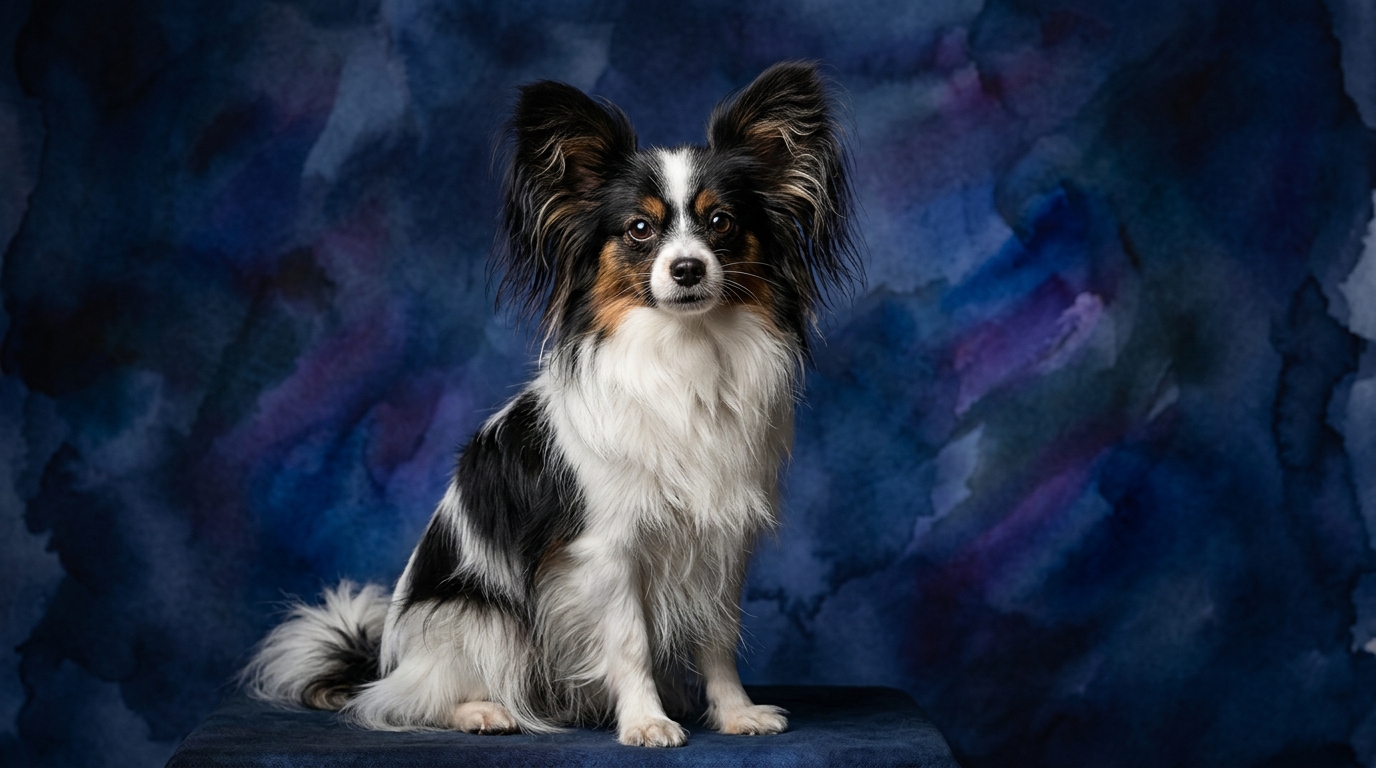
At The Cosmic Pet Pet IQ Lab, we evaluate canine intelligence across five key dimensions, providing a granular look at each breed's mental aptitude. The Papillon, ranking impressively at Coren #8, exhibits a profile geared towards rapid learning and intricate understanding. Its Problem Solving is rated 5/5, indicating an exceptional capacity for navigating complex cognitive puzzles, quickly discerning patterns, and devising solutions to novel challenges. Training Speed also scores 5/5, meaning Papillons absorb new commands and routines with remarkable rapidity, often requiring minimal repetitions. Social Intelligence is 4/5, showing a keen awareness of human emotional states and intentions, fostering deeply intuitive companionship. An Instinctive Drive of 3/5 manifests as curiosity or a playful chase, easily channeled. Finally, Memory is 5/5, demonstrating outstanding recall for learned tasks and experiences.
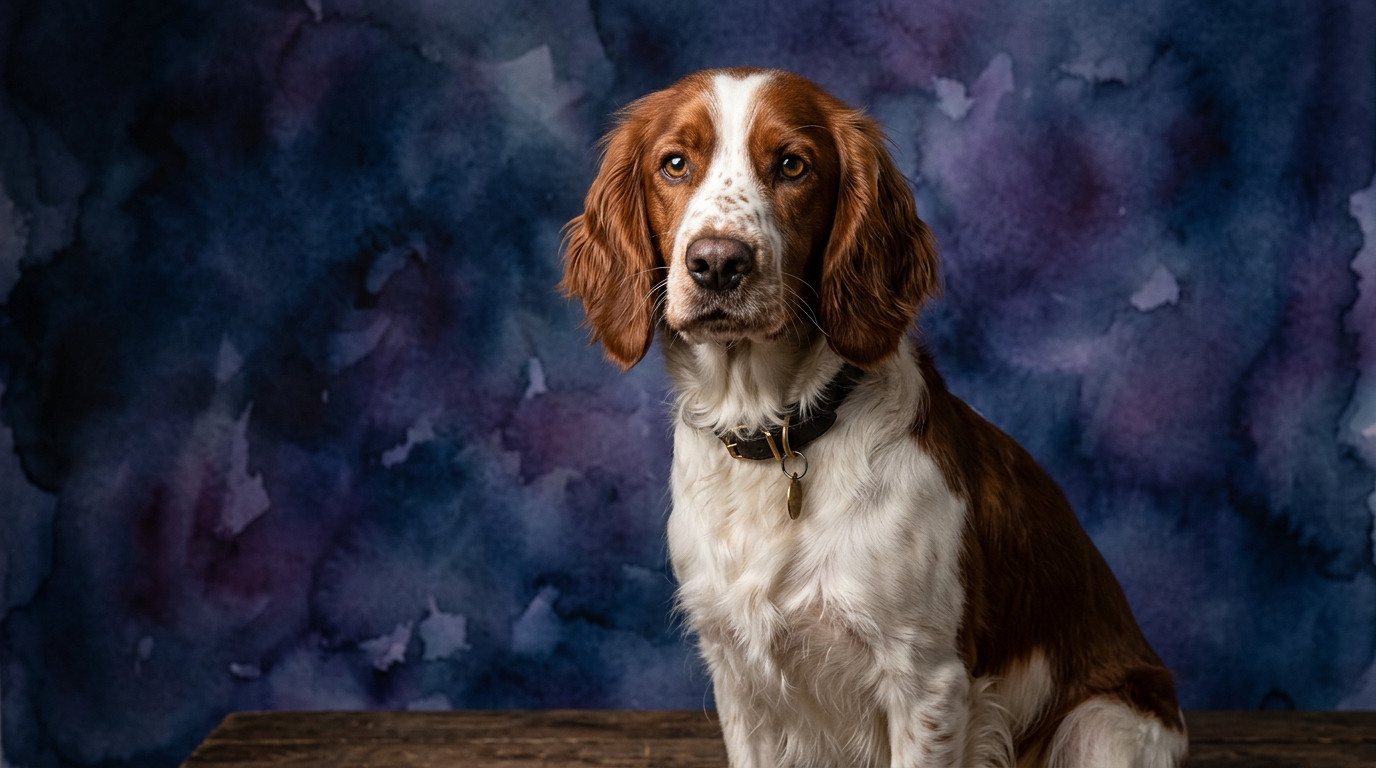
The Welsh Springer Spaniel, a capable sporting breed with a Coren rank of #31, presents a cognitive profile emphasizing practical application and sustained focus. Their Problem Solving is rated 4/5, indicating a strong ability to navigate real-world environmental challenges and figure out how to achieve tangible goals in their surroundings. Training Speed also scores 4/5, meaning this breed learns new commands consistently and willingly, responding well to clear direction. Social Intelligence is 3/5, reflecting strong, loyal bonds with family, though perhaps less nuanced in reading subtle human signals compared to the Papillon. Their Instinctive Drive of 3/5 is typically geared towards their sporting heritage, manifesting as a strong desire to scent, flush, and retrieve. Memory is 4/5, demonstrating reliable recall for established commands, routines, and the intricacies of their working tasks.
Where the Papillon Wins Cognitively
The Papillon's cognitive profile showcases several distinct advantages, particularly in areas demanding speed and abstraction. Their 5/5 score in Problem Solving signifies not just quick learning, but a profound ability to grasp underlying principles. This manifests as a superior capacity to figure out intricate puzzle toys, open child-proof latches, or anticipate multi-step routines, often several steps ahead of what is immediately apparent. For instance, a Papillon might quickly learn to operate a complex treat dispenser by observing its mechanism, rather than relying solely on trial-and-error.
Their 5/5 Training Speed is unparalleled, making them exceptionally fast at acquiring new behaviors. This isn't limited to basic commands; it extends to complex trick sequences or advanced agility courses where multiple actions are chained together. A Papillon can master a new trick in a handful of sessions, needing minimal repetition to solidify the behavior. Coupled with their 5/5 Memory, once a Papillon learns something, it's deeply ingrained, allowing for impressive retention of vast repertoires of commands and routines over long periods, even with infrequent practice. Finally, their 4/5 Social Intelligence gives them an edge in reading subtle human cues. They often seem to anticipate their owner's moods or intentions, making them exceptionally responsive and intuitive companions, fostering a partnership based on nuanced communication where slight shifts in tone or body language can be enough to guide their behavior.
Where the Welsh Springer Spaniel Wins Cognitively
While the Papillon excels in abstract cognitive speed, the Welsh Springer Spaniel demonstrates a robust and practical application of their intellect, particularly valuable in their traditional roles. Their 4/5 Problem Solving, though numerically lower, shines in real-world scenarios requiring sustained focus and environmental navigation. For example, a Welsh Springer might expertly navigate varied terrain to follow a complex scent trail, overcoming natural obstacles with purposeful determination—a different kind of problem-solving than deciphering a puzzle box.
Their 4/5 Training Speed, while not as lightning-fast, is characterized by consistency and a strong desire to collaborate. They are steadfast learners, absorbing complex field commands and executing them reliably, even under distractions. This reliability is a cognitive strength in itself, ensuring that learned behaviors are durable and repeatable in challenging environments. The Welsh Springer's 4/5 Memory is particularly strong for tasks related to their working heritage. They remember specific scent patterns, retrieve locations, and the intricacies of a hunting route with remarkable accuracy, demonstrating a memory geared towards practical application rather than just rote memorization. Their 3/5 Instinctive Drive, specifically oriented towards scent work and retrieving, further enhances their cognitive performance in these areas, providing the motivation and focus to apply their problem-solving and memory skills effectively in a purposeful context. This breed's cognitive strengths are deeply intertwined with their capacity for sustained, goal-oriented effort.
Ease of Training: Behavioral Differences
When evaluating ease of training, the Papillon holds a clear advantage due to their exceptional 5/5 Training Speed and 5/5 Problem Solving scores. These cognitive attributes mean they process information rapidly, understand the *why* behind a command quickly, and require significantly fewer repetitions to solidify a new behavior. For an owner interested in advanced obedience, agility, or trick training, a Papillon will often make the process feel intuitive and rewarding, picking up complex sequences with startling speed. Their capacity to generalize learned behaviors to new situations also contributes to their superior trainability, making them adaptable across various disciplines.
The Welsh Springer Spaniel, with solid 4/5 scores in both Training Speed and Problem Solving, is still a very trainable breed, but the experience differs. They are willing and eager to please, but may require more consistent reinforcement and slightly more repetitions to master new skills compared to the Papillon. Their problem-solving leans more towards practical application, meaning they might excel at figuring out how to flush a bird or navigate a retrieve, rather than deciphering abstract puzzle games. Training a Welsh Springer often involves harnessing their natural sporting instincts, guiding their drive towards desired outcomes through consistent, positive methods. While both breeds respond well to positive reinforcement, the Papillon's cognitive speed allows for a faster, more fluid training experience across a wider range of intricate activities.
Matching Cognitive Needs to Owner Lifestyles
Both the Papillon and Welsh Springer Spaniel thrive with active engagement, but the *type* of activity they require differs significantly due to their distinct cognitive profiles and breed heritage. The Papillon, with its 5/5 Problem Solving and Memory, demands substantial mental stimulation. An active owner for a Papillon is one who enjoys engaging in intricate puzzle games, teaching complex tricks, participating in dog sports like agility or rally obedience, and providing continuous mental challenges. A "relaxed" owner who neglects this mental stimulation might find their Papillon becoming bored, potentially leading to undesirable behaviors like excessive barking or finding their own "puzzles" to solve, which might include household destruction.
The Welsh Springer Spaniel, conversely, requires an owner whose activity level matches their physical endurance and working drive. Their 3/5 Instinctive Drive for scent and retrieve means they are happiest with long, purposeful walks, hikes, swimming, or participation in field trials and hunting activities. Their 4/5 Problem Solving and Memory are best utilized in environments where they can apply these skills to practical, sustained tasks. A "relaxed" owner who cannot provide ample physical outlets will likely encounter a restless, energetic Welsh Springer, prone to pacing, vocalizing, or destructive chewing as an outlet for their pent-up energy. While both breeds need engagement, the Papillon needs cognitive gymnastics and social interaction, whereas the Welsh Springer needs physical exertion with a purpose and opportunities to utilize their scenting abilities.
The Verdict
Choose the Papillon if you seek a highly adaptable, quick-thinking companion eager for intricate mental challenges, rapid learning, and close, intuitive social interaction, thriving on consistent cognitive engagement.
Choose the Welsh Springer Spaniel if you appreciate a steadfast, practical learner thriving on purposeful outdoor activities, consistent collaborative work, and applying their intelligence to robust physical tasks.
🧠 Find Your Pet's IQ Score
Our Pet IQ Lab assessment covers 25+ tests across 5 cognitive dimensions — personalized to your breed.
Take the Full IQ Test →Frequently Asked Questions
Do Papillons need constant mental stimulation to prevent behavioral issues?
Absolutely. With their 5/5 Problem Solving and Memory, Papillons become bored quickly if not mentally engaged. Providing puzzle toys, teaching new tricks, and participating in dog sports are crucial to channel their mental energy constructively and prevent frustration-driven behaviors, ensuring a well-adjusted companion.
How does the Welsh Springer Spaniel's instinctive drive impact their trainability for family life?
Their 3/5 instinctive drive for scenting and retrieving means they benefit greatly from structured activities that incorporate these natural tendencies. While they are adaptable family companions, channeling this drive through games or specific training prevents restlessness and ensures they are well-adjusted, focused members of the household.
Which breed adapts better to city or apartment living, considering their cognitive needs?
The Papillon, given its smaller size and emphasis on mental stimulation, can adapt well to apartment living provided their cognitive needs are met through indoor games, training, and short, frequent walks. The Welsh Springer Spaniel, with its higher physical energy and drive for purposeful outdoor activity, generally thrives in environments with more space for robust exercise, though consistent outdoor engagement can make apartment living feasible.