A Side-by-Side Look at Cognitive Profiles
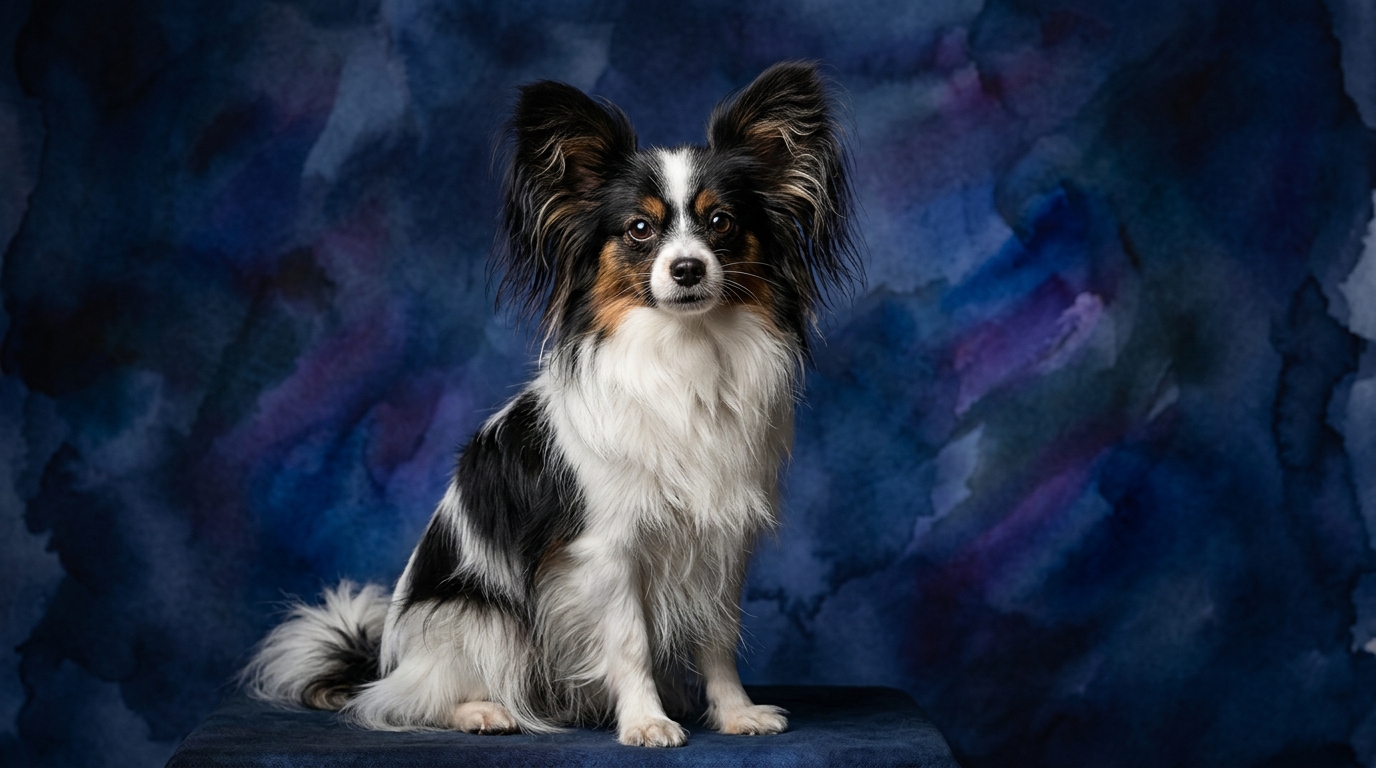
At The Cosmic Pet Pet IQ Lab, we delve beyond general perceptions to assess specific cognitive dimensions for each breed. The Papillon, ranking #8 on the Coren intelligence scale, presents a profile of exceptional mental agility. Their Problem Solving is rated 5/5, indicating an outstanding capacity to understand and navigate complex situations, often demonstrating foresight and adaptive strategies. Training Speed is also a perfect 5/5, reflecting their rapid assimilation of new commands and routines, often mastering tasks in very few repetitions. Social Intelligence stands at 4/5, showing a strong attunement to human emotions and social cues, allowing them to form deep, responsive bonds. Their Instinctive Drive is 3/5, typically channeled towards interaction and mental engagement rather than strong independent prey or guarding behaviors. Finally, their Memory is a remarkable 5/5, ensuring excellent retention of learned behaviors, commands, and past experiences.
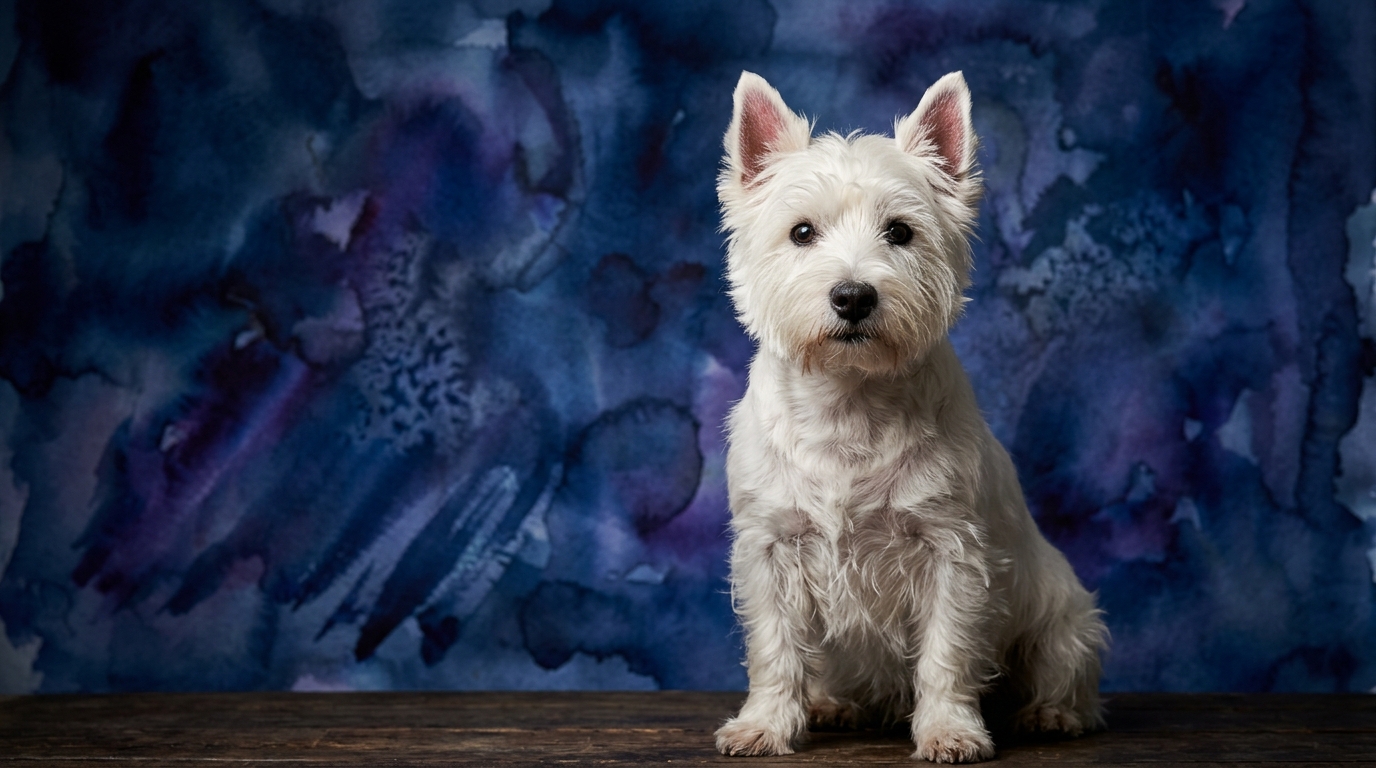
The West Highland White Terrier, with a Coren ranking of #47, exhibits a different, yet equally compelling, cognitive makeup. Their Problem Solving is rated 3/5; they are capable of practical solutions, particularly those involving persistence and environmental manipulation, though perhaps less inclined towards abstract strategic thinking. Training Speed is 3/5, meaning they learn at a steady pace, requiring consistent reinforcement to solidify new behaviors. Social Intelligence is 3/5; they form strong bonds within their immediate family but can be more independent or reserved with strangers, focusing on their established pack dynamics. Their Instinctive Drive is 3/5, often manifesting as a classic terrier urge to dig, chase, and explore, which is a core part of their character. Their Memory is rated 4/5, demonstrating good retention of routines, commands, and familiar people or places, which supports their daily life and learned behaviors.
Where the Papillon Shines Cognitively
The Papillon's cognitive profile is distinguished by an exceptional combination of problem-solving prowess and memory. A 5/5 in both categories means these dogs aren't just good at following instructions; they actively process information and recall solutions with remarkable efficiency. For instance, if a Papillon learns to open a specific cabinet for a treat, it will not only remember the exact sequence of actions but also adapt if the mechanism changes slightly, demonstrating flexible intelligence. Their training speed, also a perfect 5/5, directly benefits from this strong memory and problem-solving ability, allowing them to pick up complex tricks and multi-step commands with remarkable swiftness. This breed thrives on mental challenges, often inventing their own games or finding creative ways to engage with their environment, such as figuring out how to retrieve a toy from an inaccessible spot. Their social intelligence, rated 4/5, allows them to accurately read human emotions and intentions, making them incredibly responsive companions who can anticipate needs and adjust their behavior accordingly.
The West Highland White Terrier's Distinct Cognitive Strengths
While the Papillon excels in rapid learning and abstract problem-solving, the West Highland White Terrier possesses a different, equally valuable set of cognitive strengths, rooted in its terrier heritage. Their problem-solving at 3/5 often manifests as tenacious persistence rather than quick deduction. If a Westie wants to reach something under the couch, it will try every angle, push, and prod until it succeeds, showcasing a practical, goal-oriented intelligence. Their instinctive drive, also 3/5, is a significant component of their cognitive makeup, directing their focus towards exploration, digging, and often, a determined pursuit of perceived 'prey' – even if it's just a rustling leaf or a favorite toy. This drive, while sometimes challenging in training, is a testament to their independent spirit and ability to work autonomously. Their memory, rated 4/5, is robust for routines and learned environmental cues, ensuring they remember boundaries, favorite spots, and who provides the best belly rubs. This solid memory, combined with their moderate training speed (3/5), means they are perfectly capable of learning, but often require more consistent, patient reinforcement to integrate new commands into their established behaviors.
Ease of Training: A Tale of Two Temperaments
When it comes to training, the Papillon generally presents a more straightforward experience due to its superior training speed and problem-solving abilities. Their eagerness to please and high social intelligence mean they are typically highly motivated by positive reinforcement and human interaction. A Papillon can often learn a new trick in just a few short sessions, actively trying to figure out what you want from them. Their strong memory ensures that once a behavior is learned, it's retained with minimal refreshers. This makes them excellent candidates for advanced obedience, agility, or trick training, as they not only grasp concepts quickly but also enjoy the mental engagement. For example, teaching a Papillon a complex sequence of commands, like 'spin, sit, high-five,' can be achieved relatively fast because they actively process the steps and remember the desired outcome.
In contrast, the West Highland White Terrier, while certainly trainable, requires a different approach. Their instinctive drive and independent nature mean they might not always see the immediate benefit of a command if it conflicts with their innate desires, like chasing a squirrel or investigating a scent. Training a Westie often involves more patience, consistency, and finding motivations that appeal to their sturdy, sometimes stubborn, personality. They learn effectively, but may take more repetitions and might occasionally 'forget' a command if they perceive something more interesting. For instance, a Papillon might quickly learn a reliable recall in a busy park due to its focus on the owner, while a Westie might be more inclined to follow a compelling scent, requiring more vigorous and persistent recall training with high-value rewards to override their natural instincts.
Matching Breeds to Lifestyles: Active vs. Relaxed Owners
The cognitive profiles of these two breeds naturally align with different owner lifestyles. The Papillon, with its high problem-solving capacity, rapid training speed, and strong social intelligence, is an excellent fit for active owners who enjoy engaging in dog sports, trick training, or simply want a dog that thrives on consistent mental stimulation. They excel in activities like agility, obedience, and even therapy work, relishing the challenge and the close partnership with their human. Their need for mental engagement means that a relaxed owner who offers little stimulation might find a Papillon inventing its own, potentially mischievous, ways to stay busy, such as figuring out how to open doors or cupboards. They are best suited for environments where their sharp minds are regularly challenged and their desire for interaction is met through structured activities and consistent engagement.
Conversely, the West Highland White Terrier, with its balanced problem-solving and training speed, combined with a notable instinctive drive, is well-suited for owners who appreciate a dog with a robust, independent personality and a love for exploration. While they enjoy play, their need for mental stimulation often revolves around sensory experiences like sniffing out interesting trails, 'hunting' toys, or supervised digging. A relaxed owner who enjoys consistent, perhaps less intensive, daily walks and provides opportunities for controlled digging or scent work would find a Westie a delightful companion. They are less about performing complex tasks on command and more about being a sturdy, engaged partner in daily life, content with a good romp in the yard and a secure place to investigate their surroundings.
The Verdict
Choose the Papillon if you seek a highly interactive companion who thrives on complex mental challenges, learns new tasks with exceptional speed, and enjoys engaging in structured activities like dog sports or advanced trick training.
Opt for the West Highland White Terrier if you appreciate a tenacious, independent spirit, enjoy consistent training that respects their natural instincts, and desire a sturdy companion for outdoor adventures and focused exploratory play.
🧠 Find Your Pet's IQ Score
Our Pet IQ Lab assessment covers 25+ tests across 5 cognitive dimensions — personalized to your breed.
Take the Full IQ Test →Frequently Asked Questions
Is the Papillon easily distracted during training due to its high social intelligence?
While socially aware, the Papillon's high training speed and desire to please often mean they are highly focused on their handler during training. Their responsiveness to cues and rapid learning curve typically make them less prone to distraction than breeds with lower social engagement, especially with consistent positive reinforcement.
Do West Highland White Terriers require extensive grooming given their coat type?
Westies do require regular grooming, specifically hand-stripping, to maintain their double coat's texture and protective qualities. While not as high-maintenance as some long-haired breeds, weekly brushing and professional grooming every few months are essential to prevent matting and skin issues, ensuring their coat remains healthy.
Can a Papillon live happily in an apartment, or do they need a large yard?
Papillons are well-suited for apartment living as long as their significant mental and moderate physical exercise needs are met. Daily walks, indoor play, and consistent mental stimulation through training and puzzles are more important than yard size for this adaptable breed, as they thrive on interaction and engagement.