
Side-by-Side IQ Profile: Parson Russell Terrier
**Problem Solving (3/5):** The Parson Russell Terrier's problem-solving often manifests as determined persistence. Faced with a challenge, such as locating a hidden squeaky toy or navigating a complex scent trail, they approach it with focused intent, employing trial-and-error until their goal, often related to their innate drive to pursue, is achieved. Their solutions are typically practical and direct, honed by generations of working terrier duties.
**Training Speed (3/5):** Parsons absorb new commands at a moderate pace, but their independent spirit means consistent, engaging methods are crucial. They learn effectively when motivated by high-value rewards and varied training exercises that prevent boredom, often showing a knack for remembering sequences once they commit.
**Social Intelligence (3/5):** These terriers are adept at reading their human companions and other dogs, understanding social cues within their pack structure. While capable of deep bonds, their social interactions can sometimes be influenced by their assertive nature, requiring early socialization to ensure harmonious relationships. They understand boundaries but may test them.
**Instinctive Drive (3/5):** A defining characteristic, their instinctive drive is robust. This encompasses a powerful prey drive, an urge to dig, and a strong vocal tendency, all remnants of their fox-hunting heritage. This drive heavily influences their motivation and their approach to problem-solving and engagement with their environment.
**Memory (3/5):** Parsons possess a solid memory for routines, commands, and experiences. They recall effective strategies for past problems and remember people and places, which can be both an asset in training and a challenge if they remember negative associations.
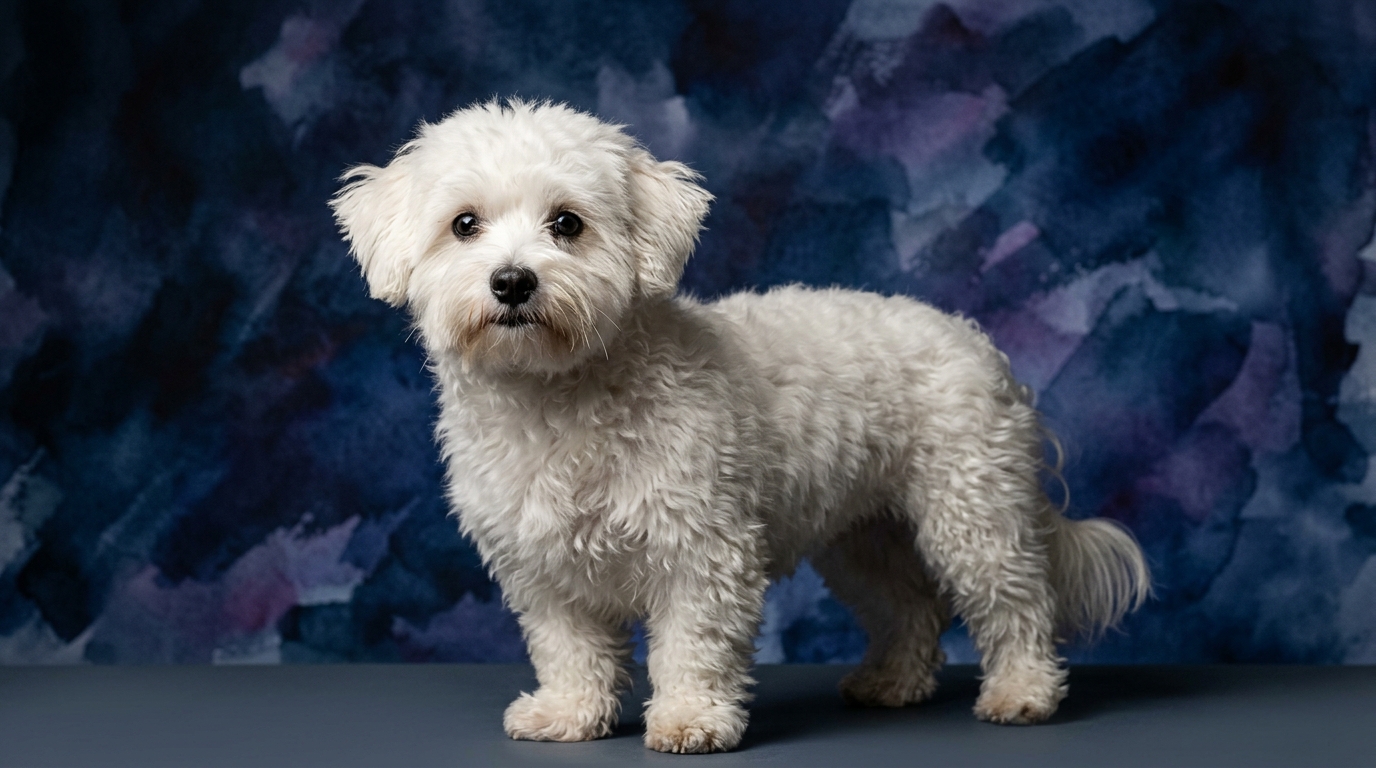
Side-by-Side IQ Profile: Coton de Tuléar
**Problem Solving (3/5):** The Coton de Tuléar's problem-solving skills often center around their social environment. They might cleverly figure out how to gain human attention, manipulate a toy to get a treat, or navigate household obstacles with grace. Their solutions are often less about brute force and more about charming persuasion or intelligent observation of their surroundings.
**Training Speed (3/5):** Cotons typically learn new commands at a moderate pace, often eager to please their human companions. Their sensitivity means they respond best to positive reinforcement, gentle guidance, and clear communication. They can become resistant if training is harsh or inconsistent, but generally enjoy the interaction of learning.
**Social Intelligence (3/5):** Cotons excel in understanding human emotions and social dynamics. They are highly attuned to their owners' moods, often offering comfort or seeking playful interaction based on their observations. This deep social awareness makes them responsive companions who thrive on connection and reciprocal understanding.
**Instinctive Drive (3/5):** Their instinctive drive is primarily focused on companionship and play. They have a moderate desire to fetch, chase, and engage in interactive games. While they might alert bark, their prey drive is typically low, and their primary motivation stems from being an integral part of their human family.
**Memory (3/5):** Cotons have a good memory for commands, routines, and the individuals in their lives. They remember past interactions, both positive and negative, and are capable of recalling preferred behaviors that yield rewards, such as a favorite treat or a cuddle session.
Where Parson Russell Terrier Wins Cognitively
The Parson Russell Terrier truly shines in cognitive areas demanding tenacity and independent thought, particularly when a task aligns with their inherent drives. Their Problem Solving score of 3/5, combined with a strong Instinctive Drive, means they are exceptionally persistent in pursuit of a goal, whether it’s locating a scent source or figuring out how to access a confined space. This relentless determination, a direct inheritance from their working origins, allows them to overcome obstacles that might deter less driven breeds. They are adept at learning through active exploration and will often experiment with different approaches to achieve their objective, showcasing a robust, practical intelligence geared towards action and discovery.
Where Coton de Tuléar Wins Cognitively
Conversely, the Coton de Tuléar's cognitive strengths lean heavily into their social acumen and adaptability. Their 3/5 Social Intelligence score indicates a refined ability to read and respond to human emotions, making them exquisitely empathetic companions. This allows them to navigate complex social situations within a family environment with remarkable grace, often anticipating needs or offering comfort without explicit cues. Their problem-solving, while also 3/5, is frequently applied to interpersonal dynamics, such as subtly communicating their desires or understanding how to elicit positive responses from their owners. This emotional attunement and ability to adapt their behavior to suit social contexts gives them a distinct edge in fostering harmonious human-canine relationships.
Which is Easier to Train and Why
While both breeds hold a 3/5 in Training Speed, the 'why' behind their learning process differs significantly. The Coton de Tuléar generally presents as easier to train for the average owner due to their inherent desire to please and their high social intelligence. They are often highly motivated by positive reinforcement, praise, and the reward of human connection, making them responsive to gentle, consistent methods. Their sensitivity means they quickly grasp what is expected and are eager to comply to maintain harmony. In contrast, the Parson Russell Terrier, despite a similar Training Speed score, can be more challenging. Their strong instinctive drives and independent nature mean they require highly engaging and varied training to prevent boredom and stubbornness. They may question commands or prioritize their instincts, such as chasing a squirrel over a recall command, demanding a more experienced hand, unwavering consistency, and creative motivational techniques to channel their tenacious energy effectively.
Which Suits Active Owners vs. Relaxed Owners
The choice between these two breeds depends heavily on an owner's lifestyle. The Parson Russell Terrier is undeniably suited for active owners who relish outdoor adventures and can provide ample mental and physical stimulation. Their robust Instinctive Drive and energetic disposition mean they thrive with regular, vigorous exercise, structured training, and opportunities for 'work' like agility, earthdog trials, or extensive walks and hikes. A relaxed owner might find themselves overwhelmed by the Parson's boundless energy and need for engagement. The Coton de Tuléar, with its adaptable nature and primary drive for companionship, is a better fit for owners who enjoy a more relaxed pace. While they benefit from daily walks and playtime, their need for intense physical exertion is lower. They are content to be close to their people, making them excellent companions for apartment living or for those who prefer cozy evenings to strenuous outdoor pursuits, provided they still receive consistent mental engagement and social interaction.
The Verdict
Choose a Parson Russell Terrier if you are an active, experienced owner ready to channel a tenacious spirit into engaging activities and consistent, firm training.
Opt for a Coton de Tuléar if you seek an adaptable, empathetic companion who thrives on close social bonds and responds well to gentle, positive reinforcement in a more relaxed household.
🧠 Find Your Pet's IQ Score
Our Pet IQ Lab assessment covers 25+ tests across 5 cognitive dimensions — personalized to your breed.
Take the Full IQ Test →Frequently Asked Questions
Do Parson Russell Terriers make good family pets?
Yes, with proper socialization and training, Parson Russell Terriers can be wonderful family pets. Their energy and playfulness make them great companions for active children, but their strong prey drive means supervision is key around smaller pets.
Are Coton de Tuléars prone to barking?
Coton de Tuléars can be prone to alert barking, especially if not properly trained or if left alone for extended periods. Their social intelligence means they often use barking to communicate needs or alert their owners to new sounds.
How much exercise does a Parson Russell Terrier need daily?
A Parson Russell Terrier requires a significant amount of daily exercise, typically at least one to two hours of vigorous activity, including walks, runs, and engaging play. Mental stimulation through training and puzzle toys is equally important to satisfy their active minds.