Side-by-Side Cognitive Profiles: Decoding Identical Scores
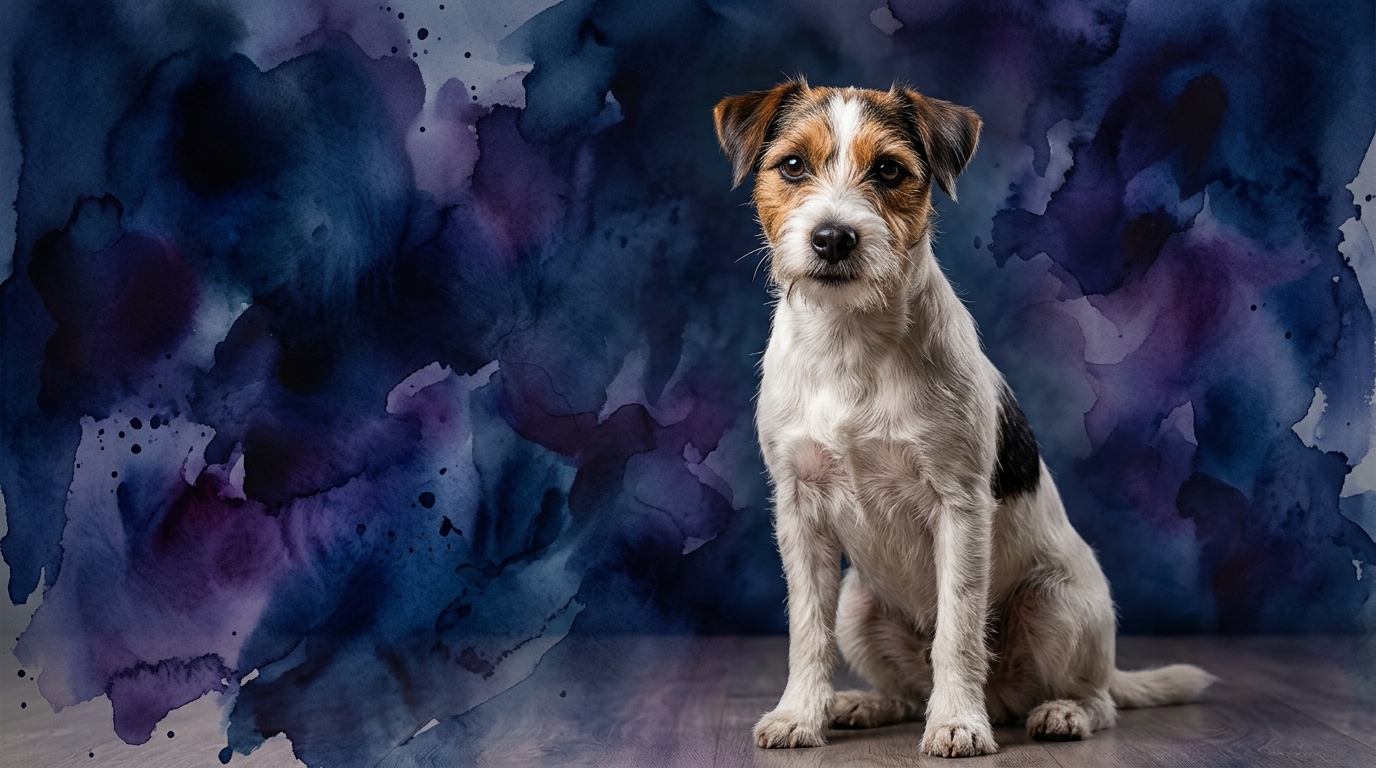
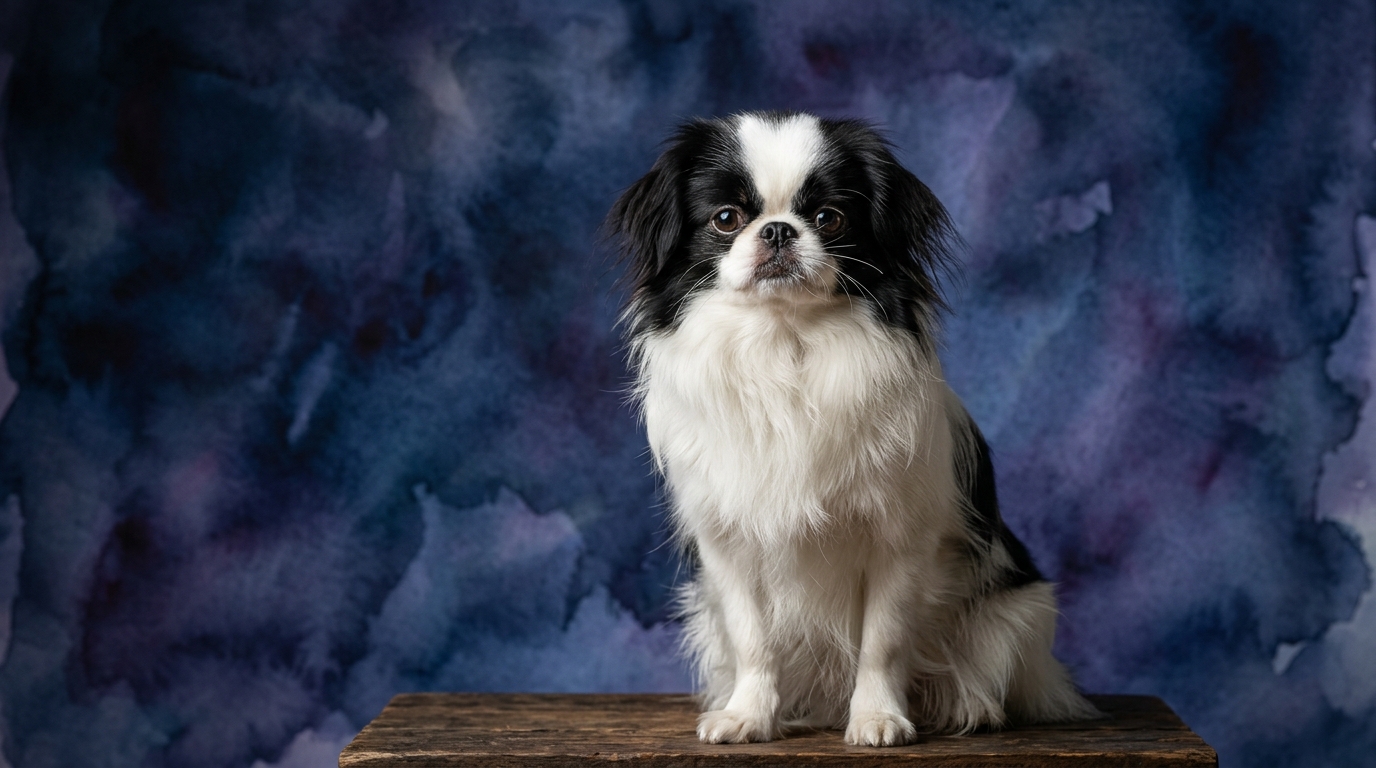
For the Parson Russell Terrier, a 3/5 in problem-solving often manifests as determined persistence in physical challenges; they excel at deciphering how to access a hidden toy, navigate complex outdoor terrains, or outsmart small critters, leveraging their terrier tenacity. The Japanese Chin, conversely, displays its 3/5 problem-solving through more subtle, social means, skillfully figuring out how to gain maximum human attention, manipulate their environment for comfort, or subtly communicate their needs, demonstrating a keen observational intelligence within their domestic sphere.
Both breeds share a 3/5 for training speed, yet their learning styles diverge: the Parson Russell Terrier can grasp new commands quickly, especially when motivated by engaging activities that tap into their prey drive or desire for a challenge, though their independent streak means consistent compliance can be a project. The Japanese Chin also learns swiftly, particularly when positive reinforcement and a strong bond with their owner are present, and their sensitivity means they respond best to gentle, consistent methods, with their eagerness to please contributing to their learning pace.
A 3/5 in social intelligence looks quite different across these two: the Parson Russell Terrier utilizes its social acumen to understand human cues for activity, read the intentions of other animals, and navigate the dynamics of a bustling household, often in pursuit of an objective. The Japanese Chin, on the other hand, exhibits its 3/5 score through an exquisite sensitivity to human emotions and routines, mastering companion interaction by often anticipating needs and offering comfort, demonstrating a profound understanding of their human family's social landscape.
The 3/5 instinctive drive score for the Parson Russell Terrier is undeniably fueled by its heritage: a potent prey drive, an urge to dig, a boundless energy for pursuit, and a strong desire for purposeful activity, making this drive external and action-oriented. For the Japanese Chin, a 3/5 instinctive drive is directed inward towards companionship and comfort, with their intrinsic motivation revolving around forming deep bonds, seeking warmth and closeness, and engaging in gentle play, embodying a drive for social connection rather than physical exertion.
Both breeds possess a 3/5 memory, but its application varies: the Parson Russell Terrier demonstrates this by remembering complex sequences of commands, the location of hidden objects or scents, and effective strategies for overcoming physical obstacles, retaining specific tasks and routes with precision. The Japanese Chin's memory, in contrast, shines in its recall of daily routines, the preferences of their human companions, specific social interactions, and the emotional context of past events, making them highly attuned to their domestic environment.
Where the Parson Russell Terrier Excels Cognitively
The Parson Russell Terrier's cognitive strengths are deeply rooted in its original purpose as a working dog, where their 3/5 problem-solving isn't just about figuring things out, but about persistent, physical application of solutions. They exhibit exceptional resourcefulness in navigating complex physical environments, whether finding a way through dense undergrowth or strategizing to retrieve a toy from a difficult spot. Their instinctive drive, also rated 3/5, fuels a remarkable single-mindedness in task completion, making them adept at activities requiring sustained focus like scent work or agility courses where they must follow a sequence of commands to achieve a goal. Their memory (3/5) is particularly robust for spatial awareness and action sequences, allowing them to recall specific routes, hidden objects, or the steps required to complete a complex task with impressive accuracy.
Where the Japanese Chin Excels Cognitively
The Japanese Chin, with its history as a cherished companion, demonstrates cognitive prowess that leans heavily into social and observational intelligence. Their 3/5 social intelligence is particularly refined, allowing them to discern subtle shifts in human mood and intentions, often responding with comforting gestures or gentle solicitations for attention. This breed's problem-solving (3/5) often manifests as a sophisticated ability to communicate their needs effectively, using nuanced body language or vocalizations to convey desires for food, comfort, or play. Their memory (3/5) is exceptionally strong for social details, remembering specific people, their routines, and the emotional context of past interactions, which enables them to form incredibly strong and adaptable bonds within a household; they are masters at understanding the unspoken language of their human companions.
Training Dynamics: Parson Russell Terrier vs. Japanese Chin
When it comes to training, both breeds present unique considerations despite their identical 3/5 training speed. The Parson Russell Terrier, while quick to grasp commands, often requires an owner who can channel its substantial instinctive drive (3/5) and independent spirit; training must be engaging, consistent, and punctuated with plenty of physical and mental outlets, as their high prey drive can make recall challenging in distracting environments, necessitating rigorous proofing. Conversely, the Japanese Chin's training experience is generally smoother due to their eagerness to please and strong desire for companionship, however, their sensitive nature means they thrive with positive reinforcement and gentle handling, as harsh corrections can be counterproductive, and while they learn quickly, their comfort-seeking tendencies might lead to selective hearing if a warm lap is more appealing than a training session, with house-training sometimes demanding extra patience due to their small size and delicate bladder control.
Lifestyle Suitability: Active vs. Relaxed Owners
The choice between a Parson Russell Terrier and a Japanese Chin largely hinges on an owner's lifestyle and energy levels. The Parson Russell Terrier is an ideal match for active owners who thrive on outdoor adventures and structured activities; their robust physique and high instinctive drive (3/5) demand significant daily exercise, mental stimulation, and engagement in dog sports like agility, earthdog trials, or flyball, making them partners for long hikes, vigorous play, and constant exploration, requiring an owner who can consistently meet their need for purposeful activity. In stark contrast, the Japanese Chin is perfectly suited for relaxed owners seeking a devoted and serene companion, content with indoor activities, short leisurely strolls, and ample lap time, making them the quintessential house dog whose primary need is close human companionship and a calm environment, an excellent choice for individuals or families with a quieter, indoor-centric lifestyle.
The Verdict
If you seek a robust, energetic, and mentally stimulating partner for outdoor adventures, dog sports, and a life full of purposeful activity, the tenacious Parson Russell Terrier is an excellent choice.
For those desiring a refined, sensitive, and profoundly devoted companion who thrives in a calm, indoor-centric environment and offers unparalleled social connection, the charming Japanese Chin will be an ideal match.
🧠 Find Your Pet's IQ Score
Our Pet IQ Lab assessment covers 25+ tests across 5 cognitive dimensions — personalized to your breed.
Take the Full IQ Test →Frequently Asked Questions
Do both breeds require a lot of mental stimulation?
Yes, both breeds benefit from mental stimulation, but the type differs. Parson Russell Terriers need challenges that engage their problem-solving and instinctive drive, like puzzle toys or scent work. Japanese Chins thrive on social interaction, learning new tricks, and observational games that leverage their social intelligence.
Are Parson Russell Terriers and Japanese Chins good with children?
Parson Russell Terriers can be good with older, respectful children who understand their energetic play style and boundaries, but their high drive might be too much for very young kids. Japanese Chins are generally good with gentle, older children, but their delicate size means they are better suited to homes where children can be taught to interact carefully.
Which breed is more vocal?
Parson Russell Terriers tend to be more vocal, often barking at perceived intruders, wildlife, or out of excitement, reflecting their alert terrier nature. Japanese Chins are generally quieter, though they can have a distinctive "Chin spin" or make unique vocalizations when excited or seeking attention, but usually less prone to incessant barking.