Side-by-Side IQ Profile: Parson Russell Terrier vs. Keeshond
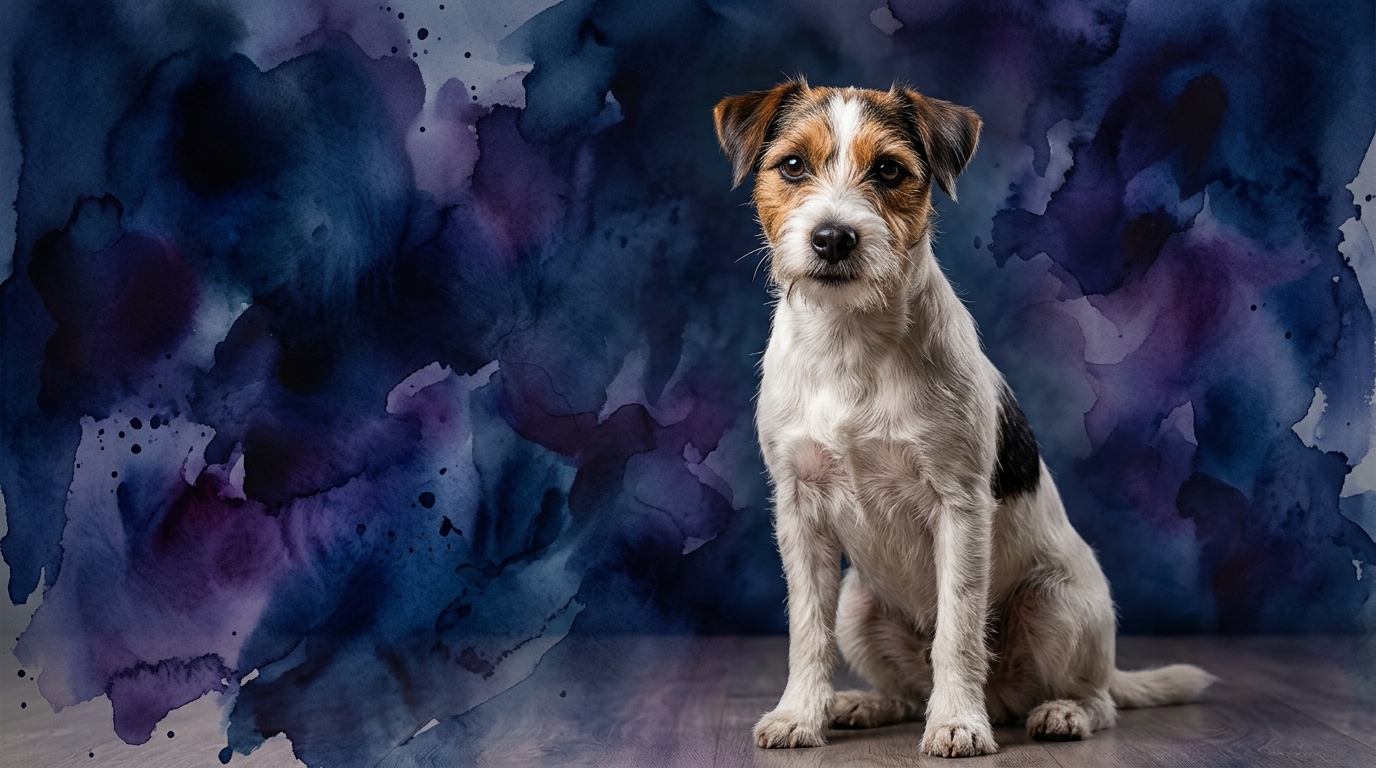
**Parson Russell Terrier (PRT):** Hailing from the Terrier group, the Parson Russell Terrier is not Coren-ranked, yet exhibits a unique blend of cognitive traits. Their **Problem Solving (3/5)** involves tackling challenges with tenacious, often physical, trial-and-error, driven by instinct to overcome obstacles rather than strategic planning; their solutions are direct. For **Training Speed (3/5)**, they learn commands moderately, but their independent nature and strong prey drive can lead to selective obedience, often prioritizing their own motivations. Their **Social Intelligence (3/5)** allows PRTs to effectively navigate social cues within their group, though their focus remains on their interests rather than profound emotional attunement. The **Instinctive Drive (3/5)** is robust, manifesting as strong urges to chase, dig, and explore, a fundamental part of their being requiring consistent channeling. Finally, PRTs possess a solid **Memory (3/5)** for routines and commands, remembering what brings immediate reward, but lack exceptional long-term recall for complex sequences.
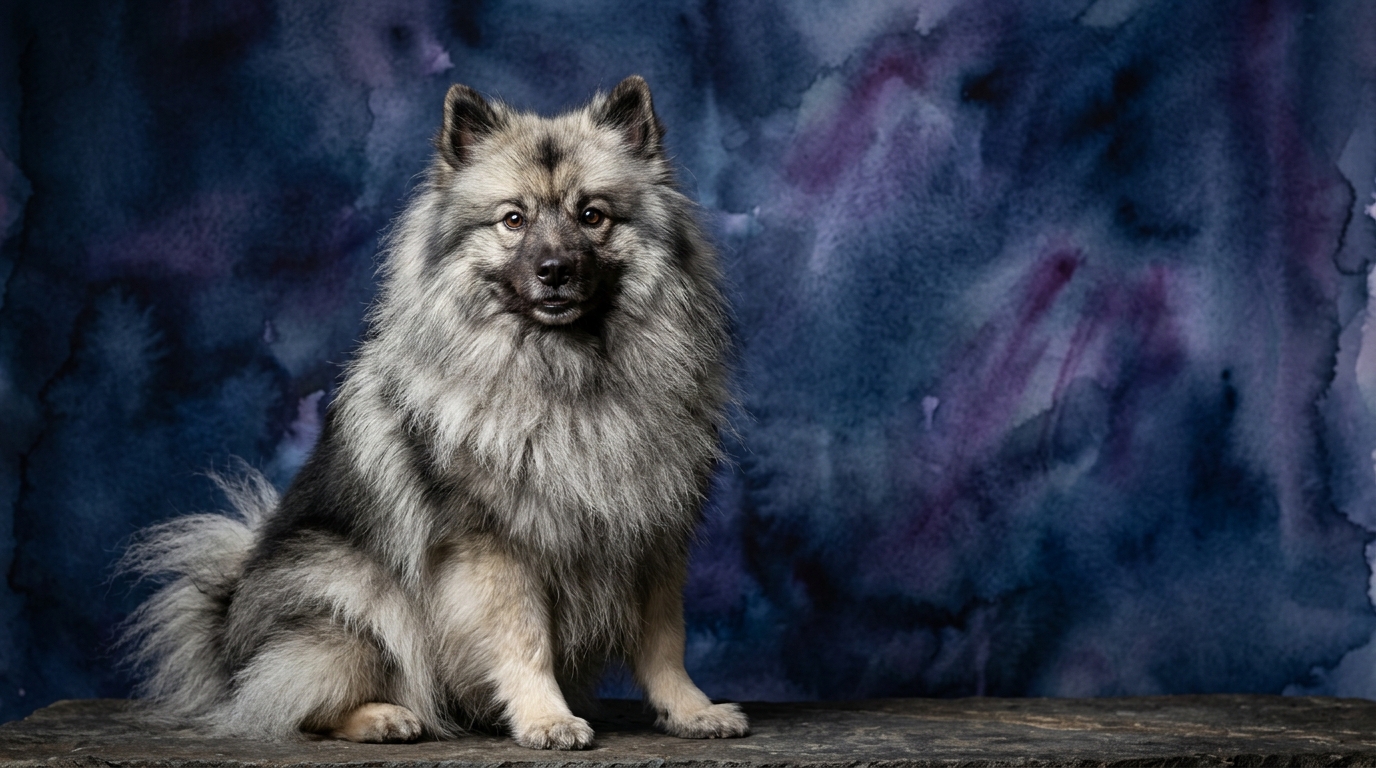
**Keeshond:** Ranked #16 by Coren and belonging to the Non-Sporting group, the Keeshond presents a distinct cognitive makeup. They display higher analytical **Problem Solving (4/5)**, observing situations and devising nuanced solutions; they connect cause and effect readily, adeptly navigating complex environments. This breed quickly absorbs new commands and routines, demonstrating eagerness and efficient grasp of concepts, leading to a **Training Speed (4/5)** that makes them highly receptive students. Their **Social Intelligence (3/5)** means Keeshonden are observant of human moods and intentions, thriving on harmonious family interaction, with their social awareness supporting their role as watchful companions. The **Instinctive Drive (3/5)** focuses on watchfulness and companionship, exhibiting a natural inclination to stay close to family and remain alert to surroundings, rather than prey pursuit. A standout trait, Keeshonden possess an exceptional **Memory (5/5)**, recalling past events, learned behaviors, and specific individuals with impressive accuracy over extended periods, fostering reliable long-term learning.
Where the Parson Russell Terrier Cognitively Excels
The Parson Russell Terrier's cognitive strengths lie particularly in their application of instinctive drive to problem-solving. While their Problem Solving score is 3/5 compared to the Keeshond's 4/5, the *nature* of their problem-solving is distinct. PRTs excel in scenarios requiring relentless physical persistence and independent decision-making, especially when it involves scent work, tracking, or navigating challenging terrain. Their moderate Social Intelligence (3/5) combined with their strong Instinctive Drive (3/5) means they are less likely to defer to human guidance when a compelling instinct takes over, which can be an advantage in tasks requiring self-reliance, like finding a hidden object without direct cues. They are masters of the 'figure it out by doing' approach, applying their physical prowess and determination to situations that might stymie a more contemplative breed.
Where the Keeshond Cognitively Excels
The Keeshond's cognitive superiority is most evident in their exceptional Memory (5/5) and advanced Problem Solving (4/5). This combination allows them to learn and retain complex sequences of commands or multi-step tasks with remarkable efficiency, far surpassing the PRT's 3/5 memory score. A Keeshond can easily remember the layout of a new agility course after only a few repetitions or recall specific training cues learned months prior. Their problem-solving often involves observation and strategic planning, making them adept at tasks requiring sequential logic or understanding how to manipulate objects to achieve a goal. This mental acumen, coupled with their quicker Training Speed (4/5 versus PRT's 3/5), positions them to excel in obedience, trick training, and roles where consistent, precise recall and learned behavior are paramount.
Training Dynamics: Which Breed is Easier to Train?
Evaluating ease of training requires considering both a breed's willingness and their cognitive capacity. The Keeshond, with its Training Speed of 4/5 and outstanding Memory of 5/5, generally presents as the easier breed to train. They grasp new concepts quickly and retain them over the long term, meaning fewer repetitions are needed for a command to become ingrained. Their social intelligence, while rated 3/5 like the PRT, often manifests as a desire to please their family, contributing to their responsiveness. In contrast, the Parson Russell Terrier, with a Training Speed of 3/5 and Memory of 3/5, requires more patience and consistent reinforcement. Their strong Instinctive Drive (3/5) and independent problem-solving (3/5) mean they might be easily distracted by environmental stimuli, such as scents or movement, overriding learned commands. While capable learners, PRTs often need trainers who understand how to channel their terrier tenacity and prey drive into productive training, rather than expecting passive obedience. A Keeshond is more likely to be a willing, attentive student, whereas a PRT might challenge the trainer to make lessons engaging enough to compete with their natural instincts.
Matching Breeds to Lifestyles: Active vs. Relaxed Owners
The Parson Russell Terrier's cognitive profile, particularly their strong Instinctive Drive (3/5) and action-oriented Problem Solving (3/5), makes them an ideal match for active owners. They thrive on physical and mental challenges that engage their natural hunting instincts, such as agility, earthdog trials, or long, varied hikes that allow for exploration. Owners who can provide consistent outlets for their digging, chasing, and scenting behaviors will find a PRT's cognitive energy well-channeled. Their independent streak means they appreciate having a 'job' and can be less content with purely sedentary companionship. Conversely, the Keeshond, with its strong Memory (5/5) and more contemplative Problem Solving (4/5), combined with a moderate Instinctive Drive (3/5 focused on companionship), suits owners seeking a balance. While they enjoy activity and mental stimulation like trick training or obedience, their need for constant high-intensity physical output is lower than a PRT's. They are often content to be watchful companions, participating in family life with less demand for rigorous outdoor adventure, making them suitable for owners with a more relaxed lifestyle who still appreciate a mentally engaged dog.
The Verdict
Choose a Parson Russell Terrier if you are an active, experienced owner who appreciates a tenacious, independent canine partner thriving on physical challenges and instinct-driven tasks.
Opt for a Keeshond if you seek a highly trainable, devoted companion with exceptional memory, suitable for a balanced lifestyle that values mental engagement and consistent, reliable obedience.
🧠 Find Your Pet's IQ Score
Our Pet IQ Lab assessment covers 25+ tests across 5 cognitive dimensions — personalized to your breed.
Take the Full IQ Test →Frequently Asked Questions
Is a Parson Russell Terrier difficult to train due to its independence?
While PRTs have a moderate Training Speed (3/5) and strong instinctive drive, they are not inherently difficult. They require consistent, positive reinforcement and creative training that channels their natural tenacity and prey drive, making training more about engagement than brute force.
How does the Keeshond's exceptional memory benefit owners?
The Keeshond's 5/5 memory score means they learn and retain commands, routines, and experiences with remarkable efficiency. This translates to quicker mastery of obedience, reliable recall even after long periods, and an overall more consistent and predictable companion.
Which breed is better for first-time dog owners?
Given its quicker Training Speed (4/5) and exceptional Memory (5/5), the Keeshond is generally more forgiving for first-time owners. Their eagerness to please and consistent learning make the training process smoother compared to the more independent and instinct-driven Parson Russell Terrier.