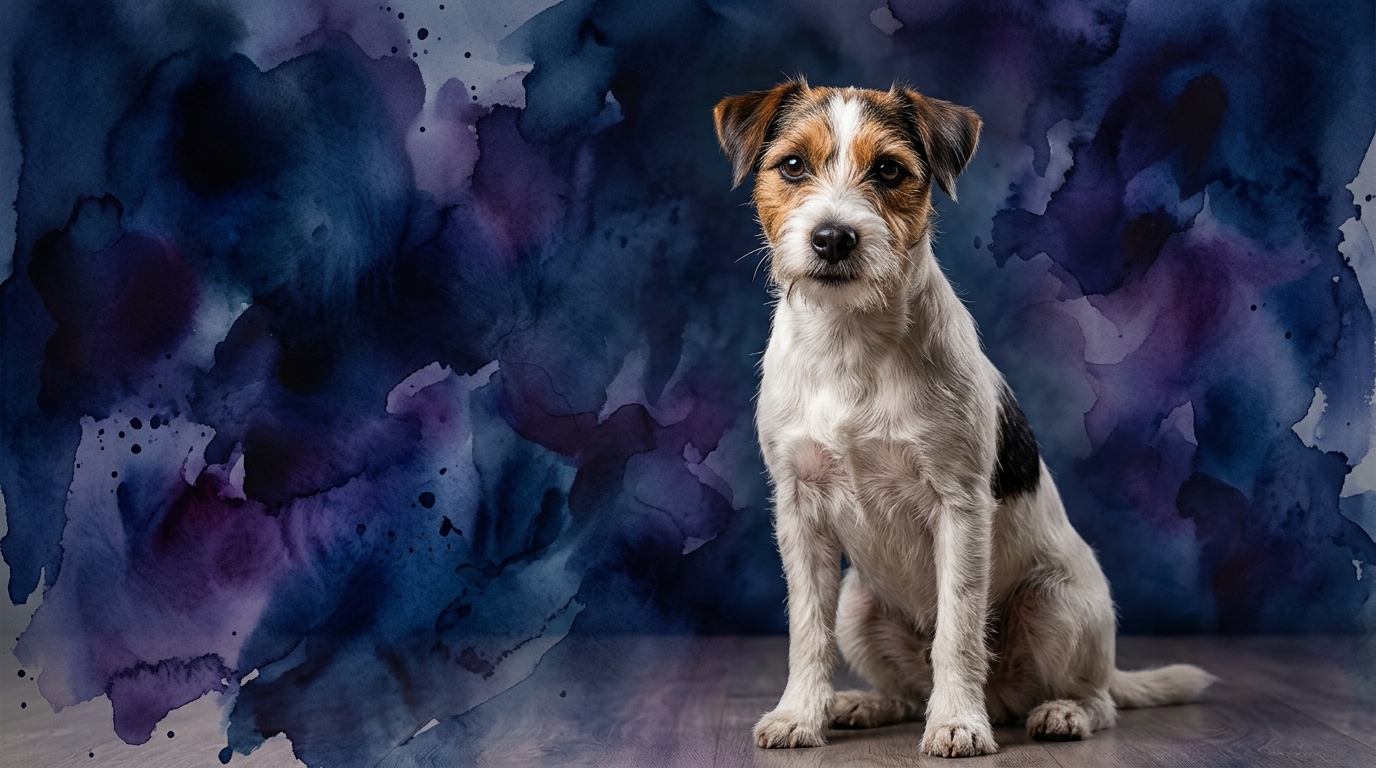
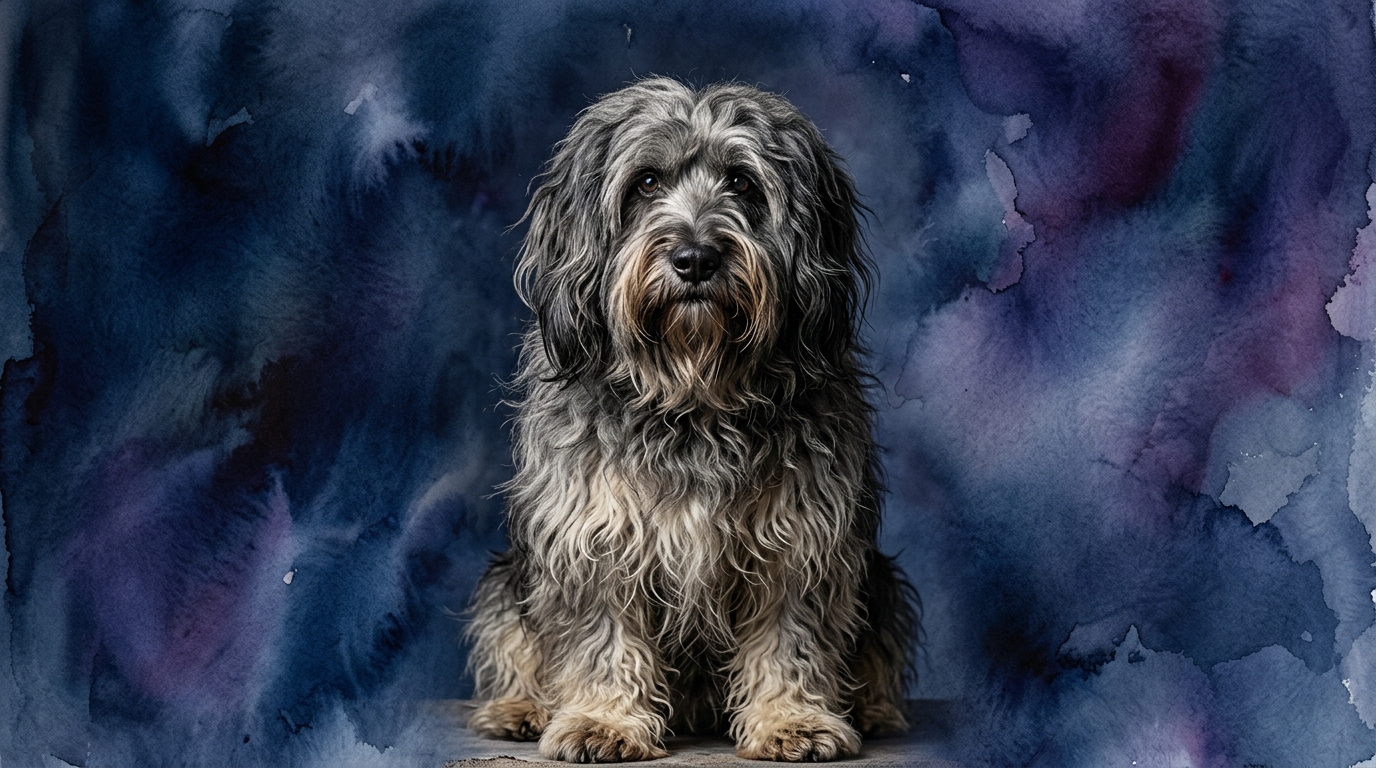
Side-by-Side IQ Profile: Unpacking Identical Scores
While both breeds register a consistent 3/5 across our intelligence metrics, this numerical parity doesn't mean their minds work identically; rather, it signifies a similar *level* of capability expressed through different lenses. Let's explore how a '3/5' manifests uniquely in each dog, reflecting their ancestral roles and inherent temperaments.
For the **Parson Russell Terrier (PRT)**, their **Problem Solving (3/5)** is typically characterized by tenacious, independent strategizing, often focused on overcoming physical obstacles to reach a desired object or pursue a scent. This is the dog who will relentlessly dig under a fence or figure out how to open a cupboard. Their **Training Speed (3/5)** indicates they grasp new commands efficiently, but their independent spirit and strong prey drive mean they require highly engaging, consistent methods to maintain focus and compliance. **Social Intelligence (3/5)** for a PRT often involves keenly observing human cues, but they can be assertive with other animals, interpreting social dynamics through a lens of dominance and territory. Their **Instinctive Drive (3/5)** is a powerful force for hunting, digging, and vocalizing, deeply rooted in their vermin-control heritage. Finally, their **Memory (3/5)** is robust for routines, locations of interest, and learned behaviors, especially those tied to their drives, making both good and unwanted habits persistent.
The **Polish Lowland Sheepdog (PONS)** expresses its **Problem Solving (3/5)** through resourcefulness in managing movement and adapting to environmental changes, much like their ancestors navigating flocks. They might figure out how to subtly guide family members or strategically position themselves to monitor their 'flock.' Their **Training Speed (3/5)** is also efficient, but unlike the PRT, they thrive on positive reinforcement and clear, gentle communication, being more sensitive to harshness. A PONS's **Social Intelligence (3/5)** is marked by a deep attunement to their family's emotions and intentions, forming strong, protective bonds, though they can be reserved and watchful with strangers. Their **Instinctive Drive (3/5)** centers on herding: gathering, protecting, and maintaining order within their perceived territory and family unit, rather than predatory pursuit. The PONS's **Memory (3/5)** is excellent for routines, commands, and remembering individuals and experiences, contributing to their loyalty and protective instincts.
Where Parson Russell Terrier Wins Cognitively
The Parson Russell Terrier excels in situations demanding independent, persistent investigation and a certain boldness in problem-solving. Their 3/5 in problem-solving shines brightest when a task requires single-minded focus on a tangible goal, such as retrieving a hidden toy from a complex setup or navigating an agility course with minimal handler input. Their strong instinctive drive fuels a relentless curiosity, meaning they will often continue to work at a puzzle long after other breeds might give up, demonstrating remarkable grit. This tenacity makes them particularly adept at tasks requiring self-directed initiative and overcoming physical barriers through sheer will, a direct echo of their original purpose in flushing quarry from dens.
Where Polish Lowland Sheepdog Wins Cognitively
The Polish Lowland Sheepdog's cognitive strengths lie in nuanced social understanding and adaptive environmental management. Their 3/5 in social intelligence allows them to excel at reading subtle human cues, often anticipating needs or moods before they are explicitly expressed, making them highly perceptive companions. Their problem-solving, while numerically identical to the PRT, manifests as a more strategic and spatial intelligence, adept at organizing and monitoring their environment and its inhabitants. This can be seen in their ability to gently 'herd' children away from danger or to position themselves optimally to observe the entire household, reflecting their ancestral role in managing and protecting a flock with sensitivity and foresight rather than brute force.
Which is Easier to Train and Why
Despite both breeds scoring 3/5 in training speed, the *experience* of training them can differ significantly due to their behavioral predispositions. The Parson Russell Terrier, with its independent nature and strong prey drive, can be quick to understand commands but may choose to prioritize an interesting scent or a perceived 'job' over handler instruction. Their training requires immense consistency, creativity, and high-value rewards to keep their attention and channel their boundless energy and sometimes stubborn streak. A PRT might learn a command in two repetitions but then decide not to perform it if something more exciting presents itself, requiring a trainer who can consistently out-compete environmental distractions.
In contrast, the Polish Lowland Sheepdog, while equally quick to learn, generally exhibits a greater desire to please its handler and a more sensitive disposition. They respond exceptionally well to positive reinforcement and clear, gentle guidance, thriving on a consistent routine that builds trust. While they might be reserved with strangers or in new environments, once they bond with their trainer, their biddability and focus on their 'flock' make them responsive students. For a novice owner, the PONS might feel 'easier' to train in general obedience because their motivations are often more handler-centric, whereas the PRT demands a more experienced handler who can consistently manage and redirect their formidable intrinsic drives.
Which Suits Active Owners vs Relaxed Owners
When considering lifestyle fit, both breeds require active engagement, but the *type* of activity differs. The Parson Russell Terrier is undeniably suited for highly active owners who thrive on constant motion and mental challenges. Their high energy levels, combined with their instinctive drive and problem-solving tenacity, demand vigorous daily exercise, structured play, and consistent mental stimulation through training or canine sports like agility or earthdog trials. A PRT without sufficient outlets for their energy and intellect can quickly become restless, destructive, or bark excessively, making them a poor fit for a truly 'relaxed' or sedentary household.
The Polish Lowland Sheepdog also requires regular exercise and mental engagement, but their activity needs are often more focused on structured walks, interactive play with their family, and a sense of purpose within the home. While they enjoy being active and can excel in various dog sports, their herding instincts mean they appreciate having a 'job' that involves monitoring and being present with their family. They can be content with slightly less intense, but consistent, activity compared to a PRT, and generally settle well indoors after their needs are met. While not a couch potato, a PONS can adapt better to an owner who enjoys consistent, moderate activity and family-centric engagement, rather than an owner seeking a dog purely for high-octane, independent pursuits.
The Verdict
Choose the Parson Russell Terrier if you are an experienced, highly active owner who enjoys a tenacious, independent companion for demanding canine sports or adventurous outdoor pursuits.
Opt for the Polish Lowland Sheepdog if you seek a loyal, perceptive family guardian who thrives on consistent training, moderate activity, and integrates deeply into family life with a watchful, affectionate presence.
🧠 Find Your Pet's IQ Score
Our Pet IQ Lab assessment covers 25+ tests across 5 cognitive dimensions — personalized to your breed.
Take the Full IQ Test →Frequently Asked Questions
Do identical IQ scores mean these breeds are equally easy to live with?
Not necessarily. While their cognitive capacities are similar, their inherent drives and temperaments (Terrier vs. Herding) dictate how those abilities are expressed, leading to very different daily management and training experiences.
Can a Parson Russell Terrier be a good family dog?
Yes, with the right environment. PRTs can be devoted family members but require significant supervision, consistent training, and ample outlets for their high energy and prey drive to prevent unwanted behaviors, especially around small children or pets.
Are Polish Lowland Sheepdogs good with strangers?
Polish Lowland Sheepdogs are typically reserved with strangers, a trait stemming from their protective herding instincts. They need proper socialization from a young age to ensure they are polite rather than overly wary, but they will likely always be discerning.