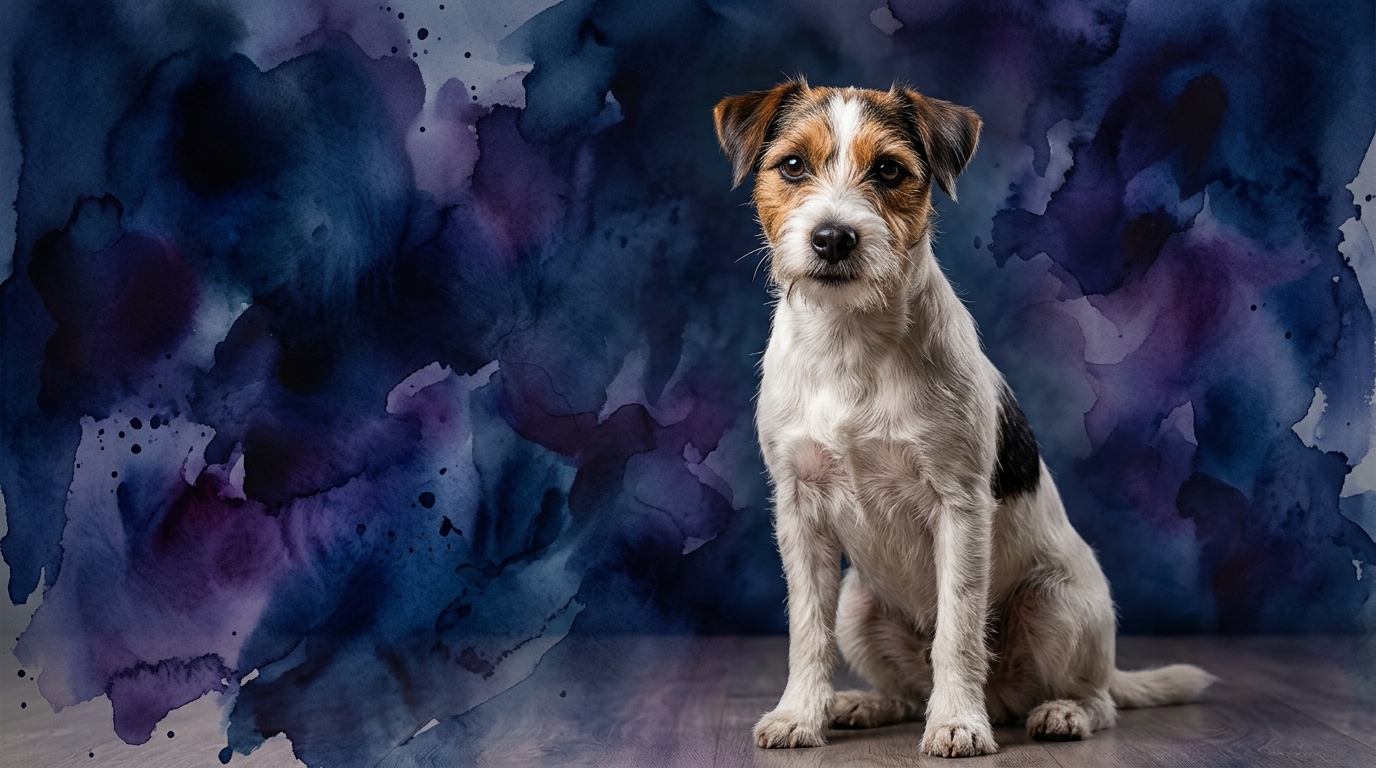
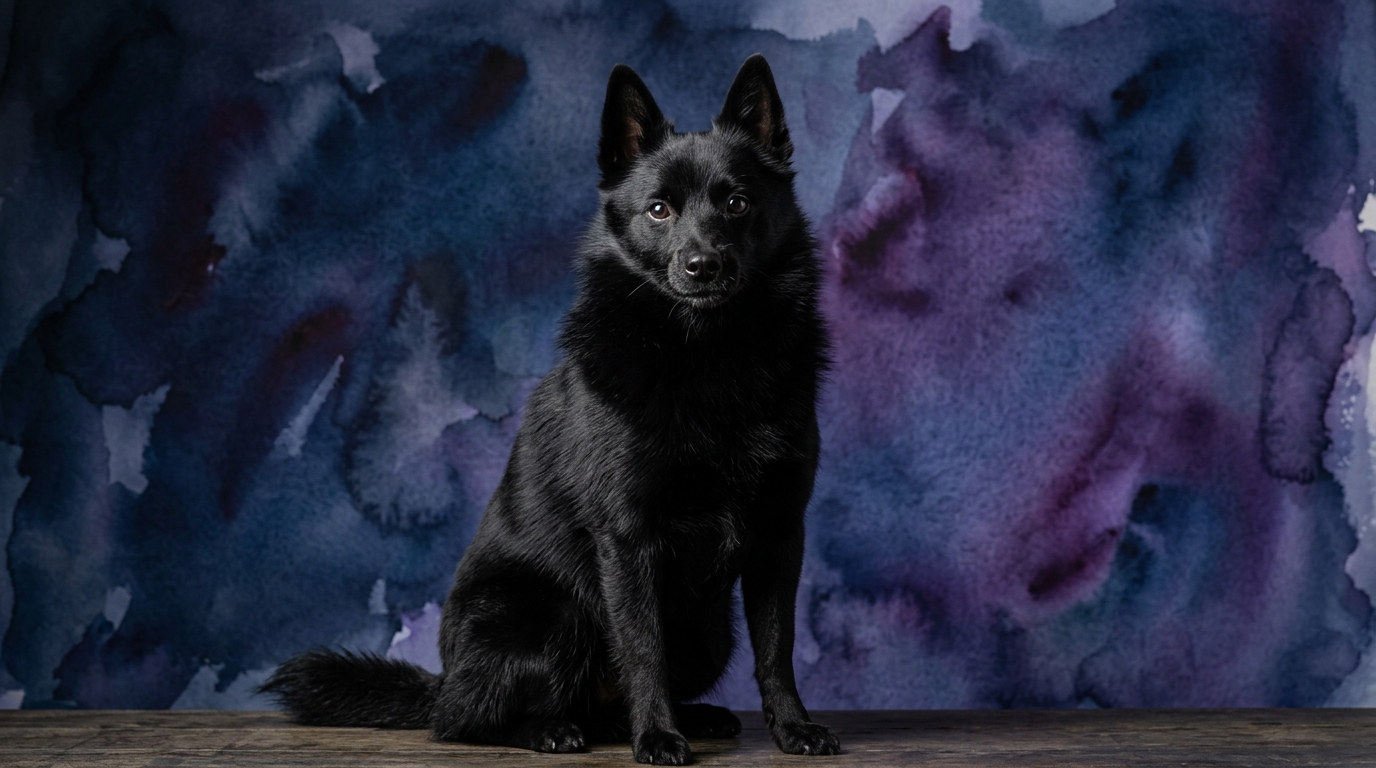
Side-by-Side IQ Profile
The Cosmic Pet Pet IQ Lab provides a unique lens through which to examine the cognitive abilities of different breeds. For the Parson Russell Terrier, we observe a balanced set of attributes, each rated at 3 out of 5. Their Problem Solving at 3/5 suggests they approach challenges with tenacity and practical application, often relying on instinct and trial-and-error rather than abstract reasoning. Training Speed, also at 3/5, indicates they absorb new commands at a moderate pace, requiring consistent and engaging methods to maintain focus. Social Intelligence at 3/5 means they possess a reliable understanding of social cues, though their strong independent streak can sometimes influence their interactions. Their Instinctive Drive, rated 3/5, is geared towards their historical role in hunting and exploration, manifesting as a desire to dig, chase, and investigate. Finally, Memory at 3/5 shows they have a dependable recall for learned routines and familiar environments.
In stark contrast, the Schipperke presents a profile highlighting impressive cognitive agility in specific areas. Their Problem Solving is rated an exceptional 5/5, indicating an ability to quickly analyze complex situations and devise effective strategies. This is mirrored in their Training Speed, also 5/5, which signifies a remarkable capacity to grasp and master new commands rapidly, making them adept at advanced tasks. Social Intelligence for the Schipperke is 3/5, similar to the Parson Russell Terrier, suggesting a keen awareness of their social environment but also a potential wariness towards strangers. Their Instinctive Drive is 3/5, primarily focused on their watchdog and vermin control heritage, resulting in an alert and territorial nature. A standout feature is their Memory, rated 5/5, demonstrating a superior ability to retain a vast repertoire of information over long periods, significantly contributing to their training prowess and overall cognitive function.
Where Parson Russell Terrier Wins Cognitively
The Parson Russell Terrier's cognitive strengths lie in its tenacious application of existing knowledge and its robust physical problem-solving. While the Schipperke might intellectually analyze a barrier, the PRT is more likely to assess its structural weaknesses and then physically burrow under, leap over, or persistently chew through it. Their 3/5 problem-solving, though not as high as the Schipperke's, is driven by an unwavering resolve and a practical, tactile approach. This breed excels when challenges require sustained physical effort and a “never give up” attitude rather than abstract reasoning. For instance, in scent work or tracking, their moderate instinctive drive and memory, combined with sheer persistence, allow them to follow a trail for extended periods, relying on a blend of learned cues and primal instinct. Their social intelligence, while also 3/5, is often coupled with a more boisterous and less reserved approach to new situations compared to the Schipperke, potentially making them quicker to engage physically in play or exploration.
Where Schipperke Wins Cognitively
The Schipperke's cognitive profile shines in areas demanding rapid acquisition of knowledge, sophisticated problem-solving, and exceptional recall. With top scores of 5/5 in both Problem Solving and Training Speed, the Schipperke can quickly assess novel situations and formulate effective strategies, often outmaneuvering complex puzzle toys or learning multi-step commands in fewer repetitions. Their superior memory (5/5) means they not only learn fast but also retain that information over extended periods, making them incredibly reliable in performing intricate routines or remembering specific cues years later. This acuity allows them to excel in dog sports like agility or obedience, where precision, speed, and complex sequencing are paramount. Unlike the PRT's more physical approach to challenges, the Schipperke often displays a more cerebral method, observing, processing, and then executing a refined solution. Their quick wit and ability to connect abstract concepts make them formidable learners in structured environments.
Which is Easier to Train and Why
Based on their Cosmic Pet Pet IQ Lab scores, the Schipperke is demonstrably easier to train, primarily due to its 5/5 Training Speed and 5/5 Memory. These attributes mean a Schipperke will grasp new commands and concepts much faster and retain them more reliably than a Parson Russell Terrier (Training Speed 3/5, Memory 3/5). A Schipperke thrives on mental engagement during training sessions, quickly connecting a cue to an action and remembering the sequence. Their problem-solving prowess also contributes, allowing them to decipher what is expected of them with minimal guidance.
The Parson Russell Terrier, while certainly trainable, requires more patience and consistency. Their moderate training speed means they might need more repetitions to solidify a command, and their independent terrier spirit can sometimes make them less inclined to follow instructions if not sufficiently motivated. While the Schipperke is often eager to please and quick to respond to cues, the PRT might challenge boundaries more, requiring an owner to be firm, fair, and creative in keeping training engaging to counteract potential stubbornness or distractibility from their strong instinctive drives.
Which Suits Active Owners vs. Relaxed Owners
The choice between these breeds largely depends on an owner's lifestyle energy levels. The Parson Russell Terrier, with its moderate instinctive drive (3/5) and tenacious problem-solving, is better suited for active owners who relish outdoor adventures and can provide consistent mental and physical stimulation. Their desire to dig, chase, and explore means they thrive in environments where they can burn off energy and satisfy their natural terrier instincts through structured activities like earthdog trials, long hikes, or vigorous play sessions. A PRT will likely become restless and potentially destructive if confined to a relaxed, sedentary lifestyle without adequate outlets for their energy and curiosity.
Conversely, the Schipperke, while certainly energetic and playful, can adapt more readily to a somewhat less intensely active owner, provided their significant cognitive needs are met. While they enjoy walks and playtime, their higher problem-solving (5/5) and memory (5/5) mean they benefit immensely from mental challenges like puzzle toys, advanced obedience training, or learning complex tricks. A relaxed owner who enjoys teaching new things and engaging in brain games, even indoors, could find a Schipperke a rewarding companion. However, neglecting their need for mental activity, even if physical exercise is moderate, can lead to boredom and mischievous behavior.
The Verdict
Choose a Parson Russell Terrier if you are an active owner who values a tenacious, independent companion for outdoor adventures and structured physical activities, and you are prepared for consistent, engaging training that respects their spirited nature.
Choose a Schipperke if you appreciate a highly trainable, quick-witted dog that excels in learning complex tasks and thrives on mental challenges, and you can provide ample intellectual stimulation alongside regular exercise.
🧠 Find Your Pet's IQ Score
Our Pet IQ Lab assessment covers 25+ tests across 5 cognitive dimensions — personalized to your breed.
Take the Full IQ Test →Frequently Asked Questions
Is the Parson Russell Terrier difficult to train?
The Parson Russell Terrier isn't inherently difficult, but their independent spirit and moderate training speed (3/5) mean they require consistent, patient, and engaging methods. Owners should be prepared for more repetitions and creative motivation to keep them focused.
Are Schipperkes good for first-time dog owners?
Schipperkes can be suitable for first-time owners due to their high training speed and memory (5/5), making them quick learners. However, their sharp minds and potential for mischief if bored mean a first-time owner must be committed to consistent training and mental stimulation.
Which breed is more vocal?
The Schipperke is generally considered more vocal, often using barks to alert their owners to anything unusual, a trait stemming from their watchdog history. Parson Russell Terriers can also be vocal, especially when excited or pursuing prey, but the Schipperke's alertness often translates to more frequent vocalizations.