Side-by-Side Cognitive Profiles
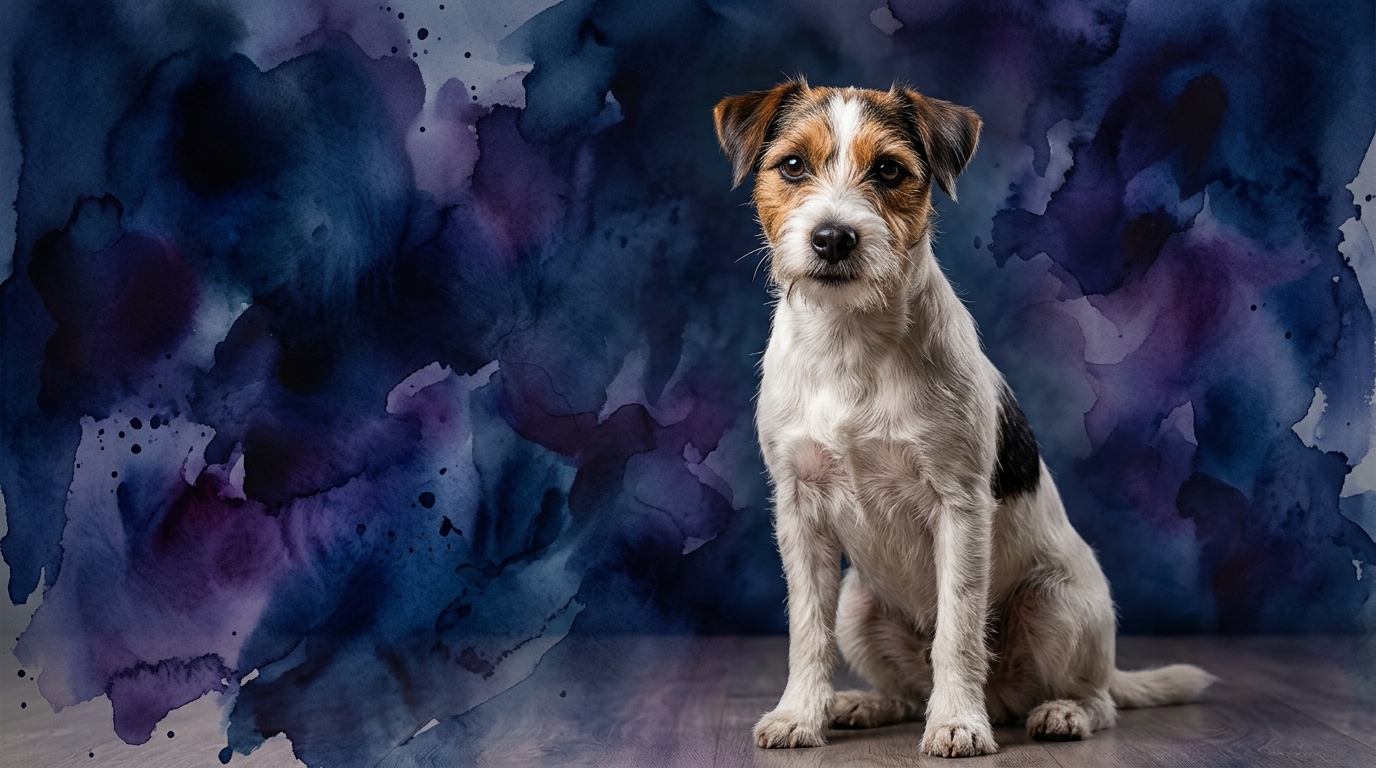
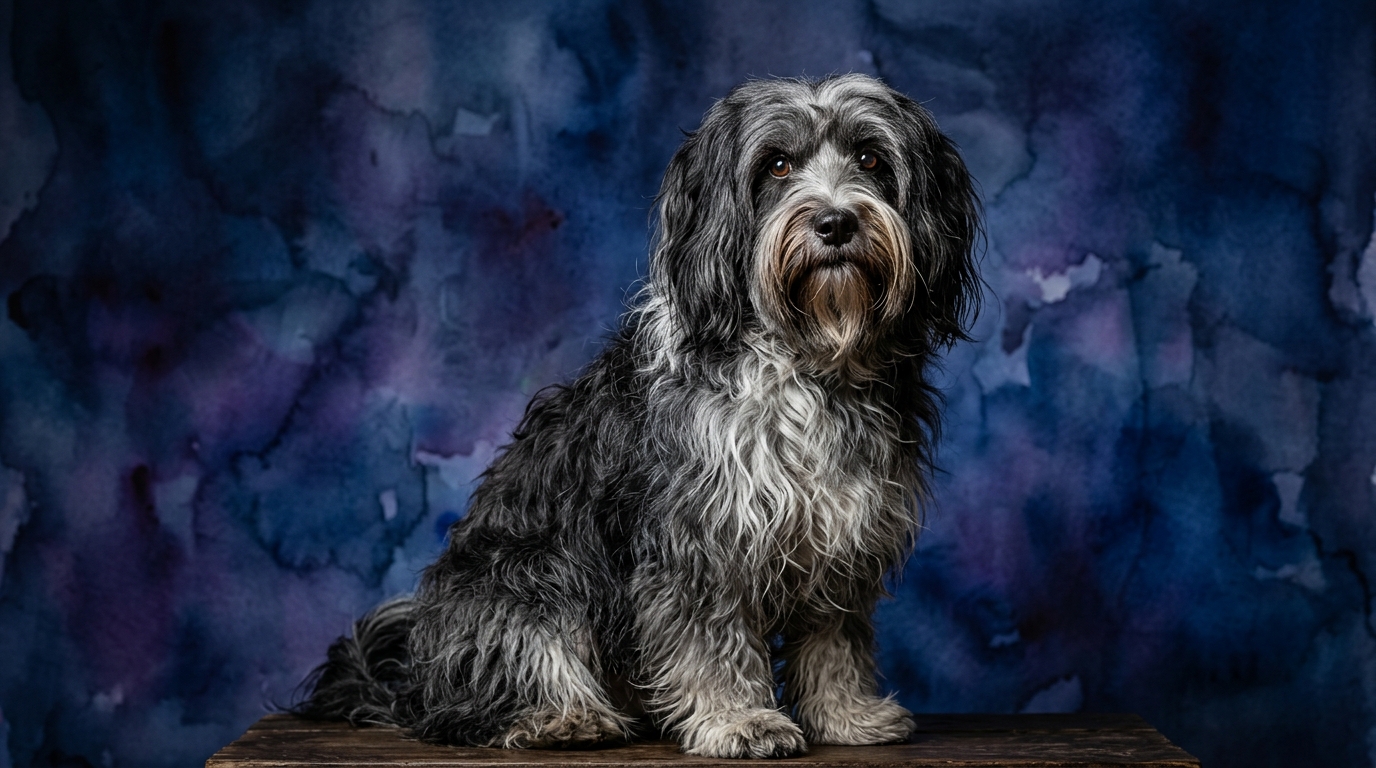
While both the Parson Russell Terrier (PRT) and the Tibetan Terrier (TT) register identical scores across our five cognitive dimensions, their breed histories and inherent temperaments dictate how these abilities are expressed. The PRT, a robust working terrier, is not ranked by Coren, while the TT, a companion and guardian from the Himalayas, holds Coren rank #63. This difference hints at distinct applications of their core intelligence.
For **Problem Solving (3/5)**, the Parson Russell Terrier often demonstrates this through persistent, physical means, driven by a strong desire to achieve a tangible goal, like unearthing a scent or retrieving a hidden toy. Their solutions are typically direct and tenacious, reflecting their heritage of independent hunting. The Tibetan Terrier, conversely, applies its problem-solving acumen with a more observant and adaptable approach, perhaps figuring out how to open a cupboard or navigate a complex route to a desired spot. Their solutions might involve a blend of cleverness and understanding their environment, rather than pure force.
In **Training Speed (3/5)**, the Parson Russell Terrier can grasp new commands quickly, but their strong will and independent nature mean they might choose to prioritize their own interests over compliance, especially if a more stimulating distraction arises. They learn rapidly when motivated, but consistent execution requires engaging methods that hold their attention. The Tibetan Terrier also learns at a moderate pace, but their sensitivity and desire to please their family can make them more receptive to positive reinforcement. They may take a bit longer to generalize commands to new situations, but once they understand an expectation, they are often keen to meet it, provided the training is gentle and consistent.
**Social Intelligence (3/5)** in the Parson Russell Terrier manifests as a keen awareness of their human's intentions, particularly when those intentions align with their desires for activity or play. They are adept at reading cues for exciting events and can be quite assertive in communicating their needs. With other dogs, they understand social hierarchies but are often confident enough to challenge them. The Tibetan Terrier displays its social intelligence through a deep attunement to family dynamics and emotional states, acting as a compassionate and watchful companion. They often form profound bonds and are excellent at sensing changes in household moods, though they can be reserved and discerning with strangers, indicating a thoughtful social assessment.
Regarding **Instinctive Drive (3/5)**, the Parson Russell Terrier is propelled by a powerful prey drive, an urge to dig, and a propensity for vocalization, all stemming from generations of working underground. Their drive is often focused on pursuit and investigation. The Tibetan Terrier's instinctive drive is rooted in its role as a watchful companion and guardian. This translates to an agile alertness, a desire for close companionship, and a natural tendency to survey their surroundings and alert their family to anything unusual, rather than a strong hunting impulse.
Finally, **Memory (3/5)** for the Parson Russell Terrier involves recalling successful strategies for problem-solving, the locations of exciting smells, and the routines that lead to engaging activities. They remember who provides the most stimulating interactions and adventures. The Tibetan Terrier exhibits a strong memory for established routines, specific people, and past experiences, both positive and negative. This contributes to their consistent companionship and their ability to anticipate daily events, influencing their interactions and preferences over time.
Where the Parson Russell Terrier Excels Cognitively
The Parson Russell Terrier truly shines in situations demanding tenacious, independent problem-solving, especially when a clear, physical goal is involved. Their cognitive strength lies in their ability to single-mindedly pursue an objective, overcoming obstacles through sheer will and clever physical manipulation. For instance, in an earth dog trial, their capacity to navigate complex tunnels, locate a scent, and persistently 'work' the quarry requires a specific kind of focused intelligence and an unyielding drive. Their quick decision-making in dynamic, stimulating environments, coupled with their ability to learn from immediate consequences in a fast-paced scenario, sets them apart. They excel at tasks requiring sustained mental and physical effort to achieve a defined outcome, demonstrating a resourceful intelligence tailored for action.
Where the Tibetan Terrier Excels Cognitively
The Tibetan Terrier’s cognitive advantages lie in their nuanced social awareness and their observational learning skills within a complex domestic environment. Their ability to subtly read human emotions, anticipate routines, and adapt to household dynamics demonstrates a sophisticated social intelligence. They often excel at understanding indirect cues and learning by watching, which is highly valuable in a companion role. For example, a Tibetan Terrier might learn a complex sequence of events, like the specific steps that precede a walk, and then prompt their owner accordingly. Their agility, combined with their thoughtful problem-solving, also makes them adept at navigating intricate indoor spaces or learning complex agility courses with precision and grace, often considering their movements rather than just powering through.
Training Ease: PRT vs. TT
Despite both breeds scoring 3/5 in training speed, the perceived ease of training can differ significantly due to their behavioral predispositions. The Parson Russell Terrier, with its independent nature and strong instinctive drive, can be challenging for general obedience. They learn quickly but often require a trainer who can consistently outwit their drive and offer high-value rewards to maintain focus against compelling distractions, like a passing squirrel. Their understanding of a command doesn't always guarantee immediate compliance if their terrier instincts are engaged. Conversely, the Tibetan Terrier, while capable of stubbornness, often responds well to patient, positive reinforcement and a strong, trust-based bond with their trainer. Their sensitivity means harsh methods are counterproductive, but their desire for companionship makes them generally more biddable once they fully comprehend the task and feel secure in the training process. For consistent, everyday obedience, the Tibetan Terrier is often considered easier for the average owner, while the Parson Russell Terrier demands a more experienced and dedicated approach to channel their formidable drive effectively.
Matching Canine Companions to Lifestyles
For **active owners**, the Parson Russell Terrier is an ideal match. These dogs require consistent, vigorous physical exercise and substantial mental stimulation to prevent boredom and destructive behaviors. Owners who enjoy dog sports like agility, flyball, earth dog trials, or long, adventurous hikes will find a spirited partner in the PRT. They thrive with individuals who appreciate a dog with a strong personality, a keen sense of adventure, and the willingness to engage in structured 'work' or challenging play sessions daily. Their energy is not easily sated by a simple walk around the block; they need to run, explore, and problem-solve on a grand scale.
For **relaxed owners**, the Tibetan Terrier, while still requiring regular exercise, generally presents a more adaptable profile. They are content with consistent daily walks, moderate playtime, and thrive on being an integral part of family life. Owners who appreciate a devoted, watchful companion that enjoys indoor companionship and thoughtful interactions will find a suitable partner. While they possess agility and can participate in dog sports, their overall demand for intense physical activity is lower than that of the PRT. They are excellent for those who seek a sensitive, adaptable dog that values close bonds and contributes a calm, observant presence to the home, rather than a constant quest for high-octane adventure.
The Verdict
Choose a Parson Russell Terrier if you are an experienced, active owner seeking a tenacious, spirited companion for adventurous outdoor pursuits and mental challenges, willing to embrace and manage a strong prey drive and independent streak.
Choose a Tibetan Terrier if you are looking for a devoted, watchful family companion who thrives on close bonds and moderate activity, appreciates a thoughtful and adaptable nature, and can provide gentle, consistent guidance within a harmonious home.
🧠 Find Your Pet's IQ Score
Our Pet IQ Lab assessment covers 25+ tests across 5 cognitive dimensions — personalized to your breed.
Take the Full IQ Test →Frequently Asked Questions
Do Parson Russell Terriers make good family pets?
Parson Russell Terriers can be wonderful family pets for active households that understand their energetic nature and need for consistent engagement. They thrive with owners who can provide ample mental and physical stimulation, as well as clear boundaries.
Are Tibetan Terriers good with children?
Tibetan Terriers are generally good with respectful children, often forming strong bonds with their family members. Their watchful and sensitive nature means they appreciate a calm environment and positive interactions, making them suitable companions for considerate kids.
What's the main difference in energy levels between these two breeds?
The Parson Russell Terrier typically exhibits a higher, more persistent energy level, requiring significant daily exercise and mental challenges to prevent boredom. The Tibetan Terrier, while agile, has a more moderate energy requirement, content with consistent walks and playtime but less demanding than its terrier counterpart.