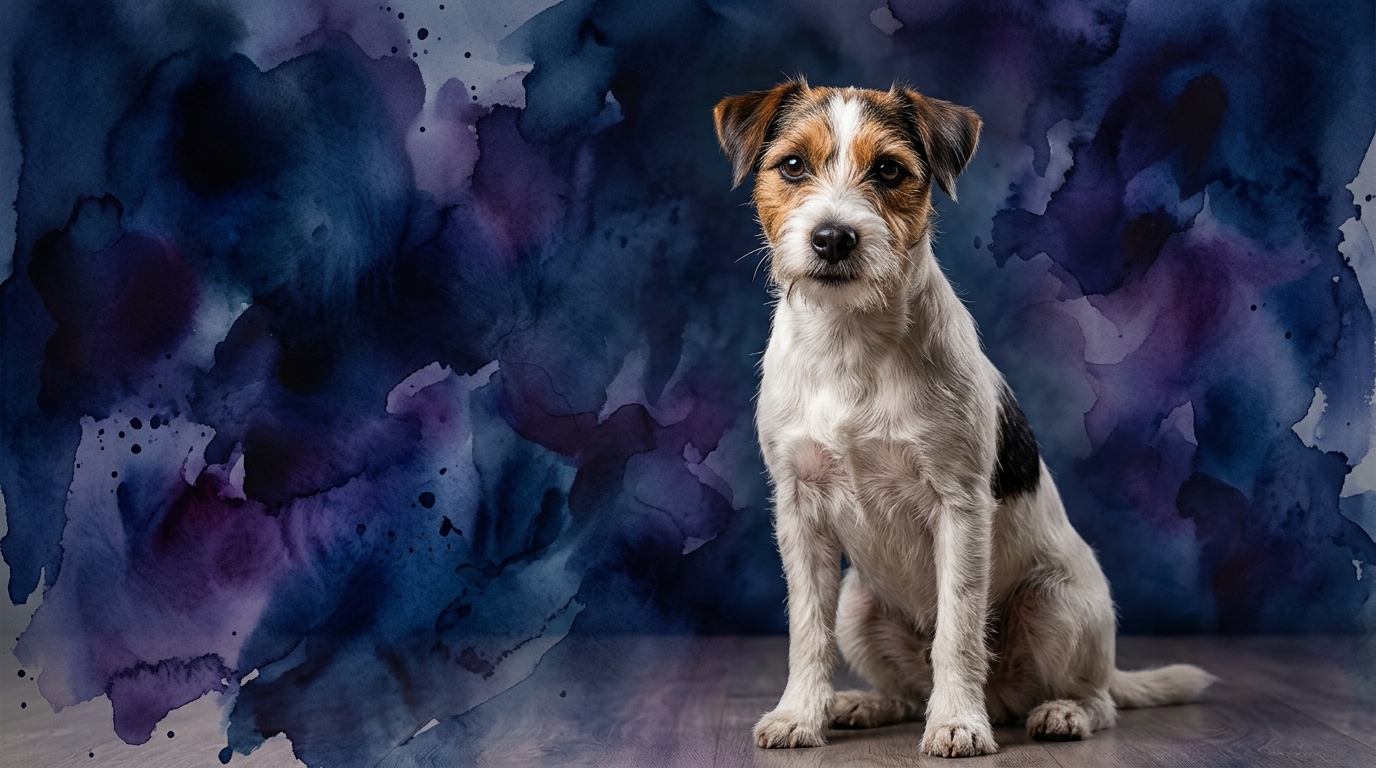
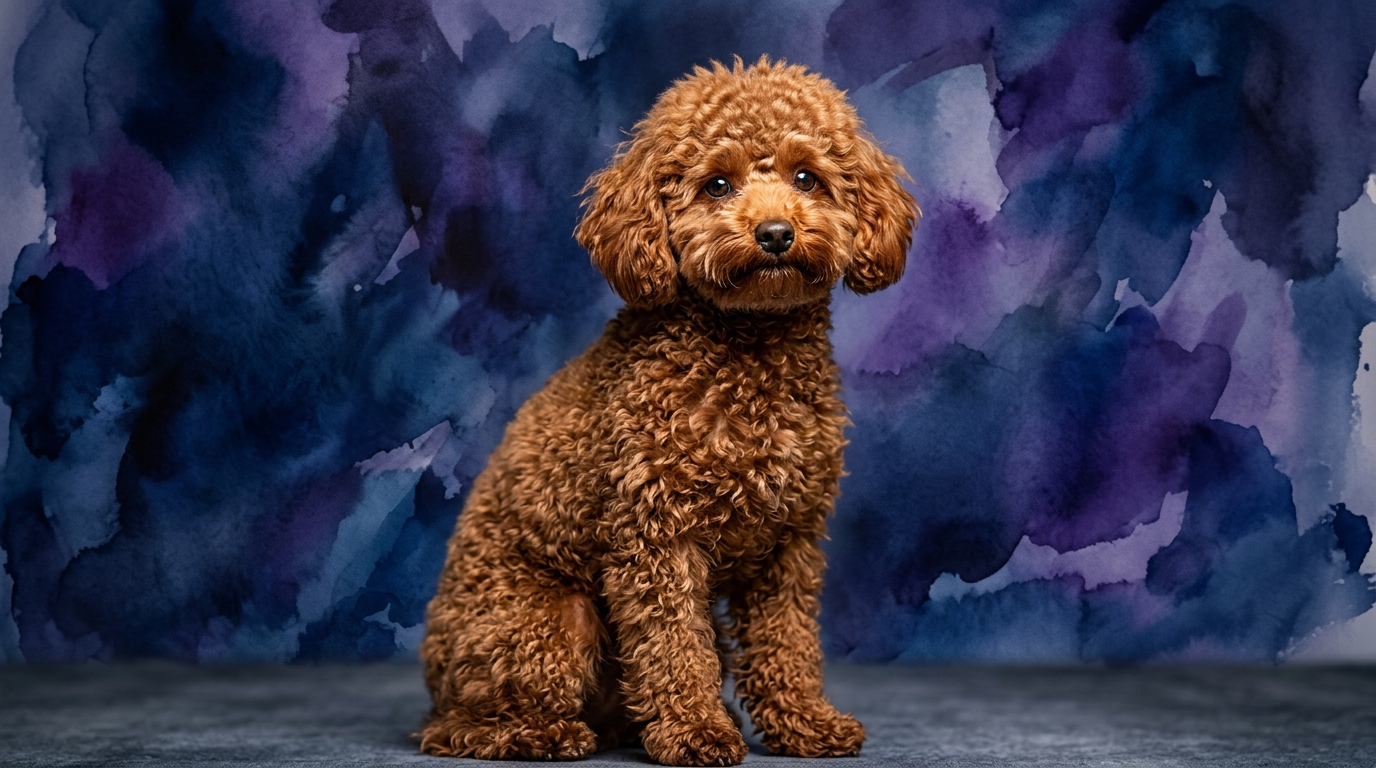
Side-by-Side IQ Profile: Parson Russell Terrier vs. Toy Poodle
The Cosmic Pet Pet IQ Lab employs five key dimensions to assess a breed's cognitive makeup, offering a nuanced understanding beyond simple labels. For the Parson Russell Terrier, we see a profile reflecting its working heritage: Problem Solving (3/5), Training Speed (3/5), Social Intelligence (3/5), Instinctive Drive (3/5), and Memory (3/5). This combination suggests a dog with practical, self-directed intelligence, driven by its innate purpose.
In stark contrast, the Toy Poodle presents a different cognitive landscape, aligning with its Coren rank #2 status: Problem Solving (5/5), Training Speed (5/5), Social Intelligence (3/5), Instinctive Drive (3/5), and Memory (5/5). This profile indicates a breed exceptionally adept at abstract thought and rapid learning, balanced with a moderate social and instinctive core. Understanding these scores in detail illuminates the unique cognitive architecture of each breed.
For the Parson Russell Terrier, a 3/5 in Problem Solving reflects a practical, often independent approach, excelling at navigating physical challenges or figuring out how to get to a desired object. Their solutions are typically direct and driven by their objective, sometimes involving a degree of persistence or even stubbornness. Training Speed at 3/5 means they are capable of learning, but their independent streak may require more repetition and motivation, as they often question 'what's in it for me?' before fully committing. Social Intelligence at 3/5 indicates they can read human cues and interact appropriately within a family, though their focus might often be external—on scents, sounds, or potential 'prey.' Their 3/5 Instinctive Drive is significant for a terrier, manifesting as a strong prey drive, a desire to dig, bark, and explore, heavily influencing their behavior. Finally, a 3/5 Memory means they possess a functional recall for commands and routines, though it might be more selective, prioritizing experiences related to their instinctive drives or those that yielded a rewarding outcome.
The Toy Poodle's 5/5 in Problem Solving demonstrates exceptional aptitude for abstract problem-solving, quickly grasping complex tasks, puzzles, and sequences, often displaying a nuanced understanding of cause and effect. Their 5/5 Training Speed means they are remarkably swift in learning new commands, tricks, and routines, often picking up concepts with minimal repetition, eager to engage with their human partners. While Social Intelligence is 3/5, they are generally attuned to human emotions and social dynamics, forming strong bonds and seeking to please within their family unit. A 3/5 Instinctive Drive suggests they retain some hunting heritage, including a moderate prey drive and enjoyment of retrieving, often channeled into play or agility. Crucially, their 5/5 Memory ensures they possess an outstanding ability to retain a vast repertoire of commands, social cues, and past experiences, recalling lessons from long ago and applying learned behaviors in new contexts.
Where the Parson Russell Terrier Wins Cognitively
The Parson Russell Terrier's cognitive strengths truly shine in scenarios demanding independent thought and the tenacious application of their instincts. While their Problem Solving is rated 3/5, it's a different kind of problem-solving than the Toy Poodle's abstract abilities. A Parson Russell excels at real-world, physical puzzles like figuring out how to navigate a complex hedgerow to flush a scent, or persistently digging to uncover a buried toy. Their 3/5 Instinctive Drive fuels a relentless determination, allowing them to focus on a task with unwavering single-mindedness, a quality that can sometimes override immediate obedience but is invaluable for their original working purpose. This breed's resilience in the face of environmental challenges, coupled with their ability to make quick, on-the-spot decisions driven by their drives, gives them an edge in rugged, unpredictable environments where self-reliance is paramount. Their intelligence is less about rapid compliance and more about resourceful, self-directed action.
Where the Toy Poodle Wins Cognitively
The Toy Poodle's cognitive superiority is evident across multiple dimensions, particularly in abstract learning and retention. Their 5/5 Problem Solving score means they are adept at tasks requiring logical deduction, pattern recognition, and strategic thinking, often solving complex puzzles designed for dogs with remarkable speed. This exceptional problem-solving ability, combined with a 5/5 Training Speed, allows them to master a vast array of commands, tricks, and even multi-step routines with minimal repetition, making them stars in obedience, agility, and even specialized assistance roles. Furthermore, their 5/5 Memory ensures that once a lesson is learned, it is deeply ingrained and readily recalled, enabling consistent performance and the ability to build upon previous knowledge. This combination of rapid acquisition and solid retention makes the Toy Poodle incredibly versatile and adaptable to diverse learning environments, from competitive sports to intricate home routines.
Which is Easier to Train and Why
Without question, the Toy Poodle is significantly easier to train than the Parson Russell Terrier, primarily due to their superior Training Speed (5/5) and Memory (5/5). Toy Poodles possess an innate eagerness to learn and please, combined with the cognitive capacity to quickly grasp new concepts and retain them long-term. They are highly responsive to positive reinforcement, thriving on mental engagement and the interaction with their trainers. Their focus during training sessions is typically excellent, leading to rapid progress in obedience, trick training, and even complex behavioral modifications, allowing them to excel in diverse canine sports and roles requiring precision and responsiveness.
In contrast, the Parson Russell Terrier, with a 3/5 Training Speed and 3/5 Memory, presents more of a training challenge. Their strong Instinctive Drive (3/5) and independent problem-solving often mean they prioritize their own impulses, such as chasing a scent or digging, over human commands. While they are capable of learning, their attention can be more easily diverted, and they may require more creative, consistent, and highly motivating training methods to overcome their natural inclinations. Training a Parson Russell often feels like a negotiation, requiring an owner with patience, humor, and a deep understanding of terrier psychology to channel their drive constructively into desired behaviors, rather than relying solely on rapid compliance.
Which Suits Active Owners vs. Relaxed Owners
The Parson Russell Terrier is undeniably a breed for active, engaged, and often outdoorsy owners. Their robust energy levels, combined with a strong Instinctive Drive and a need for physical and mental stimulation, mean they thrive in environments where they can run, explore, and use their keen senses. Owners who enjoy hiking, trail running, dog sports like earthdog trials or agility, or simply have a large, secure yard for vigorous play will find a compatible companion in the Parson. A relaxed owner who cannot provide consistent outlets for their terrier's energy and drive will likely find themselves with a bored, potentially destructive, and restless dog, as their cognitive makeup demands an outlet for their innate working tendencies.
The Toy Poodle, while also requiring mental and physical activity, offers more flexibility in lifestyle and can suit a broader range of owners, including those with a more relaxed pace, provided their cognitive needs are met. Their trainability and desire for companionship make them excellent partners for urban living, apartment dwellers, or individuals who prefer indoor activities like puzzle toys, learning new tricks, or engaging in competitive obedience. While they certainly enjoy walks and structured playtime, their exercise needs can often be fulfilled through shorter, more focused bursts of activity rather than prolonged, intense physical exertion. A relaxed owner who enjoys intellectual engagement with their dog, such as daily training sessions or brain games, can find the Toy Poodle an ideal, adaptable companion that flourishes with mental stimulation.
The Verdict
Choose a Parson Russell Terrier if you're an active, experienced owner ready to embrace a tenacious, independent spirit with a robust working drive, valuing a dog that solves real-world challenges with grit.
Opt for a Toy Poodle if you seek a highly trainable, intelligent companion eager to learn and excel in diverse activities, offering profound mental engagement and adaptability to various living situations.
🧠 Find Your Pet's IQ Score
Our Pet IQ Lab assessment covers 25+ tests across 5 cognitive dimensions — personalized to your breed.
Take the Full IQ Test →Frequently Asked Questions
Do Parson Russell Terriers require a lot of mental stimulation?
Yes, Parson Russell Terriers absolutely need significant mental stimulation to prevent boredom, which can manifest as destructive behaviors. Their instinctive drive means they benefit greatly from activities like puzzle toys, scent work, and consistent, engaging training sessions that challenge their problem-solving abilities.
Are Toy Poodles good for first-time dog owners?
Toy Poodles can be excellent for first-time dog owners due to their high trainability and eagerness to please. Their quick learning and good memory make them relatively easy to teach basic obedience, though their need for consistent mental engagement means a first-time owner must be prepared for ongoing training and brain games.
How do their energy levels compare?
The Parson Russell Terrier generally possesses higher, more sustained energy levels, requiring vigorous daily exercise and outlets for their strong prey drive. Toy Poodles, while active and playful, tend to have more moderate energy requirements that can often be met with shorter, focused play sessions and regular walks, coupled with significant mental exercise.