Side-by-Side IQ Profile: Unpacking Identical Scores
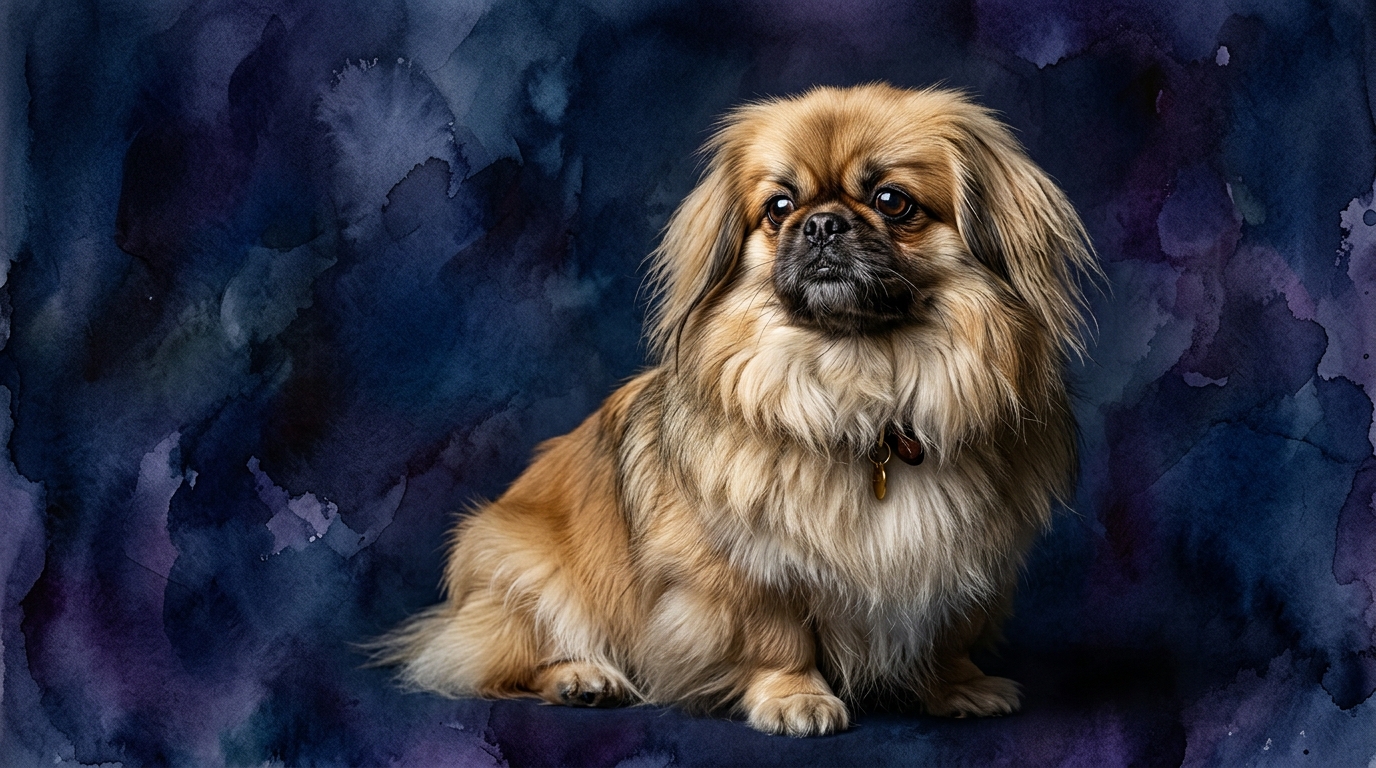
The Pekingese, a breed steeped in imperial history, registers a consistent 3/5 across all evaluated cognitive dimensions: problem-solving, training speed, social intelligence, instinctive drive, and memory. This means their problem-solving ability often manifests in navigating the complexities of a comfortable home, subtly communicating desires for attention, or finding the most luxurious napping spot. Their training speed reflects an aptitude for learning household routines and boundaries, though their independent spirit might mean they learn what *they* deem valuable. Social intelligence for a Pekingese is typically highly attuned to their chosen human's moods, fostering a deep, albeit selective, bond. Their instinctive drive is channeled into watchful guardianship of their immediate territory and person, while their memory allows them to recall routines, preferred people, and specific comfort zones with precision. Notably, they are ranked #77 in Coren's assessment of working and obedience intelligence, indicating a capacity for formal instruction within their unique framework.
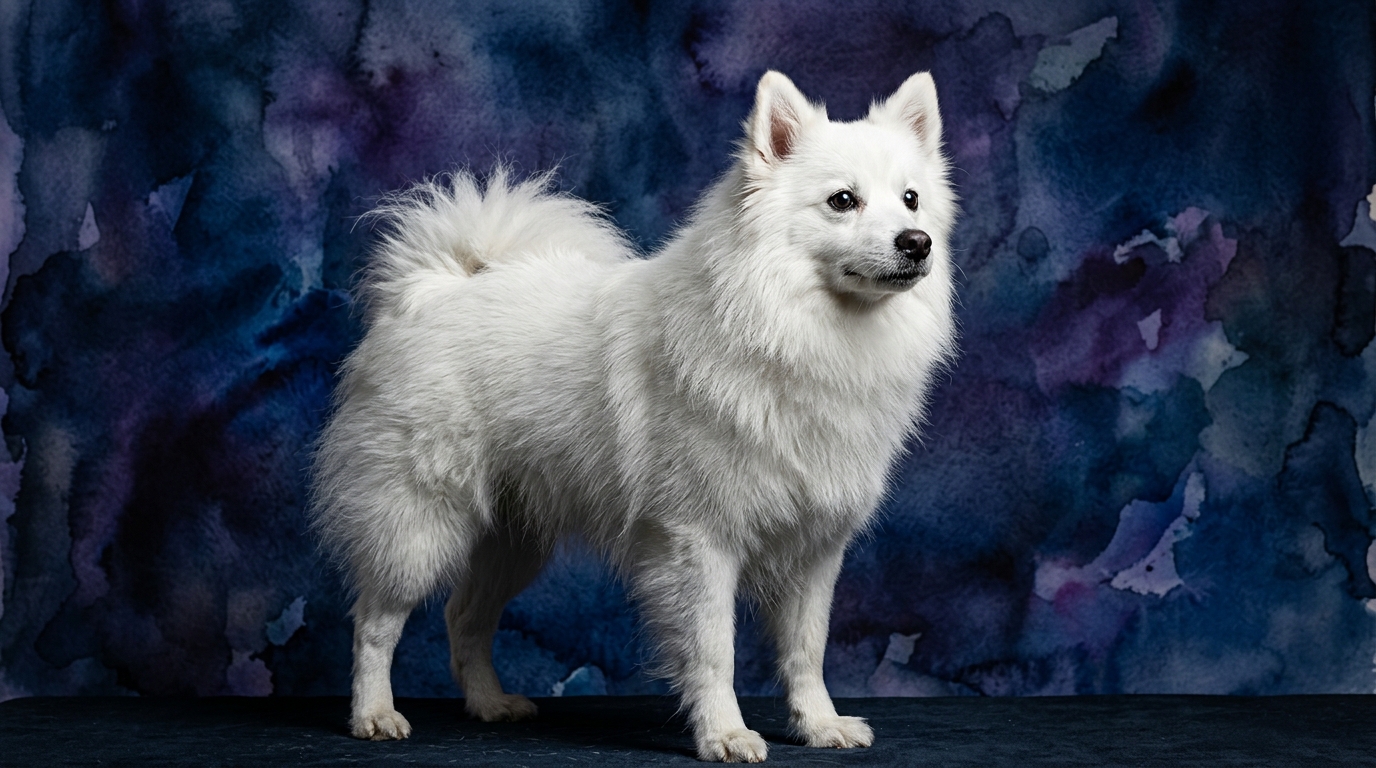
The American Eskimo Dog, with its heritage rooted in performance and farm work, also scores 3/5 across problem-solving, training speed, social intelligence, instinctive drive, and memory. For the Eskie, problem-solving might involve figuring out how to open a cabinet, mastering a complex puzzle toy, or devising a new game. Their training speed suggests a good capacity for learning and retaining a wide variety of commands and behaviors, especially when engaged through positive reinforcement. Social intelligence allows them to interact and charm a broader range of people and often other animals, displaying a generally outgoing demeanor. Their instinctive drive is expressed through a desire to engage in tasks, often accompanied by characteristic vocalizations or a natural herding tendency. Memory supports their ability to retain extensive trick repertoires or complex routes. While not listed on Coren's specific ranking, this does not suggest a deficit, but rather highlights that their cognitive strengths might emphasize different applications of intelligence, such as adaptability and versatility in varied environments, rather than strict obedience trials.
Where the Pekingese Shines Cognitively
The Pekingese excels in specific applications of their cognitive abilities that align with their companion nature. Their social intelligence (3/5) is particularly nuanced, allowing them to read subtle human cues and moods with remarkable accuracy, often anticipating needs or desires without overt commands. This enables them to forge incredibly deep, personalized bonds, making them perceptive and comforting presences. Their memory (3/5) further supports this by allowing them to consistently recall routines, preferred interactions, and specific comforts, reinforcing their role as a steadfast, observant companion.
Furthermore, the Pekingese's problem-solving (3/5) often manifests as strategic thinking directed towards personal comfort and securing attention. They are adept at manipulating their environment or their human to achieve desired outcomes, whether it's getting the prime spot on the sofa or a specific treat. Their instinctive drive (3/5) is finely tuned to protecting their perceived territory and cherished person, making them surprisingly alert and effective little watchdogs. This combination of social acuity, memory for routines, and a self-serving problem-solving approach makes them masters of the domestic domain.
Where the American Eskimo Dog Excels Cognitively
The American Eskimo Dog's cognitive strengths lie in their adaptability and active engagement with their environment. Their problem-solving ability (3/5) is often demonstrated through their ingenuity in navigating new situations, figuring out complex interactive toys, or even finding creative ways to overcome perceived barriers. Coupled with their training speed (3/5), this makes them proficient learners, capable of mastering a wide array of commands, tricks, and even multi-step tasks, reflecting their historical versatility in various working roles.
Eskies also shine in their dynamic application of social intelligence (3/5) and instinctive drive (3/5). They are typically more outwardly communicative and engaging, using their social skills to interact broadly and often charm new acquaintances. Their instinctive drive pushes them towards mental and physical activity, making them eager participants in games, training sessions, and even dog sports. Their memory (3/5) serves them well in these active pursuits, enabling them to recall complex sequences of actions or navigate intricate courses. This makes them well-suited for owners who enjoy channeling canine cleverness into productive and fun endeavors.
Training Dynamics: Pekingese vs. American Eskimo Dog
Training a Pekingese, despite their 3/5 training speed, can present unique challenges due to their independent and often 'what's in it for me?' attitude. While they are fully capable of learning house rules and basic commands, their motivation often hinges on high-value rewards and a clear understanding of personal benefit. Patience and consistent positive reinforcement are crucial; harsh methods are counterproductive for this sensitive breed. They excel at learning routines and will adhere to them once they are established, but don't expect them to be eager for complex obedience drills or agility courses unless it's a game they choose to play.
The American Eskimo Dog, also with a 3/5 training speed, generally responds with more enthusiasm and eagerness to please. Their background as performers and versatile farm dogs means they often thrive on mental stimulation and enjoy the process of learning. They are quick to pick up new commands and tricks, and their desire for interaction makes them highly trainable with engaging, consistent methods. However, their intelligence and energy mean that without sufficient mental challenge, an Eskie can become bored, potentially leading to nuisance behaviors like excessive barking or destructive chewing as they invent their own entertainment. Their training benefits from variety and purpose.
Lifestyle Suitability: Active vs. Relaxed Owners
For owners seeking a relaxed, devoted companion, the Pekingese is an excellent match. Their problem-solving and social intelligence are perfectly suited to a calm, predictable home environment where they can observe and interact on their own terms. They thrive on close companionship and appreciate routines that prioritize comfort and quiet affection. Their instinctive drive (3/5) is typically expressed through alert guardianship from a favored spot, rather than a demand for strenuous physical activity. This breed is content with gentle walks and ample lap time, making them ideal for individuals or families who prefer a more sedentary lifestyle.
Conversely, the American Eskimo Dog is better suited for active owners or families prepared to provide significant mental and physical engagement. Their consistent 3/5 scores across all cognitive dimensions indicate a need for outlets that challenge their clever minds and energetic bodies. They excel when given tasks, whether it's advanced obedience, trick training, agility, or regular interactive play. Their social intelligence benefits from varied interactions, and their instinctive drive pushes them to participate actively in family life. Owners who can channel the Eskie's considerable energy and intelligence into constructive activities will find a loyal, engaging, and highly capable canine partner.
The Verdict
The Pekingese is an ideal companion for those seeking a devoted, observant presence who enriches a calm household with their quiet companionship and nuanced social understanding. They thrive with owners who appreciate their independent spirit and subtle expressions of affection.
The American Eskimo Dog suits active individuals or families eager to engage a bright, versatile canine partner in various activities, from advanced obedience to dog sports. They flourish when their considerable mental and physical energy is constructively channeled.
🧠 Find Your Pet's IQ Score
Our Pet IQ Lab assessment covers 25+ tests across 5 cognitive dimensions — personalized to your breed.
Take the Full IQ Test →Frequently Asked Questions
Are Pekingese difficult to train?
Pekingese have a training speed of 3/5, meaning they are capable learners but often require consistent, positive reinforcement that appeals to their independent nature. They may not be eager to perform complex tricks but can master household manners effectively if motivated.
Do American Eskimo Dogs need a lot of mental stimulation?
Yes, with a problem-solving and instinctive drive score of 3/5, American Eskimo Dogs benefit greatly from regular mental challenges. Without engaging activities, their clever minds can lead to boredom and potentially destructive behaviors as they seek their own entertainment.
How does Coren rank #77 for Pekingese compare to the American Eskimo Dog not being ranked?
Coren's ranking primarily assesses working and obedience intelligence, indicating the Pekingese's capacity for formal command learning. The American Eskimo Dog's absence from this specific list does not imply lower overall intelligence, but rather that their cognitive strengths might manifest differently, perhaps in areas like adaptability or problem-solving beyond strict obedience.