Side-by-Side IQ Profile: Pekingese vs. Schipperke
The Cosmic Pet Pet IQ Lab employs a five-dimensional framework to assess canine intelligence, offering a nuanced perspective beyond simple obedience. Let's examine how the Pekingese and Schipperke stack up, noting their Coren rankings as a general indicator of working intelligence.
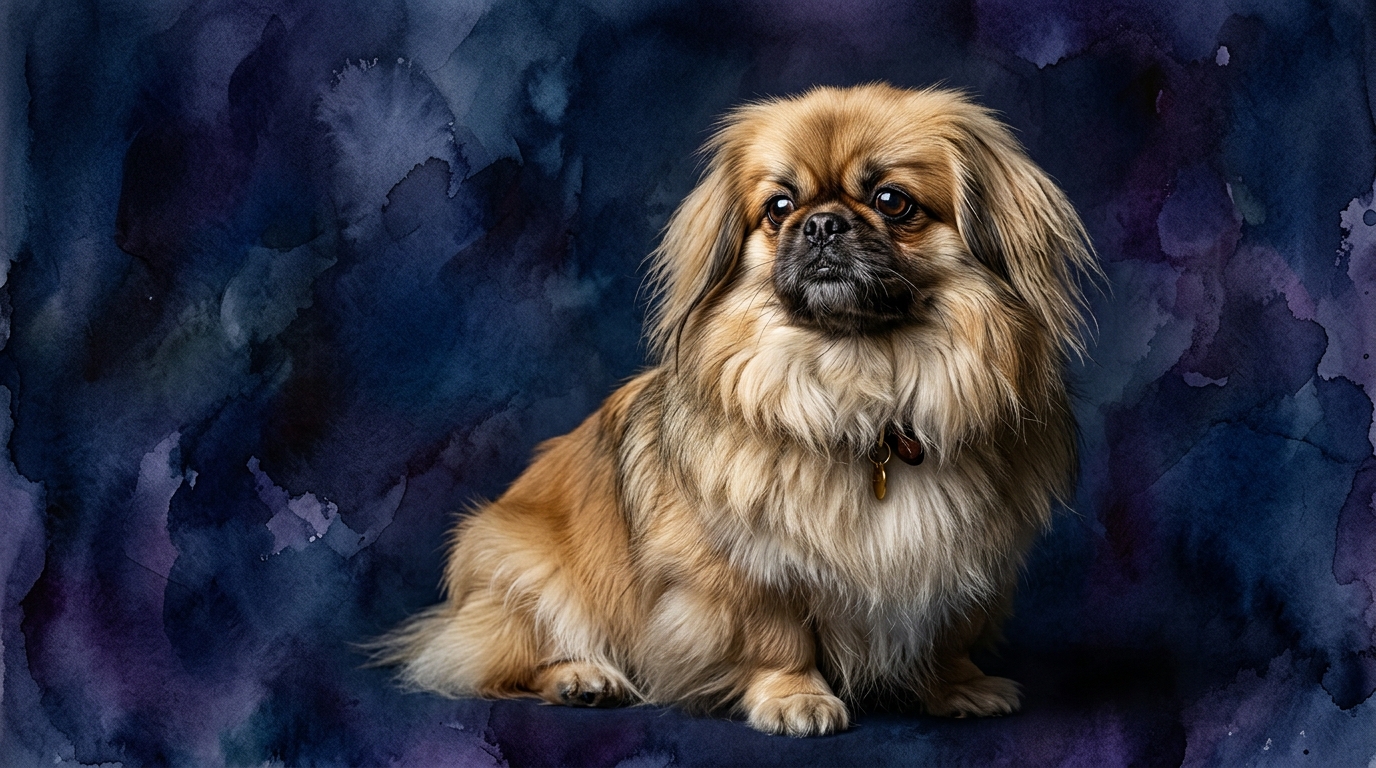
**Pekingese (Coren Rank #77)**: This ancient Toy breed, historically favored by Chinese royalty, exhibits a consistent cognitive profile across the board.
**Problem Solving (3/5):** The Pekingese displays a moderate aptitude for novel challenges, often preferring observation over immediate engagement. They can learn simple obstacles but may require more repetition or less abstract problems.
**Training Speed (3/5):** Learning new behaviors takes consistent, patient instruction. Their independent spirit means new commands might take longer to solidify, responding best to positive reinforcement.
**Social Intelligence (3/5):** They show moderate understanding of human cues, forming strong bonds with primary caregivers but remaining reserved with strangers. Social situations are interpreted through loyalty.
**Instinctive Drive (3/5):** Instinctive drives like guarding or hunting are present but moderate. This manifests as alert barking rather than intense predatory or working drives, making them content without complex outlets.
**Memory (3/5):** Possessing solid, but not exceptional, memory, they recall learned commands and routines, particularly positive ones, but may struggle with intricate or infrequent instructions.
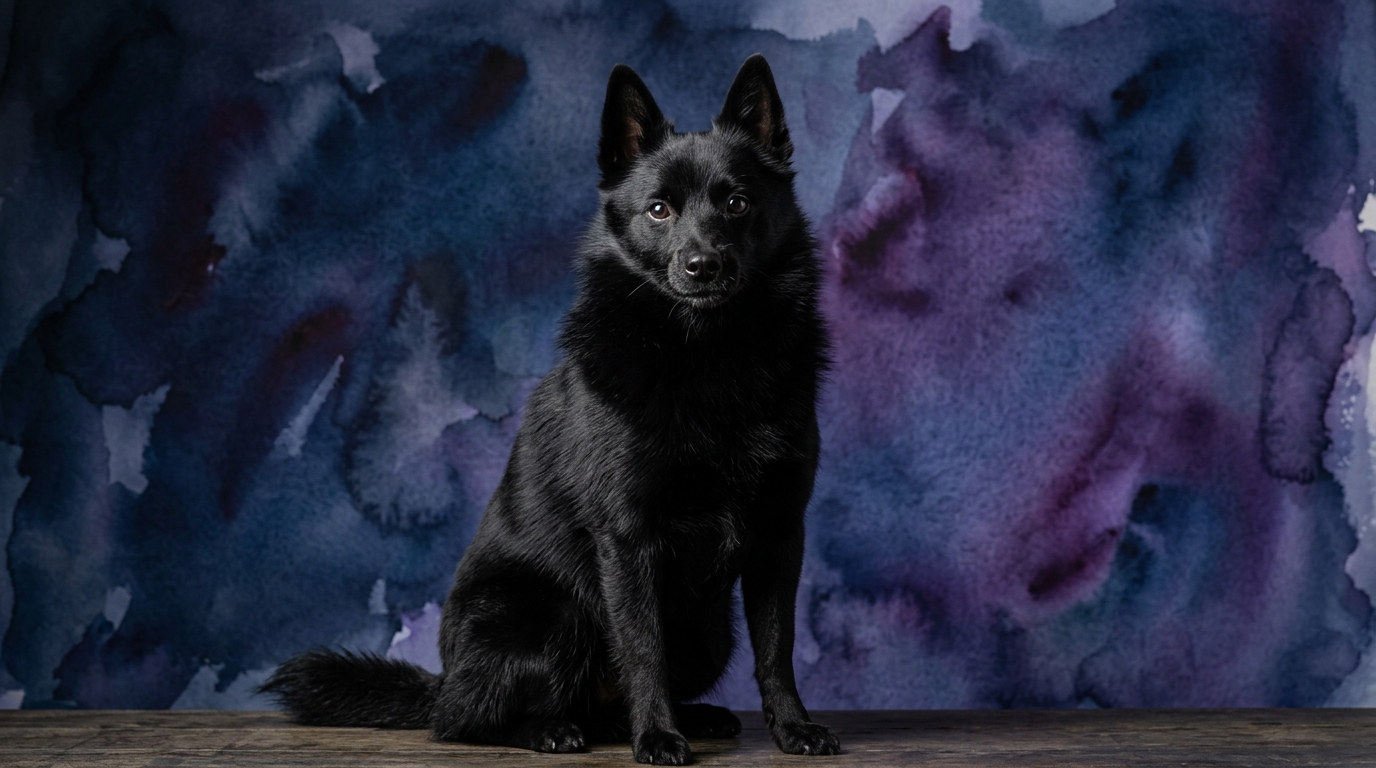
**Schipperke (Coren Rank #15)**: The 'little captain' from Belgium, a Non-Sporting breed, presents a profile marked by impressive cognitive agility.
**Problem Solving (5/5):** Schipperkes excel at problem-solving, keenly analyzing situations and devising solutions. They adeptly navigate complex environments and often outsmart barriers, indicating high cognitive flexibility.
**Training Speed (5/5):** They grasp new concepts and commands remarkably quickly, often needing only a few repetitions. Their eagerness to learn makes them highly responsive, excelling in obedience and trick training.
**Social Intelligence (3/5):** Moderate social intelligence means they are highly attuned to family emotions but can be wary of outsiders until trust is established, displaying intense loyalty within their circle.
**Instinctive Drive (3/5):** Their historical ratting and guarding roles mean these drives are present but manageable. They retain a strong prey drive for vermin and alert guarding, typically directed and not overwhelming.
**Memory (5/5):** Schipperkes boast exceptional memory, recalling vast repertoires of commands, routines, and experiences with remarkable accuracy. This contributes significantly to their rapid learning and adaptability.
Where the Pekingese Wins Cognitively
The Pekingese's cognitive profile, while not scoring highest in typical performance metrics, offers distinct advantages. Their moderate instinctive drive (3/5) means they are less prone to intense prey drive or overwhelming territorial behaviors, translating into a calmer home presence. This lower intensity across instinctive behaviors allows for a more relaxed existence, with guarding manifesting as alert barking rather than persistent vigilance. Furthermore, their moderate social intelligence (3/5) fosters a deeply loyal and focused bond with their immediate family, often content with a smaller social circle. Their independence, a facet of their 3/5 problem-solving and training speed, means they are often capable of entertaining themselves, requiring less constant human direction. This self-contained cognitive approach allows them to thrive in environments where constant 'work' or intricate mental puzzles aren't the daily expectation, fostering a calm, self-assured demeanor.
Where the Schipperke Wins Cognitively
The Schipperke's cognitive strengths are pronounced across multiple dimensions. Their exceptional problem-solving (5/5) and memory (5/5) enable them to quickly assess situations, retain complex information, and apply past learning to novel challenges. This combination allows for rapid acquisition of intricate multi-step commands and an uncanny ability to anticipate routines. Their outstanding training speed (5/5) further enhances this, as they grasp new concepts with minimal repetition, offering immediate feedback and demonstrating genuine enthusiasm for learning. This efficiency makes them remarkably rewarding to train, excelling in advanced obedience or agility. While their social intelligence (3/5) and instinctive drive (3/5) are moderate, their overall cognitive agility allows them to quickly adapt social responses and channel natural instincts constructively, making them highly versatile for various roles beyond companionship, such as alert dogs or engaging sport participants.
Training Ease: Pekingese vs. Schipperke
For ease of training, the Schipperke (Training Speed 5/5, Memory 5/5) clearly outperforms the Pekingese (Training Speed 3/5, Memory 3/5). The Schipperke's rapid information assimilation means new commands are learned in fewer repetitions, and their sharp recall ensures behaviors stick. This leads to quicker progress in basic obedience and even advanced canine sports, often mastering commands like 'sit' or 'stay' within a few sessions and consistently offering them. In contrast, the Pekingese's moderate training speed and memory demand greater patience and consistency. They may require more repetitions, and their independent streak, linked to moderate problem-solving, means they are less inherently driven to please. Training a Pekingese requires creative reinforcement and appreciation for their dignified, sometimes stubborn, nature, resulting in a slower process. Schipperkes, with their zest for mental engagement and quick retention, offer a more straightforward and faster training journey, suiting novice trainers or those aiming for structured activities.
Matching Cognitive Profiles to Lifestyles
The Pekingese, with its moderate cognitive scores, generally aligns with relaxed owners. Their 3/5 instinctive drive and problem-solving suggest contentment with a less demanding mental and physical routine, thriving on companionship and gentle strolls. An owner appreciating an independent dog not requiring constant complex activities will find them a harmonious fit. Their moderate social intelligence means they are often satisfied with a smaller, familiar social circle, avoiding extensive social outings. For owners seeking a calm, self-possessed companion requiring moderate exercise and mental stimulation, the Pekingese is ideal. Conversely, the Schipperke, with its 5/5 problem-solving, training speed, and memory, suits active owners who relish mental engagement and structured activities. This breed's sharp, inquisitive mind needs regular outlets; owners enjoying teaching tricks, dog sports, or providing puzzle toys will find the Schipperke thrives. Their moderate instinctive drive channels energy into constructive tasks. Vigilant and curious, they are excellent companions for owners dedicated to consistent training, outdoor adventures, and stimulating environments.
The Verdict
For those seeking a dignified, independent companion content with a calm routine and moderate mental engagement, the Pekingese offers steadfast loyalty and a serene presence.
If your lifestyle involves consistent training, mental challenges, and a desire for a dog eager to learn and excel in structured activities, the bright and agile Schipperke will be an exceptionally rewarding partner.
🧠 Find Your Pet's IQ Score
Our Pet IQ Lab assessment covers 25+ tests across 5 cognitive dimensions — personalized to your breed.
Take the Full IQ Test →Frequently Asked Questions
Are Pekingese difficult to train?
Pekingese are not inherently difficult, but their training requires significant patience and consistent positive reinforcement. Their independent nature and moderate training speed mean they take longer to learn new commands compared to more biddable breeds, often needing more creative motivation.
Do Schipperkes need a lot of mental stimulation?
Yes, Schipperkes possess a keen intellect and exceptional problem-solving abilities, necessitating regular mental challenges. They thrive on puzzle toys, learning new tricks, and participating in structured activities to prevent boredom and channel their cognitive energy constructively.
Which breed is better for apartment living?
Both breeds can adapt to apartment living, but with different considerations. The Pekingese's lower energy and moderate instinctive drive make them naturally suited for smaller spaces, while the Schipperke requires consistent mental and physical outlets to thrive in an apartment environment.