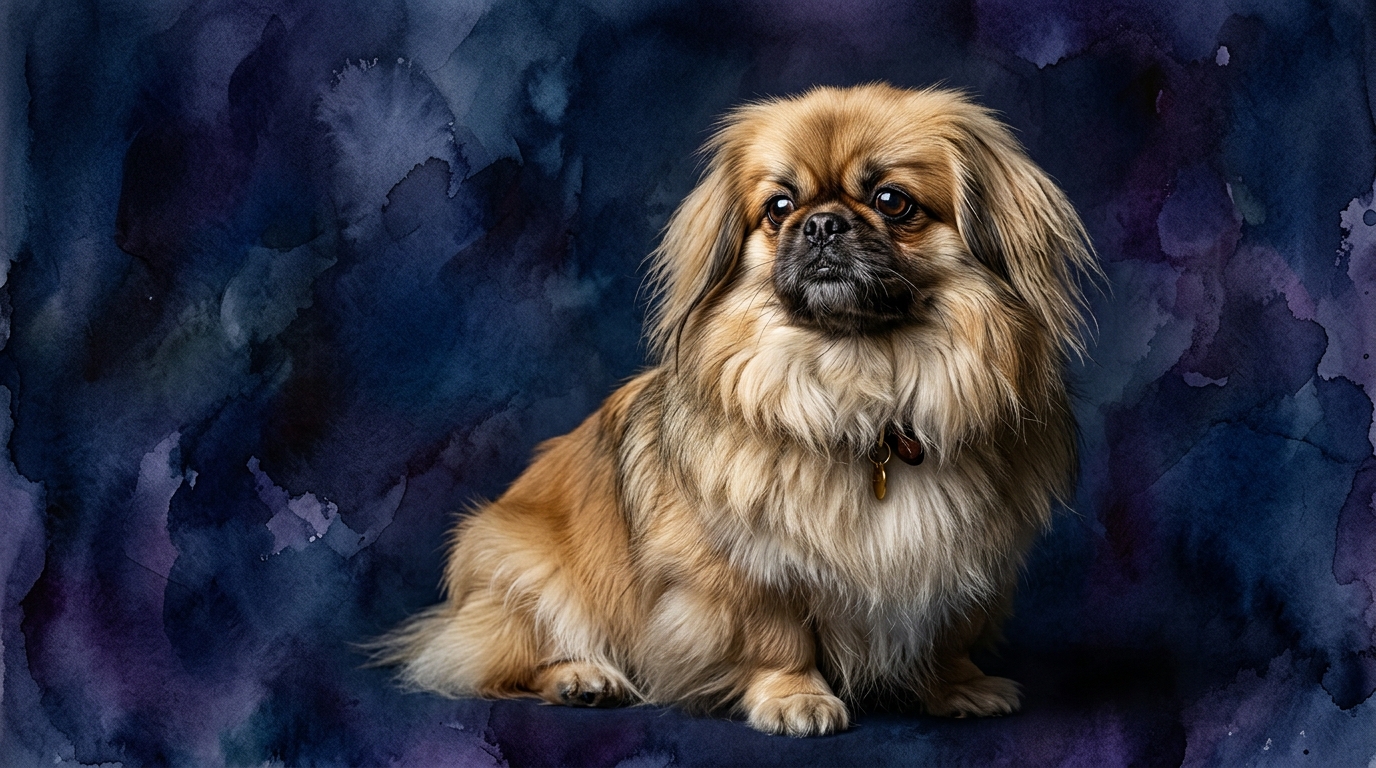
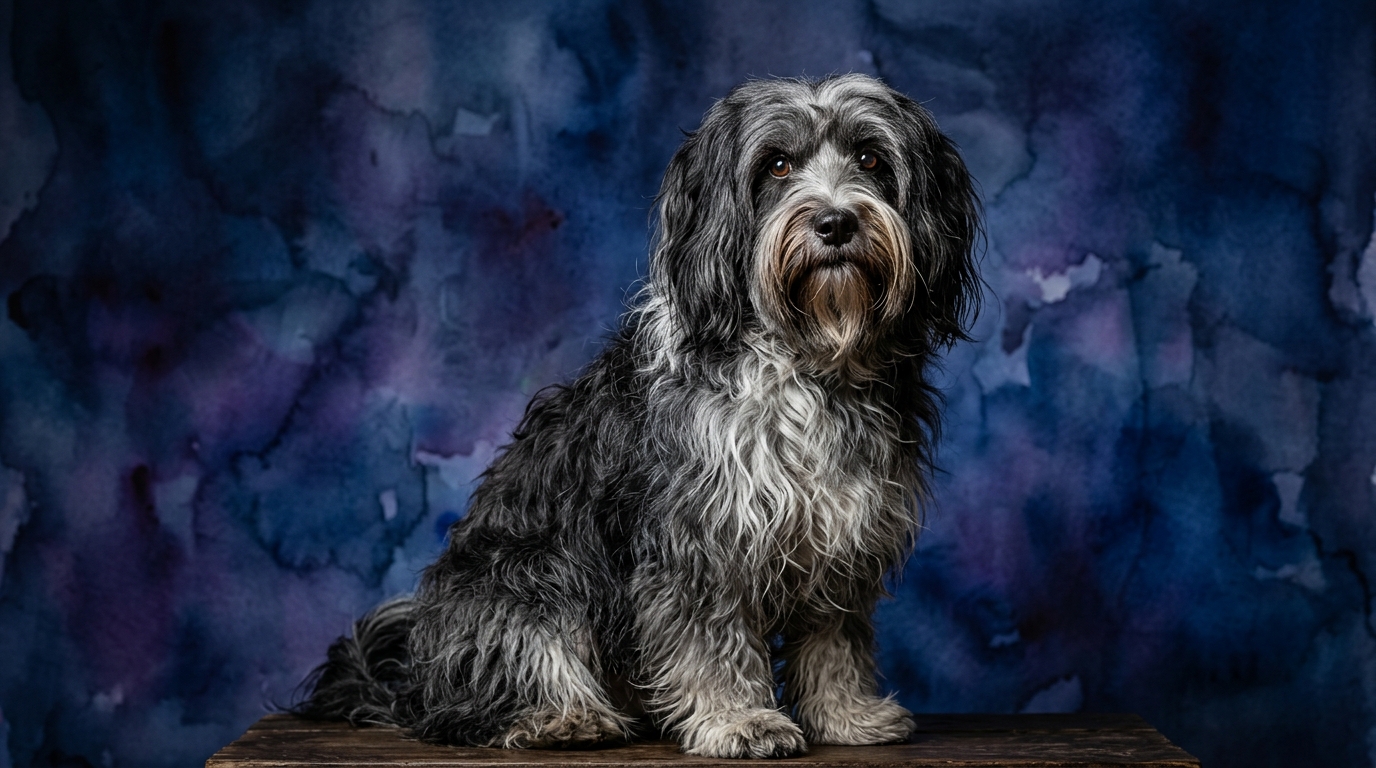
Side-by-Side IQ Profile: Pekingese vs. Tibetan Terrier
**Pekingese (Toy, Coren rank #77)**
**Problem Solving (3/5):** This breed displays a moderate capacity for independent thought, often employing clever, self-serving strategies to achieve personal comfort or gain attention. Their solutions are typically rooted in their desire for ease and luxury, whether finding the ideal sunbeam or subtly persuading a family member for an extra treat.
**Training Speed (3/5):** Learning new commands comes at a moderate pace for the Pekingese. While capable of understanding instructions, their independent and sometimes stubborn nature means compliance often aligns with their immediate interests. Consistency and motivation are essential to engage their selective attentiveness.
**Social Intelligence (3/5):** Pekingese exhibit a moderate understanding of human social cues and household dynamics. They form deep, often singular bonds with their chosen person, displaying loyalty and a protective instinct. Their social awareness is often directed towards discerning who provides the most comfort or who can be most easily persuaded.
**Instinctive Drive (3/5):** Their instinctive drives are moderately developed, primarily manifesting as strong territoriality over their space and people. As ancestral imperial guardians, they maintain a watchful nature, ready to alert to perceived threats with dignified aloofness towards strangers.
**Memory (3/5):** Pekingese possess a moderate memory for routines, people, and boundaries. They recall familiar commands and house rules, though their willingness to adhere can fluctuate, always remembering their creature comforts and established patterns.
**Tibetan Terrier (Non-Sporting, Coren rank #63)**
**Problem Solving (3/5):** The Tibetan Terrier shows a moderate ability to tackle challenges, often displaying ingenuity when faced with obstacles. Their historical role fostered a practical approach to problem-solving, whether navigating varied terrain or figuring out how to get a favorite toy from under the couch. Their solutions are resourceful, often involving trial and error.
**Training Speed (3/5):** Tibetan Terriers learn new skills and commands at a moderate speed. Generally eager to please but with an independent streak, they require patience and varied training methods. They respond well to positive reinforcement and can become bored with repetitive drills, suggesting an appreciation for novelty.
**Social Intelligence (3/5):** Their social intelligence is moderately strong, allowing them to integrate well into family units and understand complex group dynamics. Known for sensitivity to human emotions, they are empathetic and form strong bonds with all family members, keenly aware of expectations in social interactions.
**Instinctive Drive (3/5):** The Tibetan Terrier's instinctive drives are moderately pronounced, rooted in their ancient purpose as watchdogs and companions in the high Himalayas. This manifests as natural alertness, a tendency to 'herd' family members, and a strong desire for inclusion. They are discerning, often reserved with strangers until trust is established.
**Memory (3/5):** Tibetan Terriers exhibit a moderate memory, capable of recalling a wide array of commands, faces, and experiences. This aids their adaptability to new situations and their ability to retain complex routines. They remember both positive and negative training experiences, making consistency crucial for building good habits.
Where the Pekingese Wins Cognitively
Despite identical numerical scores, the Pekingese's cognitive strengths shine in areas demanding a particular brand of self-focused ingenuity. Their problem-solving, rated 3/5, is often channeled into optimizing their own comfort and personal advantage within a domestic setting. For instance, a Pekingese might quickly learn which family member is most susceptible to their endearing gaze for an extra treat, or how to subtly position themselves to receive maximum petting. Their social intelligence, also 3/5, excels in discerning the emotional states of their primary caregiver, often using this understanding to elicit desired responses, like comforting a sad owner to gain closeness, or feigning disinterest to avoid an unwanted activity. This isn't about complex obedience, but a refined, almost regal manipulation of their immediate environment and human companions to maintain their perceived status and well-being. Their memory for routines and preferences, though moderate, is acutely tuned to their own creature comforts, ensuring they never forget the dinner schedule or the location of their favorite napping spot.
Where the Tibetan Terrier Wins Cognitively
The Tibetan Terrier, with its 3/5 scores across the board, demonstrates a cognitive edge in areas that reflect its more active, watchful heritage. Their problem-solving abilities, while moderate, often manifest in navigating physical spaces or understanding cause-and-effect in a more practical, exploratory way. A Tibetan Terrier might methodically work out how to open a child-proof gate or retrieve a toy from a tight spot, showing persistence and a willingness to experiment. Their social intelligence, also 3/5, is geared towards understanding the broader family unit and its dynamics, rather than focusing on a single individual. They excel at reading group moods and adapting their behavior to fit in, often acting as a 'barometer' for household emotions. Their instinctive drive, though moderate, is expressed through a keen observational ability and a natural inclination to be aware of their surroundings, making them adept at noticing changes or unusual occurrences. This blend of practical intelligence and broad social awareness positions them as vigilant, adaptable family members.
Which is Easier to Train and Why?
When considering ease of training, the identical 3/5 training speed scores for both breeds belie significant practical differences rooted in their distinct temperaments. The Pekingese, while capable of learning, often approaches training with an independent and sometimes 'what's in it for me?' attitude. Their learning speed is moderate, but their willingness to perform a learned behavior consistently depends heavily on their current mood, the perceived value of the reward, and the trainer's ability to maintain their interest. Their stubborn streak means that while they understand, they might simply choose not to comply if they deem the task irrelevant or uncomfortable. In contrast, the Tibetan Terrier also has a moderate training speed (3/5) but couples it with a natural eagerness to be involved and a desire to please its family. While they can be sensitive and possess an independent mind, they are generally more receptive to consistent, positive reinforcement and varied training methods. Their problem-solving skills, when engaged in training, mean they can often figure out what's being asked of them and work to achieve it. Therefore, the Tibetan Terrier typically presents fewer 'willful' training challenges due to its greater inherent cooperative spirit, making them generally easier to motivate and guide through training sessions.
Which Suits Active Owners vs. Relaxed Owners?
The cognitive profiles of these two breeds, even with similar IQ scores, clearly point to different ideal owner lifestyles. The Pekingese, with its problem-solving focused on comfort and its social intelligence geared towards personal advantage within a stable, familiar environment, is perfectly suited for relaxed owners. They thrive in homes where their needs for comfort, companionship, and a predictable routine are met without excessive demands for strenuous activity or complex mental tasks. Their moderate instinctive drive means they are content with being watchful guardians from a comfortable perch, rather than seeking out high-energy pursuits. Conversely, the Tibetan Terrier's more practical problem-solving, broader social awareness, and moderate but persistent instinctive drives make them a better match for active owners. They appreciate engaging activities, whether it's exploring new walking paths, participating in dog sports, or simply being an integral, active part of all family outings. Their mental agility benefits from varied stimulation and opportunities to use their senses and intellect in dynamic environments, making them less suited for purely sedentary lifestyles.
The Verdict
Choose the Pekingese if you desire a devoted, regal companion who thrives on comfort and a predictable, relaxed home environment, and you appreciate a dog with a charmingly independent spirit.
Opt for the Tibetan Terrier if you seek an adaptable, engaging family member who enjoys moderate activity, appreciates varied mental stimulation, and thrives on being an active participant in household life.
🧠 Find Your Pet's IQ Score
Our Pet IQ Lab assessment covers 25+ tests across 5 cognitive dimensions — personalized to your breed.
Take the Full IQ Test →Frequently Asked Questions
Do Pekingese and Tibetan Terriers get along with other pets?
Pekingese, with their focus on their chosen person, can be selective but generally tolerate other calm pets if introduced properly, especially if they don't challenge their perceived status. Tibetan Terriers are typically more socially adaptable and can integrate well into multi-pet households, often enjoying the company of other animals.
Are either of these breeds good for first-time dog owners?
The Pekingese's independent streak and potential for stubbornness can be challenging for a first-time owner who isn't prepared for consistent, patient training. The Tibetan Terrier, while also having an independent mind, is generally more cooperative and eager to please, making them a slightly more manageable choice for a dedicated first-time owner willing to invest in training.
How do their problem-solving skills manifest differently in daily life?
A Pekingese's 3/5 problem-solving often involves strategizing for personal comfort, like finding the warmest spot or manipulating for treats. A Tibetan Terrier's 3/5 problem-solving tends to be more practical, such as figuring out how to get around an obstacle or retrieve a toy, reflecting their historical need for resourcefulness in varied environments.