Side-by-side IQ profile
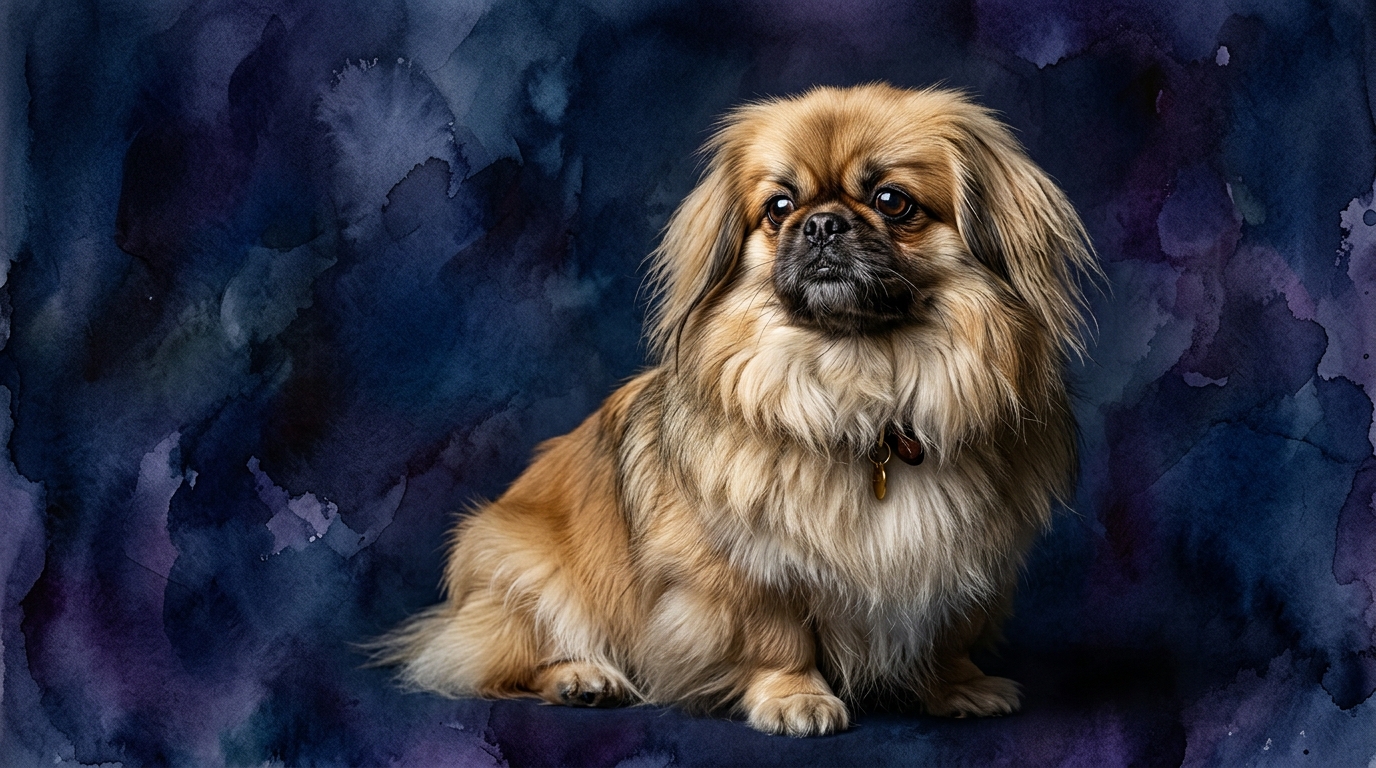
**Pekingese**: This breed, ranked #77 by Coren, exhibits a consistent and balanced cognitive profile across all measured dimensions, each scoring a 3 out of 5. Their Problem Solving ability, rated at 3/5, suggests they can navigate moderately complex situations and learn through trial and error, but might not independently devise intricate solutions. Training Speed at 3/5 indicates they are receptive to learning commands and routines, though they may require more repetition and patience compared to rapidly assimilating breeds. Social Intelligence, also at 3/5, implies they are capable of forming bonds and understanding human cues, yet they might display a degree of independence or reserve rather than overt eagerness to please. An Instinctive Drive of 3/5 suggests a moderate inclination towards their breed-specific historical roles, perhaps guarding or companionship, without an overwhelming urge for complex tasks. Finally, their Memory, also 3/5, allows them to retain learned behaviors and recognize familiar people and places reliably over time, though perhaps with less detail than breeds with higher scores.
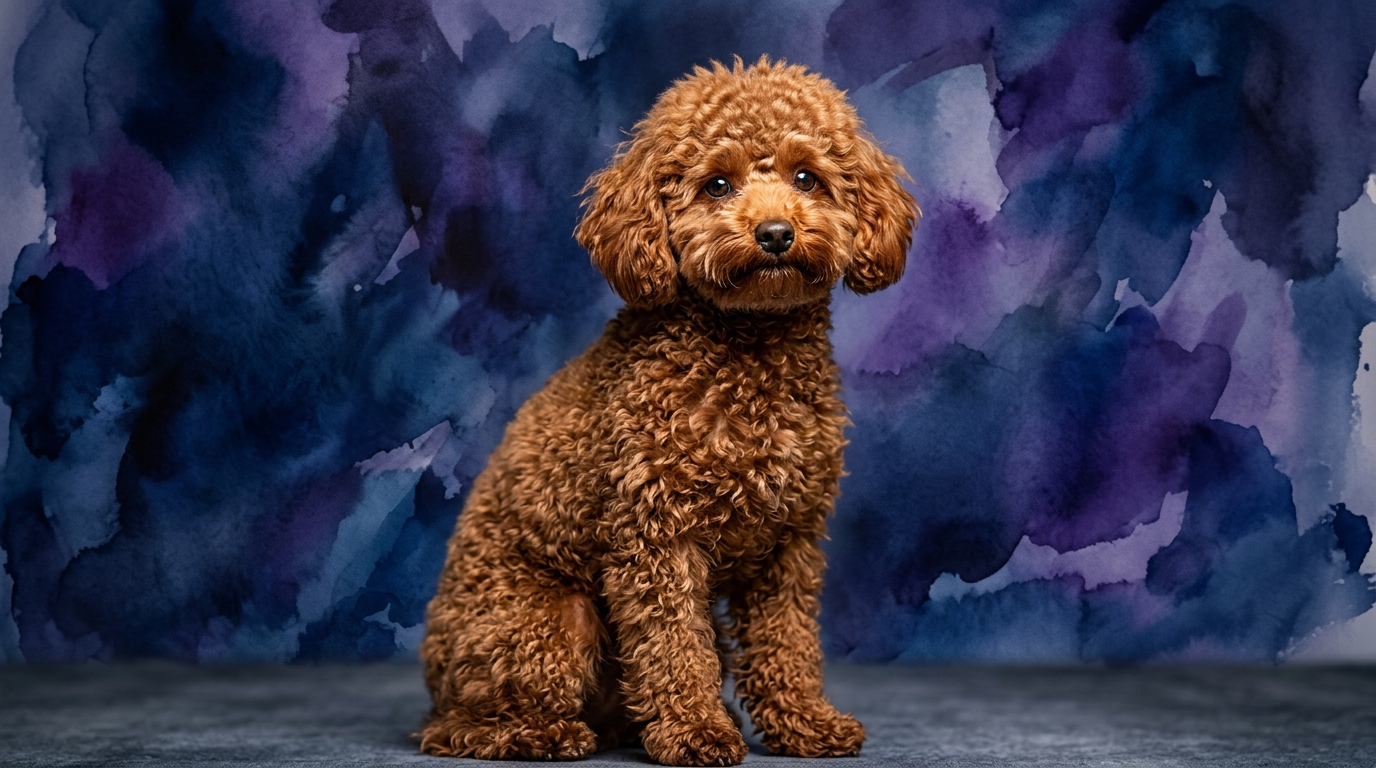
**Toy Poodle**: Standing at a formidable Coren rank of #2, the Toy Poodle showcases a cognitive profile marked by exceptional peaks in specific areas. Their Problem Solving ability, a stellar 5/5, means they are adept at analyzing new situations, quickly figuring out how to overcome obstacles, and even manipulating their environment to achieve goals. A Training Speed of 5/5 highlights their remarkable capacity to grasp new commands and complex sequences with minimal repetition, making them highly responsive and engaging to teach. In contrast, their Social Intelligence and Instinctive Drive both register at 3/5. This indicates a solid ability to connect with humans and understand social dynamics, but perhaps with a slightly more independent streak than their training speed might imply, and a moderate, rather than intense, drive for instinctual tasks. Their Memory, an impressive 5/5, allows for near-perfect retention of learned behaviors, intricate routines, and a vast array of commands, making them highly reliable in recalling past instructions.
Where Pekingese wins cognitively
While the Toy Poodle boasts higher scores in several cognitive domains, the Pekingese's unique profile of consistent 3/5 scores across the board offers a distinct advantage for certain owners. The Pekingese's balanced cognitive makeup means they are less prone to the "overthinking" or constant need for mental engagement that can accompany exceptionally high problem-solving abilities. For an owner seeking predictable, moderate cognitive demands, the Pekingese avoids the potential for boredom-induced mischief that a highly problem-solving dog might exhibit if not adequately challenged. Their 3/5 Social Intelligence, while not as effusive as some breeds, often translates into a dignified and discerning companionship; they choose their connections carefully, offering a quiet, steadfast loyalty rather than an insistent need for interaction. This moderate social drive means they are often content to be present without demanding constant attention, ideal for individuals who appreciate a less demanding social dynamic. Furthermore, their 3/5 Instinctive Drive suggests they are less likely to be consumed by intense urges for hunting, herding, or guarding that require significant channeling, offering a more serene presence in the home. The Pekingese's cognitive "win" lies in its consistent, manageable mental landscape, providing a steady, less volatile intellectual companion.
Where Toy Poodle wins cognitively
The Toy Poodle's cognitive superiority is evident in its exceptional scores for Problem Solving (5/5), Training Speed (5/5), and Memory (5/5), positioning it as a standout intellect among toy breeds. Their 5/5 Problem Solving capacity means they don't just learn, they *reason*. They can quickly assess a novel situation, such as a complicated puzzle toy or a gate latch, and often deduce the solution with remarkable efficiency. This translates into a dog that adapts rapidly to new environments or routines, and can even anticipate owner actions. The 5/5 Training Speed is perhaps their most celebrated cognitive asset; they absorb new commands, tricks, and complex sequences with astonishing speed, often understanding a new cue after just a few repetitions. This makes them exceptionally versatile for various dog sports, obedience trials, or simply learning a vast repertoire of household manners. Coupled with their 5/5 Memory, the Toy Poodle retains these lessons with impressive longevity, rarely forgetting what they've learned. This combination of rapid acquisition and solid retention means a well-trained Toy Poodle offers unparalleled responsiveness and reliability, capable of executing intricate commands and navigating complex environments with precision and focus. Their cognitive wins make them a profoundly engaging and capable partner for those who enjoy active mental collaboration with their dog.
Which is easier to train and why
Based on The Cosmic Pet Pet IQ Lab data, the Toy Poodle (Training Speed 5/5) is significantly easier to train than the Pekingese (Training Speed 3/5). The Toy Poodle's exceptional training speed means they possess a remarkable capacity to grasp new commands and concepts with minimal repetition. Their eagerness to engage and quick association of actions with rewards makes training highly efficient and rewarding for both dog and owner. For instance, teaching a Toy Poodle a new trick might involve only a handful of sessions, with the dog demonstrating consistent understanding rapidly. In contrast, the Pekingese, with a training speed of 3/5, will require more patience, consistency, and repetition to learn and solidify new behaviors. While perfectly capable of learning, they might not show the same immediate enthusiasm or rapid uptake. A Pekingese might take weeks to reliably perform a command a Toy Poodle masters in days. This difference isn't about willingness, but about the inherent cognitive processing speed and retention. The Toy Poodle's higher problem-solving and memory scores also contribute to their training ease, allowing them to understand the 'why' behind actions and retain those lessons more effectively, leading to faster and more robust learning.
Which suits active owners vs relaxed owners
The distinct cognitive profiles of the Pekingese and Toy Poodle naturally align with different owner lifestyles. The Toy Poodle, with its 5/5 Problem Solving, 5/5 Training Speed, and 5/5 Memory, thrives with active owners who can provide consistent mental stimulation and engagement. These dogs benefit immensely from activities like agility, obedience, puzzle toys, or learning complex tricks, which satisfy their deep-seated need to apply their cognitive abilities. An owner who enjoys teaching, exploring new challenges, and integrating their dog into a mentally stimulating routine will find the Toy Poodle an exceptionally rewarding and eager partner. Neglecting their mental needs can lead to boredom and redirected problem-solving behaviors. Conversely, the Pekingese, with its consistent 3/5 scores across all cognitive dimensions, is generally better suited for relaxed owners. Their moderate cognitive demands mean they are content with a more predictable and less intensely stimulating environment. While they appreciate companionship and gentle interaction, they don't typically require complex training regimens or constant mental puzzles to prevent boredom. An owner who values a calm, dignified presence and prefers a companion happy with moderate daily activity and a comfortable routine will find the Pekingese's cognitive makeup a perfect fit, offering a serene, steadfast presence without demanding constant intellectual engagement.
The Verdict
Choose the Pekingese if you desire a steadfast, calm companion with predictable cognitive needs, content with a relaxed routine and a dignified, less demanding social presence.
Opt for the Toy Poodle if you seek an exceptionally bright, trainable partner eager for mental challenges, dog sports, and a highly interactive, engaging relationship.
🧠 Find Your Pet's IQ Score
Our Pet IQ Lab assessment covers 25+ tests across 5 cognitive dimensions — personalized to your breed.
Take the Full IQ Test →Frequently Asked Questions
Do Pekingese need mental games?
While not requiring the same intensity as a Toy Poodle, Pekingese still benefit from moderate mental engagement. Simple puzzle toys or short, consistent training sessions for basic commands will keep their 3/5 problem-solving and memory skills gently exercised and prevent boredom.
Can a Toy Poodle be a good "couch potato" dog?
A Toy Poodle *can* relax, but their high problem-solving and training speed mean they require significant mental stimulation daily. Without it, they might invent their own "puzzles," which can manifest as undesirable behaviors; they are not naturally inclined to be constant couch potatoes without adequate mental outlet.
How do their social intelligence scores impact household dynamics?
Both breeds score 3/5 in social intelligence, indicating they are capable of forming bonds and understanding human cues. The Toy Poodle might use its social intelligence more actively in conjunction with its high problem-solving to "read" situations and influence outcomes, while the Pekingese's social acumen might manifest as more reserved, discerning affection and a quiet understanding of household routines.