Side-by-Side Cognitive Profiles: Herding Acumen vs. Toy Tenacity
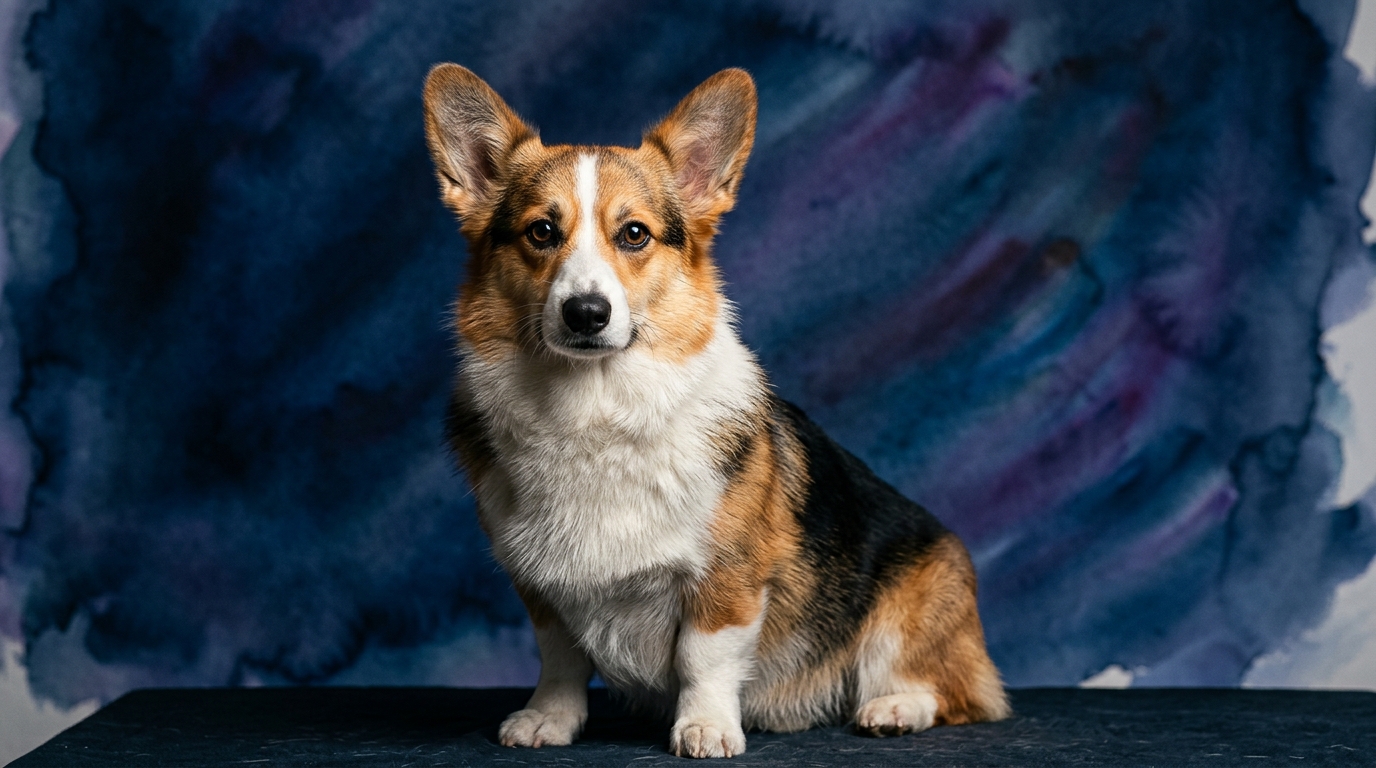
The Cosmic Pet Pet IQ Lab's assessment provides a granular view of each breed's cognitive strengths. The Pembroke Welsh Corgi, a breed historically tasked with managing livestock, exhibits a cognitive profile reflecting its working heritage. Its Problem Solving is rated at 4/5, indicating a capacity for strategic thinking and navigating complex situations, essential for herding. Training Speed is an impressive 5/5, highlighting its rapid ability to grasp and execute new commands. Social Intelligence stands at 4/5, suggesting a strong understanding of human cues and a desire for cooperation. An Instinctive Drive of 5/5 underscores its inherent motivation for purpose-driven tasks, while Memory at 4/5 ensures retention of learned behaviors and experiences. This combination paints a picture of a highly adaptable and eager learner.
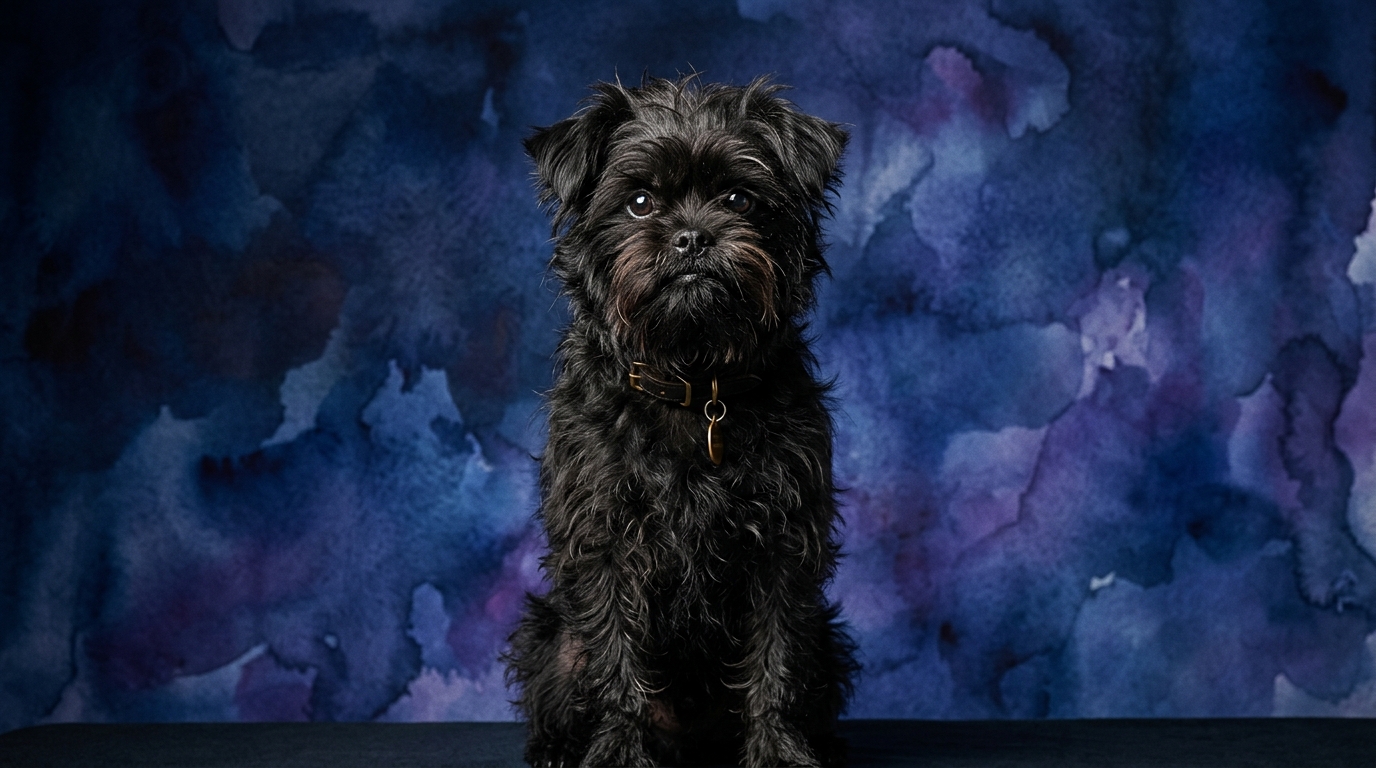
In contrast, the Affenpinscher, a charismatic toy breed with roots as a ratting dog, presents a different cognitive blueprint. Its Problem Solving is rated 3/5, indicating a moderate capacity for independent thought and navigating challenges, often in a more self-directed manner. Training Speed is 3/5, meaning it requires more consistent repetition and perhaps more creative methods to solidify new behaviors. Social Intelligence also scores 3/5, suggesting it forms deep bonds but might be less overtly biddable or eager to please strangers. Its Instinctive Drive is 3/5, pointing to a focused, albeit less generalized, internal motivation, often directed towards its immediate interests or specific tasks like chasing. Memory at 3/5 indicates it can retain information, but perhaps not with the same breadth or depth as the Corgi, requiring regular refreshers for less frequently used commands. This profile points to a dog of independent spirit, cleverness, and specific, rather than broad, cognitive drives.
Where the Pembroke Welsh Corgi Wins Cognitively
The Pembroke Welsh Corgi's cognitive strengths are deeply rooted in its herding background, where rapid decision-making and cooperative intelligence were paramount. With a Training Speed of 5/5, Corgis demonstrate an exceptional aptitude for acquiring new commands and routines quickly, often understanding a new cue within a few repetitions. This translates into an efficient learning curve, making them particularly responsive to structured training environments and capable of mastering a wide array of obedience tasks, tricks, and even complex canine sports like agility or rally obedience with relative ease. Their high Social Intelligence (4/5) further amplifies this, as they are often attuned to human intentions and eager to engage in collaborative activities.
Their Problem Solving at 4/5 means Corgis aren't just rote learners; they can apply learned principles to novel situations. For instance, a Corgi might strategically figure out how to navigate an obstacle course even if parts of it are unfamiliar, or devise a clever way to retrieve a dropped toy from an awkward spot. This cognitive flexibility, combined with a powerful Instinctive Drive (5/5), ensures they are not only capable but also highly motivated to engage their minds. This drive isn't just for herding; it manifests as a strong desire for purpose and engagement, making them keen participants in any activity that offers mental stimulation. Their 4/5 Memory supports this, enabling them to recall complex sequences of commands and past experiences, building a robust foundation for ongoing learning and skill development.
Where the Affenpinscher's Cognitive Style Shines
While the Affenpinscher's numerical scores are generally lower than the Corgi's, its cognitive profile, rated at 3/5 across the board, highlights a distinct set of strengths that are perfectly suited to its original role and companion animal life. Their Problem Solving, at 3/5, manifests as a tenacious and often clever approach to personal objectives. An Affenpinscher might not solve a complex puzzle toy as quickly as a Corgi, but it will persist with admirable determination, often employing creative, sometimes mischievous, strategies to achieve its goal, whether it's reaching a forbidden treat or manipulating a situation to its advantage. This isn't about biddable intelligence, but rather a self-directed, resourceful cleverness.
The Affenpinscher's 3/5 Social Intelligence translates into a discerning loyalty. While they may not seek to please every person they meet, they form incredibly strong, devoted bonds with their chosen family members, demonstrating a deep understanding of their inner circle's emotions and routines. This isn't a deficiency; it's a selective, profound social acumen. Their Instinctive Drive, also 3/5, is often focused and intense, particularly when it comes to their 'vermin hunter' heritage. This drive can be channeled into engaging play involving chasing and 'catching' toys, where their focus and persistence are truly remarkable, showcasing an enduring spirit in tasks that align with their innate predispositions. Their 3/5 Memory, while not as broad as the Corgi's, is sufficient for remembering cherished routines, familiar faces, and beloved game rules, contributing to their consistent and endearing personality.
Which Is Easier to Train and Why
Based on their respective IQ profiles, the Pembroke Welsh Corgi is distinctly easier to train than the Affenpinscher. The Corgi's Training Speed of 5/5 is a significant advantage, meaning they pick up new commands and behaviors with remarkable alacrity. Their high Social Intelligence (4/5) drives a strong desire to cooperate and please their human companions, making them highly receptive to positive reinforcement and eager to engage in training sessions. This biddability, combined with a robust 4/5 Memory, ensures that once a command is learned, it is retained effectively, reducing the need for constant re-teaching. Their 5/5 Instinctive Drive also means they often thrive on having a 'job' and respond well to task-oriented training.
Conversely, the Affenpinscher, with a Training Speed of 3/5, requires more patience, consistency, and creative motivation. They are not inherently driven to please in the same way a Corgi might be, thanks to their 3/5 Social Intelligence which leans towards independence. This means trainers often need to find what truly motivates an Affenpinscher, whether it's a specific high-value treat, a favorite toy, or a unique game. Their 3/5 Memory means that while they can learn, lessons may need more frequent reinforcement to become ingrained. Affenpinschers can certainly be trained to a high standard, but their independent streak and moderate training speed mean the process will likely be slower and demand greater ingenuity from the owner, often feeling more like a negotiation than a direct instruction compared to the Corgi's cooperative spirit.
Suitability for Active vs. Relaxed Owners
The Pembroke Welsh Corgi is an excellent match for active owners who are prepared to provide consistent mental and physical stimulation. Their high Instinctive Drive (5/5) means they crave engagement and purpose, whether it's through herding games, long walks, agility training, or complex puzzle toys. Owners who enjoy structured activities, participate in dog sports, or simply have the time and energy for daily interactive play and training sessions will find a Corgi to be a highly rewarding and engaged companion. Their Problem Solving (4/5) and Memory (4/5) mean they quickly become bored without adequate outlets for their cognitive energy, potentially leading to undesirable behaviors if under-stimulated. They thrive on having a 'job' and truly shine when their intellect is regularly challenged.
The Affenpinscher, while a toy breed, is not a complete couch potato, but their cognitive profile makes them more suited for owners who appreciate a dog with a robust personality that doesn't demand constant, high-intensity engagement. Their 3/5 Instinctive Drive suggests they enjoy bursts of activity and focused play (especially chasing), but their overall energy requirements are generally lower than a Corgi's. They are well-suited for relaxed owners who can provide regular, moderate walks and interactive play, but also appreciate a dog that is content to entertain itself or curl up for a nap. Their independent nature (Social Intelligence 3/5) means they can be quite self-sufficient, making them a good fit for individuals who prefer a companion that doesn't constantly demand attention, yet offers deep, if discerning, affection. Owners who enjoy finding creative ways to engage a clever, tenacious mind without the pressure of intense formal training will find the Affenpinscher a delightful match.
The Verdict
Choose the Pembroke Welsh Corgi if you seek a highly trainable, cooperative companion eager for structured activities, mental challenges, and a strong partnership in learning and play.
Opt for the Affenpinscher if you appreciate an independent, tenacious, and discerning companion who offers deep loyalty and engaging cleverness, even if training requires more patience and ingenuity.
🧠 Find Your Pet's IQ Score
Our Pet IQ Lab assessment covers 25+ tests across 5 cognitive dimensions — personalized to your breed.
Take the Full IQ Test →Frequently Asked Questions
Are Pembroke Welsh Corgis prone to behavioral issues if not mentally stimulated?
Yes, Corgis, with their 4/5 problem-solving and 5/5 instinctive drive, require significant mental engagement. Lack of stimulation can lead to behaviors like excessive barking, nipping (a remnant of herding), or destructive chewing as they seek outlets for their cognitive energy.
Do Affenpinschers make good apartment dogs despite their 'vermin hunter' instincts?
Affenpinschers can thrive in apartments. While they possess a 3/5 instinctive drive for chasing, their moderate energy levels mean regular walks and indoor play are usually sufficient, and their small size makes them adaptable to smaller living spaces, provided they get appropriate mental engagement.
How do their social intelligence scores impact their interactions with children and other pets?
A Corgi's 4/5 social intelligence typically makes them more adaptable and cooperative with respectful children and other pets, though their herding instincts may lead to nipping at heels. An Affenpinscher's 3/5 social intelligence means they can be loyal to family children but may be more reserved or less tolerant of boisterous play, and their strong prey drive might make them less suitable for homes with very small, vulnerable pets.