Side-by-Side IQ Profile: Corgi vs. Afghan Hound
The Cosmic Pet Pet IQ Lab offers a nuanced perspective beyond traditional intelligence rankings, dissecting canine cognition into five core dimensions. While the Pembroke Welsh Corgi, a Herding breed, ranks commendably at #11 on Stanley Coren's scale, the Afghan Hound, a Sighthound, sits at #79. Intriguingly, both breeds achieve an identical 4/5 score in problem-solving, suggesting that raw problem-solving capacity can manifest independently of perceived trainability or overall ranking.
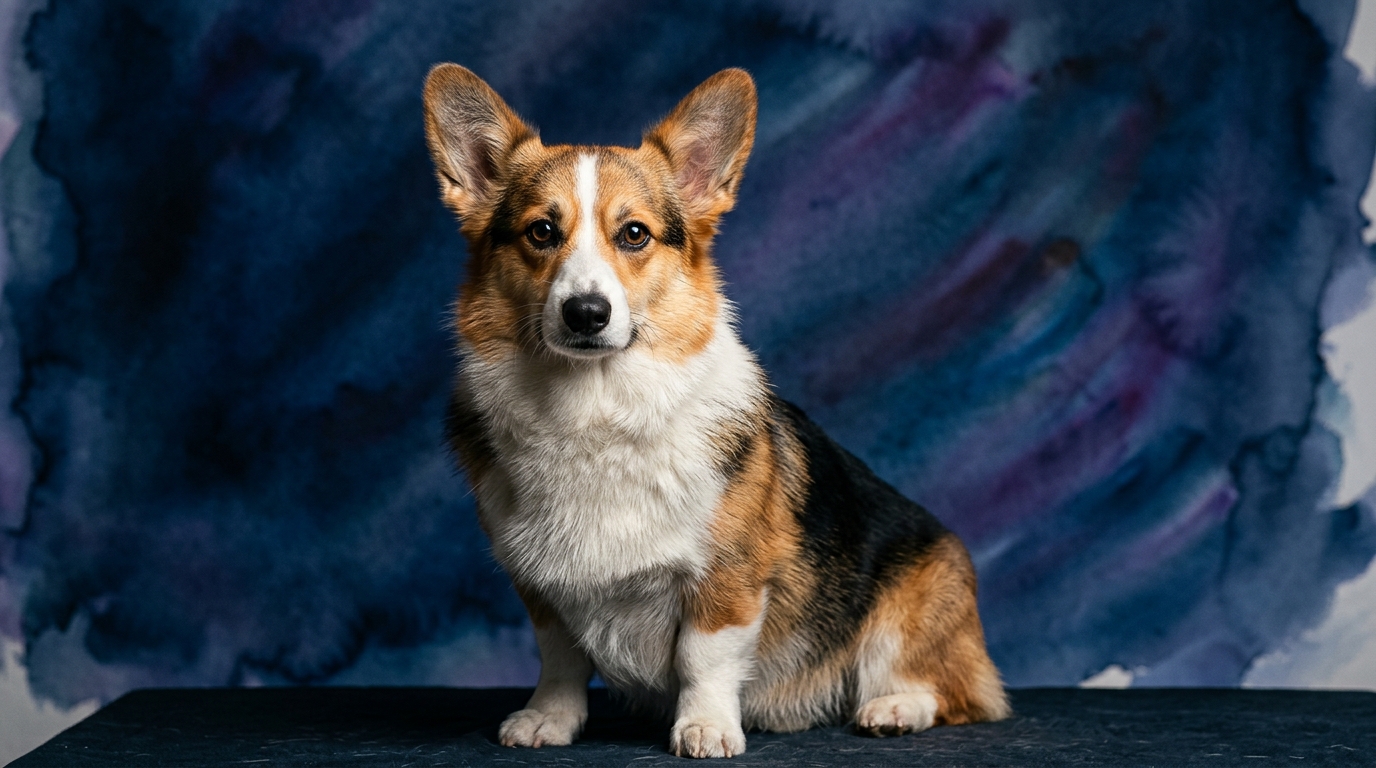
The Pembroke Welsh Corgi presents a compelling cognitive blueprint: problem Solving 4/5, training Speed 5/5, social Intelligence 4/5, instinctive Drive 5/5, and memory 4/5. This profile paints a picture of a dog that is not only adept at navigating mental challenges but also exceptionally receptive to human guidance and cooperative tasks. Their high scores across the board indicate a well-rounded cognitive athlete, eager to engage with their environment and their human companions.
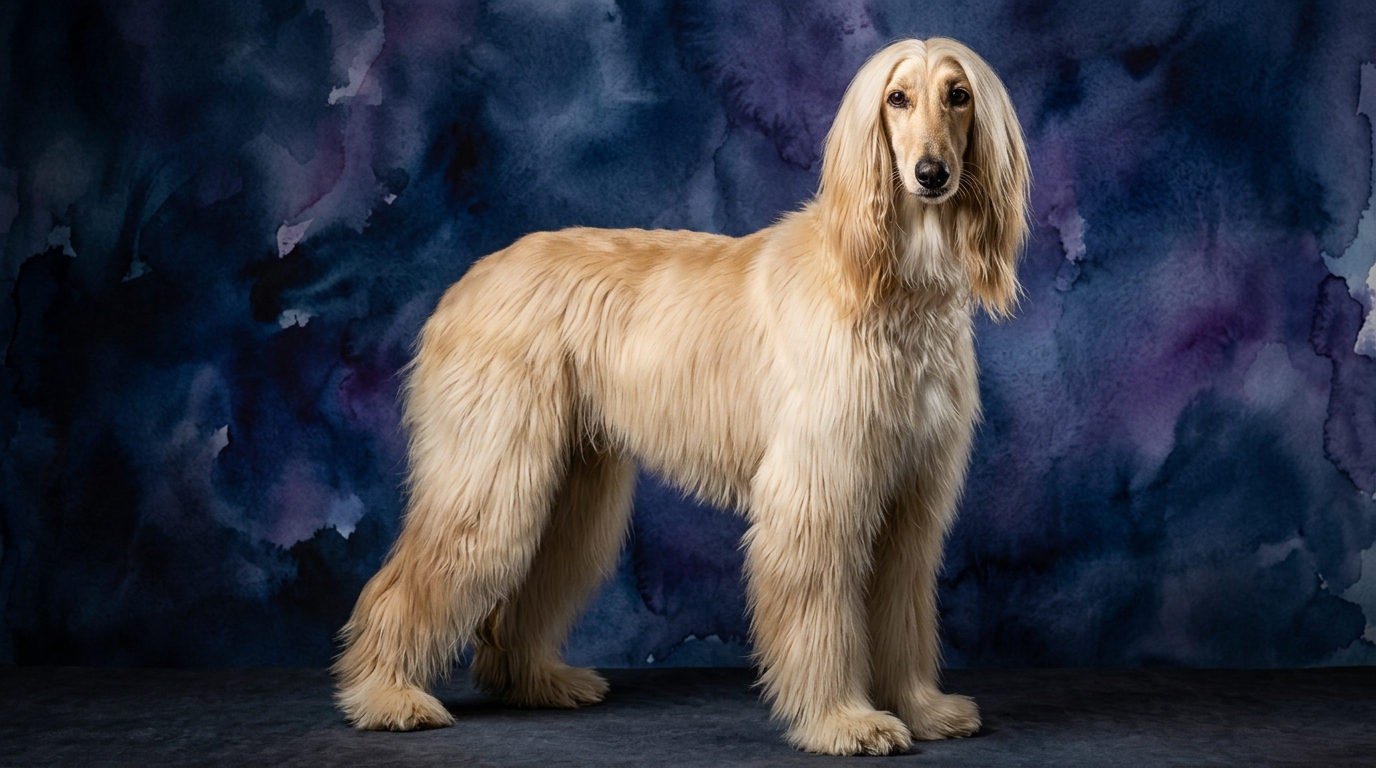
In contrast, the Afghan Hound’s profile reveals a different set of strengths: problem Solving 4/5, training Speed 1/5, social Intelligence 2/5, instinctive Drive 5/5, and memory 3/5. Despite their lower Coren rank, their problem-solving ability matches the Corgi's, implying a capacity for independent thought and resolution. However, their lower training speed and social intelligence scores suggest a more autonomous, less biddable nature, where their strong instinctive drive for pursuit often takes precedence over human directives.
Where Pembroke Welsh Corgi Wins Cognitively
The Pembroke Welsh Corgi's cognitive strengths shine particularly in areas requiring collaboration and rapid learning. Their impressive 5/5 training speed means they grasp new commands and routines with remarkable quickness, making them excellent candidates for obedience, agility, and even complex trick training. This rapid assimilation of information is bolstered by their 4/5 memory, allowing them to retain vast repertoires of learned behaviors over time.
Furthermore, their 4/5 social intelligence is a key advantage, enabling them to read human cues effectively and adapt their behavior accordingly. This makes them highly cooperative partners in tasks, eager to please and attuned to their handler's intentions. Their instinctive drive (5/5) is channeled into purposeful work, often seen in their herding heritage, where they learn to manage livestock with precision and strategic thinking, demonstrating a practical application of their problem-solving skills within a structured framework.
Where Afghan Hound Wins Cognitively
The Afghan Hound’s cognitive victories lie in their independent problem-solving and powerful instinctive drive, even if these are applied in a less outwardly cooperative manner. Their 4/5 problem-solving score, identical to the Corgi's, suggests a significant capacity for figuring things out on their own. This might manifest in creatively navigating obstacles during a chase, or devising methods to access something they desire, rather than waiting for human instruction.
Their dominant 5/5 instinctive drive is a testament to their sighthound heritage, fueling an unparalleled focus on pursuit and detection. This drive, combined with their problem-solving, allows them to excel in activities that leverage their natural inclinations, such as lure coursing, where they make split-second decisions and execute complex maneuvers independently. While their memory (3/5) is not as sharp as the Corgi's for human-assigned tasks, it is perfectly adequate for remembering terrain, scent trails, or the patterns of prey, critical for their original purpose.
Which Is Easier to Train and Why
The distinction in training ease between these two breeds is profound and directly reflected in their IQ profiles. The Pembroke Welsh Corgi, with its 5/5 training speed and 4/5 social intelligence, is generally much easier to train. They possess an inherent desire to work with their human companions, quickly understanding what is expected of them and deriving satisfaction from successful cooperation. Their biddable nature and attentiveness make training sessions productive and rewarding.
Conversely, the Afghan Hound, with a 1/5 training speed and 2/5 social intelligence, presents a significant training challenge for many owners. Their independence and strong instinctive drive mean they are less inclined to follow commands if they perceive a more interesting or instinctually rewarding alternative. Training an Afghan Hound requires immense patience, creativity, and a deep understanding of their sighthound motivations, often relying on positive reinforcement that aligns with their inherent drives rather than attempting to override them.
Which Suits Active Owners vs. Relaxed Owners
For owners seeking an active and highly engaged canine partner, the Pembroke Welsh Corgi is often the more suitable choice. Their high training speed, social intelligence, and memory mean they thrive on mental stimulation through training, puzzles, and interactive games, in addition to physical activity. They enjoy being integral to family activities and can adapt to various active lifestyles, from hiking to participating in dog sports, relishing the partnership aspect.
The Afghan Hound, while possessing an intense need for physical exercise, particularly running in secure, open spaces, might suit an owner who appreciates a more independent companion. Their activity is often self-directed, driven by their powerful instincts, rather than being solely focused on human interaction. Owners should be prepared for bursts of high-speed running and less consistent engagement in structured play, making them ideal for those who can provide ample opportunity for their breed-specific exercise needs without expecting constant interactive participation.
The Verdict: When to Choose Each Breed
The Verdict
Choose a Pembroke Welsh Corgi if you desire a highly biddable, cooperative companion eager to learn and participate in varied activities, thriving on mental and physical engagement alongside their human family. They are ideal for owners who enjoy consistent training and a strong partnership.
Opt for an Afghan Hound if you appreciate an independent, dignified companion with a unique problem-solving intellect and a profound instinctive drive, provided you can accommodate their specific exercise needs in secure environments. They are best for patient owners who admire self-reliant canine personalities.
🧠 Find Your Pet's IQ Score
Our Pet IQ Lab assessment covers 25+ tests across 5 cognitive dimensions — personalized to your breed.
Take the Full IQ Test →Frequently Asked Questions
Are Afghan Hounds difficult to train because they are not intelligent?
Afghan Hounds possess a 4/5 problem-solving ability, indicating considerable intelligence, but their 1/5 training speed and 2/5 social intelligence mean they are highly independent and less motivated by human direction. Their training difficulty stems from their self-reliant nature and powerful instincts, not a lack of cognitive capacity.
Do Pembroke Welsh Corgis require a lot of mental stimulation?
Yes, with high scores in problem-solving (4/5), training speed (5/5), social intelligence (4/5), and memory (4/5), Pembroke Welsh Corgis thrive on mental challenges. Providing regular training, puzzle toys, and engaging activities is crucial to prevent boredom and ensure their cognitive needs are met.
How does the instinctive drive of these breeds impact daily life?
The Corgi's 5/5 instinctive drive is often channeled into herding behaviors, making them watchful and task-oriented, which can manifest as nipping at heels or trying to 'herd' family members. The Afghan Hound's 5/5 instinctive drive is primarily for pursuit, requiring secure, fenced areas for off-leash exercise to prevent them from chasing perceived prey, and making them less reliable off-leash in open, unfenced spaces.