Side-by-Side IQ Profile: Deconstructing Canine Minds
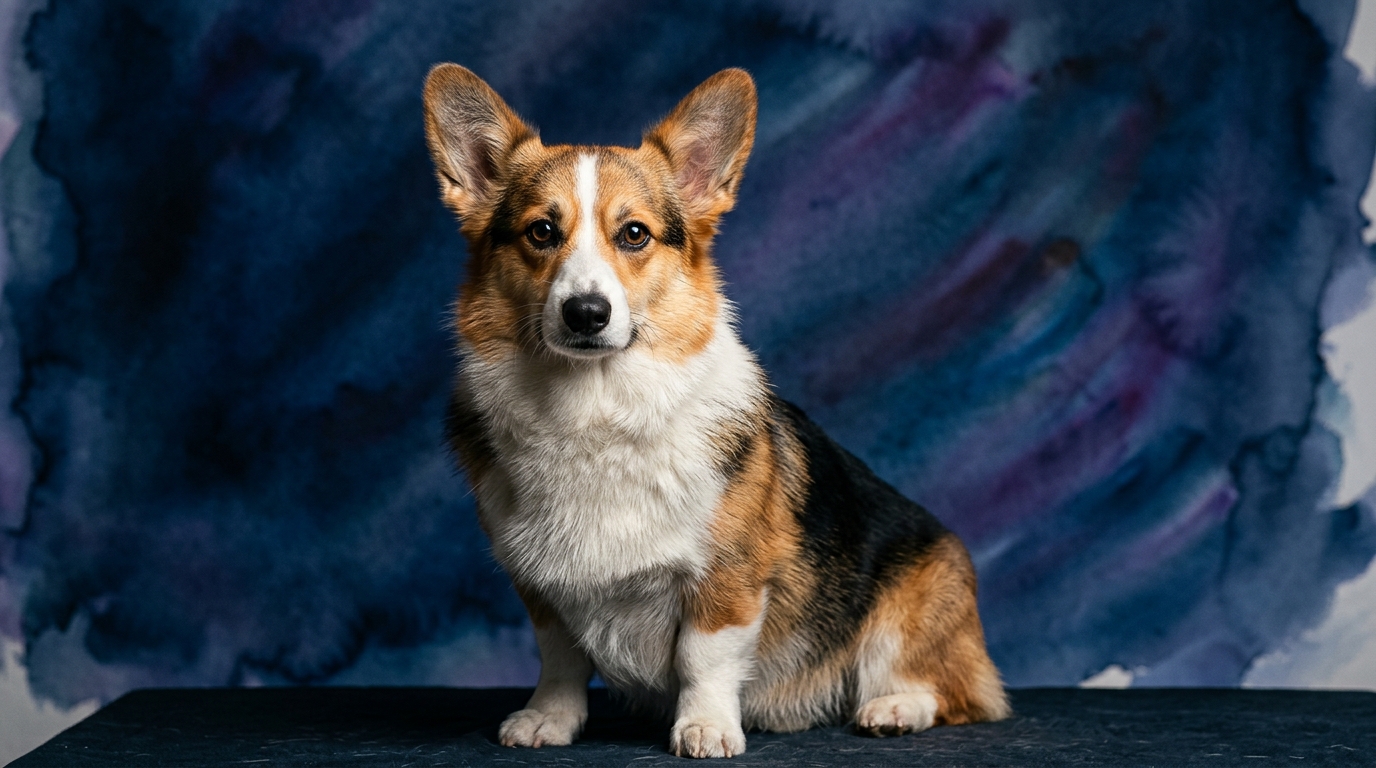
The Pembroke Welsh Corgi, ranked #11 by Coren, exhibits a sharp, practical intellect. Their Problem Solving is rated 4/5, reflecting an ability to navigate complex environments and outmaneuver livestock. Training Speed is an impressive 5/5, indicating rapid comprehension and execution of commands. Social Intelligence stands at 4/5, suggesting a keen awareness of human emotional states and social cues. An Instinctive Drive of 5/5 underscores their inherent herding impulses, while Memory at 4/5 ensures they retain learned behaviors and routines with reliability.
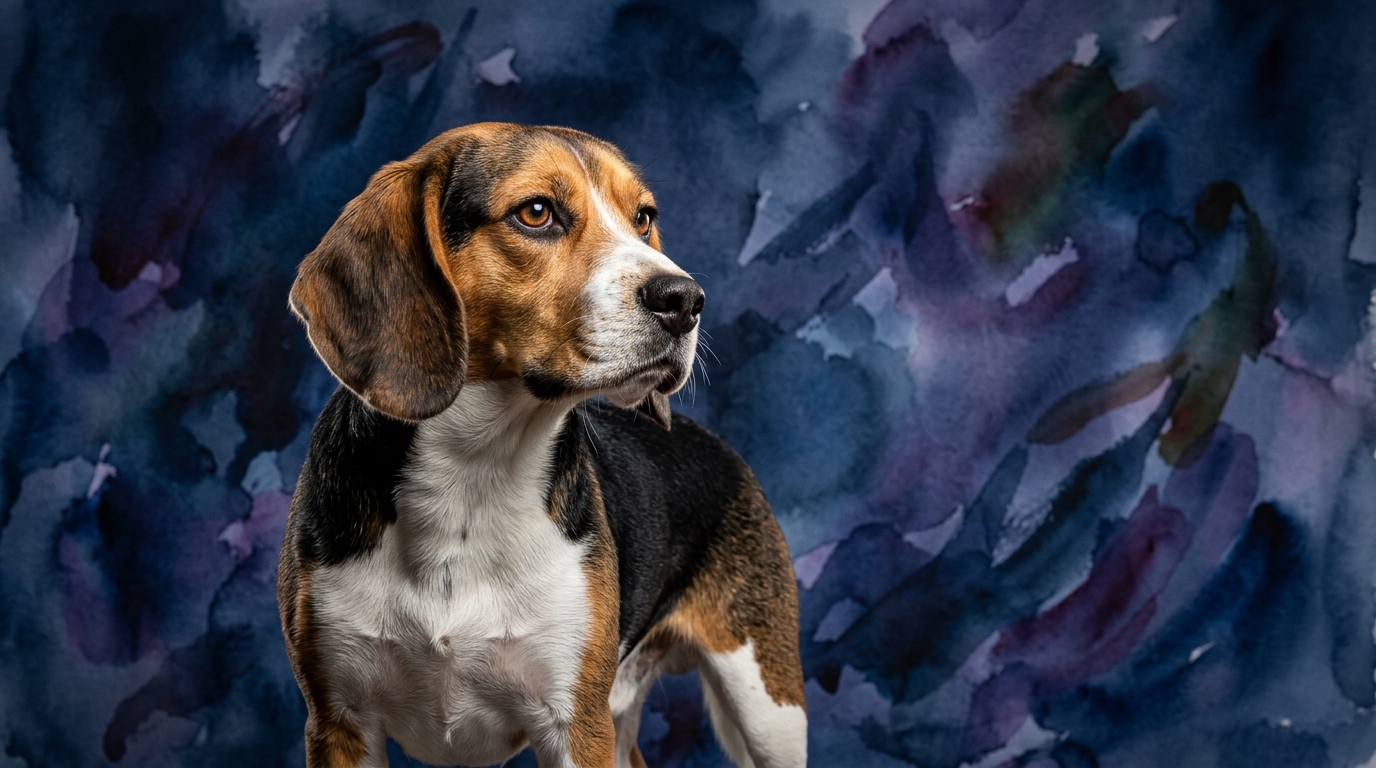
The Beagle, holding a Coren rank of #72, presents a different cognitive specialization, deeply rooted in its olfactory prowess. Its Problem Solving also scores 4/5, but this often manifests as persistent, scent-driven investigation rather than abstract reasoning. Training Speed is a more moderate 2/5, highlighting challenges with consistent focus when potent scents are present. Social Intelligence is 3/5; while friendly, their primary focus can sometimes override subtle human interactions. A powerful Instinctive Drive of 5/5 is dedicated almost entirely to tracking and pursuit of scent, and their Memory, at 4/5, is particularly adept at recalling scent trails and locations.
Where Pembroke Welsh Corgi Wins Cognitively: The Collaborative Learner
The Pembroke Welsh Corgi's cognitive strengths shine particularly in areas demanding rapid learning and social attunement. Their Training Speed, a perfect 5/5, demonstrates an exceptional capacity to quickly grasp and respond to new commands, making them highly receptive partners in structured activities. This swift learning curve is a direct advantage for owners seeking a dog that can master complex obedience routines or agility courses efficiently.
Furthermore, the Corgi's Social Intelligence, rated 4/5, offers a distinct edge. They are often more attuned to human body language, vocal inflections, and emotional states, enabling a smoother integration into family life. This perceptiveness allows them to anticipate desires and react appropriately to social cues, fostering a highly collaborative relationship where the Corgi readily engages with and adapts to its human companions' routines and expectations.
Where Beagle Wins Cognitively: The Olfactory Investigator
The Beagle's cognitive prowess, while different from the Corgi's, is no less remarkable, particularly concerning its specialized sensory intelligence. With a Problem Solving score of 4/5, the Beagle excels at unraveling intricate environmental puzzles using its nose, demonstrating a profound capacity for persistent, methodical investigation. This isn't about abstract thought, but rather an unparalleled ability to process and interpret a world rich in olfactory information, making them expert navigators of scent landscapes.
Their Instinctive Drive, a perfect 5/5, is a testament to their unwavering dedication to scent work. This intense focus allows them to pursue a trail with relentless determination, often for extended periods, showcasing a unique form of cognitive endurance and single-mindedness. Paired with a Memory rating of 4/5, which is particularly robust for recalling scent patterns and geographical locations, the Beagle's mind is a finely tuned instrument for exploration and discovery, unparalleled in its specific domain.
Which is Easier to Train and Why: A Matter of Focus and Drive
When considering ease of training, the Pembroke Welsh Corgi generally presents fewer challenges due to its superior Training Speed (5/5). Corgis are typically eager to please their handlers and possess a strong desire for collaboration, a remnant of their herding heritage where working cooperatively with humans was essential. They tend to pick up new commands rapidly, responding well to positive reinforcement and maintaining focus on their human during training sessions. This receptiveness makes them suitable for diverse training disciplines, from basic obedience to advanced trick training.
The Beagle, with a Training Speed of 2/5, requires a different approach. Their powerful instinctive drive (5/5) to follow a scent can easily override commands, making consistent focus during training a significant hurdle. A Beagle encountering an interesting smell will likely prioritize that sensory input over a verbal instruction, demonstrating an independent streak driven by their olfactory world. Training a Beagle demands immense patience, high-value rewards, and often involves incorporating scent work into their activities to harness, rather than fight, their natural inclinations.
Which Suits Active Owners vs. Relaxed Owners: Energy and Engagement
Both breeds require active owners, though the nature of that activity differs. Owners who thrive on structured, goal-oriented engagement will find the Pembroke Welsh Corgi a rewarding partner. Their herding drive necessitates mental stimulation through activities like agility, obedience trials, or herding games, alongside regular physical exercise. They enjoy having a "job" and excel when their cognitive abilities are consistently challenged in a collaborative setting.
For owners who might describe themselves as "relaxed," neither breed fits the traditional low-maintenance mold, but the Corgi might be slightly more adaptable given sufficient mental engagement indoors. A truly relaxed owner, however, would likely struggle with a Beagle. Beagles require substantial daily physical exercise, often involving long walks or hikes where they can indulge their powerful noses. Their unwavering scent drive means they are not content with minimal activity; unmet needs can lead to restless behaviors or attempts to explore independently, making them a poor fit for sedentary lifestyles.
The Verdict
Choose the Pembroke Welsh Corgi if you seek a highly trainable, socially perceptive companion eager for collaborative learning and quick to integrate into your routines.
Opt for the Beagle if you are prepared for a persistent, scent-driven explorer, appreciating a dog whose world revolves around its nose and are willing to engage in extensive outdoor adventures.
🧠 Find Your Pet's IQ Score
Our Pet IQ Lab assessment covers 25+ tests across 5 cognitive dimensions — personalized to your breed.
Take the Full IQ Test →Frequently Asked Questions
Do Corgis bark more frequently than Beagles?
Pembroke Welsh Corgis are indeed known for their vocal tendencies, often using barks to "herd" or alert. Beagles, while also vocal, are more recognized for their distinctive baying, particularly when on a scent trail, rather than constant alert barking.
How does a Beagle's strong scent drive impact off-leash reliability?
A Beagle's intense instinctive drive (5/5) to follow scents means off-leash reliability can be a significant challenge. Once they pick up an interesting trail, their focus can become singular, often ignoring recall commands, necessitating secure, fenced areas or long lines for safe outdoor exploration.
What are the daily exercise requirements for these breeds?
Both breeds require daily exercise to remain content and healthy. Corgis need at least 45-60 minutes of moderate activity, often benefiting from structured play and mental challenges. Beagles typically require 60-90 minutes of vigorous exercise, ideally incorporating opportunities for scent work and exploration.