Side-by-Side IQ Profile: Pembroke Welsh Corgi vs. Belgian Sheepdog (Groenendael)
To understand the unique mental landscapes of these two herding breeds, The Cosmic Pet Pet IQ Lab employs a five-dimensional cognitive assessment. These dimensions—Problem Solving, Training Speed, Social Intelligence, Instinctive Drive, and Memory—offer a granular view beyond traditional obedience ranks, revealing how each breed processes information and interacts with its world.
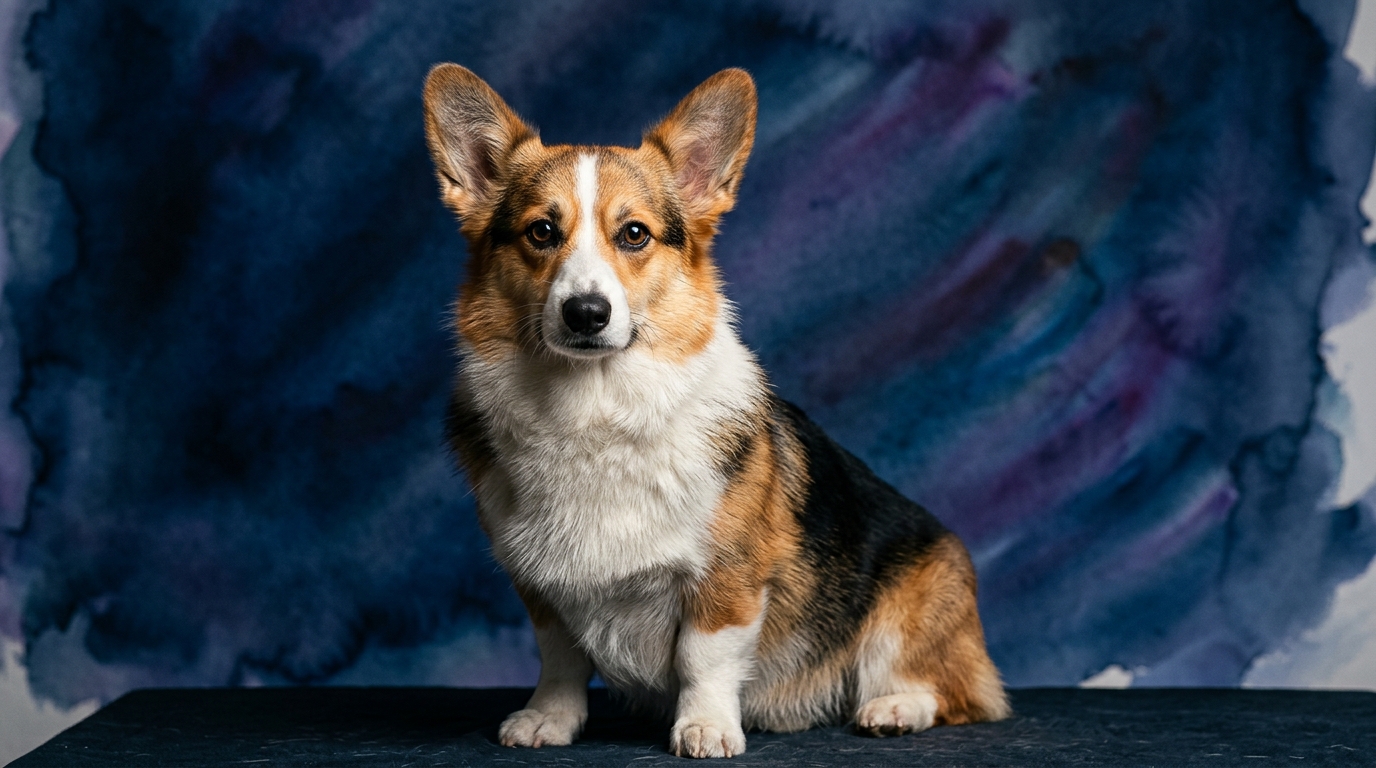
The Pembroke Welsh Corgi, ranked #11 by Coren, presents a profile of balanced and responsive intelligence:
Problem Solving (4/5): The Corgi approaches daily puzzles with a pragmatic intelligence, quickly learning to manipulate objects for desired outcomes, like pushing a gate open or figuring out how to get attention. This score reflects their ability to adapt and find practical solutions within their environment, demonstrating a robust understanding of cause and effect in familiar contexts.
Training Speed (5/5): Exhibiting remarkable alacrity, Corgis absorb new commands and routines with exceptional speed, often grasping concepts within a few repetitions. Their inherent eagerness to engage with their handlers, combined with a sharp focus, ensures a rapid acquisition of new skills, making them highly receptive to consistent and positive reinforcement.
Social Intelligence (4/5): Corgis possess a keen awareness of social dynamics, often accurately interpreting human emotions and intentions. They can anticipate a handler's next move or respond empathetically to moods, fostering a strong, intuitive bond and demonstrating a nuanced understanding of their social ecosystem.
Instinctive Drive (5/5): Their powerful herding instincts are a constant, driving force, manifesting as a persistent desire to manage and organize their surroundings. This can be seen in their characteristic 'nipping' at heels or attempts to gather family members, providing a strong internal motivation that seeks an outlet and can be channeled into various activities.
Memory (4/5): Corgis display a strong capacity for retaining learned information and experiences over extended periods. They reliably recall commands, established routines, and the identities of people and places, allowing for consistent performance and the development of complex behavioral patterns.
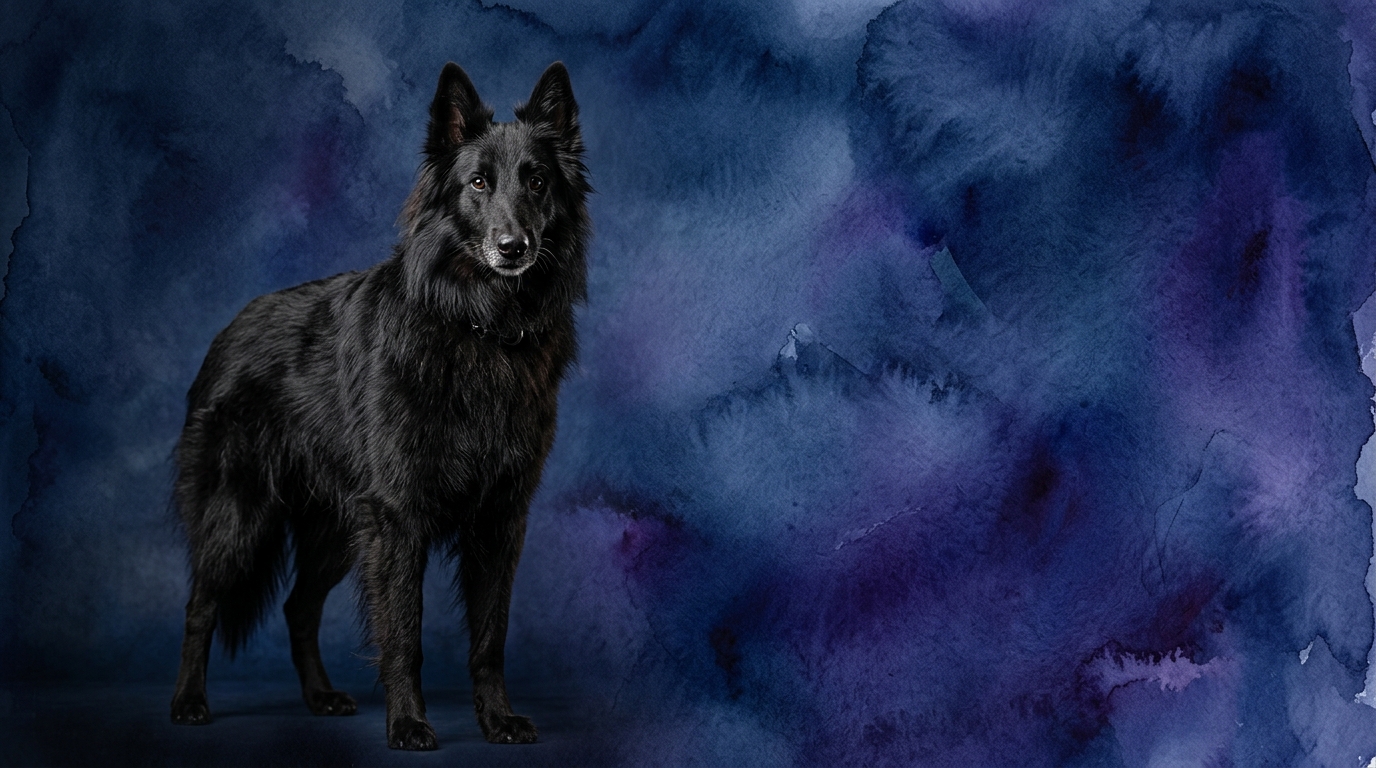
The Belgian Sheepdog (Groenendael), with a Coren rank of #15, showcases a distinct set of cognitive strengths, particularly in analytical depth:
Problem Solving (5/5): The Groenendael demonstrates an elite capacity for analytical thought, approaching novel situations by systematically assessing variables and devising strategic, often multi-step, solutions. This superior score indicates a mind that thrives on abstract challenges and independent decision-making, excelling in complex and dynamic scenarios.
Training Speed (5/5): Possessing an impressive ability to learn, the Groenendael quickly masters new commands and intricate tasks, often requiring minimal repetition. Their intense focus and desire for mental engagement contribute to a swift acquisition of skills, making them highly proficient in structured learning environments.
Social Intelligence (3/5): While forming deep and loyal bonds, the Groenendael's social intelligence tends to be more reserved and task-oriented. They may be discerning in their social interactions, often prioritizing clear communication and purpose over broad social overtures, and might require explicit guidance in interpreting subtle human emotional nuances.
Instinctive Drive (3/5): Their inherent herding instincts are present but often manifest with a more specialized intensity compared to the Corgi, requiring specific direction and channeling. While capable of intricate herding, their drive might be less broadly expressed in daily life, often needing a defined 'job' to satisfy this innate purpose.
Memory (5/5): The Groenendael's memory is truly exceptional, enabling them to recall vast amounts of detailed information, complex sequences of commands, and specific past experiences with remarkable accuracy. This outstanding retention is foundational for sustained, high-level performance in demanding and specialized roles.
Where Pembroke Welsh Corgi Wins Cognitively
The Corgi's cognitive profile reveals distinct advantages, particularly in areas of social acumen and an ever-present intrinsic motivation. With a social intelligence score of 4/5, the Pembroke Welsh Corgi often demonstrates a more overt and expressive understanding of human emotional states and social dynamics within a household. This means they are frequently more attuned to their owners' moods, adapting their behavior to comfort or engage, fostering a deep, empathetic connection. This higher social intelligence can translate into a dog that integrates seamlessly into family life, often acting as a sensitive companion who intuitively understands the subtle cues of human interaction.
Furthermore, the Corgi's instinctive drive, rated at a robust 5/5, is a powerful and constant internal engine. While their herding instinct might manifest as playful nips at heels or attempts to 'gather' family members, this persistent drive provides an inherent eagerness to participate and a strong desire for purpose. This constant motivation makes them intrinsically engaged with their environment and their human counterparts, often needing less external prompting to stay active and involved. Their slightly higher Coren rank of #11, compared to the Groenendael's #15, subtly hints at their overall adaptive intelligence and responsiveness in a broader range of typical domestic and working scenarios, making them exceptional at understanding and executing commands in varied contexts.
Where Belgian Sheepdog (Groenendael) Wins Cognitively
Conversely, the Belgian Sheepdog (Groenendael) exhibits a formidable cognitive prowess that shines in areas demanding profound analytical thinking and exceptional recall. Their problem-solving ability, rated a perfect 5/5, indicates a mind that doesn't just react but actively analyzes and strategizes. Groenendaels are known for their capacity to independently assess complex situations, devise multi-step plans, and execute them with remarkable precision. This translates into a dog that excels in intricate tasks, from advanced obedience routines and agility courses to search and rescue operations, where independent thought and strategic action are paramount; they aren't merely following commands, but actively processing and interpreting their environment to achieve a goal.
Complementing this is their superior memory, also rated 5/5. This outstanding recall allows them to retain vast amounts of information, remember intricate sequences of commands, and learn from past experiences with exceptional accuracy. This deep memory is invaluable for sustained performance in highly specialized roles, enabling them to build an extensive and reliable repertoire of learned behaviors. While their Coren rank is a respectable #15, their specific strengths in problem-solving and memory underscore a different, perhaps more specialized, form of intellectual depth, geared towards precision and complex, sustained cognitive effort.
Which is Easier to Train and Why
Both the Pembroke Welsh Corgi and the Belgian Sheepdog (Groenendael) boast an impressive 5/5 rating for training speed, suggesting both breeds absorb new commands and routines with remarkable quickness. However, the nature of their training experience and the types of tasks they excel at can differ significantly due to their other cognitive attributes.
The Corgi's higher social intelligence (4/5) often makes them incredibly responsive to human cues and highly motivated by positive social interaction. They thrive on praise and engagement, making them generally eager to please and cooperative in training sessions. Their strong instinctive drive (5/5) means they have a natural inclination to be 'doing something,' which, when channeled, can make them incredibly focused on tasks that mimic their herding roots or simply involve active participation with their owner. Their learning curve is steep, and they often pick up basic obedience and tricks with joyous enthusiasm, making them relatively straightforward to train for a wide array of activities.
The Groenendael, while equally fast at learning new commands, approaches training with a different intensity. Their exceptional problem-solving (5/5) and memory (5/5) mean they aren't just memorizing actions but understanding the underlying mechanics and purpose of a task. This can lead to a dog that excels in complex, multi-stage training, such as advanced protection work, competitive obedience, or specialized assistance roles. However, their slightly lower social intelligence (3/5) and instinctive drive (3/5) might mean they are less universally motivated by general social praise and may require more specific, task-oriented motivation and clearer, more structured instruction. While they grasp concepts quickly, their independent problem-solving mind might also lead them to 'think for themselves' more often, requiring a handler who can consistently challenge and direct their formidable intellect. Therefore, while both learn quickly, the Corgi might be perceived as 'easier' for a novice or casual owner due to its broad social responsiveness and consistent eagerness, whereas the Groenendael truly shines with an experienced handler who can harness its profound analytical capabilities for advanced, precision-based work.
Which Suits Active Owners vs. Relaxed Owners
The choice between a Pembroke Welsh Corgi and a Belgian Sheepdog (Groenendael) hinges significantly on an owner's lifestyle and their capacity for engagement. The Pembroke Welsh Corgi, with its potent instinctive drive (5/5) and robust social intelligence (4/5), thrives with owners who can provide consistent interaction and channel its inherent desire to 'work' or participate. While they are a physically smaller breed, their mental and physical energy is considerable. They require daily exercise, engaging play, and mental challenges to prevent boredom, which could manifest as undesirable behaviors like excessive barking or heel-nipping. They are well-suited for active owners who enjoy regular walks, playtime, and perhaps dabbling in dog sports like agility or herding trials. Their social nature means they generally enjoy being part of family activities and are adaptable to various social settings, making them suitable for owners who want a highly integrated canine companion.
Conversely, the Belgian Sheepdog (Groenendael) demands an even higher level of commitment from an active owner, albeit with a different focus. Their exceptional problem-solving (5/5) and memory (5/5) mean they crave intense mental stimulation and purposeful activity. These are not dogs content with just a casual walk; they excel when given a 'job' to do, whether it's advanced training, Schutzhund, competitive obedience, or extensive hiking. A Groenendael without sufficient mental and physical outlets can quickly become bored, destructive, or develop behavioral issues due to their immense cognitive capacity and inherent drive for purpose. They are ideal for highly experienced, active owners who are dedicated to structured training, participate in dog sports, or have a specific working role for their canine partner. For a relaxed owner seeking a low-maintenance companion, neither breed is truly suitable, but the Groenendael's need for consistent, high-level engagement makes it particularly ill-suited for a sedentary lifestyle, while a Corgi might adapt better with consistent, albeit less intense, daily interaction.
The Verdict
The Pembroke Welsh Corgi offers an intelligent, socially astute, and driven companion perfect for active families or individuals seeking a highly interactive and responsive dog for diverse activities.
The Belgian Sheepdog (Groenendael), with its profound analytical mind and exceptional memory, is best suited for experienced, dedicated owners who can provide intensive mental challenges and a structured, purposeful working relationship.
🧠 Find Your Pet's IQ Score
Our Pet IQ Lab assessment covers 25+ tests across 5 cognitive dimensions — personalized to your breed.
Take the Full IQ Test →Frequently Asked Questions
Are Corgis better family dogs than Groenendaels?
Corgis often integrate very well into family life due to their higher social intelligence and adaptable nature, typically enjoying broad interaction with all family members. Groenendaels can be excellent family dogs but often bond most strongly with one primary handler and may be more reserved with strangers, requiring careful socialization.
Which breed is more vocal?
Corgis are generally known for being quite vocal, often using barks to communicate or alert, a trait linked to their strong instinctive drive. Groenendaels can also be vocal, particularly when alerting or engaged in purposeful work, but their expressions might be more directed and less generalized than a Corgi's alert barks.
Do both breeds need a lot of exercise?
Both breeds require significant exercise, but their needs differ. Corgis, despite their size, need consistent daily physical activity and mental engagement. Groenendaels demand a much higher volume of both physical exercise and intense mental stimulation, thriving on structured tasks and purposeful work that challenges their advanced cognitive abilities.