Side-by-Side Cognitive Profiles: Pembroke Welsh Corgi vs. Bloodhound
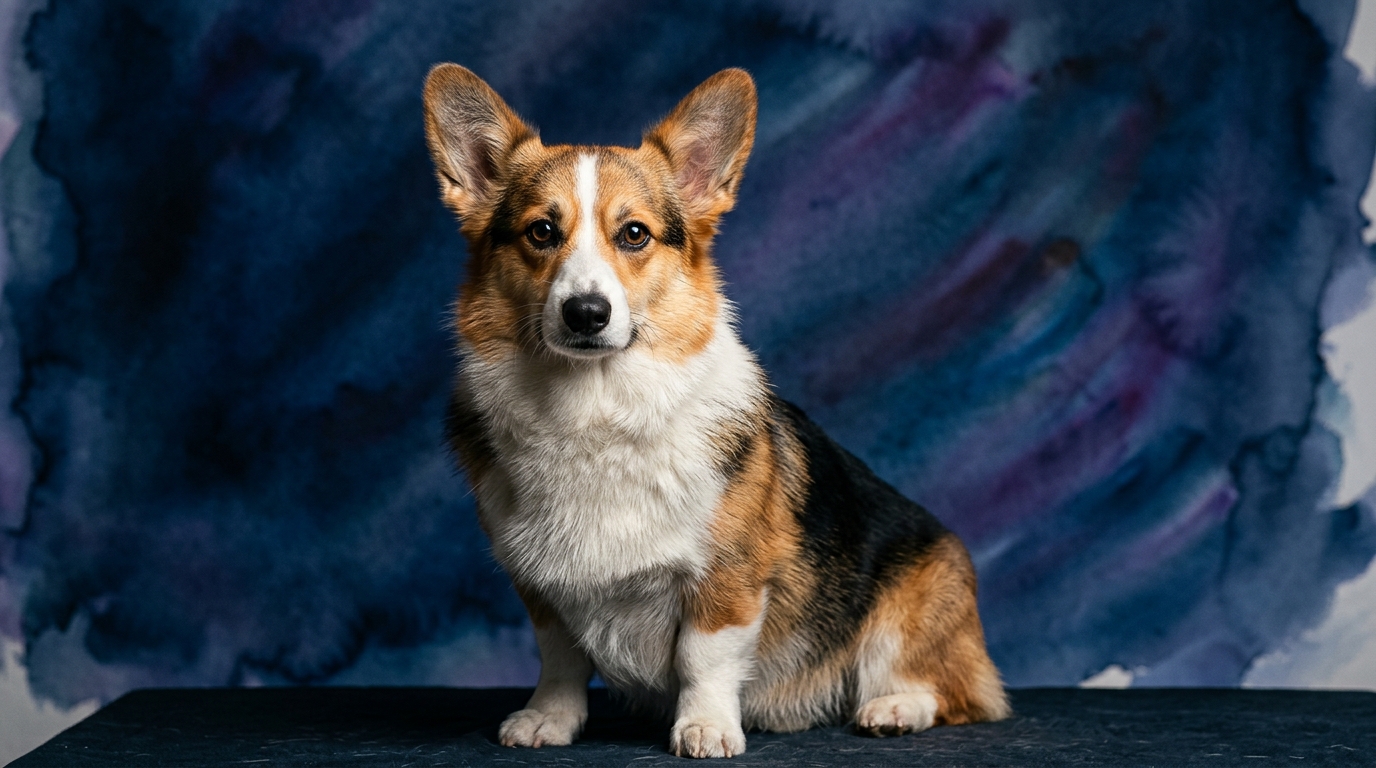
At The Cosmic Pet Pet IQ Lab, we analyze canine cognition across five crucial dimensions, offering a granular view of each breed’s mental architecture. The Pembroke Welsh Corgi, ranking an impressive #11 on the Coren scale, is a herding breed whose intelligence is geared towards responsive interaction and environmental manipulation. Their problem-solving ability scores 4/5, indicating a strong capacity to navigate complex situations and find solutions within their surroundings, often related to managing livestock or outsmarting obstacles. Training speed is exceptional at 5/5, reflecting their eagerness to learn and respond to cues, a trait vital for a working herder. Social intelligence stands at 4/5, showing a keen awareness of human communication and emotional states, fostering strong bonds. Their instinctive drive, rated 5/5, is profoundly rooted in their herding heritage, manifesting as a persistent desire to gather and control. Finally, their memory, at 4/5, allows them to retain a wealth of commands and experiences.
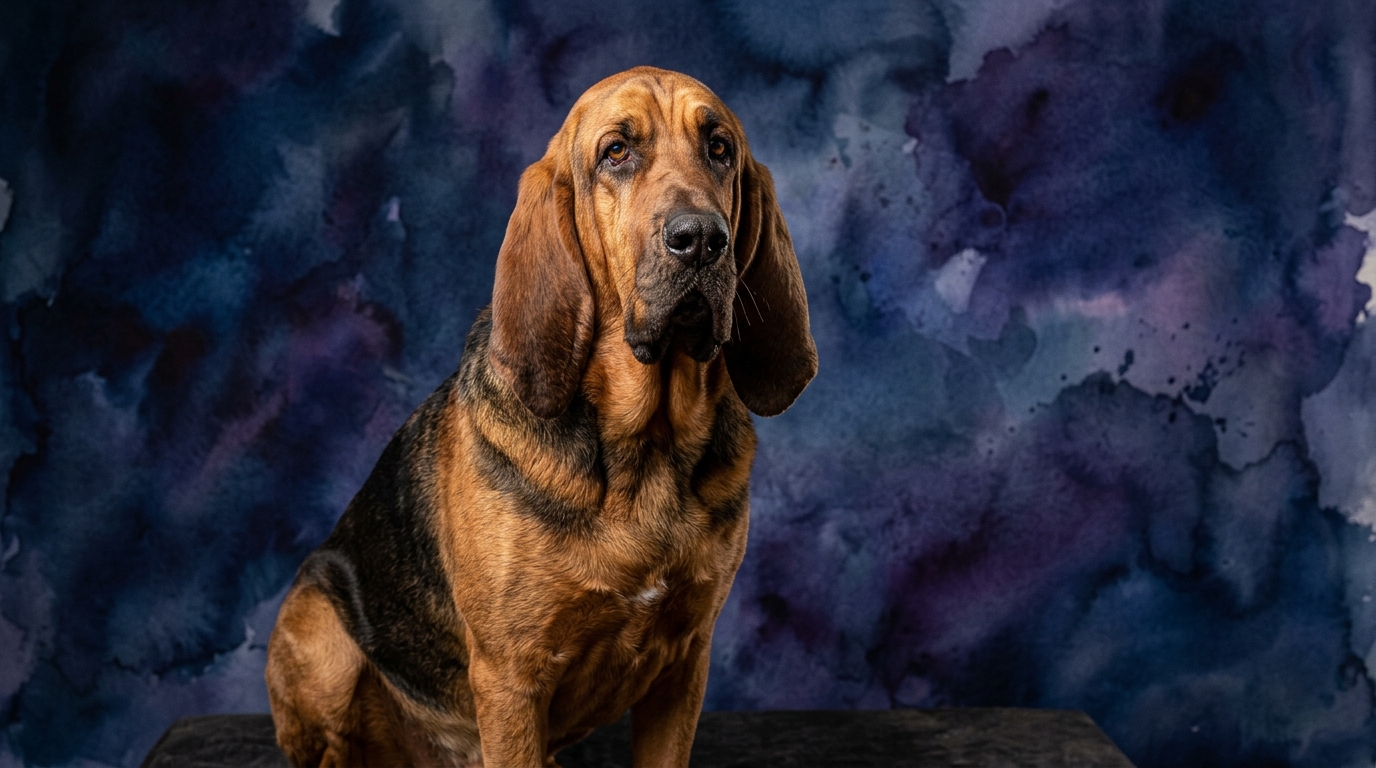
Conversely, the Bloodhound, while lower on the Coren scale at #74, possesses a cognitive profile meticulously honed for an entirely different purpose: tracking. Their problem-solving ability is an outstanding 5/5, but this is overwhelmingly specialized in deciphering intricate scent puzzles, requiring immense focus and sequential deduction to follow a trail. Their training speed, however, is a modest 1/5; Bloodhounds are notoriously independent, driven by their olfactory world, and can be challenging to motivate with traditional obedience methods once a scent is detected. Social intelligence scores 2/5, indicating that while they can be affectionate, their primary attention is often directed outwards to scents rather than inward to human social cues. Instinctive drive is a perfect 5/5, representing an almost unstoppable compulsion to pursue a scent. Their memory is also a perfect 5/5, demonstrating an extraordinary capacity to recall and differentiate complex scent patterns over time and distance.
Where the Pembroke Welsh Corgi Excels Cognitively
The Pembroke Welsh Corgi's cognitive strengths lie in their adaptable and responsive intelligence, making them particularly adept in environments requiring quick thinking and handler interaction. Their 5/5 training speed is a standout feature, enabling them to pick up new commands and routines with remarkable alacrity. This rapid learning curve means Corgis can master a wide repertoire of behaviors, from complex obedience commands to agility courses, often surprising owners with their capacity for understanding. This isn't just about rote memorization; it's about processing instructions, associating actions with words, and performing them reliably.
Furthermore, their 4/5 social intelligence allows them to be highly attuned to human emotions and intentions. A Corgi can often anticipate what their owner wants or needs, adapting their behavior to fit the social context. This nuanced understanding contributes significantly to their role as companion animals, fostering a deep communicative bond. Their problem-solving at 4/5, combined with this social awareness, means they can figure out human-centric puzzles or navigate household dynamics with a cleverness that often delights and sometimes frustrates their families, such as learning to open specific doors or manipulate situations for a treat.
Where the Bloodhound Excels Cognitively
The Bloodhound's cognitive superiority is fundamentally rooted in their unparalleled olfactory processing and relentless focus. Their 5/5 problem-solving ability, while appearing similar to a Corgi's perfect score, operates on an entirely different plane. For a Bloodhound, problem-solving means meticulously deconstructing a scent trail, differentiating individual odors within a complex environment, and mentally reconstructing a path based on ephemeral chemical signatures. This requires an incredible cognitive load, sustained attention, and a highly specialized form of deduction that few other breeds can match. They are, in essence, living, breathing forensic tools, capable of navigating a three-dimensional scent map with astonishing accuracy and endurance.
Their 5/5 instinctive drive is not just a strong urge but a profound, almost meditative commitment to a task. Once a Bloodhound is on a scent, external distractions fade, and their entire cognitive apparatus is dedicated to that single goal. This intense drive, coupled with their perfect 5/5 memory for scent, allows them to recall specific odor profiles and associate them with past experiences, enhancing their tracking capabilities. They can remember the 'signature' of a particular person or animal and differentiate it from countless others, even days later. This specialized memory and drive are what make them indispensable in search and rescue or law enforcement, demonstrating a form of intelligence that transcends conventional measures of obedience or social interaction.
Which Is Easier to Train and Why?
When considering ease of training, the Pembroke Welsh Corgi holds a distinct advantage due to its 5/5 training speed and 4/5 social intelligence. Corgis are inherently eager to please their handlers and respond very well to positive reinforcement. Their herding background necessitates a strong connection with a human partner, making them naturally inclined to pay attention to commands and learn quickly. They thrive on mental engagement that involves interaction and direction, making basic obedience and advanced tricks relatively straightforward to teach. Their attentiveness and desire for approval translate into a responsive and cooperative training partner.
The Bloodhound, with its 1/5 training speed and 2/5 social intelligence, presents a significantly different training challenge. Their independence and overwhelming instinctive drive for scent work mean they are often less motivated by human approval when a compelling odor is present. A Bloodhound’s world is dominated by its nose, and once on a trail, their focus becomes almost singular, making it difficult to redirect their attention. Training a Bloodhound requires immense patience, consistency, and a deep understanding of their motivations. Owners must learn to work with, rather than against, their powerful instincts, often incorporating scent games and tracking exercises into their training regimen to keep them engaged. While capable of learning, their learning process is slower and requires more creative, persistent effort from the trainer, often making them appear stubborn rather than lacking in problem-solving capacity.
Suitability for Active vs. Relaxed Owners
The Pembroke Welsh Corgi, despite its short stature, is a former herding dog with a robust energy level and a need for mental stimulation. An active owner who enjoys regular walks, engaging play sessions, and perhaps dog sports like agility or obedience trials will find a Corgi to be a rewarding companion. They thrive on having a 'job' to do, even if it's just learning new tricks or participating in household routines. However, their adaptability means they can also adjust to moderately active households, provided their cognitive needs are met through consistent interaction and puzzle toys. A truly relaxed owner who offers minimal engagement might find a Corgi prone to boredom-induced behaviors, as their innate cleverness requires an outlet.
The Bloodhound, on the other hand, is unequivocally suited for active and highly dedicated owners, particularly those who appreciate and are willing to channel their powerful instinctive drive. These dogs require substantial daily exercise, not just in terms of physical exertion but crucially, in mental stimulation related to their primary sense: scent. Owners who can provide opportunities for tracking, advanced scent work, or even long, meandering walks where the Bloodhound is encouraged to follow interesting smells, will find a deeply satisfied companion. A relaxed owner who cannot commit to fulfilling these fundamental needs will likely encounter a bored, restless, and potentially destructive Bloodhound. Their deep-seated drive for scent work is not an optional extra; it is a core component of their well-being and requires significant owner investment.
The Verdict
Choose a Pembroke Welsh Corgi if you seek an adaptable, socially intelligent companion who learns rapidly and thrives on interactive mental challenges, fitting well into various active or moderately active households.
Opt for a Bloodhound if you are a dedicated individual who deeply values unparalleled sensory dedication and is prepared to channel a powerful, specialized instinctive drive into consistent, engaging scent-based activities.
🧠 Find Your Pet's IQ Score
Our Pet IQ Lab assessment covers 25+ tests across 5 cognitive dimensions — personalized to your breed.
Take the Full IQ Test →Frequently Asked Questions
Do Corgis need a lot of exercise?
Yes, despite their short legs, Corgis are herding dogs with considerable energy and require daily walks and consistent mental challenges to prevent boredom and maintain their physical and cognitive health. They benefit from interactive play and training sessions.
Are Bloodhounds good family pets?
Bloodhounds can be affectionate and gentle with families, often displaying a calm demeanor indoors. However, their independent nature and strong scent drive mean they require patient training, a securely fenced yard, and owners who understand their need for dedicated scent work and exercise.
How do Corgi and Bloodhound problem-solving differ?
Corgis typically solve problems through observation, trial-and-error, and responsiveness to human cues in their environment, often related to social or physical obstacles. Bloodhounds, conversely, excel at complex, sustained sensory deduction, primarily through the intricate analysis and following of scent trails, a highly specialized cognitive skill.