Side-by-Side Cognitive Profiles: Corgi vs. Bouvier
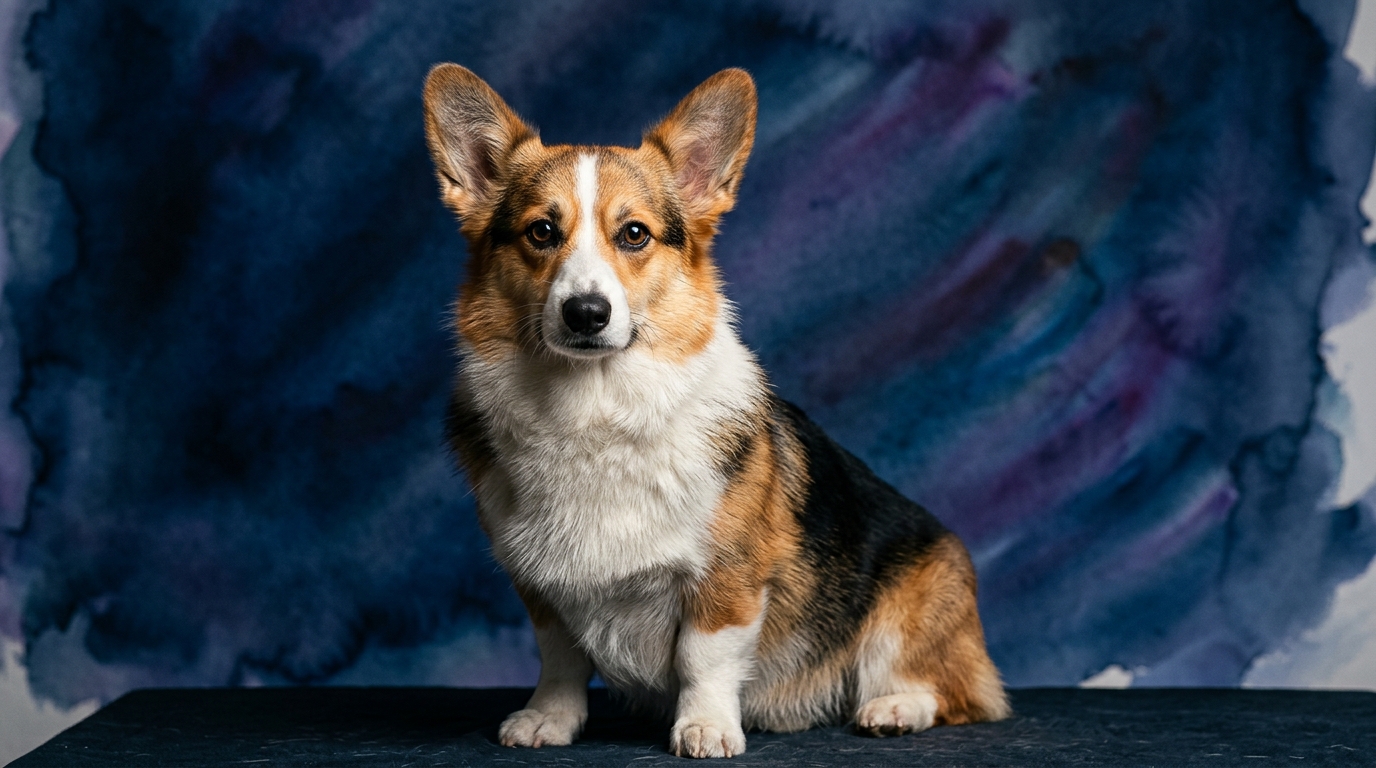
The Pembroke Welsh Corgi, a breed with a notable Coren rank of #11, showcases a cognitive profile geared towards rapid learning and dynamic engagement. They achieve an impressive 4/5 in problem-solving, indicating a strong capacity for navigating novel challenges and strategizing. Their training speed is exceptional at 5/5, suggesting they absorb new commands and routines with remarkable efficiency. Social intelligence registers at 4/5, reflecting their ability to read human cues and adapt to social environments, while their instinctive drive is a robust 5/5, underpinning their traditional herding prowess. Memory for the Corgi stands at a solid 4/5, ensuring they retain learned information effectively.
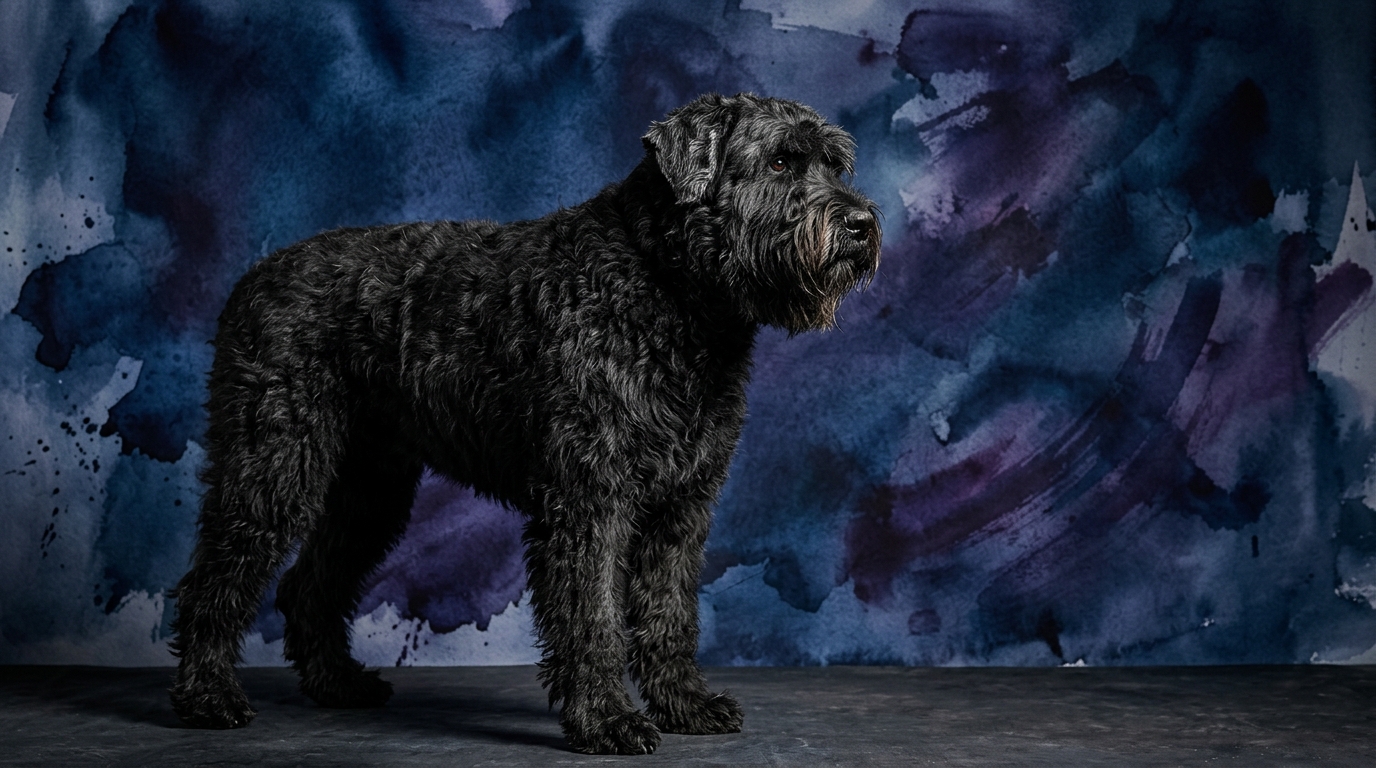
In contrast, the Bouvier des Flandres, while not holding a Coren rank, presents a cognitive makeup that emphasizes a more deliberate and independent approach. Their problem-solving ability is rated 3/5, indicating they can tackle challenges but might favor persistence over immediate, creative solutions. Training speed for the Bouvier is 3/5, meaning they require more consistent repetition and patience to master new skills compared to the Corgi, though their learning can be very deeply ingrained once established. Social intelligence is also 3/5, suggesting a more reserved or focused social engagement. Their instinctive drive is 3/5, reflecting a protective herding style rather than an active driving one, and their memory is 3/5, implying a steady but not instantaneous recall of information.
Where the Pembroke Welsh Corgi Excels Cognitively
The Pembroke Welsh Corgi distinctly excels in areas requiring quick mental processing and handler responsiveness. Their 5/5 training speed is a testament to their innate desire to work with humans and their keen ability to associate actions with rewards, making them highly receptive to obedience training and complex trick learning. This rapid acquisition of skills, combined with a 4/5 problem-solving aptitude, means Corgis are adept at figuring out puzzles, navigating agility courses, and even manipulating situations to their advantage, often demonstrating a cleverness that delights and sometimes outwits their owners. Their strong social intelligence (4/5) also allows them to integrate seamlessly into diverse family dynamics, often anticipating human moods and intentions with remarkable accuracy, making them highly communicative companions.
Distinct Cognitive Strengths of the Bouvier des Flandres
While the Bouvier des Flandres’ scores might appear lower, their cognitive profile highlights strengths centered on resilience, steadfastness, and an independent working ethic. Their 3/5 problem-solving and training speed ratings do not signify a lack of capacity, but rather a methodical, deeply ingrained learning process. Once a Bouvier grasps a concept, it is typically understood thoroughly and executed with remarkable consistency, making them exceptionally reliable in roles requiring sustained focus, like guarding or tracking. Their 3/5 instinctive drive, focused on protection and containment, translates to a thoughtful, less impulsive approach to their duties, making them watchful and deliberate protectors rather than frantic herders. This independence means they often perform tasks without constant human oversight, relying on their own judgment and memory (3/5) to complete objectives effectively.
Training Dynamics: Corgi's Agility vs. Bouvier's Steadfastness
When it comes to ease of training, the Pembroke Welsh Corgi generally presents a more straightforward experience due to their exceptional 5/5 training speed. They thrive on positive reinforcement, quickly grasping new commands and enjoying the mental engagement of learning. Their herding background, which necessitated quick reactions and close cooperation with shepherds, translates into a dog eager to please and highly attuned to handler cues. This makes them excellent candidates for various dog sports, advanced obedience, and even service work where rapid learning and adaptability are paramount. Their 4/5 social intelligence further aids training, as they readily understand and respond to human directives and body language, making the training process a highly interactive and rewarding endeavor for both dog and owner.
Matching Breeds to Lifestyles: Active Engagement vs. Grounded Companionship
The cognitive profiles of these two breeds naturally align with different owner lifestyles. The Pembroke Welsh Corgi, with its high problem-solving (4/5) and instinctive drive (5/5), is an excellent match for active owners who enjoy consistent mental engagement and physical activity with their dog. They thrive in environments where they can apply their quick wit and herding instincts, whether through agility, herding games, or learning new tricks. Their social intelligence (4/5) and memory (4/5) mean they are highly adaptable and enjoy being central to family activities, making them suitable for owners who want a highly interactive and responsive companion. They require regular mental stimulation to prevent boredom and channel their abundant energy constructively.
Conversely, the Bouvier des Flandres, with its more deliberate 3/5 scores across the board, is better suited for experienced owners who appreciate a more independent and steadfast companion. While they still require activity, their cognitive approach leans towards methodical work and deep understanding rather than rapid-fire learning. Owners who value a dog with a strong protective instinct and a calm, watchful demeanor will find the Bouvier rewarding. Their lower training speed means owners must be patient and consistent, but the reward is a deeply loyal and reliable partner. They are ideal for individuals or families seeking a grounded presence, perhaps with a secure yard and a preference for structured, purposeful activities over constant, high-energy games, valuing a dog that thinks for itself within established boundaries.
The Verdict: When to Choose Each Herding Companion
Choosing between a Pembroke Welsh Corgi and a Bouvier des Flandres ultimately depends on an owner's lifestyle, experience, and specific expectations for a canine companion. The Corgi is a vibrant, quick-witted partner, excelling in rapid learning and social engagement, making them ideal for owners who seek an interactive, adaptable, and highly trainable dog for a variety of activities.
The Bouvier des Flandres offers a more independent, methodical, and profoundly loyal companionship, best suited for experienced owners who appreciate a dog with a strong work ethic, a protective nature, and the patience to foster deep, lasting understanding through consistent training and clear guidance.
The Verdict
Choose the Pembroke Welsh Corgi if you desire a highly responsive, quick-learning companion eager to participate in diverse mental and physical activities, thriving on interaction and clever problem-solving.
Opt for the Bouvier des Flandres if you are an experienced owner seeking a steadfast, protective, and independent dog that, with patience and consistent training, develops a deep, unwavering loyalty and methodical understanding.
🧠 Find Your Pet's IQ Score
Our Pet IQ Lab assessment covers 25+ tests across 5 cognitive dimensions — personalized to your breed.
Take the Full IQ Test →Frequently Asked Questions
Are Bouvier des Flandres difficult to train?
Bouvier des Flandres are not inherently difficult, but their 3/5 training speed means they require more patience and consistency than some breeds. They learn methodically, and once a command is truly understood, they tend to retain it exceptionally well, valuing deep comprehension over quick acquisition.
Do Corgis need a lot of mental stimulation?
Yes, Corgis, with their 4/5 problem-solving and 5/5 instinctive drive, absolutely need significant mental stimulation to prevent boredom. Engaging them with puzzle toys, training sessions, and opportunities to 'herd' (even if just toys) helps channel their sharp minds constructively.
Which breed is better for a first-time dog owner?
For a first-time dog owner, the Pembroke Welsh Corgi is generally a more approachable choice due to their 5/5 training speed and eagerness to please. The Bouvier des Flandres, with its independent nature and need for consistent, experienced handling, is often better suited for owners with previous dog ownership and training experience.