Side-by-Side IQ Profile
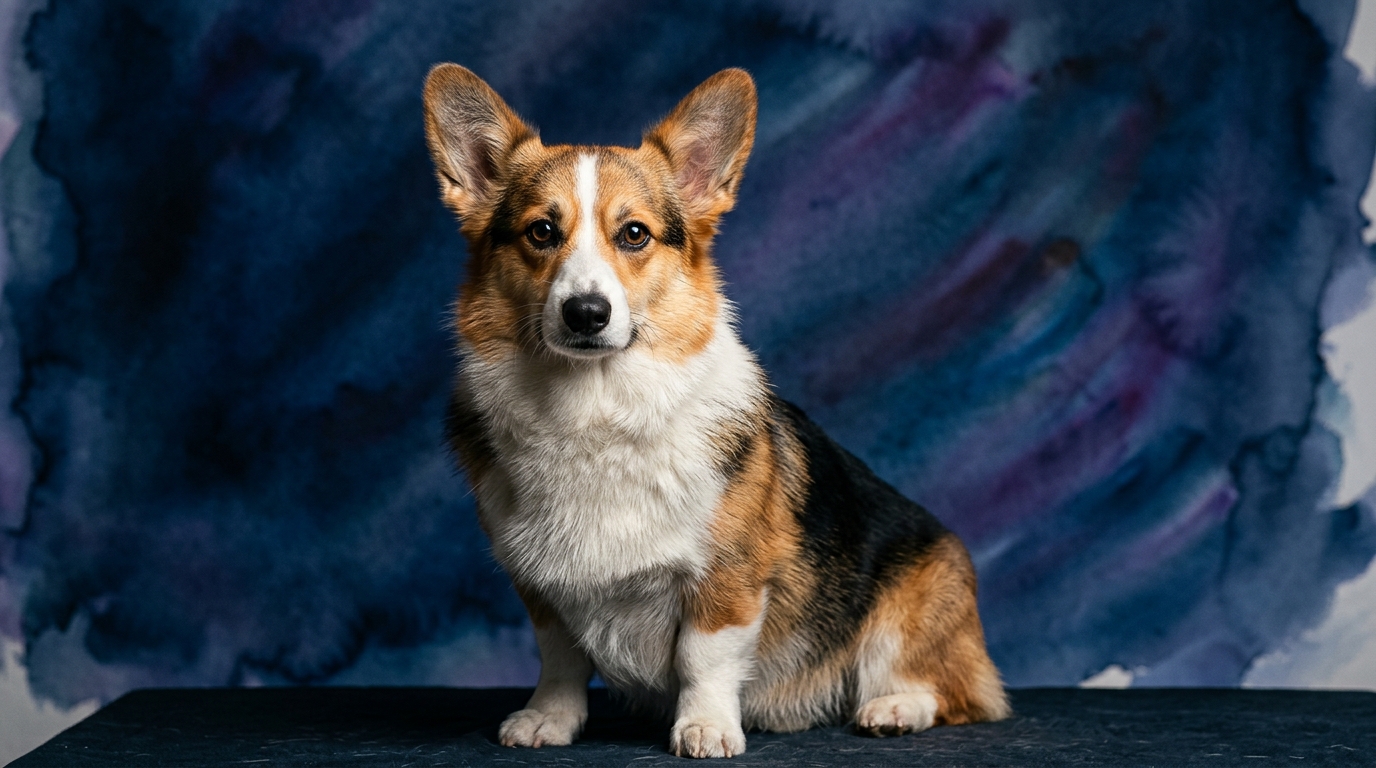
Originating as agile herding dogs, the Pembroke Welsh Corgi consistently ranks high in canine intelligence, securing a Coren rank of #11. This places them among breeds demonstrating a swift grasp of new commands and excellent long-term retention. Their problem-solving acumen is rated 4/5, indicating a notable capacity for independent thought and strategic thinking when faced with novel challenges, a clear echo of their historical role in managing livestock. Training speed is an outstanding 5/5, reflecting their eagerness to engage with handlers and their rapid acquisition of new behaviors, often needing only a few repetitions to solidify a command. Social intelligence, at 4/5, highlights their adeptness at interpreting human emotional cues and adapting their behavior within diverse social settings, fostering strong, responsive bonds with their family. An instinctive drive of 5/5 underscores their inherent motivation to act on natural impulses, whether it's playfully herding family members, engaging in scent work, or demonstrating impressive agility, always seeking a task or engagement. Their memory, rated 4/5, ensures they recall learned commands, routines, and experiences consistently, making them reliable and predictable companions once trained.
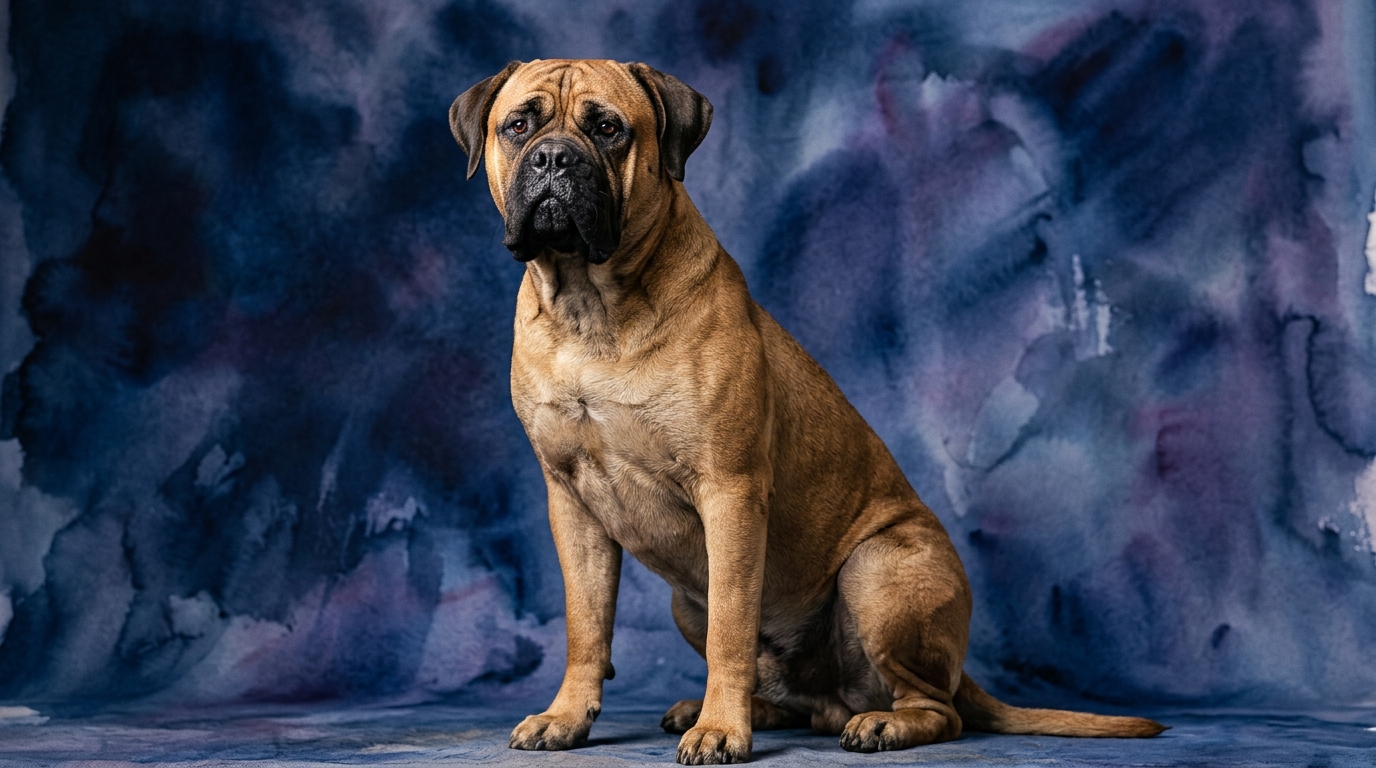
The formidable Bullmastiff, a working breed developed specifically for guarding estates and gamekeepers against poachers, holds a Coren rank of #69. This ranking suggests they require more patience and repetition to learn new commands and may exhibit a more independent streak in their responses compared to breeds with higher ranks. Their problem-solving capability scores 3/5, indicating they can work through straightforward challenges and learn from experience, but might not spontaneously devise intricate solutions or complex strategies without clear direction. Training speed is also 3/5, meaning while they are certainly trainable, consistency, positive reinforcement, and a clear understanding of expectations are paramount to solidifying new behaviors over time. Social intelligence, rated 3/5, implies they form deep, protective bonds with their immediate family but might be more reserved, watchful, or even aloof with strangers, valuing discernment over broad social engagement. Their instinctive drive, at 3/5, points to a moderate level of inherent motivation for typical dog activities; they often prefer comfort and companionship, demonstrating bursts of energy rather than sustained high-octane engagement. Memory, rated 3/5, confirms they remember what they've learned, but recall might not be as immediate or consistently perfect as breeds with stronger scores.
Where Pembroke Welsh Corgi Wins Cognitively
The Pembroke Welsh Corgi distinctly excels over the Bullmastiff in several cognitive domains, a testament to their heritage as active herding dogs. Their problem-solving score of 4/5 signifies a quick wit and an impressive aptitude for figuring out intricate situations, whether it involves navigating household obstacles, mastering complex trick sequences, or even outsmarting a food puzzle. This cognitive flexibility allows them to adapt rapidly to new environments and learn from experiences with minimal prompting. A key advantage is their training speed of 5/5, which means they absorb new commands and routines with remarkable alacrity, often displaying an eagerness to please and actively participate in structured learning sessions. This swift comprehension is further bolstered by their strong memory (4/5), ensuring that once a lesson is learned, it tends to be retained reliably, making them exceptionally receptive to ongoing education and skill refinement. Moreover, their instinctive drive (5/5) is a powerful cognitive asset, manifesting as a strong, intrinsic motivation to work and engage, which can be effectively channeled into a diverse array of dog sports, obedience trials, or even everyday "jobs" around the house.
Where Bullmastiff Wins Cognitively
While the Bullmastiff's numerical cognitive scores might appear modest compared to the Corgi, their unique strengths lie in a different, equally valuable form of intelligence, one forged by centuries of selective breeding for steadfastness, protection, and discernment. Their social intelligence, though rated 3/5, translates into a profound, unwavering loyalty and an acute ability to read and respond to the emotional nuances within their family unit. This isn't about effusive, rapid-fire social interaction, but rather a deep, discerning connection that allows them to understand and protect their loved ones with quiet vigilance. The Bullmastiff's lower instinctive drive (3/5) can, counter-intuitively, be a cognitive advantage for certain lifestyles; it means they are less prone to high-energy, impulsive behaviors that demand constant redirection. Instead, they often exhibit a calm, watchful demeanor, processing their environment with a deliberate, thoughtful pace. This patient observation, combined with a formidable protective instinct, enables them to excel at assessing potential threats and reacting with measured, powerful resolve when situations demand it, demonstrating a practical and situational intelligence perfectly suited to their guardian role.
Which is Easier to Train and Why
Based on their respective IQ profiles, the Pembroke Welsh Corgi is undeniably easier to train, primarily owing to their exceptional training speed (5/5) and robust instinctive drive (5/5). Corgis possess an innate eagerness to learn and a strong desire to work collaboratively with their human companions, a trait honed by their ancestral duties where quick, independent decisions and responsive actions were critical. They thrive on mental stimulation and respond enthusiastically to positive reinforcement, often grasping new commands and complex sequences within just a few repetitions. Their solid problem-solving ability (4/5) further enhances their trainability, allowing them to generalize learned behaviors to novel contexts and adapt quickly to new challenges. In stark contrast, the Bullmastiff's training speed (3/5) and instinctive drive (3/5) necessitate a far more deliberate and patient training approach. Bullmastiffs are not unintelligent, but their motivation is typically less about immediate compliance and more about understanding the rationale or responding to a trusted, consistent leader. They require unwavering consistency, clear boundaries, and firm, fair methods, coupled with early and thorough socialization, to manage their substantial physical power and strong-willed nature effectively. Their inherent protective instincts, if not properly channeled through consistent training, can also present specific challenges that require experienced handling.
Which Suits Active Owners vs Relaxed Owners
The Pembroke Welsh Corgi, with their robust instinctive drive (5/5), high problem-solving capacity (4/5), and quick training speed (5/5), is an exceptional match for active owners who relish engaging their dogs in a diverse array of activities beyond simple walks. These dogs thrive on consistent mental and physical challenges, whether it's participating in agility courses, mastering complex obedience routines, engaging in scent work, or even simulating their herding heritage with enrichment games. Their energetic nature and inherent desire to "work" mean they require regular, stimulating outlets for their considerable physical and cognitive energy to prevent boredom-induced behaviors. Owners who appreciate a companion that is always ready for an adventure, a brain game, or a training session will find the Corgi a profoundly rewarding and interactive partner. Conversely, the Bullmastiff, characterized by a moderate instinctive drive (3/5), a more relaxed demeanor, and a deliberate pace, is often better suited for relaxed owners seeking a calm, steadfast presence. While they still require regular, moderate exercise to maintain their health and well-being, their preference leans heavily towards comfort, quiet companionship, and watchful observation rather than constant high-intensity activity. Owners who value a serene home environment and are prepared for a dog that matures slowly and prefers a steady, predictable routine will discover a deep, unwavering connection with a Bullmastiff.
The Verdict
Choose a Pembroke Welsh Corgi if you seek an agile, quick-witted companion eager for training, mental challenges, and energetic engagement, thriving on a purpose-driven life alongside an active family.
Opt for a Bullmastiff if you desire a loyal, steadfast guardian who values deep familial bonds, a calm home environment, and a more relaxed pace, requiring patient, consistent leadership.
🧠 Find Your Pet's IQ Score
Our Pet IQ Lab assessment covers 25+ tests across 5 cognitive dimensions — personalized to your breed.
Take the Full IQ Test →Frequently Asked Questions
Do Corgis need a lot of mental stimulation?
Yes, Corgis, with their 4/5 problem-solving and 5/5 instinctive drive, thrive on mental engagement. Their herding background means they are happiest when given tasks, puzzles, or regular training sessions to occupy their active minds, preventing boredom and potential mischief.
Are Bullmastiffs difficult to train for first-time owners?
Bullmastiffs, with a 3/5 training speed, require patience and consistency, which might be a learning curve for first-time owners. Their size and protective instincts necessitate early, firm, but fair training and socialization to ensure they grow into well-behaved companions.
How do their social intelligence scores impact family life?
A Corgi's 4/5 social intelligence means they are often very attuned to family dynamics, easily integrating and interacting with various members. A Bullmastiff's 3/5 social intelligence suggests deep loyalty to their immediate family but potentially more reserved interactions with strangers, emphasizing protection and discernment within their trusted circle.