Side-by-Side IQ Profile: Pembroke vs. Cardigan
The Cosmic Pet Pet IQ Lab employs a five-dimensional framework to assess canine intelligence, offering a granular view of each breed's cognitive strengths. Let's examine how the Pembroke and Cardigan Welsh Corgis measure up in problem-solving, training speed, social intelligence, instinctive drive, and memory.
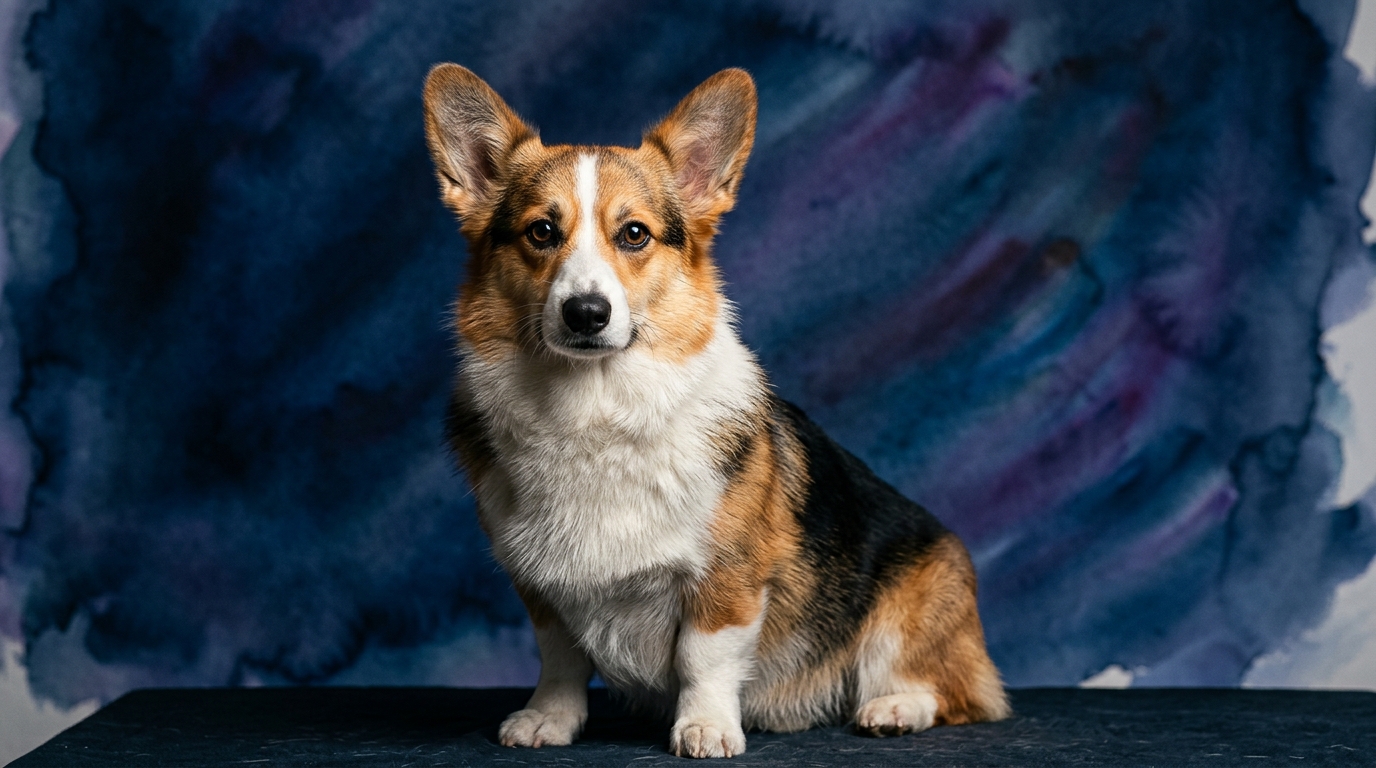
**Pembroke Welsh Corgi (Coren Rank #11):** These dogs are often characterized by their sharp wit and engaging personalities. Their **Problem Solving (4/5)** ability means they exhibit a strong capacity for independent thought, often demonstrating cleverness in navigating obstacles or achieving desired outcomes. Their **Training Speed (5/5)** is exceptional; Pembrokes pick up new commands and routines with remarkable swiftness, often requiring fewer repetitions than many other breeds to solidify learned behaviors. **Social Intelligence (4/5)** is a prominent trait, as they typically display a robust understanding of human cues and social dynamics, often anticipating needs and reacting empathetically to family members’ moods. Their **Instinctive Drive (5/5)** is profoundly present, manifesting as a powerful urge to gather, control, and organize, stemming directly from their herding heritage. Finally, their **Memory (4/5)** ensures they retain learned commands, routines, and experiences over extended periods, making their training durable and their understanding of household rules consistent.
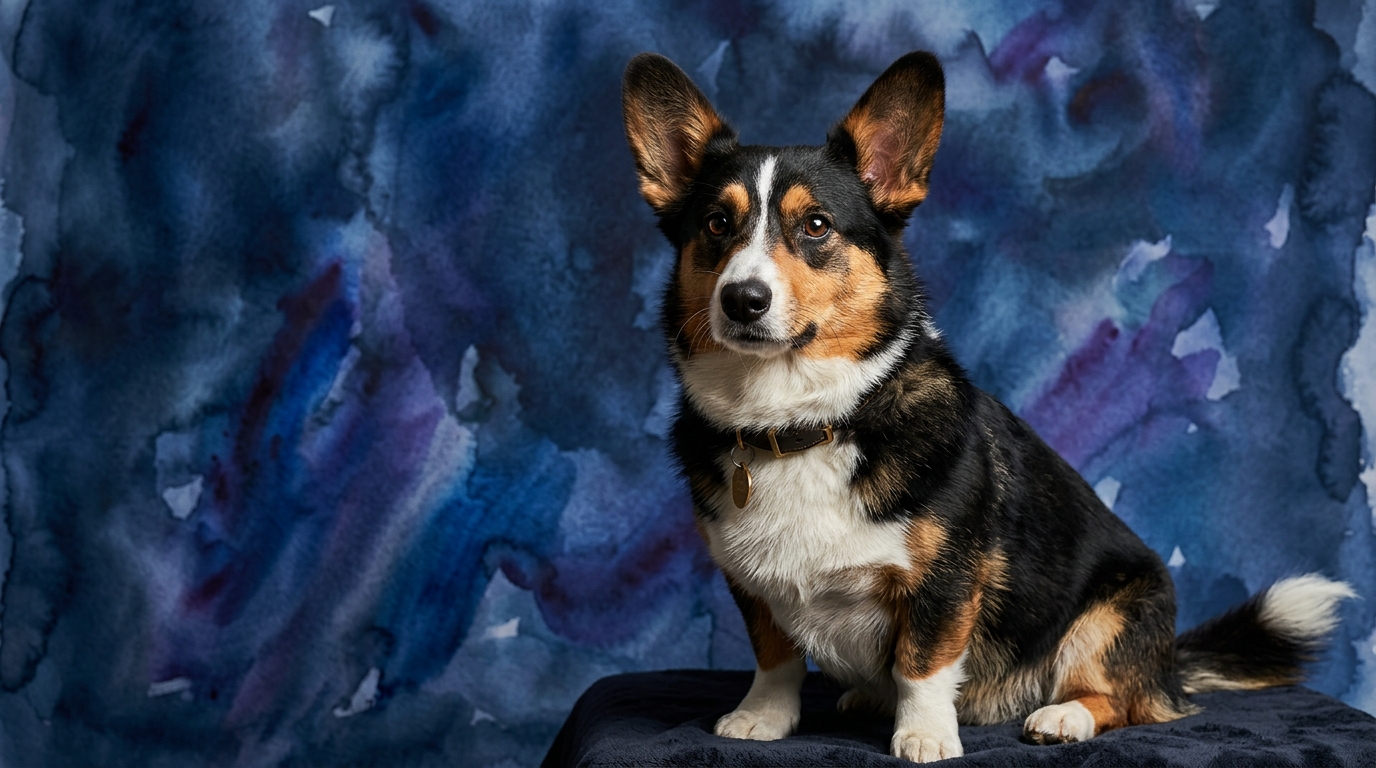
**Cardigan Welsh Corgi (Coren Rank #26):** Recognized for their slightly more substantial build and calm demeanor, Cardigans possess a distinct intellectual signature. Their **Problem Solving (4/5)** capacity is on par with Pembrokes, indicating a solid ability to analyze and resolve issues, showing resourcefulness in navigating their environment, though often with a more deliberate approach. **Training Speed (4/5)** is commendable; Cardigans learn new tasks at a good pace, generally requiring a moderate number of repetitions to achieve mastery, showing attentiveness and willingness. Their **Social Intelligence (3/5)** tends to be more reserved; Cardigans often take time to warm up to strangers and prefer the company of their established family unit, showing a more independent streak. The **Instinctive Drive (3/5)** in Cardigans is present but generally less intense compared to the Pembroke, retaining core herding instincts for patrolling and guarding, but perhaps with a slightly less urgent need to control their environment. Their **Memory (4/5)** is strong, demonstrating excellent recall for commands, routines, and past experiences, ensuring that once a lesson is learned, it tends to stick.
Where the Pembroke Welsh Corgi Wins Cognitively
The Pembroke Welsh Corgi stands out particularly in areas related to rapid acquisition of knowledge and dynamic social engagement. Their superior training speed (5/5) means that new commands, tricks, or behavioral expectations are absorbed with impressive efficiency, often solidifying after just a few repetitions. This makes them highly responsive to structured learning environments and quick to adapt to new rules or routines introduced by their human companions, making them a joy to guide through complex training sequences.
Furthermore, their elevated social intelligence (4/5) compared to the Cardigan (3/5) indicates a more pronounced ability to read and react to human emotional states and complex social cues. Pembrokes often seem to anticipate their owners' intentions, exhibiting a keen awareness of household dynamics and a strong desire to participate in family activities. This translates into a highly interactive and emotionally attuned companion who readily integrates into the social fabric of a bustling home. Their exceptional instinctive drive (5/5) also provides a powerful internal motivation for engagement, making them persistent in tasks and eager to work alongside their people, channeling that energy into learning and interaction with focused enthusiasm.
Where the Cardigan Welsh Corgi Wins Cognitively
While the Cardigan Welsh Corgi's scores might appear slightly lower in some metrics, their cognitive strengths lie in a more independent and perhaps less overtly expressive intellectual approach. Their problem-solving ability (4/5) is on par with the Pembroke, suggesting an equal capacity for figuring things out, but often with a more thoughtful, less impulsive execution. This can manifest as a deliberate assessment of a situation before acting, rather than an immediate, high-energy response, making them keen observers of their environment.
The Cardigan's slightly lower social intelligence (3/5) doesn't imply a lack of affection or bond, but rather a more discerning and independent social style. They may be less overtly demonstrative or quick to engage with strangers, preferring to observe and form connections on their own terms. This can be a strength for owners who appreciate a dog with a strong sense of self and a less overtly demanding social presence, fostering a relationship built on mutual respect and quiet companionship. Their instinctive drive (3/5), while still present, is often channeled into a more watchful and protective demeanor, making them excellent, observant companions without the same intense, pervasive 'herding' compulsion seen in Pembrokes. This nuanced drive allows them to be dedicated without being overwhelming in their energetic focus, offering a more contained and deliberate presence.
Which is Easier to Train and Why?
Based on their respective IQ profiles, the Pembroke Welsh Corgi generally presents as the easier breed to train, primarily due to their superior training speed (5/5). Pembrokes typically grasp new commands and concepts with remarkable rapidity, requiring fewer repetitions to achieve mastery. This swiftness is often coupled with an eager-to-please attitude and a high level of responsiveness to their handler's cues, making training sessions feel productive and rewarding. Their robust social intelligence also plays a role, as they are often more attuned to human expectations and subtle social signals, allowing for a more fluid communication channel during training, where they actively seek to understand and comply.
The Cardigan Welsh Corgi, with a training speed of 4/5, is certainly capable of learning and is by no means difficult to train. However, they might require a bit more patience and consistency from their owners, potentially needing a few more repetitions to solidify a new behavior. Their slightly more independent nature and lower social intelligence score suggest they might not be as overtly driven by human approval during training, sometimes preferring to think things through on their own terms. This can translate into moments where they might seem less immediately compliant, requiring a trainer who understands their thoughtful, sometimes stubborn, approach to learning. Both breeds benefit immensely from positive reinforcement, but the Pembroke's inherent drive for engagement and quick uptake often makes their training journey feel smoother and faster, presenting fewer perceived hurdles for a novice trainer.
Which Corgi Suits Active Owners vs. Relaxed Owners?
For active owners seeking a canine companion with boundless energy and a strong desire for engagement, the Pembroke Welsh Corgi often proves to be an ideal match. Their high instinctive drive (5/5) and quick training speed (5/5) mean they thrive on mental and physical challenges, enjoying activities like agility, obedience trials, or even simply extended play sessions that mimic their herding roots. Pembrokes benefit from consistent stimulation and structured activities that channel their considerable intelligence and drive, making them excellent partners for owners who enjoy an energetic lifestyle and are committed to daily interactive play and training. They excel when given a 'job' and appreciate being an active participant in all family endeavors, often initiating play or seeking interaction.
Conversely, for owners who appreciate a dog with a solid work ethic but a slightly more independent and relaxed demeanor, the Cardigan Welsh Corgi often fits the bill. While still benefiting from regular exercise and mental engagement, their slightly lower instinctive drive (3/5) and social intelligence (3/5) suggest they might be content with a more moderate activity level compared to Pembrokes. Cardigans are often happy with a good walk, some thoughtful puzzle toys, and quality time with their family, without the same intense demand for constant, high-energy interaction. They can be wonderful companions for individuals or families who prefer a dog that is present and observant but perhaps less insistent on being the center of every active moment, appreciating a calm, thoughtful presence in the home. They are dedicated companions who offer loyalty without overwhelming demands for attention.
The Verdict
Opt for a Pembroke if you seek a highly responsive, eager-to-please companion who thrives on rapid learning and constant social engagement, excelling in active households ready to channel their robust herding drive.
Select a Cardigan if you prefer a thoughtful, discerning companion with a strong independent streak, appreciating a slightly more reserved social style and a steady, observant presence in a moderately active home.
🧠 Find Your Pet's IQ Score
Our Pet IQ Lab assessment covers 25+ tests across 5 cognitive dimensions — personalized to your breed.
Take the Full IQ Test →Frequently Asked Questions
Do Pembroke and Cardigan Corgis have different exercise needs?
Yes, generally. Pembrokes, with their higher instinctive drive, often require more structured exercise and mental stimulation to prevent boredom, thriving on activities like agility or herding games. Cardigans, while still needing daily walks and play, can be content with a slightly more moderate activity level, valuing thoughtful engagement and observation.
Are Pembroke Corgis more vocal than Cardigan Corgis?
While both breeds can be vocal, Pembrokes often exhibit a higher tendency for alert barking due to their heightened social intelligence and instinctive drive to communicate and manage their 'flock.' Cardigans can be vocal too, but their barks might be more reserved for specific alerts rather than general commentary on their surroundings.
Which Corgi breed is better with children?
Both breeds can be wonderful with children when properly socialized and trained, but their social intelligence differences play a role. Pembrokes, with their higher social intelligence, might more readily engage and adapt to the dynamics of a bustling family with children. Cardigans, while affectionate, might prefer a calmer approach and require more careful introductions, especially with very young children, valuing a more predictable interaction.