Side-by-Side IQ Profile: Corgi vs. Cavalier
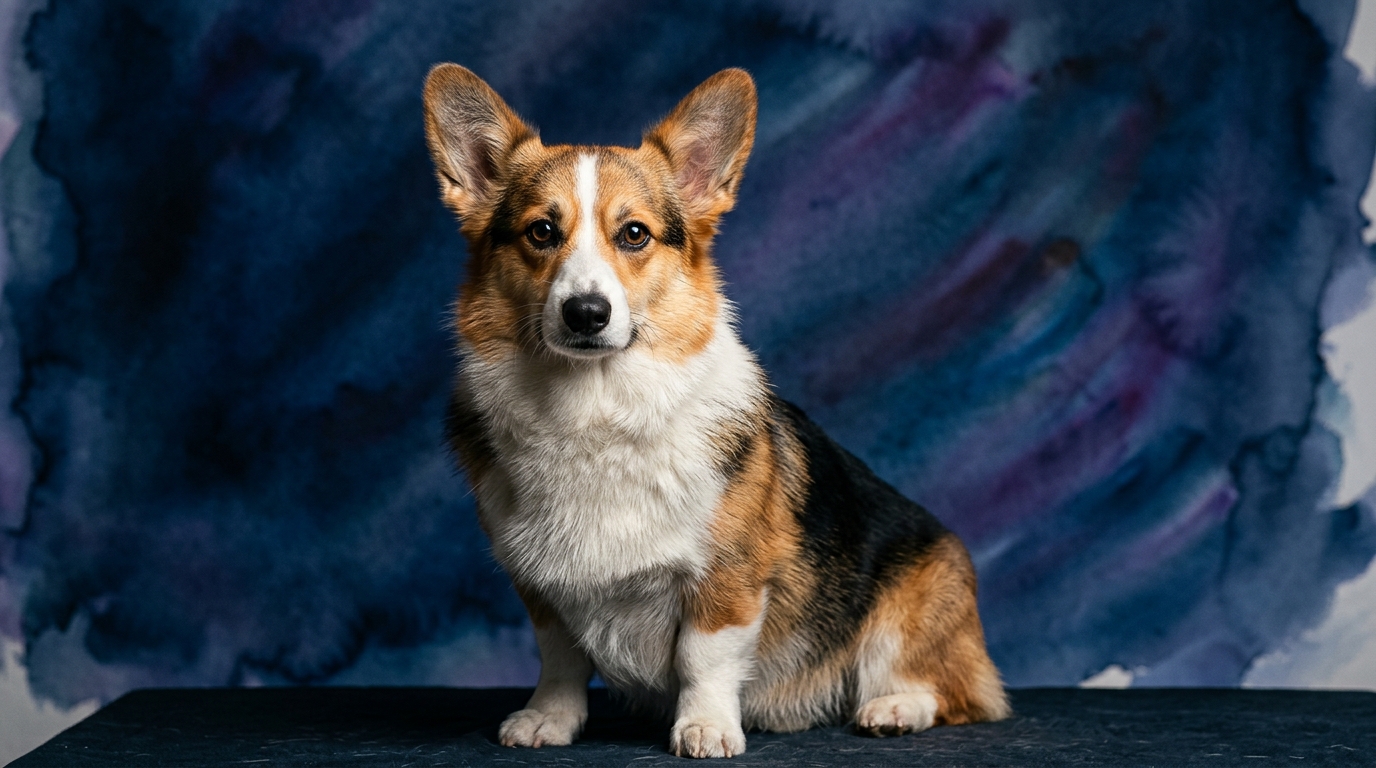
The Cosmic Pet Pet IQ Lab employs a five-dimensional framework to assess canine cognition, providing a nuanced understanding of each breed's mental landscape. For the Pembroke Welsh Corgi, a Herding breed, we see a profile geared towards independent action and rapid learning: Problem Solving (4/5), Training Speed (5/5), Social Intelligence (4/5), Instinctive Drive (5/5), and Memory (4/5). This robust set of mental tools reflects their historical role in managing livestock, requiring quick thinking and responsiveness. Their 4/5 in Problem Solving signifies an adeptness at navigating complex situations and finding creative solutions, while their 5/5 Training Speed highlights a remarkable capacity to grasp new commands swiftly, often with minimal repetition. Social Intelligence at 4/5 indicates competence in understanding human cues, forming strong bonds, though often with a task-oriented focus. Their powerful 5/5 Instinctive Drive fuels a persistent energy and need for purpose, and a 4/5 Memory ensures retention of learned behaviors and routines.
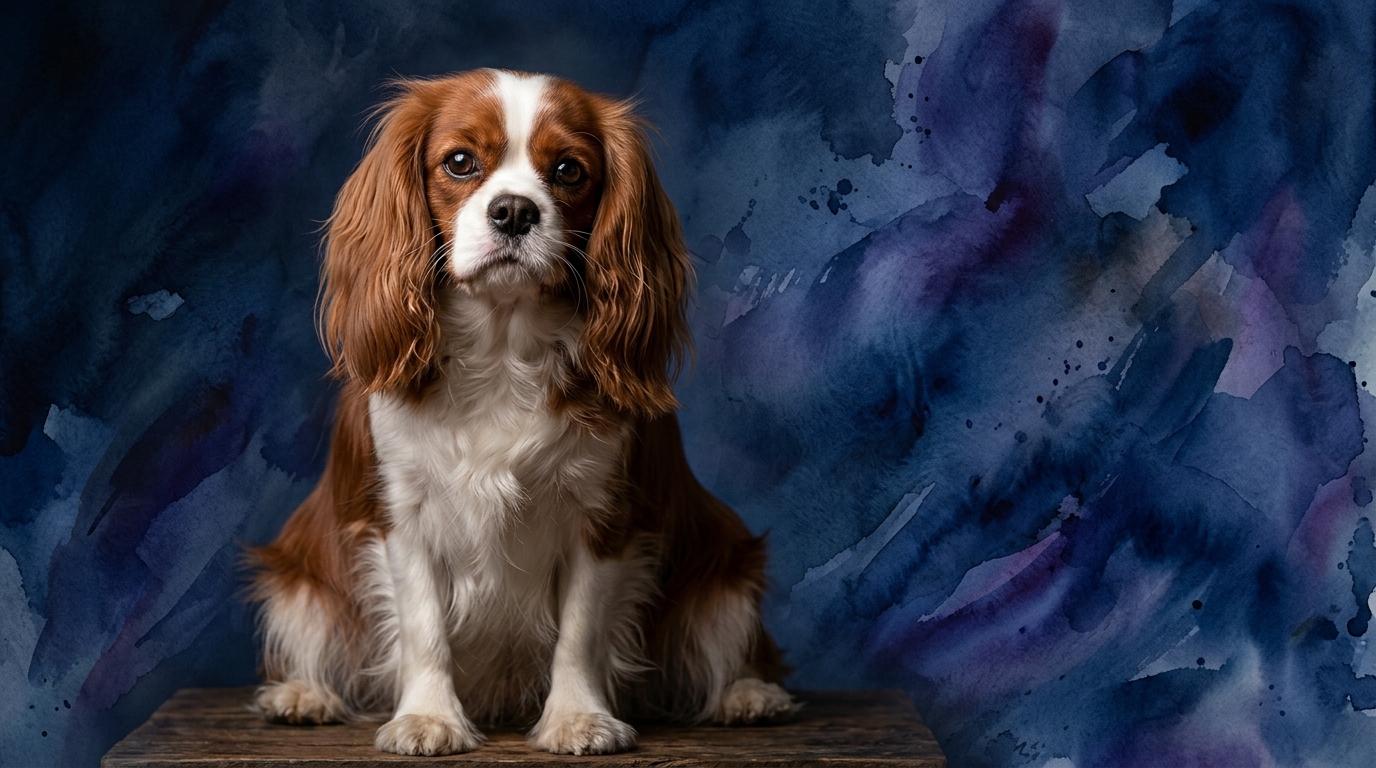
In contrast, the Cavalier King Charles Spaniel, a Toy breed, presents a cognitive profile optimized for companionship and empathy: Problem Solving (3/5), Training Speed (3/5), Social Intelligence (5/5), Instinctive Drive (3/5), and Memory (3/5). Their 3/5 rating in Problem Solving suggests a moderate ability to solve novel challenges, often preferring human assistance. Training Speed at 3/5 indicates a steady learning pace that benefits from consistent, positive reinforcement rather than rapid assimilation. Where the Cavalier truly excels is in Social Intelligence, earning a perfect 5/5. This signifies an exceptional ability to interpret human emotions and social cues, thriving on deep companionship. Their Instinctive Drive at 3/5 is moderate, primarily centered on interaction and comfort, not complex tasks. Finally, a 3/5 Memory means they retain routines and familiar faces, supporting their role as a devoted companion.
Stanley Coren's ranking places the Pembroke Welsh Corgi at an impressive #11, categorizing them among breeds that master new commands in 5-15 repetitions and obey the first command 85% of the time or better. The Cavalier King Charles Spaniel, while still respectable, is ranked #44, suggesting they typically require 25-40 repetitions for new commands and obey the first command 50% of the time or better. These rankings align well with The Cosmic Pet Pet IQ Lab's specific metrics, offering a broader context to our granular analysis of these two distinct breeds.
Where the Pembroke Welsh Corgi Wins Cognitively
The Pembroke Welsh Corgi's cognitive profile showcases a breed built for purpose and efficiency. Their 4/5 rating in Problem Solving indicates a capacity for independent thought and strategic action, crucial for a dog tasked with moving livestock. This isn't about brute force but clever maneuvering, anticipating animal movements, and adapting to changing scenarios. A Corgi might quickly figure out how to open a gate or retrieve a dropped toy from an awkward spot, demonstrating an intrinsic drive to overcome physical and mental hurdles. Their exceptional 5/5 Training Speed is a direct consequence of this biddability and focus; they absorb new commands with remarkable alacrity, making them receptive students in disciplines from obedience to agility. This rapid learning isn't just about repetition; it's about understanding the intent behind a command and connecting it to an action. Furthermore, their 5/5 Instinctive Drive fuels their persistence and energy, channeling ancient herding impulses into activities like fetch, scent work, or even intricate puzzle toys. This robust drive, combined with a 4/5 Memory, means a Corgi not only learns quickly but retains that knowledge, building a comprehensive repertoire of skills and behaviors over their lifetime. They remember complex sequences and respond reliably, a testament to their working heritage.
Where the Cavalier King Charles Spaniel Wins Cognitively
In contrast, the Cavalier King Charles Spaniel shines brightest in the realm of social cognition, earning a perfect 5/5 in Social Intelligence. This isn't merely about being friendly; it's a profound ability to interpret human emotions, moods, and intentions with remarkable accuracy. A Cavalier can often sense when their owner is upset or unwell, offering comfort without explicit prompting. Their historical role as companion animals meant they were bred to be attuned to their human counterparts, fostering a deep empathetic connection. This high social intelligence translates into a dog that integrates seamlessly into family life, often acting as a sensitive barometer for household dynamics. While their Problem Solving (3/5) and Instinctive Drive (3/5) are more moderate, these traits are balanced by their desire to please and connect. They might not independently solve complex puzzles as readily as a Corgi, but they excel at understanding social cues within a family unit, making them exceptionally intuitive companions. Their memory (3/5) supports their ability to recall familiar faces and routines, reinforcing their role as a steadfast, comforting presence rather than an independent operator. Their cognitive strengths lie in fostering harmonious relationships, prioritizing emotional connection over task execution.
Which is Easier to Train and Why
When considering ease of training, the Pembroke Welsh Corgi generally presents a more straightforward path for owners seeking rapid skill acquisition. Their 5/5 Training Speed is a significant advantage, meaning they pick up new commands and routines with fewer repetitions. This is largely due to their high instinctive drive (5/5) and problem-solving aptitude (4/5), which translate into a strong desire to work and a keenness to understand what is being asked of them. Corgis thrive on having a job, and training fulfills this innate need, making them eager participants. Their herding background instilled a strong sense of biddability and responsiveness to direction, which directly impacts their trainable nature. Conversely, the Cavalier King Charles Spaniel, with a 3/5 Training Speed, requires a more patient and consistent approach. While they are certainly trainable, their motivation often stems from their desire for social connection (5/5 Social Intelligence) rather than an inherent drive to perform tasks. They respond best to positive reinforcement steeped in affection and praise, valuing the interaction with their human above the task itself. Their lower instinctive drive (3/5) means they might not possess the same tireless enthusiasm for repetitive drills. While a Corgi might see training as a stimulating challenge, a Cavalier views it as a shared activity, making the quality of the bond and the joy of interaction paramount to their learning process. For owners prioritizing quick mastery of complex commands, the Corgi has an edge. For those who enjoy a gentler, relationship-focused training journey, the Cavalier is a willing, if slower, student.
Which Suits Active Owners vs. Relaxed Owners
The choice between a Corgi and a Cavalier often boils down to an owner's lifestyle and their capacity to meet a dog's specific cognitive and physical needs. The Pembroke Welsh Corgi, with its formidable 5/5 Instinctive Drive and 4/5 Problem Solving, is an ideal match for active owners who relish engaging their canine companion in mental and physical challenges. These dogs require more than just a walk around the block; they thrive on activities that tap into their herding instincts, such as agility, obedience trials, herding games, or extensive puzzle work. An owner who can provide consistent mental stimulation and ample physical exercise will find a Corgi to be a joyful, engaged partner. Without sufficient outlets for their considerable intellect and drive, a Corgi can become restless or invent their own 'jobs,' which might manifest as nipping at heels (a remnant of their herding past) or persistent barking. On the other hand, the Cavalier King Charles Spaniel, with its paramount 5/5 Social Intelligence and more moderate 3/5 Instinctive Drive, is perfectly suited for more relaxed owners who prioritize companionship and emotional connection. Cavaliers are content with moderate daily walks and, more importantly, extensive cuddle time and interaction with their family. Their joy comes from being near their humans, participating in quiet activities, or simply being a comforting presence. While they enjoy play, their needs are less about high-intensity tasks and more about shared affection and gentle engagement. Owners seeking a devoted lap dog who is deeply attuned to their emotional state will find the Cavalier an unparalleled companion. They fit seamlessly into homes where the primary role for a dog is a loving, gentle family member rather than a working partner.
The Verdict
Choose the Pembroke Welsh Corgi if you're an active owner seeking a highly trainable, driven companion eager for mental challenges and a 'job' to do, thriving on structured activities and problem-solving.
Opt for the Cavalier King Charles Spaniel if you desire a gentle, profoundly social companion who excels at emotional connection, prioritizing quiet companionship and a harmonious family presence over intense activity.
🧠 Find Your Pet's IQ Score
Our Pet IQ Lab assessment covers 25+ tests across 5 cognitive dimensions — personalized to your breed.
Take the Full IQ Test →Frequently Asked Questions
Are Corgis good family dogs with children?
Corgis can be excellent family dogs, but their herding instincts mean they might try to 'herd' children by nipping at heels. Early socialization and consistent training are crucial to channel these behaviors appropriately.
Do Cavalier King Charles Spaniels require a lot of exercise?
Cavaliers have moderate exercise needs; daily walks and playful sessions are usually sufficient. Their primary requirement is consistent human companionship and attention rather than intense physical activity.
Which breed is better for first-time dog owners?
For first-time owners, the Cavalier King Charles Spaniel might be slightly easier due to their lower maintenance exercise needs and strong desire to please. Corgis require a more engaged owner ready to manage their strong drives and provide consistent mental stimulation.