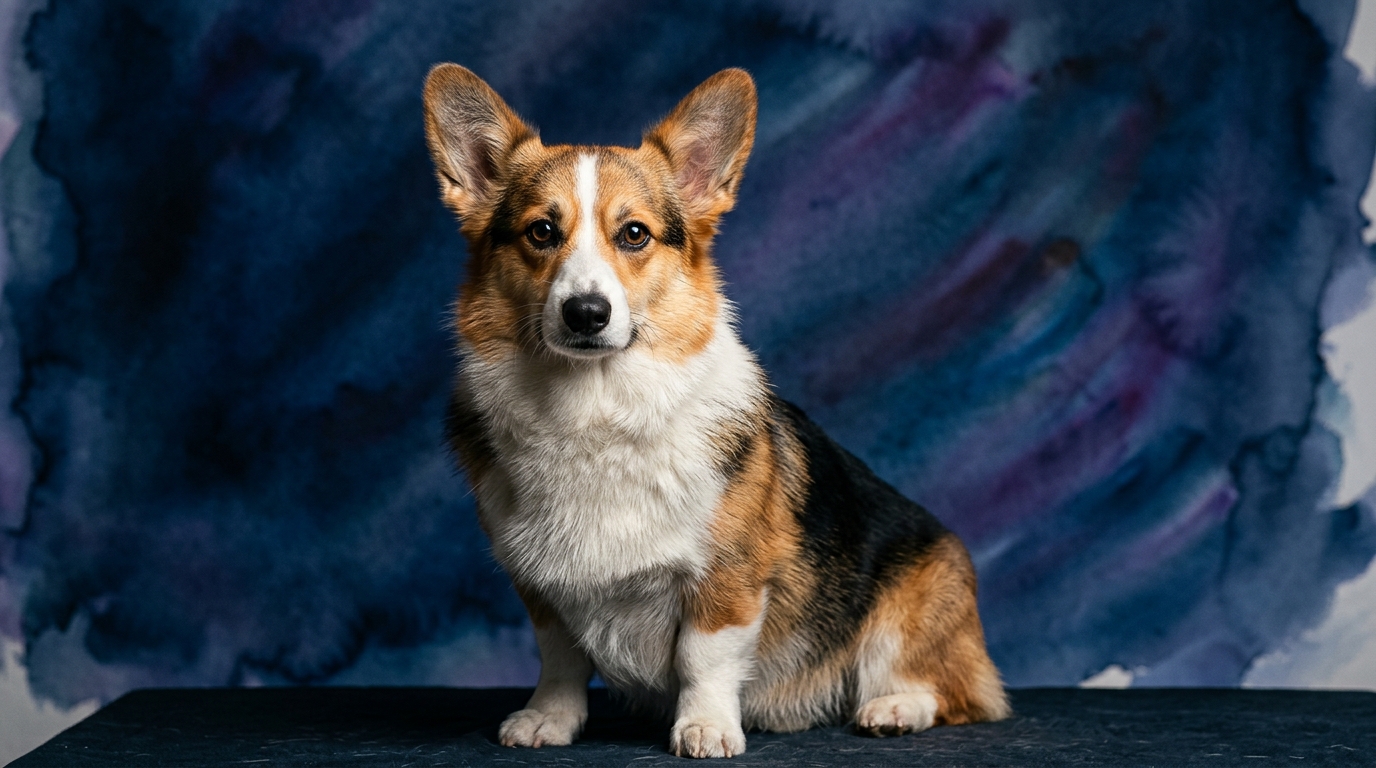
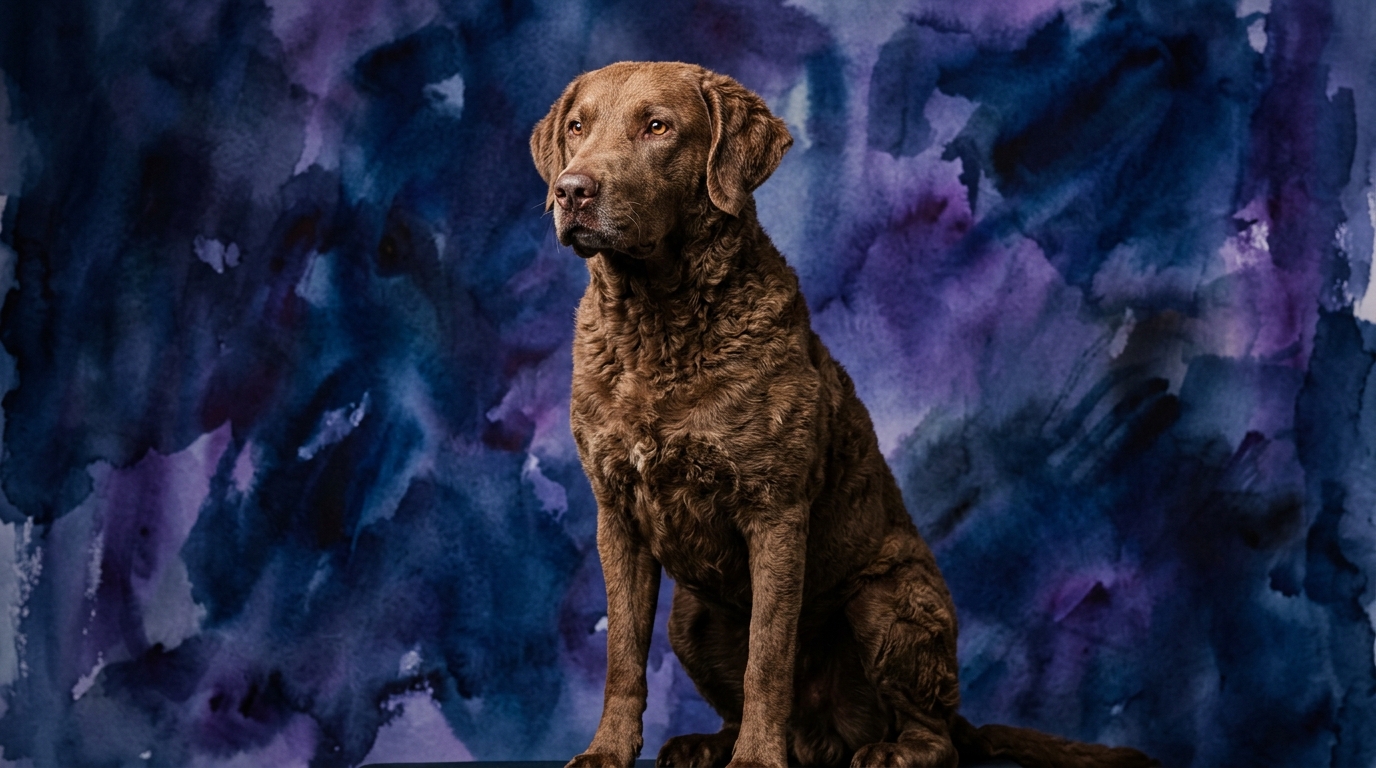
Side-by-Side IQ Profile: Herding Wit vs. Sporting Resilience
At The Cosmic Pet Pet IQ Lab, we analyze canine intelligence across five key dimensions, providing a granular view beyond simple rankings. The Pembroke Welsh Corgi, ranked #11 by Coren, and the Chesapeake Bay Retriever, at #27, present distinct cognitive strengths that align with their historical roles and breed traits.
For the Pembroke Welsh Corgi, problem Solving registers at a robust 4/5. These dogs are adept at navigating complex environments and figuring out novel challenges, often with a charmingly clever approach. Their training Speed is an exceptional 5/5, reflecting their eagerness to learn and quick grasp of commands, making them highly responsive pupils. Social Intelligence stands at 4/5, indicating a strong ability to read human cues and adapt to social dynamics, often using their understanding to their advantage. An Instinctive Drive of 5/5 highlights their potent herding instincts, a persistent focus on tasks, and a strong desire to 'work' or manage their surroundings. Finally, their Memory is solid at 4/5, ensuring they retain learned behaviors and routines effectively.
The Chesapeake Bay Retriever also scores 4/5 in problem Solving, demonstrating a capable and methodical approach to overcoming obstacles, though perhaps with less spontaneous flair than the Corgi. Their training Speed is a commendable 4/5, meaning they learn readily, but might require more repetition or a different motivational strategy compared to the Corgi's eagerness. Social Intelligence for the Chessie is 3/5; they tend to be more reserved and less overtly expressive of their understanding of social nuances, forming deep bonds with their family but often aloof with strangers. An Instinctive Drive of 3/5 reflects a strong, specialized retrieving drive, especially for water, but it is not as broadly applied or intense as the Corgi's herding drive. Their Memory is also 4/5, a critical asset for remembering complex retrieves and navigating diverse terrains.
Where the Pembroke Welsh Corgi Shines Cognitively
The Pembroke Welsh Corgi's cognitive strengths are particularly evident in their training speed and social acumen. With a perfect 5/5 in training Speed, Corgis typically pick up new commands and routines with remarkable alacrity. This isn't just about rote memorization; it stems from their keen observational skills and a strong desire to engage with their handlers, making them highly receptive to learning complex sequences in agility or obedience. Their high social intelligence (4/5) further enhances this, allowing them to quickly understand what their human expects and often anticipate intentions, which streamlines the teaching process.
Furthermore, the Corgi's profound instinctive Drive (5/5) translates into a relentless focus and persistence, even if that 'work' is simply managing the household's foot traffic. This innate drive, coupled with their problem-solving ability, enables them to excel in activities that require quick thinking and sustained effort, such as herding trials or advanced trick training. Their capacity to apply their herding instincts to various tasks, from 'corralling' children to navigating a complex agility course, showcases a flexible application of their inherent cognitive programming.
Where the Chesapeake Bay Retriever Excels Cognitively
The Chesapeake Bay Retriever's cognitive prowess is deeply rooted in their resilience and purpose-driven nature. While their problem-solving score matches the Corgi's at 4/5, the Chessie often demonstrates this through sheer tenacity and an ability to focus on a goal despite challenging environmental factors. Their cognitive resilience allows them to methodically work through complex scent trails or retrieve game from icy waters, tasks that demand sustained mental effort and physical endurance. They are less deterred by discomfort or minor setbacks, a testament to their robust mental fortitude.
The Chessie's memory (4/5), while equal to the Corgi's numerically, is particularly tailored for their demanding retrieving work. This includes remembering specific fall locations of multiple birds, navigating back to a handler over difficult terrain, and recalling complex scent patterns. Their intelligence manifests not in charming social displays, but in a quiet, independent competence, allowing them to make sound judgments in the field. This self-reliance, coupled with their strong drive for their specific tasks, means they excel in situations requiring independent action and sustained focus on a singular objective without constant human intervention.
Training Dynamics: Corgi's Eagerness vs. Chessie's Independence
When it comes to ease of training, the Pembroke Welsh Corgi generally presents a more straightforward path for most owners. Their exceptional training speed (5/5) means they grasp new commands quickly, often with just a few repetitions. This is bolstered by their high social intelligence (4/5) and innate eagerness to please, making them highly motivated by positive reinforcement and interaction with their handler. Corgis thrive on mental stimulation and enjoy the learning process itself, often viewing training as an engaging game. Their herding background makes them naturally attentive to cues and responsive to direction, even if they sometimes use their cleverness to test boundaries.
The Chesapeake Bay Retriever, with a training speed of 4/5 and social intelligence of 3/5, requires a different approach. While capable learners, Chessies possess a noticeable independent streak that can sometimes be perceived as stubbornness. They are less overtly eager to please and may require more consistent, firm, and patient handling. Training a Chessie demands a confident leader who understands their working dog mentality and can provide clear, consistent expectations. Their motivation often comes from the satisfaction of completing a task, especially retrieving, rather than solely from social praise, necessitating training methods that tap into their innate drives and reward their persistence.
Matching Breeds to Lifestyles: Active Explorers vs. Engaged Companions
For active owners seeking a resilient outdoor partner, the Chesapeake Bay Retriever is often the ideal choice. Their formidable physical and mental stamina, coupled with their specialized retrieving drive, means they thrive in environments where they can engage in vigorous activities like swimming, hiking, or field work for extended periods. Chessies require consistent, substantial exercise and a clear purpose to prevent boredom and channeling their energy into less desirable behaviors. They are best suited for individuals or families who embrace an adventurous, outdoor-centric lifestyle and are prepared to dedicate significant time to their dog's physical and mental conditioning.
The Pembroke Welsh Corgi, while also requiring regular exercise and mental engagement, suits owners who appreciate an interactive and clever companion, perhaps with less emphasis on extreme outdoor pursuits. Their high instinctive drive means they need 'jobs' to do, whether it's agility, obedience, or puzzle toys, but their exercise needs can be met with brisk walks and interactive play in a more urban or suburban setting. Corgis are well-suited for owners who enjoy consistent training, mental games, and a dog that is deeply involved in the family's daily life, bringing both charm and a touch of assertive personality to the home. Neither breed is truly for the 'relaxed' owner who prefers minimal engagement; both demand dedication, just in different forms.
The Verdict
Choose the Pembroke Welsh Corgi if you seek a highly responsive, socially engaged companion who thrives on learning new things and enjoys interactive mental challenges. They fit well into homes where charm and cleverness are appreciated, provided their abundant energy and herding instincts are managed with consistent training and engagement.
Opt for the Chesapeake Bay Retriever if you are an experienced, active owner who values a rugged, independent, and dedicated working partner for outdoor adventures, particularly those involving water and retrieving. They require a patient, confident handler who can appreciate their reserved nature and channel their formidable physical and mental resilience into purposeful activities.
🧠 Find Your Pet's IQ Score
Our Pet IQ Lab assessment covers 25+ tests across 5 cognitive dimensions — personalized to your breed.
Take the Full IQ Test →Frequently Asked Questions
Are Pembroke Welsh Corgis good for first-time dog owners?
Corgis can be suitable for first-time owners who are prepared for their significant training needs and assertive personality. Their high training speed is a plus, but their strong herding drive and tendency to be vocal require consistent guidance and socialization from an early age.
How much exercise does a Chesapeake Bay Retriever need daily?
Chesapeake Bay Retrievers require a substantial amount of vigorous exercise, typically 1-2 hours daily, including activities like swimming, long walks, or intense retrieving sessions. Their high energy and stamina necessitate consistent physical outlets to prevent boredom and destructive behaviors.
Do Corgis bark a lot?
Yes, Pembroke Welsh Corgis are generally known for being quite vocal, often barking to alert their owners to new sights, sounds, or perceived threats. This trait stems from their herding lineage, where barking was used to move livestock, and requires early training to manage.