Side-by-Side Cognitive Profiles
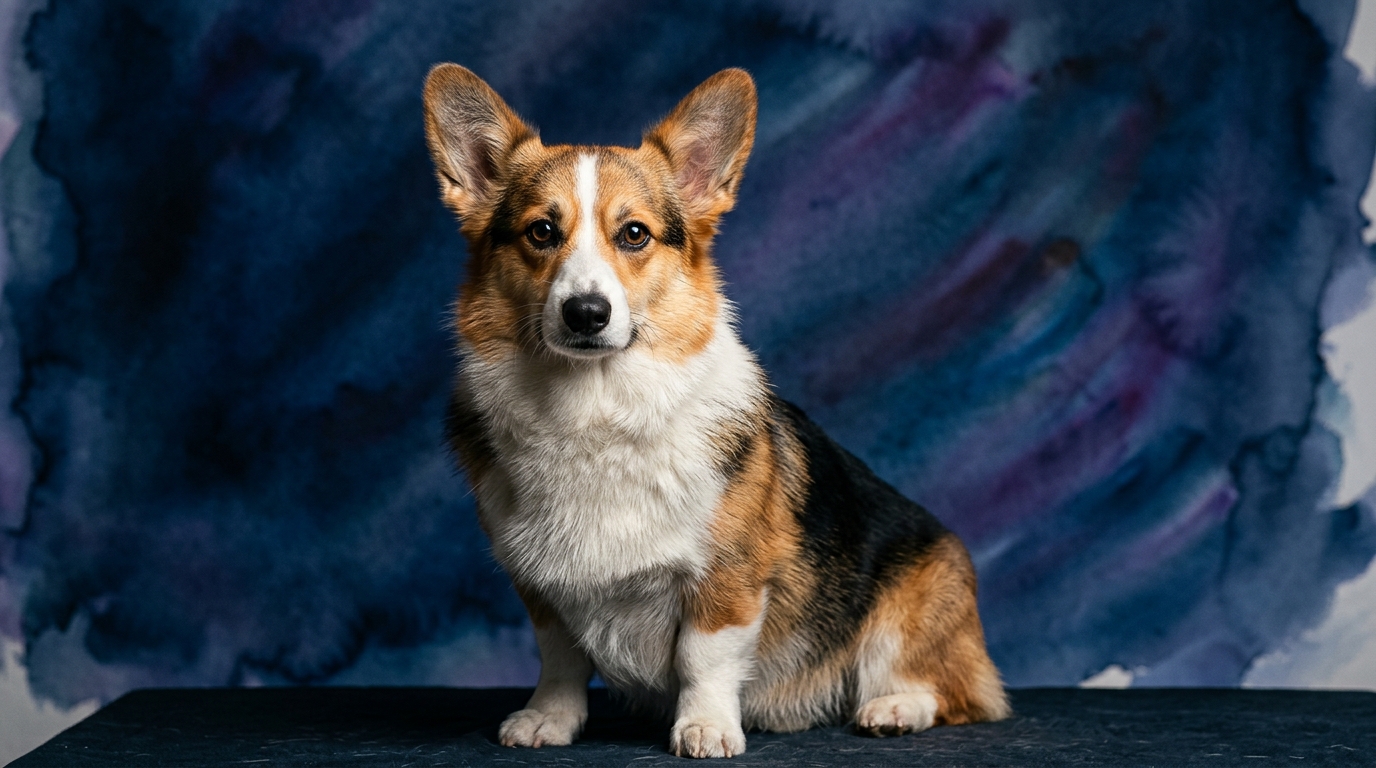
The Pembroke Welsh Corgi, a compact herding dog, consistently demonstrates a keen cognitive edge. Their Problem Solving is rated 4/5, indicating a strong capacity to figure out novel situations and overcome obstacles with resourcefulness. Training Speed shines at 5/5, reflecting their rapid grasp of new commands and eagerness to perform. Social Intelligence, at 4/5, points to their adeptness at understanding human cues and forming cooperative bonds. An Instinctive Drive of 5/5 underscores their innate desire to work and engage with their environment, often manifesting in a strong herding impulse. Their Memory, rated 4/5, ensures they retain learned behaviors and routines effectively over time. This profile places them at a respectable Coren rank of #11, signifying their position among the more responsive working breeds.
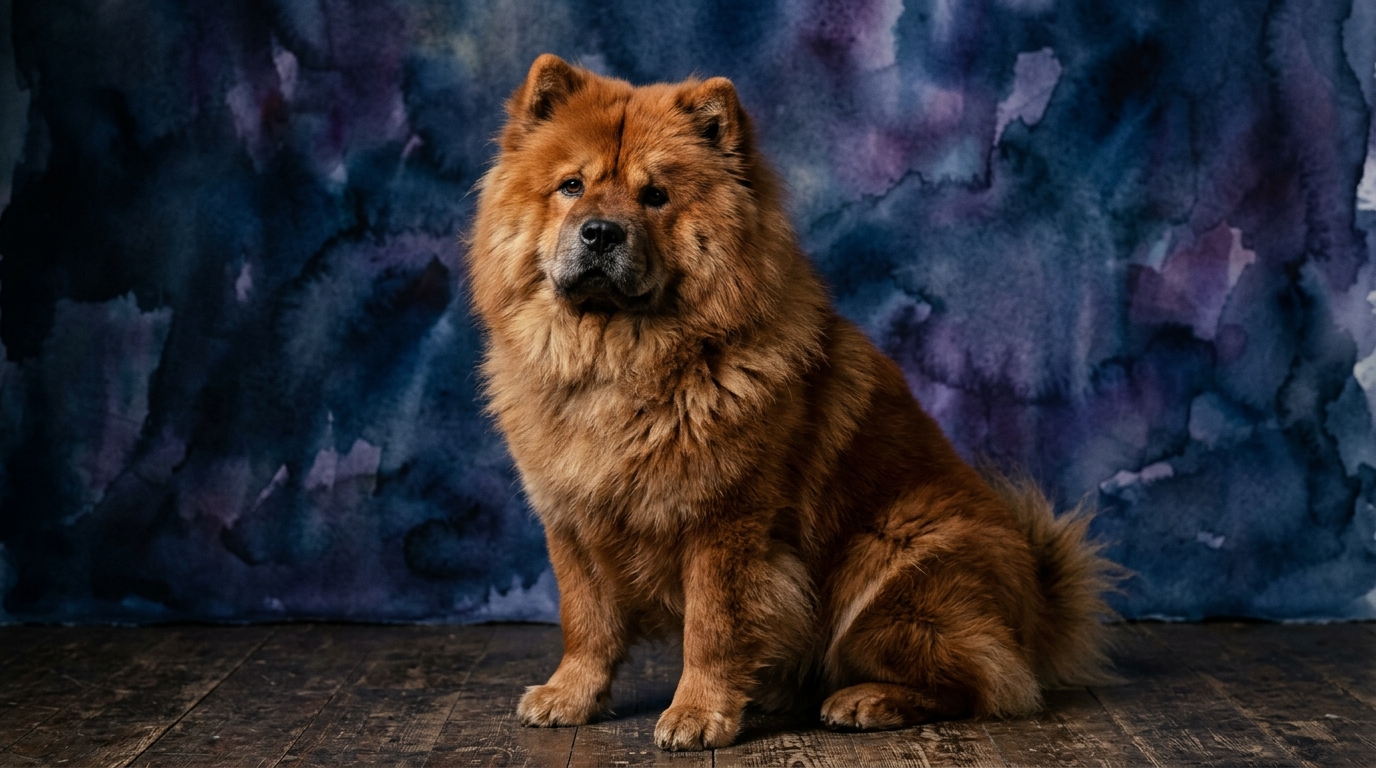
In contrast, the Chow Chow, an ancient breed originating from China, presents a distinct cognitive blueprint. Their Problem Solving is marked at 3/5, suggesting they approach new challenges with a more measured, often independent, thought process rather than immediate compliance. Training Speed also stands at 3/5, indicating that while they are capable of learning, they require more repetition and motivation tailored to their unique temperament, often showing a deliberate pace. Social Intelligence is rated 3/5, reflecting a more aloof and self-contained nature, where interaction with humans is valued but on their own terms. Their Instinctive Drive, at 3/5, suggests a less overt need for constant tasks or high-energy activities, preferring a calmer existence. Memory, at 3/5, means they can certainly remember, but perhaps not with the same immediate recall or eagerness to demonstrate as some other breeds. These characteristics contribute to their Coren rank of #76, placing them among breeds that are often perceived as more challenging to train due to their independence.
Where Pembroke Welsh Corgi Wins Cognitively
The Pembroke Welsh Corgi undeniably excels in areas demanding quick cognitive processing and enthusiastic cooperation. Their superior Problem Solving (4/5) allows them to adapt rapidly to changing environments and creatively navigate obstacles, a trait honed by their herding heritage where split-second decisions are crucial. This cognitive agility translates into a remarkable ability to understand complex sequences of commands and even anticipate their handler's next move. Their Training Speed (5/5) is a direct win, as they absorb new information with impressive swiftness, making them ideal candidates for advanced obedience, agility, and other dog sports that require constant learning. Furthermore, their high Social Intelligence (4/5) means they are highly attuned to human emotions and intentions, fostering a strong, responsive partnership. This makes them exceptionally adept at picking up subtle cues and adjusting their behavior accordingly, a cognitive advantage that promotes harmonious cohabitation and effective teamwork.
Where Chow Chow Wins Cognitively
While the Chow Chow's cognitive profile might suggest a slower pace, their unique strengths lie in areas that value independence and a discerning approach. Their 'win' is not in speed or overt eagerness, but in a self-possessed cognitive style that appeals to specific owners. The Chow Chow's Problem Solving (3/5) often manifests as a thoughtful, observational approach; they might not rush to solve a puzzle but will analyze it on their own terms, sometimes arriving at a solution through quiet contemplation rather than trial and error. Their lower Social Intelligence (3/5) means they are less dependent on constant human validation or instruction, fostering a sense of self-reliance that some owners deeply appreciate. This can be a cognitive advantage for individuals seeking a companion who is content with their own company for periods, offering a serene presence rather than incessant demands for interaction. Their cognitive process allows them to be less reactive to external stimuli, cultivating a calm demeanor that is a hallmark of the breed, a strength in environments where constant engagement is not desired.
Which Is Easier To Train And Why
The distinction in trainability between these two breeds is profound, stemming directly from their cognitive profiles and historical roles. The Pembroke Welsh Corgi is significantly easier to train, primarily due to their stellar Training Speed (5/5), high Social Intelligence (4/5), and powerful Instinctive Drive (5/5). Corgis possess an innate desire to work alongside humans, eager to please and quick to understand what is being asked of them. Their herding background instilled a strong work ethic and responsiveness to direction, meaning they thrive on structure, positive reinforcement, and engaging tasks. They quickly form associations between commands and actions, making basic obedience and advanced tricks relatively straightforward to teach. In stark contrast, the Chow Chow's Training Speed (3/5) and Social Intelligence (3/5) suggest a more challenging training journey. Chows are notoriously independent and possess a cat-like aloofness; they do not inherently seek to please humans in the same way a Corgi does. Their motivation often needs to be carefully cultivated, relying on high-value rewards and short, engaging sessions to maintain their interest. Real behavioral differences include the Corgi's tendency to 'herd' family members and other pets, always looking for a job, while the Chow Chow might simply observe, deciding whether a command is worth their effort, often requiring an owner to earn their respect and cooperation through consistent, fair leadership rather than expecting immediate compliance.
Which Suits Active Owners vs. Relaxed Owners
The choice between a Corgi and a Chow Chow also hinges on an owner's lifestyle and activity level. The Pembroke Welsh Corgi, with their high Instinctive Drive (5/5) and history as working dogs, is ideally suited for active owners. They require substantial mental and physical stimulation to prevent boredom and destructive behaviors. Owners who enjoy daily long walks, hiking, dog sports like agility or herding trials, or even just consistent training sessions will find a Corgi to be an enthusiastic and capable partner. Their cognitive makeup means they thrive when given a purpose and regular opportunities to engage their problem-solving skills. Conversely, the Chow Chow, with a lower Instinctive Drive (3/5), is generally a better fit for more relaxed owners. While they still need regular exercise, it's typically less intense than what a Corgi demands. Short, consistent walks are often sufficient, and they are generally content to lounge around the house, observing their surroundings. Their independence means they don't constantly demand attention or activity, making them suitable for individuals who appreciate a calm, dignified companion and are prepared to engage their minds with patient, consistent, and reward-based training sessions that respect their deliberate learning style.
The Verdict
Choose a Pembroke Welsh Corgi if you are an active individual or family seeking an engaged, responsive companion eager to participate in training, activities, and daily life with enthusiasm. Their quick wit and desire to work make them ideal for owners who enjoy consistent mental and physical challenges for their dog.
Opt for a Chow Chow if you appreciate an independent, dignified companion and are prepared for a patient, consistent training approach that respects their self-assured nature, thriving in a calmer home environment with less intense activity demands.
🧠 Find Your Pet's IQ Score
Our Pet IQ Lab assessment covers 25+ tests across 5 cognitive dimensions — personalized to your breed.
Take the Full IQ Test →Frequently Asked Questions
Is a Pembroke Welsh Corgi or a Chow Chow better for first-time dog owners?
A Pembroke Welsh Corgi is generally a more forgiving choice for first-time dog owners due to their higher trainability and eagerness to please, which makes learning the ropes of dog ownership and training much smoother. The Chow Chow's independent nature and requirement for very consistent, patient handling can be challenging for inexperienced owners.
Do Chow Chows dislike learning, given their lower training speed?
Chow Chows do not dislike learning, but they approach it differently and at their own pace. Their lower training speed means they require more repetition and motivation tailored to their preferences, often responding best to short, positive sessions with high-value rewards, rather than constant demands for compliance. They learn, but on their own terms.
How do their different instinctive drives impact their daily life and owner expectations?
A Corgi's high instinctive drive means they need regular outlets for their herding instincts and mental energy, often seeking engagement and tasks, which requires active owner participation in games or training to prevent boredom. A Chow Chow's lower instinctive drive means they are generally calmer and less demanding of constant activity, preferring a more relaxed pace, though they still benefit from consistent, moderate exercise and mental stimulation that respects their independent spirit.