Side-by-Side IQ Profile: Herding Agility vs. Sporting Steadfastness
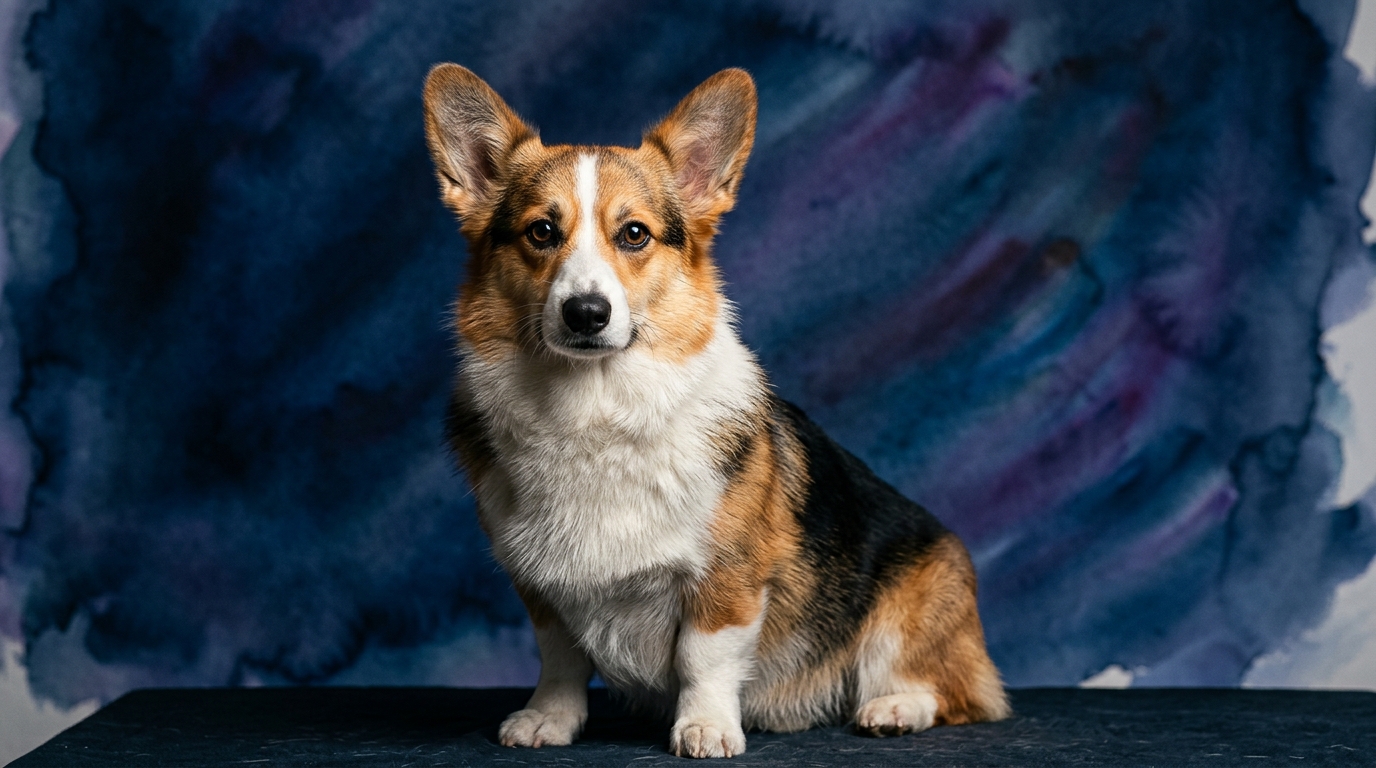
The Cosmic Pet Pet IQ Lab employs a five-dimensional framework to assess canine intelligence, offering a nuanced understanding beyond simple rankings. For the Pembroke Welsh Corgi, a breed with a Coren rank of #11, their profile reflects a mind built for dynamic, independent work. They score 4/5 in Problem Solving, indicating a strong capacity to strategize and adapt to changing circumstances, crucial for managing livestock. Their Training Speed is an impressive 5/5, showcasing a rapid assimilation of commands and a keenness to learn. Social Intelligence stands at 4/5, enabling them to read human cues and group dynamics effectively, while an Instinctive Drive of 5/5 underscores their potent herding urges. Finally, their Memory is rated 4/5, allowing them to retain complex sequences and learned behaviors.
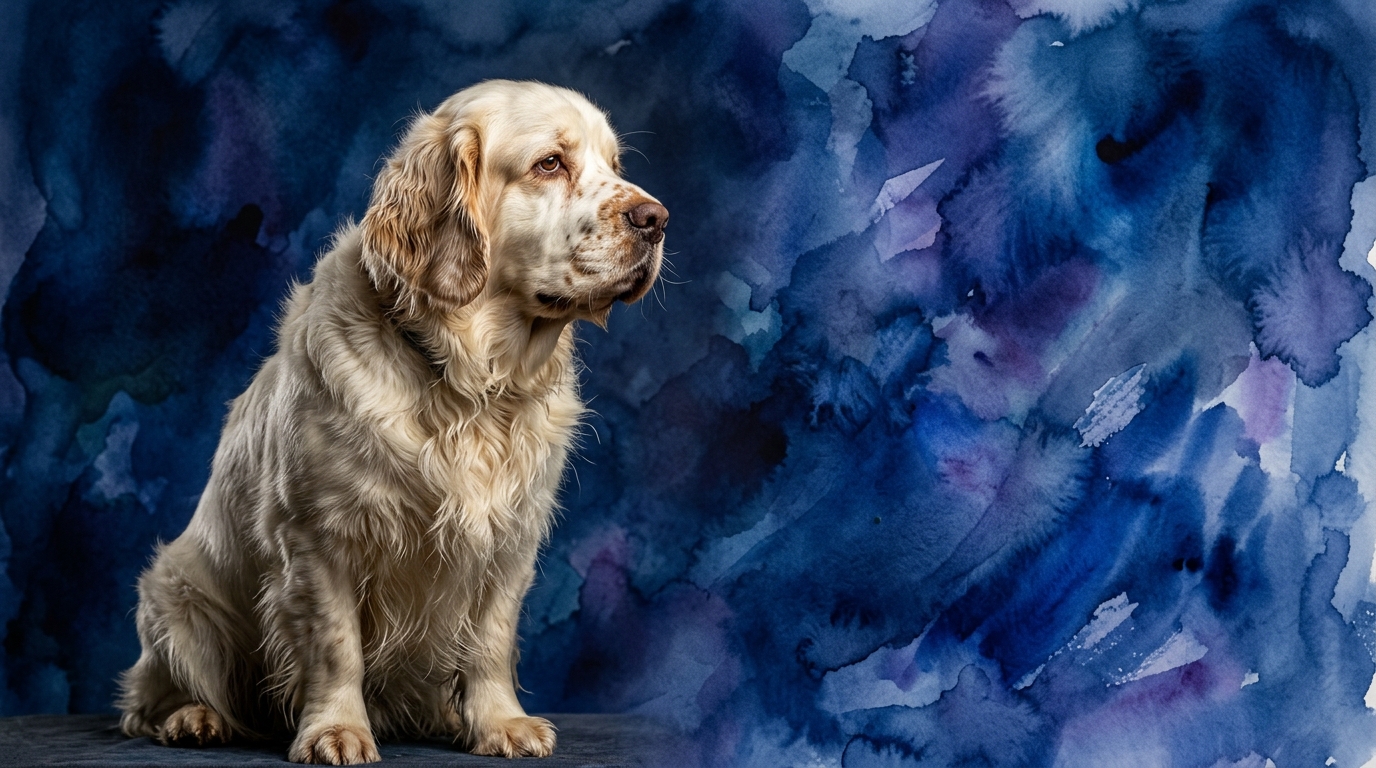
In contrast, the Clumber Spaniel, positioned at Coren rank #55, presents a different cognitive blueprint, tailored for methodical hunting. Their Problem Solving is rated 3/5, suggesting a practical, task-oriented approach rather than rapid, on-the-fly improvisation. Training Speed is 3/5, indicating they are capable learners but typically require more repetition and patience than their herding counterparts. Social Intelligence also scores 3/5, meaning they form strong bonds and understand familiar interactions well, though perhaps with less immediate interpretation of novel social signals. Their Instinctive Drive is 3/5, reflecting a focused desire for scent work and retrieving without the high-octane intensity of a herder. Memory is likewise 3/5, sufficient for remembering hunting patterns and family routines, but not quite as expansive as a Corgi’s.
Where the Pembroke Welsh Corgi Excels Cognitively
The Corgi's cognitive strengths are profoundly rooted in their heritage as cattle drivers. Their 4/5 Problem Solving ability allows them to quickly assess situations, such as anticipating a cow's movement or finding a way to guide a flock through a gate. This isn't just about following orders; it's about active, adaptive thinking. They often demonstrate an uncanny knack for figuring things out independently, whether it's opening a cabinet or devising a new play strategy, leveraging their innate understanding of cause and effect in their environment.
Furthermore, their 5/5 Training Speed is a direct asset. Corgis absorb new commands and routines with remarkable efficiency, making them adept at advanced obedience, agility, and even complex trick training. This rapid learning, coupled with a 4/5 Social Intelligence, means they quickly grasp what their human companion desires and respond with enthusiasm. Their high Instinctive Drive (5/5) means they are internally motivated to engage and perform tasks, often finding immense satisfaction in mental challenges that mimic their ancestral duties, even if it's just 'herding' family members or toys.
Where the Clumber Spaniel Shines Cognitively
While the Corgi thrives on rapid decision-making, the Clumber Spaniel’s cognitive strengths lie in their methodical and enduring focus. Their 3/5 Problem Solving, while not as spontaneous as a Corgi's, points to a deliberate approach. Clumbers are excellent at sustained, repetitive tasks, such as following a scent trail for an extended period, where persistence and careful analysis of sensory input are more valuable than quick pivots. They are not easily flustered by complex environments, preferring to methodically work through a task.
The Clumber’s 3/5 Instinctive Drive, while lower than a Corgi's, is channeled into a deep-seated desire for scent work and retrieving, often with a quiet intensity. This drive, combined with their moderate 3/5 Memory, allows them to become highly proficient in their chosen fields, remembering specific bird locations or intricate search patterns over time. Their 3/5 Social Intelligence translates into a calm, affectionate demeanor with their family, valuing stable relationships over constant interaction, and offering a steady, reassuring presence that is a cognitive strength in itself for a companion animal.
Training Dynamics: Corgi's Eagerness vs. Clumber's Deliberation
When it comes to training, the core differences between these two breeds become particularly apparent. The Pembroke Welsh Corgi, with a Training Speed of 5/5, typically learns new commands with impressive swiftness. Their high Problem Solving (4/5) means they often try to anticipate what is expected of them, and their strong Instinctive Drive (5/5) means they are often eager to engage in activities that provide mental and physical outlets. This combination can make them incredibly rewarding to train for owners who enjoy consistent engagement and can channel their innate drive effectively.
However, this same high drive and independent thinking can sometimes translate into a willful streak if they perceive a task as pointless or if their handler isn't clear. Corgis are intelligent enough to 'decide' if something is worth their effort, requiring consistent, positive reinforcement and varied training to maintain their interest. The Clumber Spaniel, with a Training Speed of 3/5, approaches learning with more deliberation. They are not as quick to pick up new commands but are generally very willing to please once they understand what is being asked. Their lower Instinctive Drive (3/5) means they are less likely to invent their own activities or challenge authority in the same way a Corgi might. Patience, consistency, and a calm, encouraging approach are key for a Clumber, as they thrive on routine and gentle guidance rather than high-energy demands.
Matching Breeds to Lifestyles: Active Engagement vs. Calm Companionship
The cognitive profiles of the Pembroke Welsh Corgi and Clumber Spaniel distinctly align with different owner lifestyles. The Corgi, with its high Problem Solving, rapid Training Speed, and intense Instinctive Drive, is a superb match for active owners who relish engaging their dog’s mind daily. They thrive on mental stimulation, whether through obedience work, agility, herding games, or puzzle toys. Owners who enjoy teaching complex tricks, participating in dog sports, or simply providing a structured environment where the Corgi feels like they have a 'job' will find this breed incredibly fulfilling. Their inherent drive means they need consistent outlets for their energy and intellect to prevent boredom-induced behaviors.
Conversely, the Clumber Spaniel, with its more moderate scores across the board, is an excellent fit for owners seeking a calmer, more relaxed companion. While they still require regular exercise and consistent training, their needs are less about constant mental gymnastics and more about steady, purposeful activity. Owners who enjoy long, leisurely walks, perhaps in natural settings where the Clumber can indulge its scenting instincts, will find a wonderful partner. They are content with a comfortable routine and a loving, patient home environment, making them ideal for individuals or families who appreciate a devoted presence without the demand for high-octane engagement.
The Verdict
Choose the Pembroke Welsh Corgi if you are an owner eager to provide consistent mental challenges and can channel a bright, driven intellect into structured activities and engaging tasks.
Opt for the Clumber Spaniel if you seek a steadfast, patient companion, valuing calm devotion and a methodical approach to life, and are prepared for consistent, gentle training.
🧠 Find Your Pet's IQ Score
Our Pet IQ Lab assessment covers 25+ tests across 5 cognitive dimensions — personalized to your breed.
Take the Full IQ Test →Frequently Asked Questions
Do Pembroke Welsh Corgis get bored easily?
Yes, their high Problem Solving and Instinctive Drive mean Corgis require regular mental stimulation and purposeful activity. Without outlets for their intelligence, they can become bored and may invent their own, sometimes undesirable, forms of entertainment.
Are Clumber Spaniels difficult to train due to their lower scores?
Clumber Spaniels are not difficult to train, but they learn at a more deliberate pace (Training Speed 3/5) compared to some breeds. They respond best to patient, consistent, and positive reinforcement methods, thriving on routine and clear expectations rather than rapid-fire commands.
Which breed is better for a first-time dog owner?
For a first-time dog owner, the Clumber Spaniel might be a slightly more manageable choice due to their calmer demeanor and more moderate drive, provided the owner is committed to consistent, patient training. The Corgi's sharp intellect and high drive require a more experienced hand to channel their energy effectively and prevent independent problem-solving from becoming a challenge.