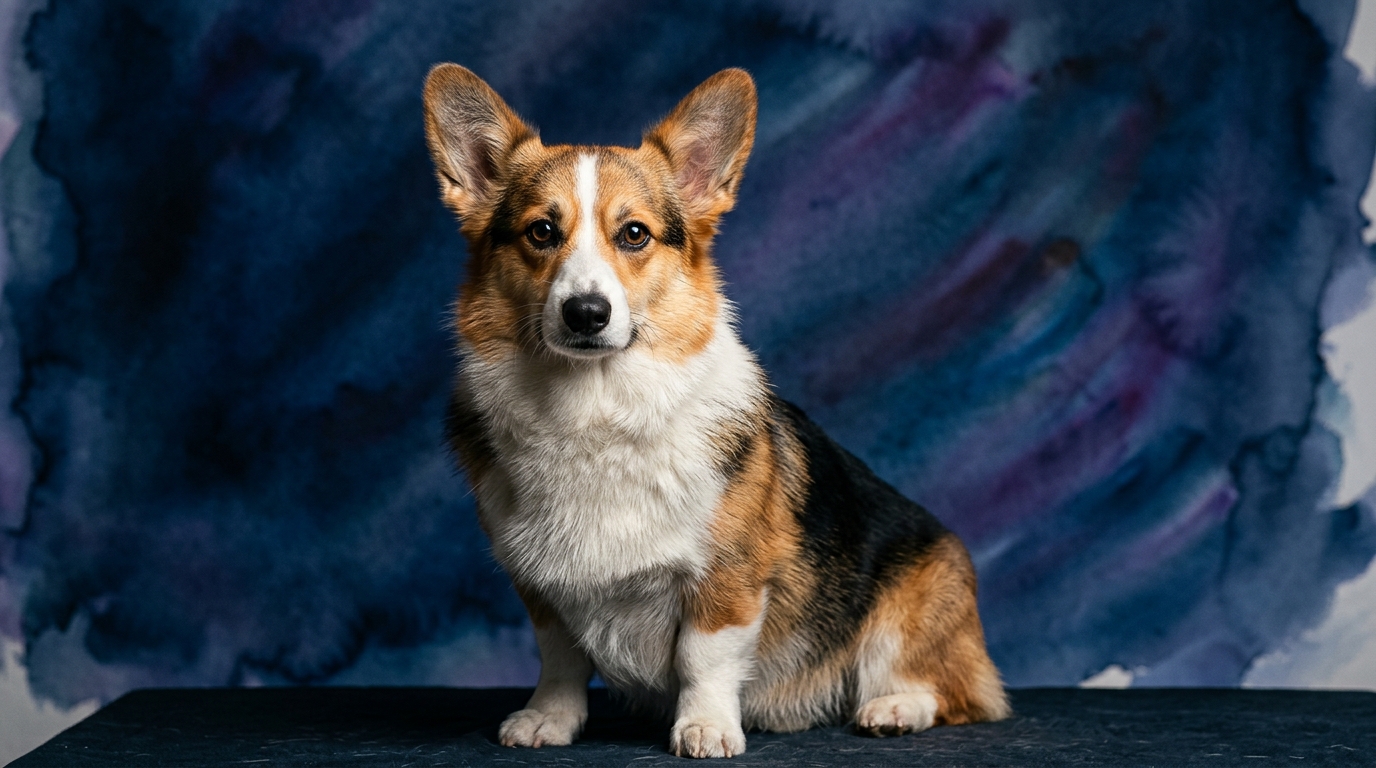

Side-by-Side IQ Profile: Corgi vs. Cocker Spaniel
At The Cosmic Pet Pet IQ Lab, we evaluate canine cognition across five crucial dimensions, providing a nuanced understanding of each breed's mental landscape. The Pembroke Welsh Corgi, a venerable herding dog, ranks impressively at #11 in Coren's working/obedience intelligence, showcasing a versatile mind.
Their Problem Solving is rated 4/5, indicating a strong capacity for independent thought and figuring out environmental challenges. Training Speed stands at a remarkable 5/5, meaning they grasp new commands with exceptional rapidity. Social Intelligence is 4/5, as they read human cues well but often maintain a degree of independence. An outstanding Instinctive Drive of 5/5 highlights their purposeful herding nature, while their Memory is a solid 4/5, ensuring consistent recall of learned behaviors and routines.
The Cocker Spaniel, a cherished sporting dog, holds a respectable #20 Coren rank, reflecting their cooperative spirit and aptitude for learning. Their Problem Solving is rated 3/5; they are competent but might prefer guidance in complex situations rather than extensive independent strategizing. Training Speed is 4/5, indicating a steady, willing learner who enjoys the process of engagement. Where they truly shine is in Social Intelligence, earning a perfect 5/5 for their profound empathy and attunement to human emotion. Their Instinctive Drive is 4/5, manifesting as a keen desire to retrieve and work collaboratively, and their Memory is 4/5, allowing them to remember people, places, and commands effectively.
Where the Pembroke Welsh Corgi Wins Cognitively
The Pembroke Welsh Corgi demonstrates a cognitive edge in areas demanding quick uptake, independent reasoning, and a strong sense of purpose. Their superior Training Speed of 5/5 means they often require fewer repetitions to master new commands and complex sequences, making them incredibly efficient learners. This swift acquisition is particularly evident in obedience or agility training, where they can progress rapidly through levels.
Furthermore, their Problem Solving score of 4/5 indicates a greater inclination to tackle novel situations and spatial puzzles on their own. Corgis are adept at improvising solutions, whether it's figuring out how to retrieve a toy from a tricky spot or navigating a complex obstacle course. This independent problem-solving, coupled with their robust Instinctive Drive of 5/5, translates into a dog that thrives on having a 'job' and exhibits a focused determination to complete tasks. Their herding heritage equips them with an innate ability to understand and manipulate their environment, making them particularly suited for activities that require strategic thinking and quick reactions.
Where the Cocker Spaniel Wins Cognitively
The Cocker Spaniel's cognitive strengths lie profoundly in their ability to connect and communicate on an emotional level, a testament to their perfect 5/5 Social Intelligence. This exceptional capacity allows them to read human cues with remarkable accuracy, often anticipating their owner's moods and intentions before a word is spoken. They are masters of non-verbal communication, responding subtly to changes in tone, body language, and even facial expressions, fostering an incredibly deep and intuitive bond.
This high social acumen means Cocker Spaniels excel in companionship roles, offering comfort and understanding that goes beyond simple obedience. They are highly motivated by praise and positive interaction, viewing training and daily life as opportunities for shared experience and affection. While their problem-solving might be more collaborative, their ability to integrate seamlessly into a family unit, offering emotional support and reciprocal connection, represents a unique and powerful form of intelligence. Their cognitive makeup makes them incredibly responsive to their human counterparts, ensuring a relationship built on mutual understanding and empathy.
Which is Easier to Train and Why
When evaluating ease of training, both breeds present distinct advantages. The Pembroke Welsh Corgi, with a Training Speed of 5/5, is an incredibly fast learner in terms of command acquisition. They pick up new behaviors quickly and retain them well, often surprising owners with their ability to grasp complex tasks after just a few sessions. Their inherent herding drive means they often respond well to structured training, viewing it as a purposeful activity. However, their independent streak, stemming from their problem-solving abilities, means that consistent, engaging motivation is crucial to prevent them from becoming bored or deciding they have a 'better' idea.
The Cocker Spaniel, with a Training Speed of 4/5, is also a very capable student, eager to please and highly responsive to their owner's guidance. Their exceptional Social Intelligence (5/5) makes them thrive on positive reinforcement, praise, and the bond formed during training sessions. They are less likely to challenge commands and more inclined to cooperate, making the training process feel collaborative and rewarding for many owners. While they might take a few more repetitions than a Corgi to solidify a command, their willingness and desire for connection often make the overall experience feel smoother and more joyful, particularly for those who prioritize the relationship aspect of training.
Which Suits Active Owners vs. Relaxed Owners
The choice between a Corgi and a Cocker Spaniel often hinges on the owner's lifestyle and their preferred type of engagement. Active owners seeking a partner for structured activities and mental challenges will find the Pembroke Welsh Corgi an excellent match. Their high Instinctive Drive (5/5) and Problem Solving (4/5) mean they thrive on mentally stimulating tasks like agility, advanced obedience, or even exploring scent work. They require consistent outlets for their energy and keen minds, enjoying activities that allow them to use their natural herding instincts in a constructive way. A Corgi will be most content when given a 'job' or a series of puzzles to solve, making them ideal for individuals who enjoy dedicated training and active, purposeful outings.
Conversely, the Cocker Spaniel, while still a sporting breed that enjoys activity, often aligns better with owners who prioritize companionship and interactive play over intense, task-oriented work. Their superior Social Intelligence (5/5) means they are deeply content when engaged in shared activities, whether it's a leisurely walk, a game of fetch in the yard, or simply cuddling on the couch. They are adaptable and derive immense satisfaction from being close to their human family, making them suitable for individuals or families who appreciate a devoted, empathetic companion that easily integrates into a relaxed home routine. While they enjoy exercise, their needs are often met through interactive play and quality time rather than rigorous, independent mental challenges.
The Verdict: When to Choose Each Breed
The Verdict
Choose the Pembroke Welsh Corgi if you seek a quick-witted, independent thinker who excels at learning complex tasks and thrives on structured mental and physical challenges, embracing their determined, purposeful nature.
Opt for the Cocker Spaniel if you desire a deeply empathetic, highly social companion who forms an incredibly strong, intuitive bond, thriving on shared experiences and offering profound emotional connection.
🧠 Find Your Pet's IQ Score
Our Pet IQ Lab assessment covers 25+ tests across 5 cognitive dimensions — personalized to your breed.
Take the Full IQ Test →Frequently Asked Questions
Are Corgis more stubborn than Cocker Spaniels?
Corgis, with their herding instinct and higher problem-solving, can exhibit an independent streak, sometimes appearing stubborn if they don't see the immediate purpose of a command. Cocker Spaniels, driven by social connection, are generally more eager to please, making them less prone to outright defiance and more cooperative in training.
Which breed is better for first-time dog owners?
The Cocker Spaniel's exceptional social intelligence and eagerness to please often make them more forgiving and adaptable for first-time owners seeking a highly responsive companion. Corgis, while quick learners, require a consistent, firm hand to channel their robust herding drives and independent thinking effectively, which can be more challenging for novices.
Do Corgis and Cocker Spaniels require similar amounts of exercise?
Both breeds benefit from daily activity, but the nature differs significantly. Corgis, with their high instinctive drive, need mentally engaging exercise like training or structured play that challenges their problem-solving. Cocker Spaniels thrive on interactive play and walks, valuing the companionship aspect as much as the physical exertion, often content with moderate activity alongside their family.