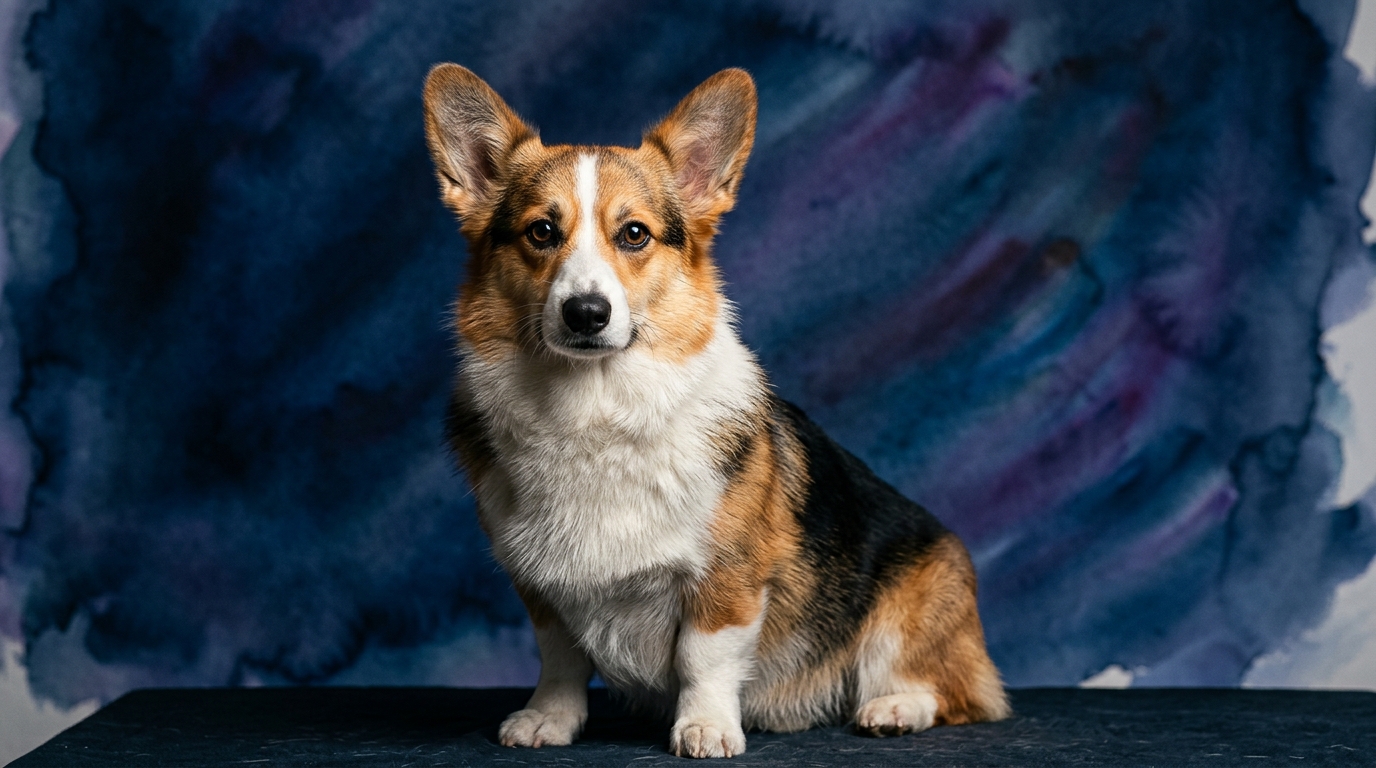

Side-by-Side IQ Profile: Herder vs. Hound
The Cosmic Pet Pet IQ Lab offers a nuanced view into the cognitive makeup of these two distinct breeds, highlighting how their historical roles influence their mental capabilities. For the Pembroke Welsh Corgi, ranked #11 by Coren and belonging to the Herding group, their cognitive profile reflects a need for responsiveness and cooperative action. They score an impressive 4/5 in Problem Solving, indicating an aptitude for navigating complex situations and finding solutions, often with an eye towards collaboration. Their Training Speed is exceptional at 5/5, showcasing a rapid ability to grasp and execute new commands. Social Intelligence sits at 4/5, demonstrating a keen awareness of human emotions and group dynamics, essential for their herding tasks. An Instinctive Drive of 5/5 points to their strong inherent desire to gather and control, a trait that can manifest playfully even in a family setting. Lastly, their Memory is solid at 4/5, enabling them to retain a broad range of commands and routines.
In contrast, the Dachshund, ranked #49 by Coren and classified as a Hound, exhibits a cognitive profile tailored for independent hunting and persistent pursuit. Their Problem Solving also scores 4/5, but this is typically applied with a tenacious, self-directed focus, often concerning scent or burrowing. Training Speed for the Dachshund is a more moderate 2/5, suggesting they require more patience and consistency in learning new directives due to their independent streak. Social Intelligence is rated 3/5; while deeply bonded with their chosen humans, they can be more selective in broader social interactions. Their Instinctive Drive is a powerful 5/5, reflecting an intense prey drive and an unparalleled dedication to following a scent trail. Memory for a Dachshund is 3/5, meaning they retain information effectively, particularly if it aligns with their primary interests or instincts, but might selectively 'forget' commands if not consistently reinforced or if a more compelling scent arises.
Where the Pembroke Welsh Corgi Wins Cognitively
The Pembroke Welsh Corgi’s cognitive strengths shine particularly in areas demanding quick comprehension and cooperative engagement. Their superior Training Speed (5/5) is a direct win, allowing them to absorb and implement new instructions with remarkable efficiency, making them highly receptive participants in structured learning. This swiftness is rooted in their herding heritage, where immediate response to handler cues was critical for managing livestock. Beyond mere obedience, their high Social Intelligence (4/5) gives them an edge in understanding and adapting to complex social environments, picking up on subtle human communication, and forming strong, responsive bonds.
Furthermore, the Corgi's Problem Solving, while equally rated at 4/5, often manifests as a desire to work *with* their human to resolve challenges. This collaborative approach makes them apt candidates for dog sports like agility or competitive obedience, where understanding multi-step commands and anticipating handler movements is paramount. Their robust Memory (4/5) also ensures that once a lesson is learned, it tends to stick, contributing to their overall reliability and consistency in performance across various tasks.
Where the Dachshund Wins Cognitively
The Dachshund's cognitive advantages are deeply intertwined with their original purpose as tenacious hunters. While their Problem Solving also stands at 4/5, it is distinctively applied: they excel in independent, persistent strategizing, particularly when driven by scent or the pursuit of a goal. This means a Dachshund will tirelessly work to figure out how to access a hidden treat or dig under a fence, demonstrating incredible ingenuity and determination on their own terms. Their powerful Instinctive Drive (5/5) is arguably their greatest cognitive asset, fueling an unmatched focus and endurance when tracking scents or investigating interesting stimuli. This drive isn't just about physical activity; it's a cognitive engine that directs their perception, attention, and decision-making.
Their cognitive strength lies in this single-minded dedication. While it can pose training challenges, it's a testament to their specialized intelligence. A Dachshund will often demonstrate an impressive ability to remember specific locations where interesting scents or objects were found, even after a considerable time, showcasing a memory that is highly selective and tied to their primary drives. This tenacious autonomy means they are less reliant on constant human direction once they have identified a 'mission,' making them adept at self-directed exploration.
Which is Easier to Train and Why
When it comes to ease of training, the Pembroke Welsh Corgi generally presents a more straightforward experience. Their exceptional Training Speed (5/5) means they rapidly grasp new commands and routines, often eager to please their human companions. This responsiveness is a direct legacy of their herding role, where immediate compliance with a handler's directives was crucial. Corgis demonstrate a natural inclination towards cooperative learning, thriving on interaction and positive reinforcement. For example, a Corgi will typically respond quickly to a 'stay' command, maintaining position while awaiting further instruction, because their social intelligence and desire to work alongside their handler overrides immediate distractions. Their inherent desire to manage and control, often seen as 'herding' family members, translates into an attentiveness that makes them highly receptive to learning boundaries and rules.
The Dachshund, conversely, can be more challenging to train, primarily due to their lower Training Speed (2/5) and a robust Instinctive Drive (5/5) that often prioritizes their own interests. Their independent nature, honed for solitary hunting, means they might not always see the immediate benefit in complying with human commands, especially if a compelling scent trail or digging opportunity presents itself. For instance, a Dachshund might ignore a 'come' command if they've picked up an intriguing scent, demonstrating their selective memory and intense focus on their primary instincts. Training a Dachshund demands significant patience, consistency, and a creative approach to motivation, often requiring high-value rewards and making lessons feel like a game that appeals to their innate drives, rather than a task to be completed for human satisfaction.
Which Suits Active Owners vs. Relaxed Owners
The choice between a Corgi and a Dachshund also hinges on an owner's lifestyle and activity preferences. Pembroke Welsh Corgis generally suit active owners who enjoy structured engagement and mental challenges. They thrive on activities like obedience training, agility courses, or even herding trials, which tap into their problem-solving abilities and desire for cooperative work. Their energy, though not boundless, is purposeful and requires consistent outlets in the form of engaging walks, interactive play, and opportunities to learn new skills. For a more relaxed owner, a Corgi can adapt, but their cognitive needs demand regular mental stimulation; without it, their intelligence can lead to boredom and potentially mischievous behaviors, underscoring that 'relaxed' doesn't mean 'inactive' for this breed.
Dachshunds, while possessing a powerful instinctive drive, can suit owners who appreciate a different kind of activity. They are ideal for owners who enjoy engaging their dogs in scent games, short bursts of exploration, and indoor puzzle toys that satisfy their problem-solving and hunting instincts. Their independent nature means they might prefer to explore a new scent trail at their own pace rather than participate in a highly structured activity. For relaxed owners, Dachshunds can be content with cozying up on the couch, provided they receive regular, albeit shorter, walks and consistent mental enrichment that caters to their strong drives. Their specific body structure also means high-impact or prolonged strenuous exercise should be carefully managed, making them a better fit for owners who prefer less intense physical demands but are dedicated to satisfying their hound's innate curiosity and hunting acumen.
The Verdict
Choose a Pembroke Welsh Corgi if you seek a highly trainable companion eager for cooperative learning, dog sports, and a strong social bond within a structured environment. Their quick grasp of commands and desire to please make them ideal for owners committed to consistent engagement and mental challenges.
Opt for a Dachshund if you appreciate an independent, persistent problem-solver with an exceptional drive for exploration and scent work, and you are prepared for a training journey requiring patience and creativity. They thrive with owners who understand their unique hound instincts and provide outlets for their innate curiosity.
🧠 Find Your Pet's IQ Score
Our Pet IQ Lab assessment covers 25+ tests across 5 cognitive dimensions — personalized to your breed.
Take the Full IQ Test →Frequently Asked Questions
Do Pembroke Welsh Corgis bark more than Dachshunds?
Pembroke Welsh Corgis often have a vocal nature, stemming from their herding role where barking helped move livestock, making them prone to alert barking. Dachshunds can also be quite vocal, particularly when alerting to perceived threats or expressing their strong opinions, though their barking might be more situation-specific and tied to their independent nature.
Are Corgis or Dachshunds better with children?
Pembroke Welsh Corgis, with their higher social intelligence and cooperative nature, often adapt well to families with respectful children, sometimes even attempting to 'herd' them playfully. Dachshunds can be affectionate with children in their own family but might be less tolerant of boisterous play from unfamiliar children due to their more selective social approach and sensitive backs.
Which breed requires more exercise?
Pembroke Welsh Corgis generally require moderate daily exercise, including walks and engaging play, to satisfy their active minds and bodies. Dachshunds need regular, shorter walks and mental stimulation through scent games, but their unique body structure means high-impact or prolonged strenuous activity should be carefully managed to protect their spines.