Side-by-Side Cognitive Profile: Corgi vs. Dalmatian
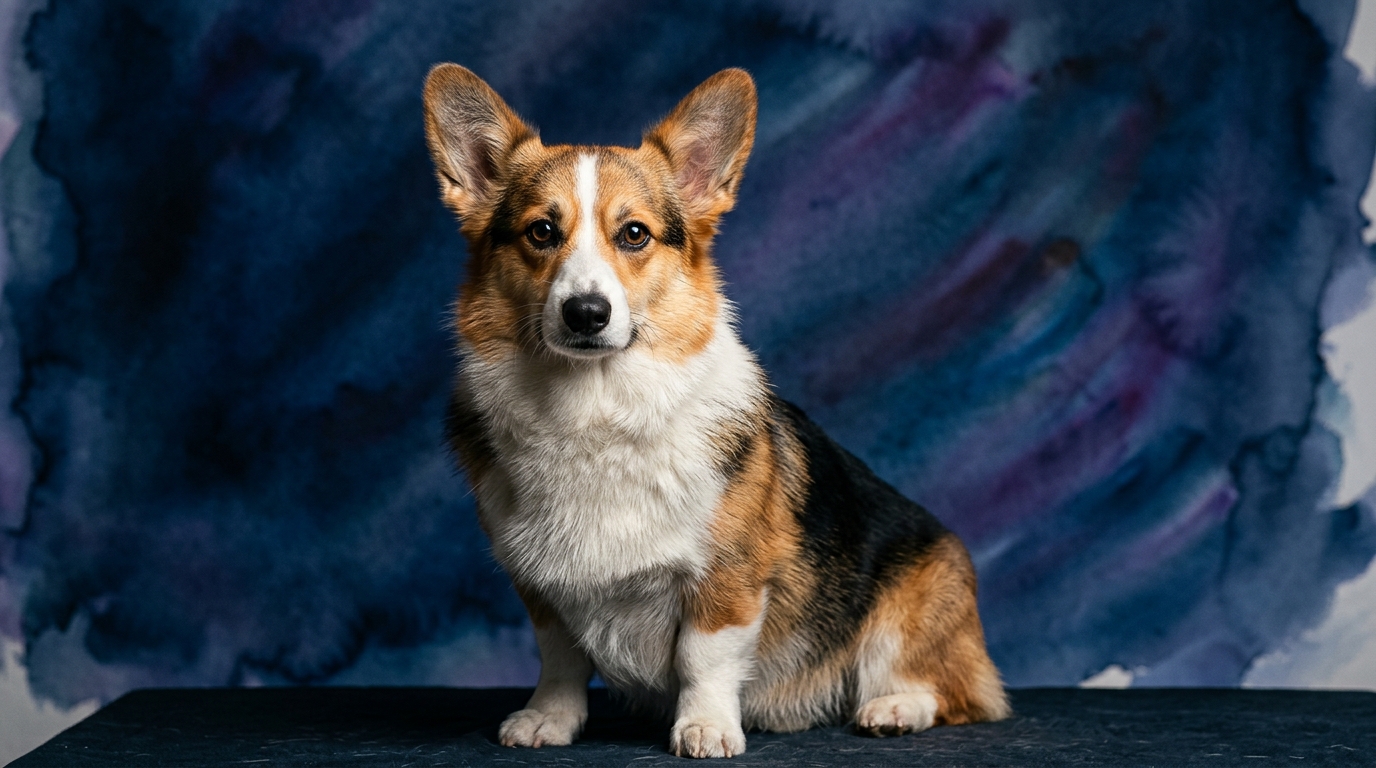
The Pembroke Welsh Corgi, holding a Coren rank of #11 in the Herding group, demonstrates a robust cognitive makeup. Their Problem Solving is rated 4/5, indicating a strong capacity to independently figure out complex situations, often involving clever manipulation of their environment to achieve a goal. Training Speed is an exceptional 5/5, meaning they grasp new commands and routines with remarkable swiftness, responding eagerly to instruction. Social Intelligence stands at 4/5, reflecting their adeptness at reading human cues and adapting to family dynamics, while their Instinctive Drive is a powerful 5/5, stemming from their inherent herding tenacity. Memory for the Corgi is also strong at 4/5, allowing for reliable recall of learned behaviors over time.
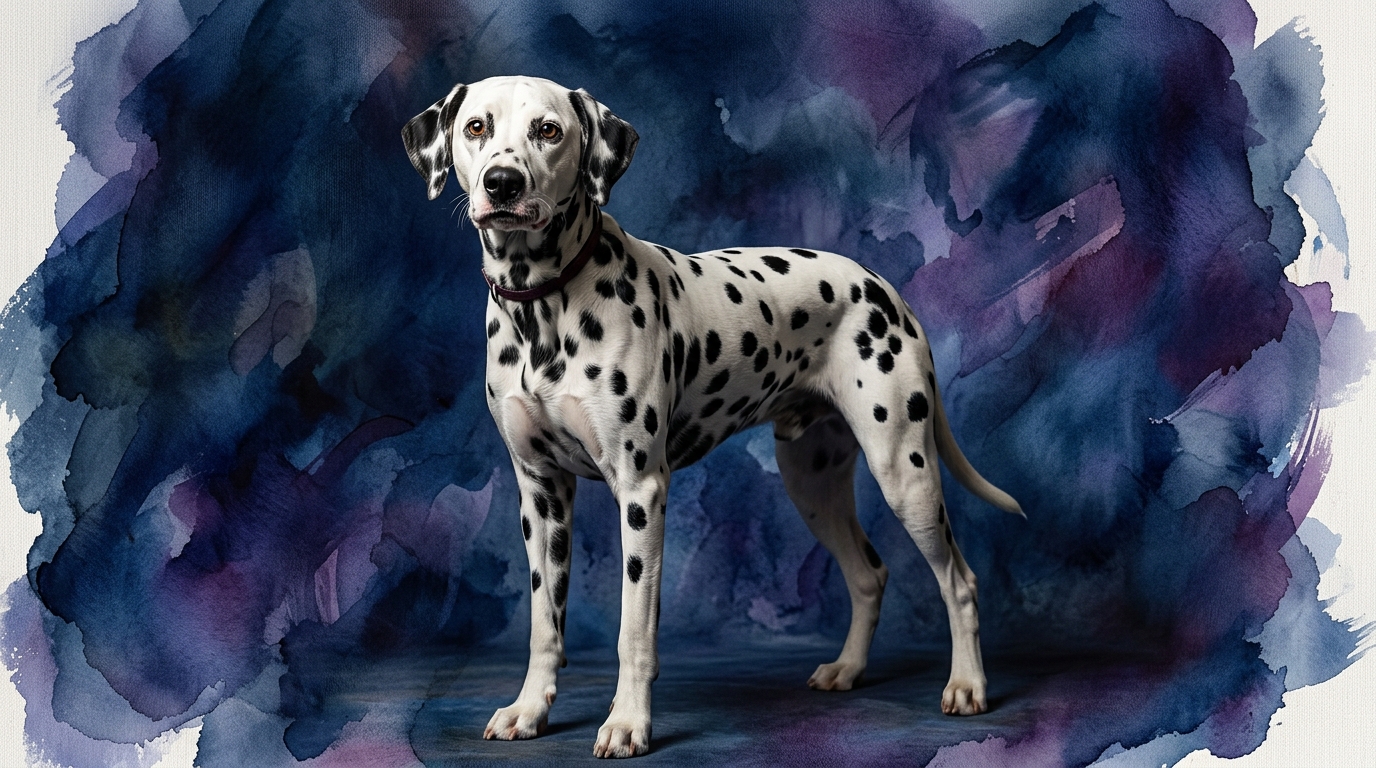
In contrast, the Dalmatian, ranked #39 within the Non-Sporting group, exhibits a different blend of cognitive strengths. Their Problem Solving is rated 3/5, suggesting they benefit from structured guidance in novel situations rather than consistently devising their own solutions. Training Speed is 3/5, indicating they learn at a moderate pace, often requiring more repetition and varied approaches to maintain engagement during training. Social Intelligence is a solid 4/5, mirroring the Corgi's ability to understand social nuances and form deep bonds. Their Instinctive Drive is 4/5, rooted in their historical role as endurance-focused carriage dogs, demonstrating stamina and a desire for purposeful activity. Memory for the Dalmatian is rated 4/5, signifying a good capacity to retain learned information once thoroughly ingrained.
Where the Pembroke Welsh Corgi Excels Cognitively
The Pembroke Welsh Corgi's superior cognitive strengths are most evident in their exceptional Training Speed and proactive Problem Solving. Their 5/5 Training Speed isn't merely about quick learning; it reflects a profound receptiveness to human instruction and an eagerness to engage in structured activities. This makes them highly proficient at mastering complex obedience routines, advanced tricks, or agility courses with fewer repetitions and greater precision than many other breeds, thriving on the mental challenge that consistent training provides.
Complementing this rapid learning ability is their 4/5 Problem Solving score. Corgis frequently demonstrate an independent and clever approach to overcoming obstacles, often devising their own solutions rather than relying solely on guidance. For instance, a Corgi might quickly learn to manipulate a puzzle toy with multiple steps, or figure out how to retrieve a desired item from a challenging spot using strategic thinking. This proactive cognitive approach distinguishes them as self-starters in mental challenges, often outmaneuvering obstacles through ingenuity.
Furthermore, their powerful 5/5 Instinctive Drive, specifically for herding, translates into a focused determination that, when properly channeled, makes them incredibly persistent and goal-oriented. This drive, combined with their quick learning, means they excel in activities requiring sustained attention and precise execution, making them standout performers in competitive dog sports where rapid comprehension and accurate response are paramount.
Where the Dalmatian Shows Unique Cognitive Strengths
While the Corgi excels in rapid learning, the Dalmatian's cognitive strengths manifest in areas centered around endurance, loyalty, and social connection. Their 4/5 Social Intelligence matches the Corgi's, indicating a robust capacity for understanding human emotions and social structures. This allows them to integrate smoothly into family dynamics, often forming exceptionally deep and loyal bonds with their chosen people, demonstrating empathy and responsiveness to their owner's state and intentions.
The Dalmatian's 4/5 Instinctive Drive, deeply rooted in their historical role as carriage dogs, translates into an unparalleled capacity for sustained physical and mental engagement over long periods. This isn't about quick bursts of problem-solving, but rather the cognitive resilience to maintain focus and drive during extensive activities like long-distance running, hiking, or sustained companionship. This endurance-based intelligence makes them exceptional partners for active lifestyles, demonstrating unwavering commitment to a task or journey, showcasing a unique form of mental fortitude.
Their 4/5 Memory score, on par with the Corgi, means that once a behavior or routine is thoroughly learned, Dalmatians retain that information reliably. While they may take more repetitions initially due to their 3/5 Training Speed, the learned information sticks, allowing them to perform complex routines or recall commands effectively over their lifespan, provided training is consistent and reinforces established patterns. Their memory for routes and routines can be particularly impressive, a valuable asset for their traditional roles.
Ease of Training: Corgi's Responsiveness vs. Dalmatian's Independence
The Pembroke Welsh Corgi, with its exceptional 5/5 Training Speed and inherent desire to please, generally proves to be the more straightforward breed to train. Their herding background instills a natural inclination to respond to direction and boundaries, making them highly receptive to clear commands and positive reinforcement. They grasp new concepts and sequences quickly, often requiring fewer repetitions to master a command or trick, and thrive on the mental stimulation that structured training provides. This makes them ideal for owners who enjoy teaching complex routines or participating in dog sports, as their quick uptake allows for rapid progression.
In contrast, the Dalmatian, possessing a 3/5 Training Speed, requires a more patient and nuanced approach. While perfectly capable of learning, they can be prone to boredom with repetitive drills and may exhibit an independent streak, sometimes needing more motivation to comply. Successful training with a Dalmatian often involves short, engaging sessions that incorporate variety and positive reinforcement, focusing on making learning a fun and rewarding experience. Owners must be consistent and creative, understanding that a Dalmatian might test boundaries more often, necessitating a firm yet fair hand to guide their spirited nature effectively and prevent disengagement.
Matching Breeds to Lifestyles: Active vs. Relaxed Owners
For owners who lead an undeniably active lifestyle, the Dalmatian is the more fitting choice. Their 4/5 Instinctive Drive for endurance, honed over centuries as carriage dogs, means they possess immense stamina and a profound need for significant daily physical exertion, such as long runs, extended hikes, or vigorous play sessions. A Dalmatian thrives when given a job or a consistent outlet for their energy, making them excellent companions for adventurous individuals or families who can integrate substantial exercise into their routine. Without adequate activity, Dalmatians can develop behavioral issues stemming from pent-up energy and boredom, underscoring their need for an engaged, active owner.
The Pembroke Welsh Corgi, while not a sedentary breed, requires a different kind of activity profile. Their 5/5 Instinctive Drive for herding translates into a need for consistent mental stimulation and moderate physical exercise, but not the extreme endurance required by a Dalmatian. They enjoy purposeful activities like herding games, puzzle toys, or obedience training, which engage their quick minds and active bodies. While a Corgi can adapt to a slightly less active household than a Dalmatian, they are not suited for truly 'relaxed' owners who offer minimal engagement; their cognitive needs demand consistent interaction and structured activity to prevent boredom and potential destructive behaviors.
The Verdict
Choose the Pembroke Welsh Corgi for owners seeking a highly trainable, quick-witted companion eager to participate in structured activities and puzzle-solving, who can provide consistent mental engagement and moderate physical exercise.
Choose the Dalmatian for active individuals or families who can commit to substantial daily exercise and consistent, patient training, valuing a loyal, enduring partner for outdoor adventures and deep social interaction.
🧠 Find Your Pet's IQ Score
Our Pet IQ Lab assessment covers 25+ tests across 5 cognitive dimensions — personalized to your breed.
Take the Full IQ Test →Frequently Asked Questions
Are Corgis better at learning tricks than Dalmatians?
Yes, Corgis generally pick up new tricks faster due to their 5/5 training speed and problem-solving aptitude. Dalmatians can learn tricks, but may require more repetition and engaging methods to maintain their interest and prevent boredom.
Do Dalmatians need more exercise than Corgis?
Absolutely. Dalmatians, with their strong instinctive drive for endurance, require significantly more strenuous and prolonged physical activity daily compared to the Corgi's moderate exercise needs. This is crucial for their well-being.
Which breed is more adaptable to different living situations?
Both breeds exhibit good social intelligence, but Corgis tend to adapt more readily to varied living situations due to their smaller size and slightly lower exercise demands, provided mental stimulation is met. Dalmatians thrive best with ample space and consistent outdoor access.