Side-by-Side IQ Profile: Herding vs. Terrier Minds
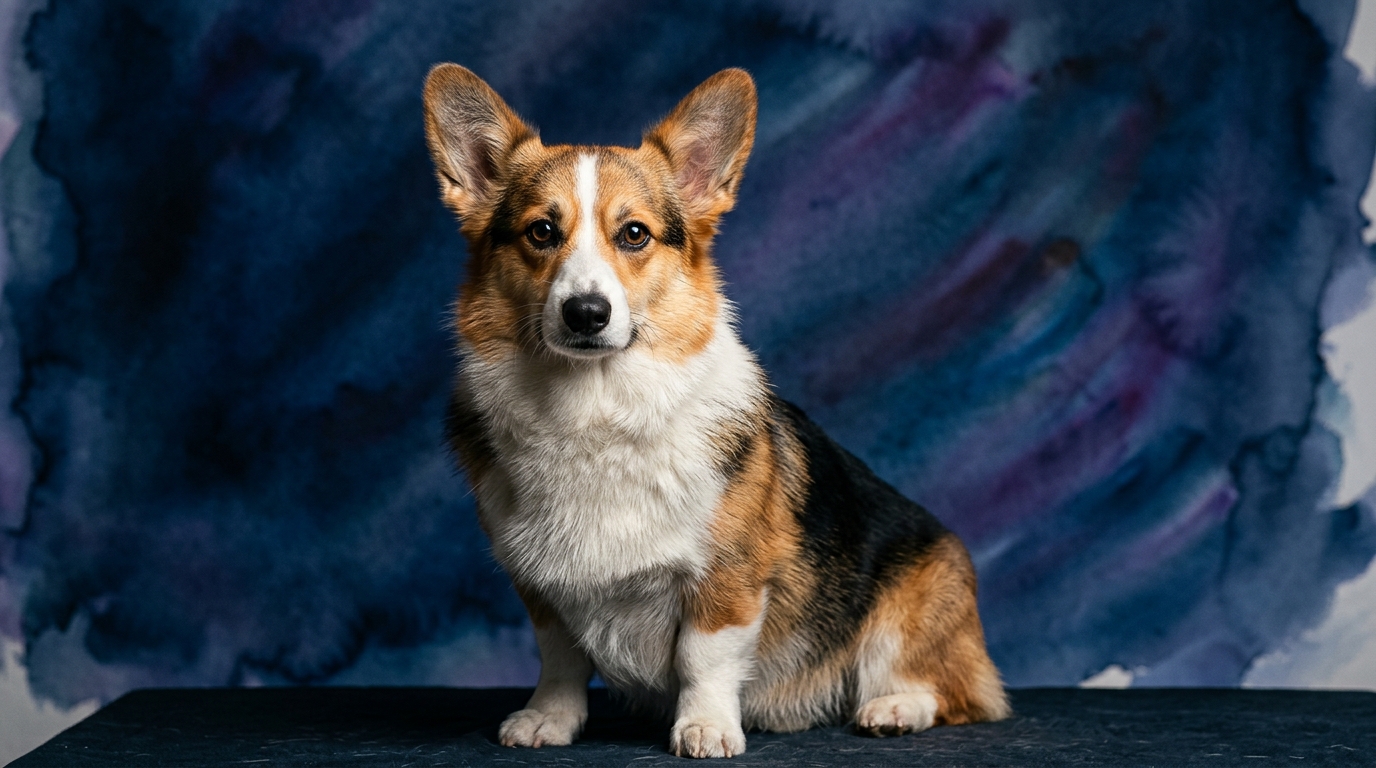
The Pembroke Welsh Corgi, an established member of the working dog world with a Coren rank of #11, exhibits a cognitive profile optimized for cooperative tasks. Their Problem Solving is rated 4/5, indicating an aptitude for figuring out practical challenges, often in relation to managing livestock or navigating complex environments. Training Speed is a standout 5/5, reflecting their rapid grasp of commands and eagerness to engage in structured learning, a trait essential for a herding companion. Social Intelligence sits at 4/5, enabling them to read human cues effectively and integrate well into a family unit, often anticipating needs. Their Instinctive Drive, also 5/5, is a powerful force directed towards herding, a persistent impulse to gather and direct movement, which can manifest in various daily behaviors. Finally, their Memory is strong at 4/5, allowing them to retain a wide array of commands, routines, and experiences, contributing to their reliability and adaptability over time.
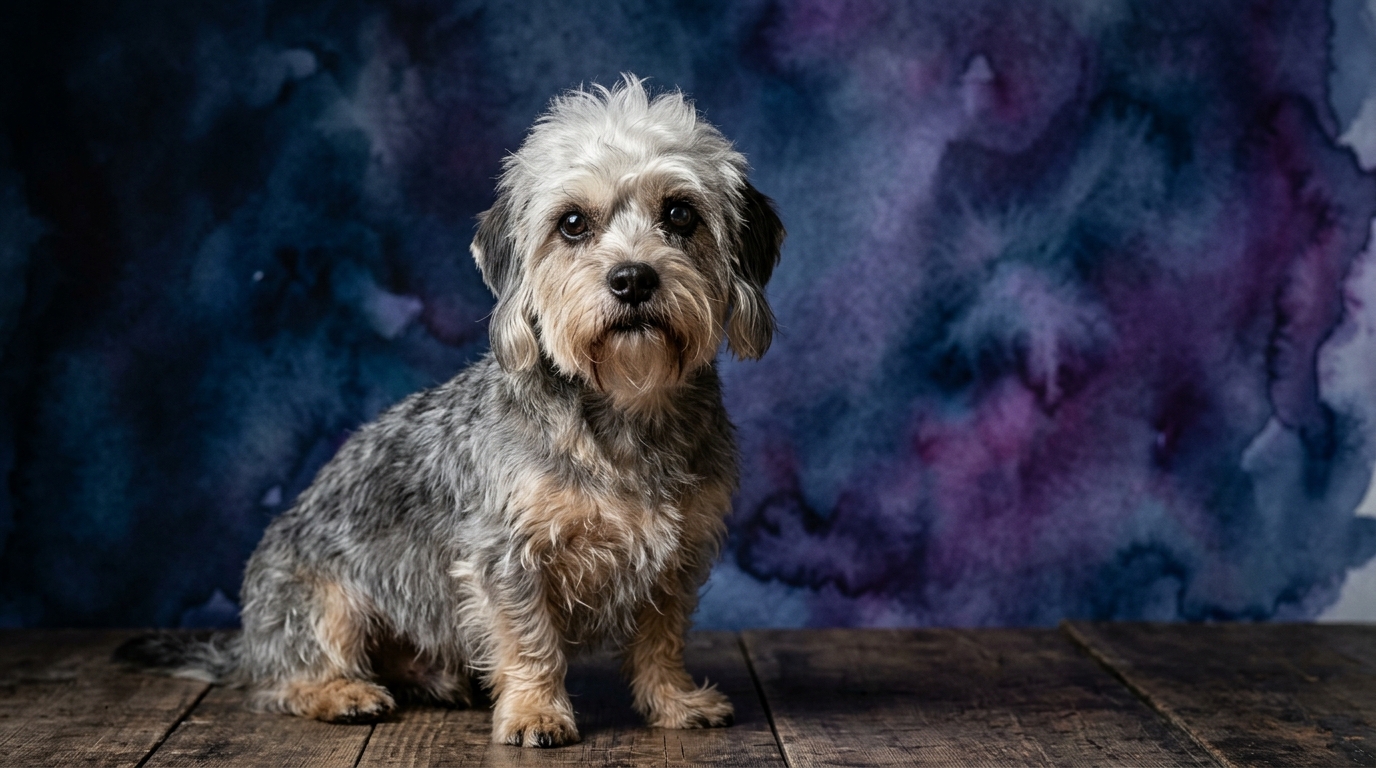
The Dandie Dinmont Terrier, a breed not appearing on Coren's traditional ranking, presents a distinct cognitive makeup shaped by its history as a solitary hunter of vermin. Their Problem Solving is rated 3/5, suggesting a capacity for independent thought and persistent effort when faced with a challenge, particularly those requiring self-reliance rather than human direction. Training Speed is 3/5, indicating that while capable of learning, they often require more patience and repetition, internalizing commands at their own pace rather than seeking immediate compliance. Social Intelligence, also 3/5, means they can be more reserved, forming deep, selective bonds rather than seeking broad social interaction, often observing before engaging. Their Instinctive Drive, rated 3/5, is primarily focused on their historical role—a tenacious, singular drive to pursue and excavate, less about general energy and more about intense, focused determination in specific tasks. Memory, at 3/5, supports their ability to recall important routines and learned behaviors, albeit potentially with less breadth or complexity than a breed geared for extensive human-directed tasks.
Where the Pembroke Welsh Corgi Excels Cognitively
The Pembroke Welsh Corgi's cognitive strengths shine particularly in areas demanding close partnership and rapid adaptation. Their Training Speed of 5/5 is a significant advantage, meaning they pick up new commands and complex sequences with remarkable quickness, making them exceptionally responsive to instruction. This is not merely about obedience; it reflects a deep capacity for associative learning and an inherent desire to collaborate. Combined with a 4/5 Social Intelligence, they are adept at understanding and responding to human communication, including subtle body language and vocal tones, allowing for a highly nuanced working relationship. Their Instinctive Drive, a perfect 5/5, while rooted in herding, translates into a powerful, directed energy that can be channeled into various structured activities like agility, obedience trials, or even advanced trick training. This drive, coupled with their 4/5 Problem Solving, means they don't just follow orders; they can strategize and adapt their learned behaviors to novel situations, such as navigating a complex obstacle course or finding a hidden toy. Their Coren rank of #11 underscores their superior ability to learn and perform consistent tasks, making them a top-tier choice for owners who value a dog that actively participates in shared mental endeavors and learns at an accelerated pace.
Where the Dandie Dinmont Terrier Demonstrates Unique Cognitive Strengths
The Dandie Dinmont Terrier's cognitive prowess, while manifesting differently, offers unique advantages for specific types of owners and tasks. Their Problem Solving, rated 3/5, is characterized by an independent, tenacious approach, particularly when pursuing a self-determined goal. Unlike the Corgi's collaborative problem-solving, the Dandie excels at figuring things out on their own, whether it's navigating a complex scent trail or strategizing how to access a hidden burrow. This isn't about rapid compliance but rather persistent, self-directed ingenuity. Their Instinctive Drive, 3/5, is highly specialized and incredibly powerful within its niche—the pursuit and excavation of vermin. This drive means they possess an unwavering focus and determination when engaged in tasks that tap into this primal instinct, such as scent work or earthdog trials, where their persistence can far outlast other breeds. While their Social Intelligence is 3/5, this often translates into a discerning nature, forming exceptionally deep and loyal bonds with their chosen few, rather than seeking approval from every acquaintance. This selective attachment fosters a profound, trusting relationship built on mutual respect, where the Dandie's independent spirit is valued. Their 3/5 Memory supports their ability to recall important locations, routines, and the specific cues associated with their chosen activities, making them reliable in their own focused pursuits, even if they aren't memorizing a vast repertoire of tricks.
Training Aptitude: Which Breed is Easier to Guide?
Without question, the Pembroke Welsh Corgi presents an easier training journey for most owners. Their 5/5 Training Speed means they absorb commands quickly, often with just a few repetitions, and their 4/5 Social Intelligence makes them eager to please and highly attuned to their handler's desires. Corgis thrive on interaction and positive reinforcement, viewing training as a collaborative game. Their inherent herding Instinctive Drive (5/5) means they are accustomed to working with humans and can channel their energy into structured activities, making them highly biddable. They are generally keen to perform tasks and respond reliably to cues, making basic obedience and even advanced skills relatively straightforward to teach. In contrast, the Dandie Dinmont Terrier, with a 3/5 Training Speed and 3/5 Social Intelligence, requires a different approach. They learn at their own pace and are not inherently driven to please humans in the same way. Their Problem Solving (3/5) leans towards independent thought, meaning they might question the utility of a command or prefer to follow their own instincts, particularly their tenacious Instinctive Drive (3/5) for hunting. Training a Dandie requires immense patience, consistency, and a deep understanding of terrier temperament. Owners must make training engaging and demonstrate clear value for the dog, often using high-value rewards and short, positive sessions. While capable of learning, their independent spirit means they are less likely to offer instant, unwavering compliance, making them a more challenging prospect for novice trainers or those seeking a dog that prioritizes human instruction above all else.
Matching Cognitive Profiles to Owner Lifestyles
For active owners seeking a canine partner for diverse engagements, the Pembroke Welsh Corgi is often the more fitting choice. Their 5/5 Instinctive Drive, while rooted in herding, translates into a need for consistent physical and mental stimulation. They thrive on structured activities like agility, obedience, rally, or even urban herding games, which satisfy their innate desire to work and direct. Their 4/5 Problem Solving and 4/5 Social Intelligence mean they enjoy learning new things and interacting extensively with their human companions. An active owner can fully engage a Corgi's cognitive strengths through daily training sessions, puzzle toys, and invigorating walks that provide both physical exercise and mental enrichment. For more relaxed owners, the Dandie Dinmont Terrier might be a surprisingly suitable companion, provided their specific needs are met. While they possess an Instinctive Drive (3/5), it is often focused on specific tasks like scent work or digging, rather than a generalized, high-energy demand for constant activity. They appreciate moderate exercise, such as daily walks, but their independent nature (3/5 Social Intelligence) means they don't always demand constant human engagement. A relaxed owner who understands and respects the Dandie's self-sufficient nature, providing outlets for their focused hunting drive through secure digging areas or scent games, may find a wonderfully content, albeit less overtly effusive, companion. They are not necessarily couch potatoes, but their energy is often more concentrated and less broadly distributed than a Corgi's.
The Verdict
When seeking a highly trainable, cooperative companion eager to engage in diverse activities and rapid learning, the Pembroke Welsh Corgi stands out as the ideal choice. Their blend of keen intelligence and biddability makes them a joy for owners who want an active, interactive partner in life.
Conversely, for those who admire an independent spirit, tenacious problem-solving, and a deep, discerning loyalty that isn't easily won, the Dandie Dinmont Terrier offers a unique and rewarding companionship. This breed suits patient owners who appreciate a dog with strong self-will and a focused drive for specific, instinctive tasks, rather than broad, human-directed obedience.
🧠 Find Your Pet's IQ Score
Our Pet IQ Lab assessment covers 25+ tests across 5 cognitive dimensions — personalized to your breed.
Take the Full IQ Test →Frequently Asked Questions
Is a Pembroke Welsh Corgi a good choice for first-time dog owners?
Yes, their high training speed and social intelligence make them relatively easier to train and integrate into a family, though their herding drive requires consistent engagement and boundaries. They generally adapt well to various living situations with proper socialization and activity.
Do Dandie Dinmont Terriers require a lot of grooming?
Dandie Dinmont Terriers have a distinctive double coat that requires regular grooming, including hand-stripping a few times a year to maintain its texture and health. Daily brushing is also recommended to prevent matting and keep their coat in good condition.
How do Corgis and Dandies typically interact with children?
Pembroke Welsh Corgis, with their social intelligence, can be excellent family dogs, often good with children if properly socialized, though their herding instincts might lead to nipping at heels. Dandie Dinmont Terriers, being more reserved, form deep bonds with family but might prefer older, respectful children who understand their independent nature and appreciate their quiet companionship.