Side-by-side IQ profile
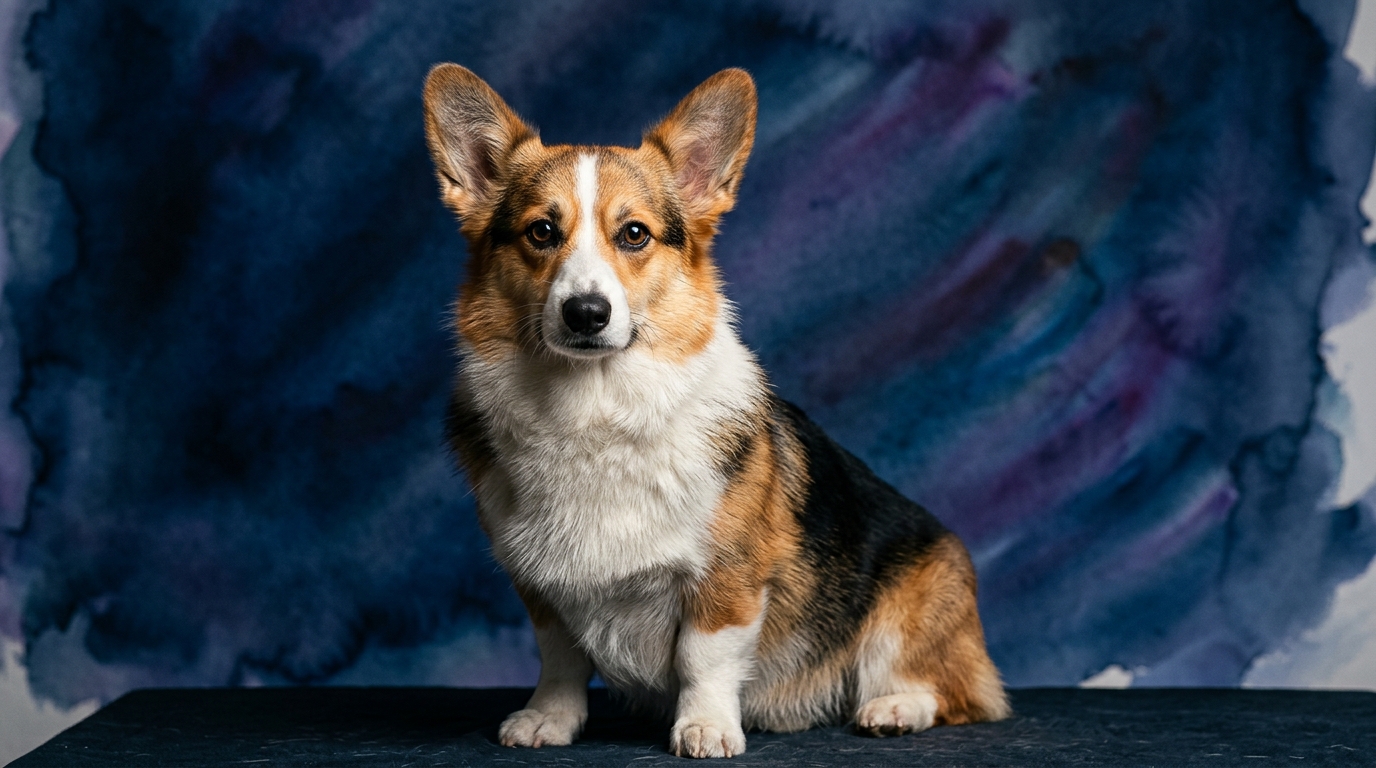
**Pembroke Welsh Corgi:** Originating as cattle drovers, Pembroke Welsh Corgis exhibit a keen ability to strategize and adapt, needing quick thinking and improvisation to manage livestock. Their Problem Solving is rated 4/5, translating into a dog that can figure out how to open gates or retrieve hidden toys. With a Training Speed of 5/5, they are exceptionally responsive, grasping new tasks rapidly, often after only a few repetitions, which is consistent with their Coren rank of #11. Their Social Intelligence (4/5) reflects a strong partnership with humans, enabling them to read handler cues and integrate smoothly into family dynamics. An Instinctive Drive of 5/5 means their herding instinct is profound, manifesting as a desire to gather and control. Finally, their Memory (4/5) is robust, allowing them to retain commands, routines, and experiences efficiently.
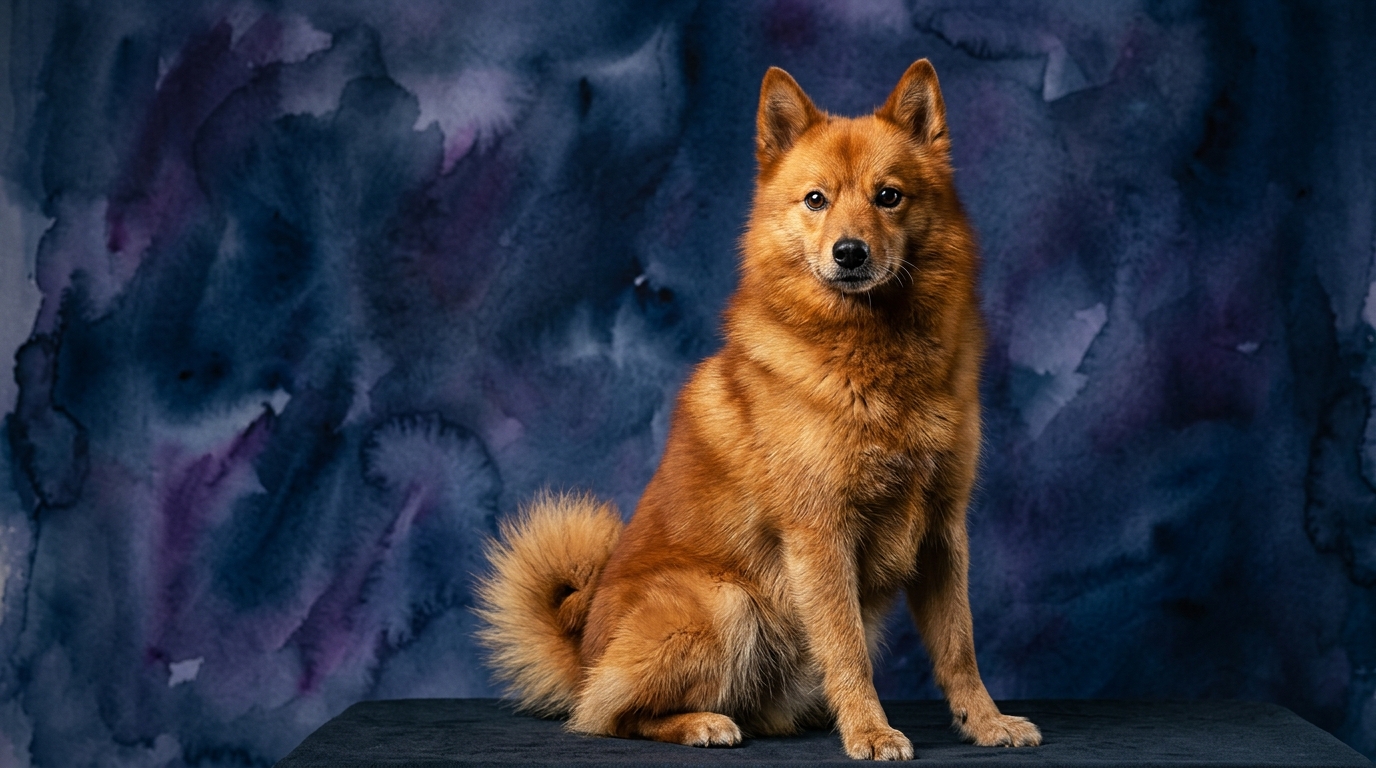
**Finnish Spitz:** The Finnish Spitz, a hunting dog primarily used for locating and barking at game birds, developed a type of problem-solving centered on independent pursuit and persistence. Their Problem Solving is rated 3/5, geared towards navigating natural environments and tracking scents. With a more independent spirit, their Training Speed is 3/5, meaning they learn commands but often require more patience, repetition, and creative motivation. Their Social Intelligence (3/5) indicates they are affectionate with family but tend to be more reserved with strangers, prioritizing task focus over broad social engagement. Their primary Instinctive Drive (3/5) is vocalization and hunting, using their voice to alert hunters to game. Their Memory (3/5) is functional, sufficient for recalling learned behaviors and hunting patterns, though complex sequences might require more reinforcement.
Where Pembroke Welsh Corgi wins cognitively
The Pembroke Welsh Corgi's cognitive strengths shine in their capacity for rapid learning and intricate task execution. Their problem-solving abilities are often directed towards understanding and manipulating their environment and human partners, demonstrating a sophisticated grasp of cause and effect in a domestic context. This manifests in their quick uptake of new commands, their ability to navigate complex agility courses, or even their knack for figuring out how to get attention or treats. Their social intelligence also allows them to excel in collaborative tasks, reading handler cues with remarkable precision, making them exceptional partners for activities requiring synchronized effort.
Where Finnish Spitz wins cognitively
The Finnish Spitz excels in areas requiring independence, sensory acuity, and specialized drive. Their cognitive edge lies in their ability to operate autonomously, utilizing acute hearing and scenting skills to locate and engage with game in natural settings. They possess a powerful, targeted instinctive drive for vocalization and pursuit, a form of intelligence that is highly effective for their specific historical role, even if it doesn't translate directly to general obedience. Their problem-solving is often self-directed, focusing on environmental challenges rather than human-imposed puzzles, showcasing a resilient and resourceful nature in the field.
Which is easier to train and why
The Pembroke Welsh Corgi is notably easier to train. Their 5/5 training speed and 4/5 social intelligence mean they are inherently motivated to learn from and please their human companions. They grasp new commands quickly, respond well to positive reinforcement, and enjoy the mental engagement of training sessions. A Corgi typically thrives on structure and clear expectations, readily integrating complex routines and multi-step commands into their behavioral repertoire.
Conversely, the Finnish Spitz, with its 3/5 training speed and social intelligence, presents a greater training challenge. Their independent nature, a valuable asset in their hunting role, often translates to a "what's in it for me?" attitude in training. They require consistent, patient, and highly motivating methods, often responding best to short, engaging sessions that appeal to their natural instincts. Their tendency towards selective hearing and a strong self-directed drive means owners must work harder to maintain focus and prove the value of compliance, rather than relying on an innate desire to please.
Which suits active owners vs relaxed owners
Pembroke Welsh Corgis are better suited for active owners who are prepared to provide consistent mental stimulation and engage in regular training or dog sports. While their physical exercise needs are moderate, their highly active minds require daily challenges, problem-solving opportunities, and structured activities to prevent boredom and channeling their strong instinctive drive constructively. They thrive in environments where their cognitive abilities are regularly exercised, making them ideal for owners interested in obedience, agility, or even trick training.
Finnish Spitz can suit owners who appreciate an independent companion and are willing to accommodate their specific instinctive drives, particularly their vocalizations. They benefit from regular outdoor activity that allows them to explore and engage their senses, but their "activity" is often more self-directed and less about rigid obedience. While they aren't couch potatoes, their ideal owner might be someone who enjoys long walks in varied environments, understands the nuances of a barking bird dog, and values a dog that retains a degree of self-sufficiency rather than a constant partner in complex tasks.
The Verdict
Opt for a Pembroke Welsh Corgi if you seek a highly trainable, socially responsive companion eager to engage in structured activities and mental challenges, thriving on a close working partnership.
Select a Finnish Spitz if you value an independent, resilient companion with keen senses and a unique vocal personality, appreciating their self-sufficiency and their specific, specialized drives.
🧠 Find Your Pet's IQ Score
Our Pet IQ Lab assessment covers 25+ tests across 5 cognitive dimensions — personalized to your breed.
Take the Full IQ Test →Frequently Asked Questions
Are Pembroke Welsh Corgis prone to excessive barking?
Corgis can be quite vocal, using their barks to alert their family or express their opinions, a trait stemming from their herding background where they needed to communicate with livestock and handlers. Consistent training from a young age can help manage this tendency, but some level of vocalization is natural for the breed.
Do Finnish Spitz make good family pets despite their independence?
Yes, Finnish Spitz can be devoted and affectionate family pets, forming strong bonds with their immediate household members, though they may be reserved with strangers. Their independence means they might not always seek constant interaction, but they are generally gentle and good-natured with children who respect their space.
How do the energy levels of these two breeds compare?
Pembroke Welsh Corgis have moderate energy levels, requiring regular walks and mental stimulation to prevent boredom and channel their active minds. Finnish Spitz also have moderate to high energy, but their exercise often involves more free exploration, scenting, and bursts of activity, rather than prolonged, structured exertion.