Side-by-Side IQ Profile: Herding vs. Sporting Minds
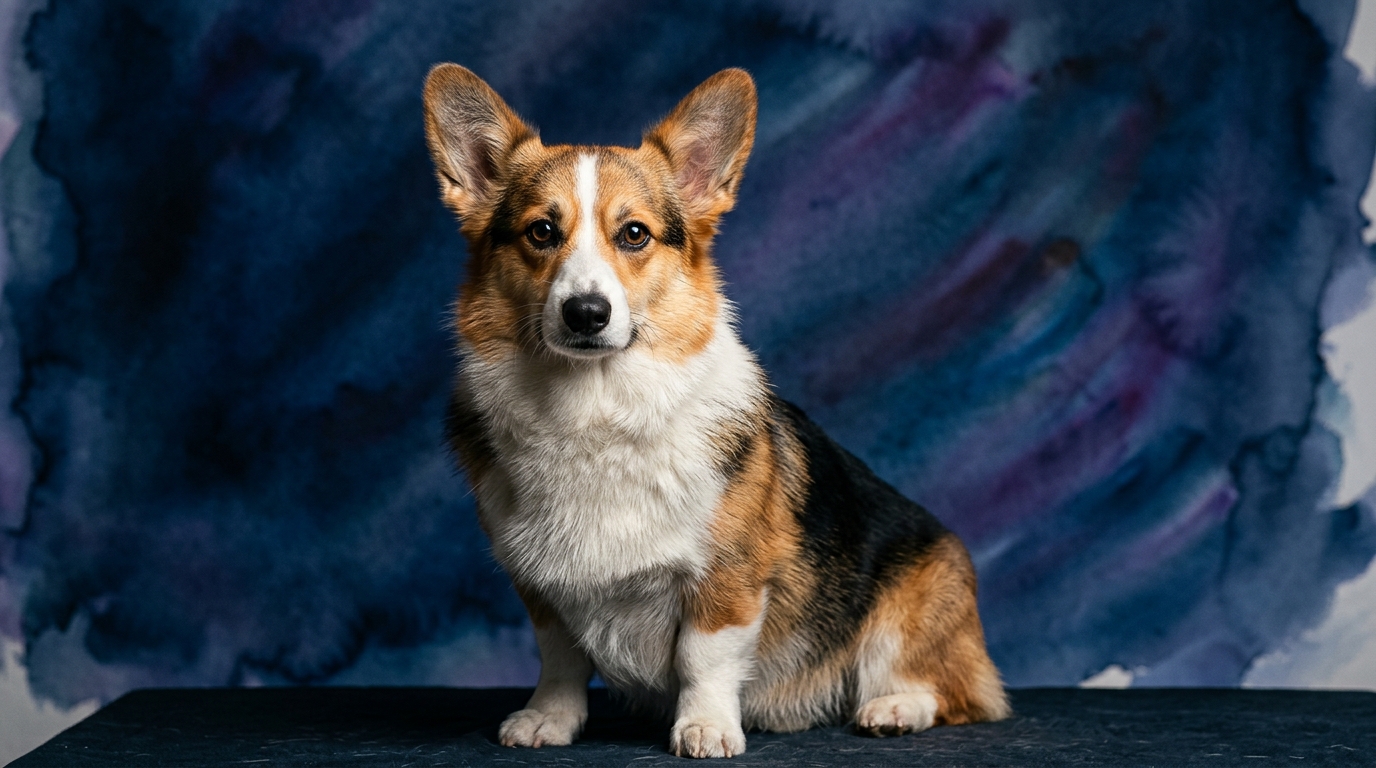
At The Cosmic Pet Pet IQ Lab, we analyze canine cognitive profiles across five key dimensions, offering a nuanced view beyond simple rankings. The Pembroke Welsh Corgi, a Herding breed, holds a Coren rank of #11, indicating a strong capacity for obedience and adaptive intelligence. Their cognitive breakdown includes Problem Solving at 4/5, Training Speed at an exceptional 5/5, Social Intelligence at 4/5, Instinctive Drive at a robust 5/5, and Memory at 4/5. This profile paints a picture of a dog primed for collaboration and quick learning, leveraging their ancestral role in managing livestock.
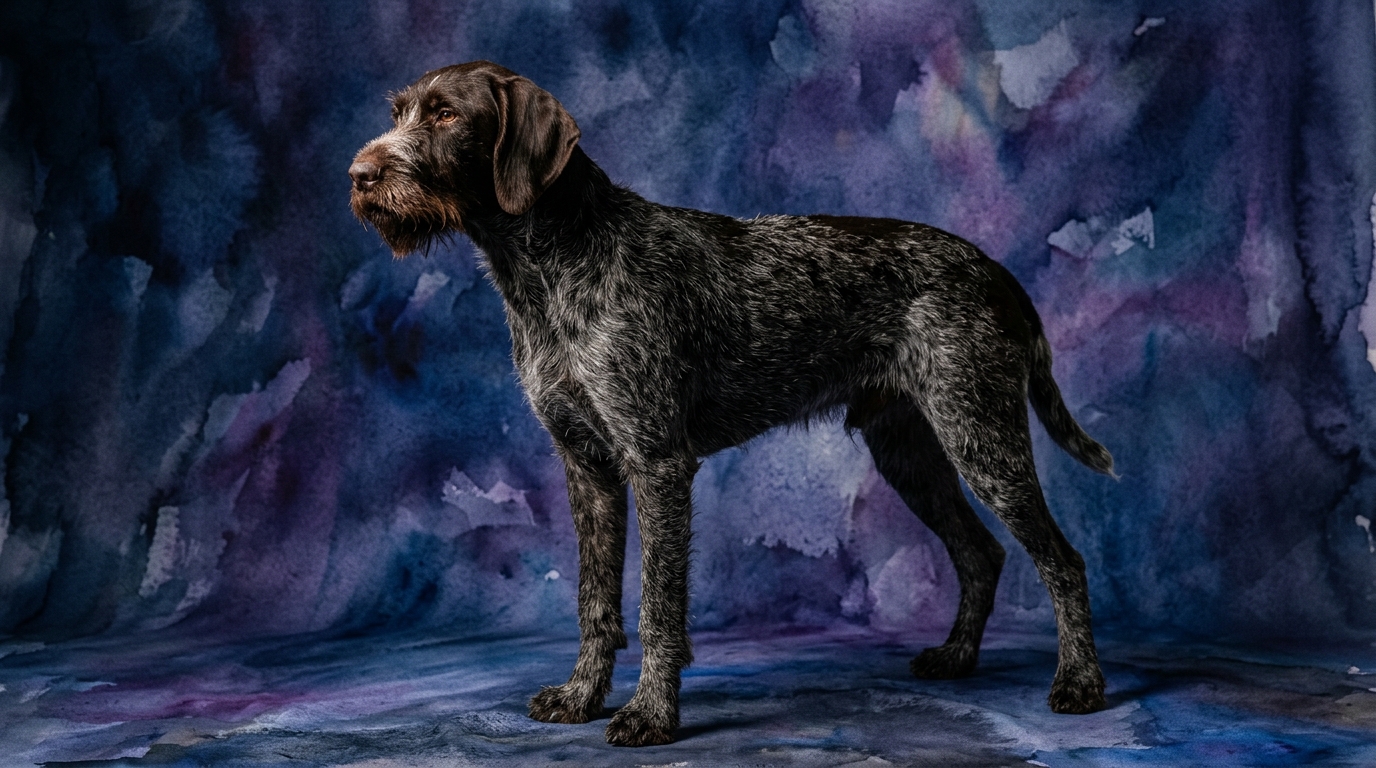
Conversely, the German Wirehaired Pointer, a Sporting breed, occupies Coren rank #28. While still demonstrating commendable cognitive abilities, their profile reflects a different set of priorities. Their Problem Solving also scores 4/5, mirroring the Corgi's capacity for independent thought. However, their Training Speed is 4/5, Social Intelligence is 3/5, Instinctive Drive is 3/5, and Memory is 4/5. These scores suggest a self-reliant hunter, less geared towards constant human direction and more towards autonomous task execution in the field.
Where the Pembroke Welsh Corgi Excels Cognitively
The Pembroke Welsh Corgi's cognitive strengths shine particularly in areas emphasizing cooperation and rapid skill acquisition. Their superior Training Speed, rated at 5/5 compared to the Pointer's 4/5, signifies a remarkable ability to grasp new commands and routines with minimal repetition. This makes them exceptionally responsive to complex training sequences, quickly mastering obedience tasks or intricate tricks that demand sequential learning. This responsiveness stems from their heritage as livestock drivers, where quick reactions to handler cues were paramount for effective herding.
Furthermore, the Corgi's higher Social Intelligence (4/5 vs. 3/5) indicates a more nuanced understanding of human emotional states and non-verbal communication. This allows them to form deeply collaborative bonds, often anticipating their owner's intentions and adapting their behavior accordingly. Their strong instinctive drive (5/5), specifically their herding acumen, means they are naturally predisposed to activities requiring organization, control, and strategic movement. This cognitive advantage translates into proficiency in dog sports like agility, where they can apply their innate desire to 'gather' and 'direct' to navigate courses with precision and enthusiasm, often viewing such tasks as engaging mental puzzles rather than mere commands.
Where the German Wirehaired Pointer Shows Unique Strengths
While the German Wirehaired Pointer's scores in some areas might appear lower than the Corgi's, their cognitive profile is uniquely optimized for their role as a versatile hunting companion. Their Problem Solving, matching the Corgi at 4/5, is often applied independently and persistently in complex environmental contexts. This manifests as a superior ability to strategize and adapt to changing conditions in the field, such as navigating challenging terrain to track game or devising a method to retrieve an object from a difficult spot without direct human intervention.
The GWP's 4/5 Memory, combined with their sporting drive, is specifically tailored for remembering intricate scent trails, marking the precise location of fallen game, and recalling vast outdoor environments over extended periods. This specialized memory function is crucial for their hunting success, allowing them to efficiently cover ground and return to specific points. Their slightly lower Social Intelligence and Instinctive Drive (3/5 each) compared to the Corgi might, in fact, contribute to a focused independence during a hunt. This allows them to concentrate intensely on the task of locating and pointing game without being overly distracted by social cues or the urge to herd, making them particularly effective in scenarios demanding sustained, self-directed effort.
Which is Easier to Train and Why?
When considering ease of training, the Pembroke Welsh Corgi generally presents a more straightforward path for most owners due to their exceptional Training Speed rating of 5/5. Their herding background instills an inherent desire to work collaboratively with a handler and respond quickly to direction. This means Corgis typically pick up new commands and routines with fewer repetitions, making them highly receptive to positive reinforcement methods and excelling in obedience and performance events. Their strong social intelligence also means they are often more attuned to their owner's body language and vocal tone, further aiding the training process.
The German Wirehaired Pointer, with a Training Speed of 4/5, is certainly trainable, but often requires a more patient and consistent approach. Their sporting independence means they might be more inclined to follow their nose or their own initiative, especially if a task doesn't immediately align with their inherent drives. While they possess strong problem-solving skills, these are frequently applied in self-directed ways, such as finding creative solutions to reach a scent, rather than strictly adhering to a handler's precise instructions. Trainers might find they need to make training sessions more engaging and purpose-driven, often incorporating elements of scent work or retrieval to leverage the GWP's natural inclinations and maintain their focus.
Matching Cognitive Profiles to Lifestyles: Active vs. Relaxed Owners
The cognitive profiles of these two breeds offer clear guidance for owners considering their lifestyle. The Pembroke Welsh Corgi, despite their robust instinctive drive, can adapt well to moderately active homes. Their compact size means their exercise requirements can often be met with vigorous daily walks, engaging playtime, and regular mental enrichment through puzzle toys and training sessions. Their high social intelligence means they thrive on consistent human interaction and inclusion in family activities, making them suitable for owners who enjoy a blend of physical activity and close companionship, without needing to be extreme athletes. They excel when their sharp minds are given collaborative tasks to solve.
The German Wirehaired Pointer, on the other hand, is unequivocally suited for highly active owners. As a sporting breed, they are genetically predisposed to hours of intense physical and mental exertion in the field. This means they require significant daily exercise that often involves running, swimming, and engaging in activities like hiking, field trials, or extensive scent work. A GWP will not simply be content with a stroll around the block; their powerful instinctive drive and problem-solving acumen demand purpose-driven activities that challenge both their bodies and minds. Owners who lead an adventurous, outdoor-oriented lifestyle and are prepared to dedicate substantial time to channeling this breed's formidable energy will find a deeply rewarding partnership, while a more relaxed owner would likely find their GWP to be restless and potentially destructive.
The Verdict
Choose the Pembroke Welsh Corgi if you seek a highly responsive, socially engaged companion who thrives on collaborative learning and can be satisfied with a blend of physical and mental engagement within a family setting.
Opt for the German Wirehaired Pointer if you are an owner dedicated to outdoor pursuits, hunting, or intense dog sports, capable of channeling a powerful, independent working drive into purpose-driven activities.
🧠 Find Your Pet's IQ Score
Our Pet IQ Lab assessment covers 25+ tests across 5 cognitive dimensions — personalized to your breed.
Take the Full IQ Test →Frequently Asked Questions
Do Pembroke Welsh Corgis require a lot of mental stimulation?
Yes, Corgis possess a 4/5 problem-solving ability and a 5/5 instinctive drive, meaning they absolutely thrive on mental challenges. Without engaging activities, their sharp minds can lead to boredom and potentially undesirable behaviors, so regular training and puzzle toys are beneficial.
How does the German Wirehaired Pointer's memory compare for training?
The GWP's memory, rated 4/5, is quite strong, particularly for remembering locations and scent trails crucial for their hunting tasks. While their training speed is 4/5, their excellent memory helps them retain commands and learned behaviors once they are consistently established, even if initial acquisition takes a bit more effort than a Corgi.
Are German Wirehaired Pointers good family dogs despite lower social intelligence?
A GWP's 3/5 social intelligence score means they may not be as inherently attuned to subtle family dynamics as a Corgi, but they can still form strong bonds. Their loyalty is often expressed through shared activities and purpose, making them excellent companions for active families who include them in their outdoor adventures and provide clear, consistent leadership.