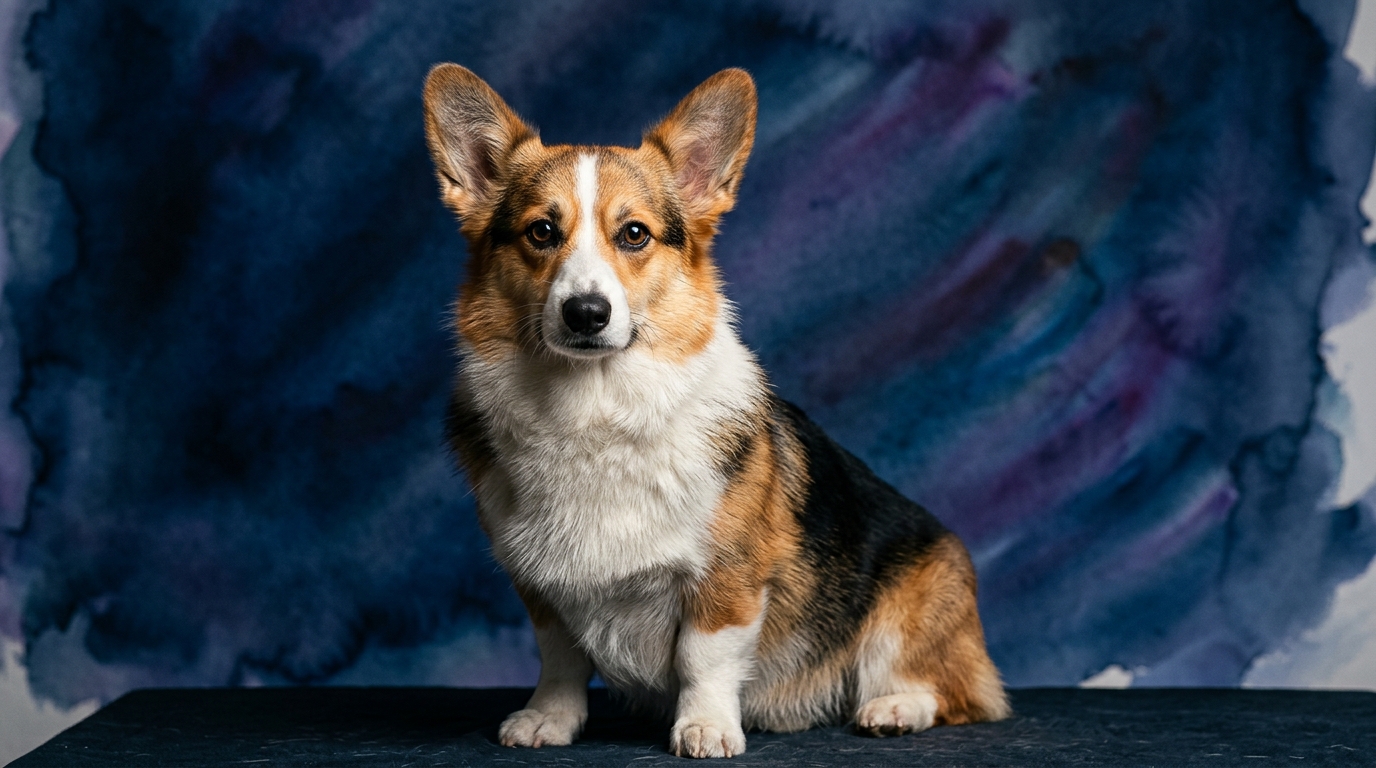
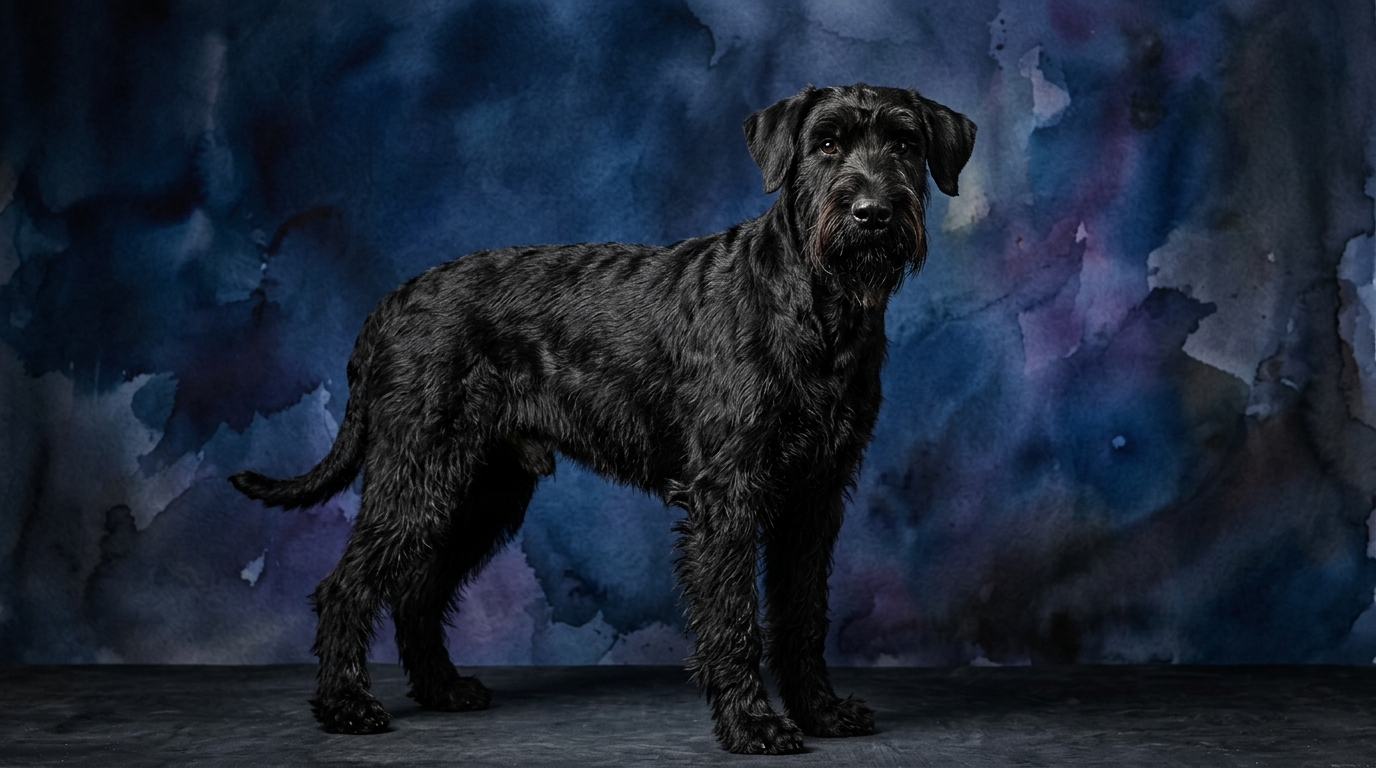
Side-by-Side IQ Profile: Corgi vs. Schnauzer
At The Cosmic Pet Pet IQ Lab, we analyze canine cognition across five crucial dimensions, offering a specific lens into each breed's mental architecture. The Pembroke Welsh Corgi, ranking #11 on the Coren scale, demonstrates a Problem Solving ability of 4/5, adept at navigating complex environments and strategizing to manage movement, a direct reflection of its herding lineage. Its Training Speed is an exceptional 5/5, indicating a rapid grasp of commands and an eagerness to comply, essential for precise direction in the field. Social Intelligence stands at 4/5, meaning Corgis read human cues effectively and integrate well into family dynamics, though their assertive herding temperament can manifest in interactions. Instinctive Drive is a robust 5/5, a powerful urge to control and gather, which often translates into chasing or nipping at heels. Finally, their Memory is 4/5, reliably retaining learned behaviors and routines over time. In contrast, the Giant Schnauzer, ranking #28, showcases a Problem Solving score of 4/5, applied to tasks requiring discernment and resourcefulness, often in protection or guarding scenarios. Its Training Speed is 4/5, indicating efficient learning but sometimes accompanied by an independent streak that requires a firm, consistent hand. Social Intelligence is 3/5, suggesting a more reserved approach with strangers and a deep, selective bond with its primary family, prioritizing protection. Instinctive Drive is 3/5, manifesting as a strong desire for purposeful work and guarding, but less focused on dynamic movement control than a herder. Its Memory, like the Corgi, is 4/5, demonstrating solid recall for commands and associations vital for its working responsibilities.
Where the Pembroke Welsh Corgi Wins Cognitively
The Pembroke Welsh Corgi truly shines in its exceptional Training Speed (5/5) and the directed application of its high Instinctive Drive (5/5). Their herding heritage has imbued them with an innate desire to understand and respond to human directives, making them remarkably quick studies in obedience and canine sports. This inherent drive to manage and organize translates into a focused willingness to engage in structured learning, allowing them to pick up new commands and complex sequences with impressive alacrity. Their problem-solving capabilities, while matched by the Schnauzer in score, are often expressed in dynamic, adaptable ways—figuring out how to maneuver livestock or navigate challenging terrain, which makes them highly adaptable to various training scenarios and mental puzzles within a home environment. The Corgi's social intelligence, geared towards managing a flock, allows them to read and respond to family dynamics with an assertive yet often charming understanding, making them adept at integrating into a household’s rhythm, provided their leadership needs are met.
Where the Giant Schnauzer Wins Cognitively
The Giant Schnauzer's cognitive strengths lie in its profound sense of purpose and its discerning, protective nature. While their Problem Solving score is identical to the Corgi's at 4/5, the application differs; Schnauzers excel at tasks requiring persistence, critical evaluation, and independent decision-making in real-world working scenarios such as advanced scent tracking or guarding. Their Memory (4/5) is robust, allowing them to recall complex protocols and maintain vigilance over long periods, a crucial trait for a protection dog. The Schnauzer's Social Intelligence, rated at 3/5, is not a deficit but a specialization; they are discerning, forming deep bonds with their chosen family while maintaining a watchful wariness towards outsiders, a cognitive asset for their guardian role. This breed exhibits a cognitive resilience, capable of working through distractions and maintaining focus on a task, demonstrating a formidable mental fortitude that allows them to excel in demanding, high-stakes working environments where precise, independent judgment is paramount.
Which is Easier to Train and Why
For the average owner, the Pembroke Welsh Corgi generally presents an easier training journey. Their superior Training Speed (5/5) means they quickly grasp new concepts and cues, often eager to please and respond to direction. This eagerness stems from their strong instinctive drive (5/5) to work with and for humans, channeling their herding tendencies into focused obedience. They thrive on positive reinforcement and consistent, clear guidance, making them highly responsive to standard training methodologies. Their inherent desire to manage and organize translates into a willingness to follow a leader, provided that leadership is consistent and engaging. In contrast, the Giant Schnauzer, while possessing a commendable Training Speed (4/5), can be more challenging for novices. Their independent streak and strong working dog temperament mean they require a trainer who can provide confident, consistent leadership and varied, stimulating tasks to maintain their engagement. They are less inclined to blindly follow and may test boundaries, demanding a more experienced hand to channel their robust problem-solving abilities and protective instincts into desired behaviors. Without proper, consistent training and socialization, their selective social intelligence and guarding drives can become a management challenge, requiring an owner capable of understanding and directing their specific cognitive make-up.
Which Suits Active Owners vs. Relaxed Owners
Despite their compact size, Pembroke Welsh Corgis are decidedly suited for active owners. Their high instinctive drive (5/5) and need for mental stimulation mean they thrive on purposeful activity. Owners who enjoy structured play, obedience training, agility, or even trick training will find a Corgi a willing and enthusiastic participant. A Corgi needs outlets for its herding instincts, which could involve herding balls, participating in canine sports, or simply engaging in consistent, challenging training sessions to prevent boredom and redirected behaviors like nipping or excessive barking. They are not dogs that will be content with minimal engagement; their cognitive makeup demands interaction and purpose. The Giant Schnauzer also emphatically suits active owners, but with a different emphasis on "active." Their working breed heritage demands significant physical exercise and, crucially, consistent mental challenges. They are not content to be couch potatoes; they need a 'job.' This could involve advanced obedience, protection sports, tracking, or long, vigorous hikes that engage both their bodies and their discerning minds. While they can be calm indoors after sufficient stimulation, a relaxed owner who cannot provide purposeful work and robust daily exercise will likely find a Giant Schnauzer bored, destructive, or exhibiting behavioral issues stemming from unfulfilled cognitive and physical needs. Both breeds require commitment to activity, but the Schnauzer demands a more intense, goal-oriented engagement.
The Verdict
If you seek a highly trainable, quick-witted companion eager to engage in structured activities and manage a busy household with a spirited demeanor, and who can provide outlets for their herding instincts, the Pembroke Welsh Corgi is an excellent choice.
For experienced owners who appreciate a discerning, loyal guardian capable of complex tasks, willing to invest in consistent, purposeful training, and provide significant mental and physical engagement, the Giant Schnauzer offers a rewarding partnership.
🧠 Find Your Pet's IQ Score
Our Pet IQ Lab assessment covers 25+ tests across 5 cognitive dimensions — personalized to your breed.
Take the Full IQ Test →Frequently Asked Questions
Are Pembroke Welsh Corgis good family dogs?
Yes, Corgis can be excellent family dogs, exhibiting a friendly and social demeanor within their pack. However, their herding instinct may lead them to nip at heels, so early socialization and training are crucial, especially around young children.
Do Giant Schnauzers need a lot of exercise?
Giant Schnauzers require substantial daily exercise and mental stimulation to thrive. As a working breed, they benefit from long walks, runs, or engaging in dog sports like agility or protection work, which helps prevent boredom and destructive behaviors.
How do Corgi and Schnauzer intelligence compare for problem-solving?
Both breeds score 4/5 in problem-solving, but apply it differently. Corgis excel at navigating dynamic environments and outsmarting livestock, while Giant Schnauzers apply their problem-solving to tasks requiring discernment, protection, or tracking, often with more independence.