Side-by-Side Cognitive Profiles: Corgi vs. Greyhound
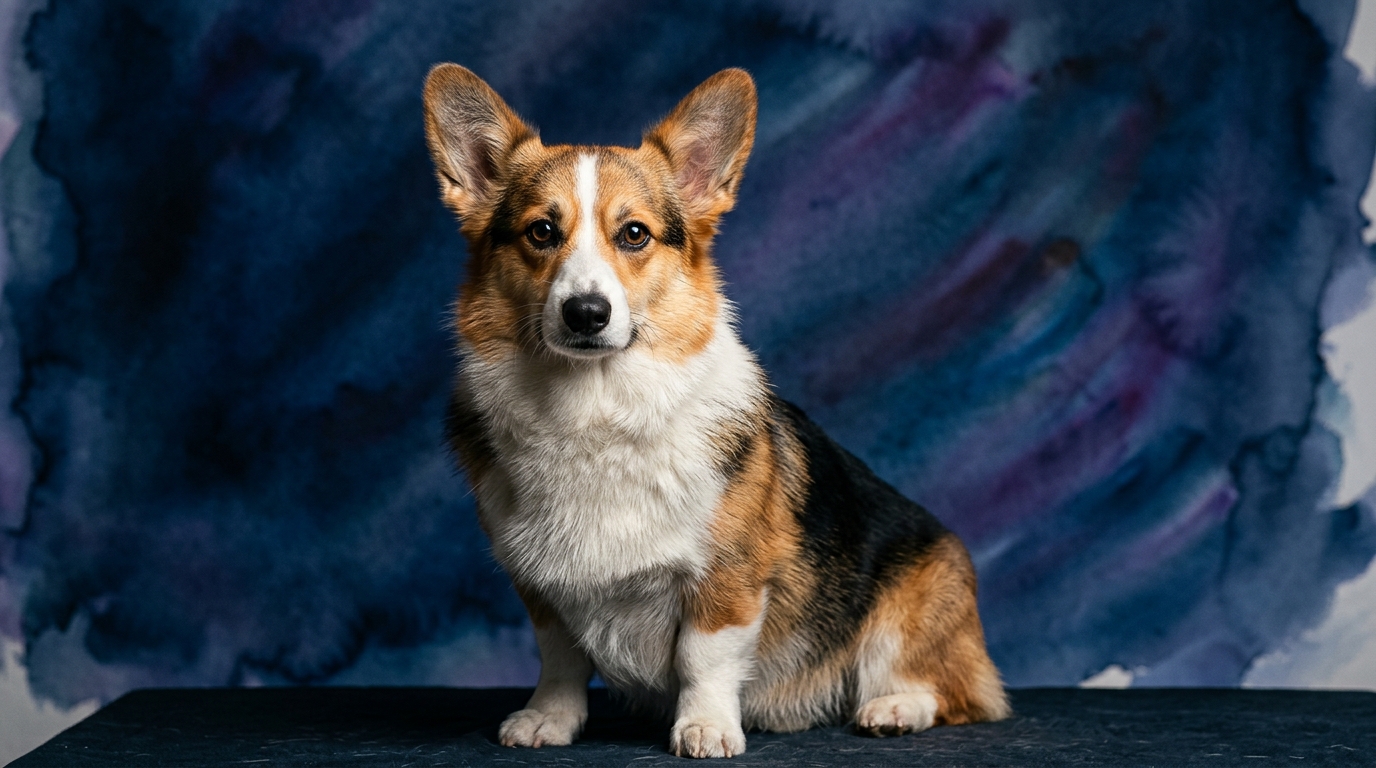
At The Cosmic Pet Pet IQ Lab, we evaluate canine cognition across five key dimensions. The Pembroke Welsh Corgi, a Herding breed, ranks at #11 on the Coren scale, indicating a strong capacity for working intelligence and obedience. Their Problem Solving is rated 4/5, showing an aptitude for figuring out novel challenges, whether it's navigating a complex environment or manipulating puzzle toys. With a Training Speed of 5/5, Corgis are exceptionally quick learners, absorbing new commands and routines with remarkable efficiency. Their Social Intelligence scores 4/5, meaning they are adept at reading human cues and engaging effectively within a family unit. An Instinctive Drive of 5/5 reflects their powerful herding impulse, translating into persistence and a desire for purpose. Finally, their Memory at 4/5 ensures they retain learned behaviors and routines reliably.
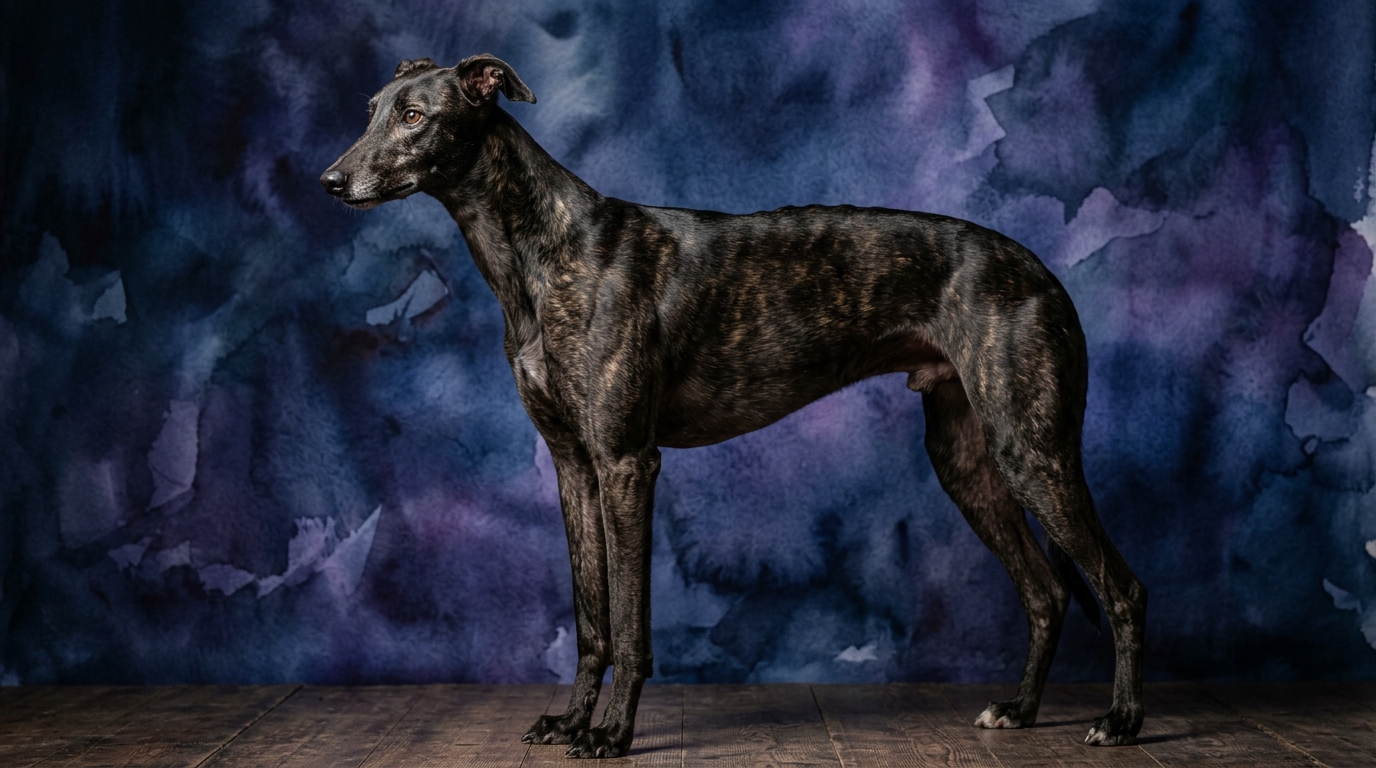
In contrast, the Greyhound, a Hound breed, holds a Coren rank of #46. Their cognitive strengths are specialized, reflecting their heritage as sighthounds. Their Problem Solving is rated 3/5, indicating competence in straightforward tasks but perhaps less inclination for intricate, multi-step puzzles without clear motivation. A Training Speed of 2/5 suggests that while Greyhounds can learn, they often require more patient, positive reinforcement and shorter, engaging sessions, as they may not be as driven by repetitive tasks. Their Social Intelligence, at 3/5, points to a capacity for forming deep, albeit often more reserved, bonds, exhibiting subtle cues rather than overt expressions. The Greyhound’s Instinctive Drive is a powerful 5/5, primarily centered around their unparalleled prey drive and the thrill of the chase. Their Memory is rated 3/5, allowing them to remember routines and beloved individuals, but perhaps not extended sequences of complex commands with the same precision as a Corgi.
Where the Pembroke Welsh Corgi Excels Cognitively
The Pembroke Welsh Corgi consistently demonstrates superior cognitive flexibility and rapid learning. Their 4/5 Problem Solving score means they are often adept at navigating new situations, figuring out how to access desired objects, or even manipulating latches. This innate curiosity and capacity for strategic thought make them engaging companions for owners who enjoy interactive games and mental challenges. Beyond individual problem-solving, their 5/5 Training Speed is a standout attribute. Corgis are eager to please and quick to form associations between commands and actions, making them highly responsive to obedience training, agility courses, and even complex trick learning. Their strong Social Intelligence (4/5) further enhances this, as they are generally attuned to their owner's moods and intentions, fostering a cooperative learning environment. This combination of attributes positions the Corgi as a highly adaptable and versatile learner, thriving on consistent mental engagement and structured activities that channel their inherent herding drive into productive tasks.
Where the Greyhound Shines Cognitively
While the Corgi excels in general adaptability, the Greyhound's cognitive strengths lie in its highly specialized and refined instinctive abilities. Their 5/5 Instinctive Drive is a testament to millennia of selective breeding for speed and pursuit. This isn't just physical prowess; it's a cognitive ability to rapidly process visual stimuli, assess trajectories, and execute precise, high-speed maneuvers. In a chase scenario, a Greyhound's brain is performing complex calculations at an incredible pace, demonstrating a unique form of rapid, instinctual problem-solving that is unmatched by most breeds. Furthermore, while their Social Intelligence is rated 3/5, it manifests as a deep, quiet perceptiveness. Greyhounds often form profound, nuanced bonds with their chosen family members, demonstrating an understanding of subtle cues and a gentle sensitivity that enriches the human-animal connection. Their memory, though not geared towards complex obedience, is excellent for remembering comfort, routine, and the safety of their home environment, contributing to their famously calm and serene indoor demeanor.
Trainability: Corgi's Eagerness vs. Greyhound's Independence
When it comes to trainability, the Pembroke Welsh Corgi generally presents as the easier breed to teach new behaviors and commands. Their 5/5 Training Speed and robust Social Intelligence (4/5) mean they readily engage with their trainer, quickly grasp concepts, and often thrive on the mental stimulation that training provides. Corgis often display an inherent desire to work and please, a remnant of their herding ancestry, which translates into a strong motivation for learning. They respond exceptionally well to positive reinforcement, often being highly food-motivated and enjoying the collaborative process of mastering new tasks. Their herding drive can be skillfully channeled into obedience or agility, where their focus and agility shine, making them excellent candidates for competitive dog sports.
The Greyhound, with its 2/5 Training Speed, requires a different approach. They are sensitive, independent thinkers who may find repetitive drills tedious. While they are certainly capable of learning, their motivation is often less about pleasing a handler and more about their own comfort or the thrill of the chase. Training Greyhounds necessitates patience, gentle methods, and short, engaging sessions that keep their interest. Harsh corrections are counterproductive, often causing them to shut down. Their powerful 5/5 Instinctive Drive, particularly their prey drive, means off-leash training in open, stimulating environments can be a significant challenge, as their instinct to chase can override any learned commands. Successful Greyhound training often focuses on building a strong bond, utilizing positive reinforcement, and understanding their sighthound nature to manage their environment effectively.
Lifestyle Match: Active Engagement vs. Calm Companionship
The Pembroke Welsh Corgi is an excellent match for owners who desire an active, engaged companion eager to participate in daily activities and mental enrichment. Despite their short stature, Corgis possess surprising stamina and a need for consistent mental stimulation to prevent boredom. They thrive on daily walks, interactive play, and opportunities to use their problem-solving skills. Owners who enjoy dog sports like agility, obedience, or even urban herding will find a Corgi a willing and capable partner. Their energetic and curious nature means they integrate well into busy households that can provide structured activity and consistent interaction, channeling their inherent drives into constructive outlets.
The Greyhound, on the other hand, is uniquely suited for both active owners who can provide safe, enclosed spaces for exhilarating sprints, and relaxed owners who appreciate their famously calm indoor demeanor. While they need daily walks and the opportunity for short bursts of intense running, Greyhounds are not endurance athletes in the same vein as some other breeds. They are often described as '45 mph couch potatoes,' content to spend much of their day napping on a comfortable bed after their exercise. They are wonderful companions for quiet evenings at home, offering a gentle, affectionate presence without demanding constant attention. Their reserved nature means they can be excellent for those seeking a tranquil, low-key companion who still enjoys quality time and a good stretch of the legs.
The Verdict: When to Choose Each Breed
The Verdict
Choose the Pembroke Welsh Corgi if you seek a highly trainable, mentally agile companion eager to participate in various activities and engage actively with family life, and you can provide consistent training and mental enrichment. They thrive in dynamic households that appreciate a busy, intelligent dog.
Opt for the Greyhound if you appreciate a gentle, quiet, and affectionate companion with a reserved social style, and you can provide safe opportunities for exhilarating sprints alongside a calm, comfortable home environment. They are perfect for owners who value serene companionship and a low-key presence indoors.
🧠 Find Your Pet's IQ Score
Our Pet IQ Lab assessment covers 25+ tests across 5 cognitive dimensions — personalized to your breed.
Take the Full IQ Test →Frequently Asked Questions
Are Pembroke Welsh Corgis good for first-time dog owners?
Corgis can be suitable for first-time owners who are committed to consistent training and mental stimulation. Their high trainability and eagerness to please make them responsive students, but their strong will and energy require dedicated guidance to prevent mischievous behaviors.
Do Greyhounds need a lot of exercise daily?
Greyhounds require daily exercise, but it typically consists of regular walks and opportunities for short, intense sprints in a secure area. They are not endurance breeds and are often content to nap for much of the day after their activity, making them less demanding than some other active breeds.
Which breed is more prone to separation anxiety?
Both breeds can develop separation anxiety, but Greyhounds, particularly those adopted from racing, may be more prone due to past experiences or their sensitive nature. Corgis, being highly social, also thrive on companionship and can become anxious if left alone for extended periods without proper training and enrichment.